How To Lock Cabinet Doors: Essential Guide
Quick Summary: Learn how to lock cabinet doors with simple, effective methods. This guide offers beginner-friendly solutions, from basic latches to childproof locks, ensuring your cabinets are secure and your belongings are safe. We’ll walk you through the easiest ways to add security to your cabinets at home.
Welcome to the world of home security and organization! If you’ve ever worried about little hands reaching into cabinets filled with cleaning supplies, or simply want to keep certain items out of reach, you’ve come to the right place. Locking cabinet doors might sound complicated, but it’s often a straightforward DIY project that anyone can tackle. We’ll guide you through various easy-to-install locking mechanisms, making your home safer and more secure in no time. Let’s get those cabinets locked down!
Why Lock Your Cabinet Doors?
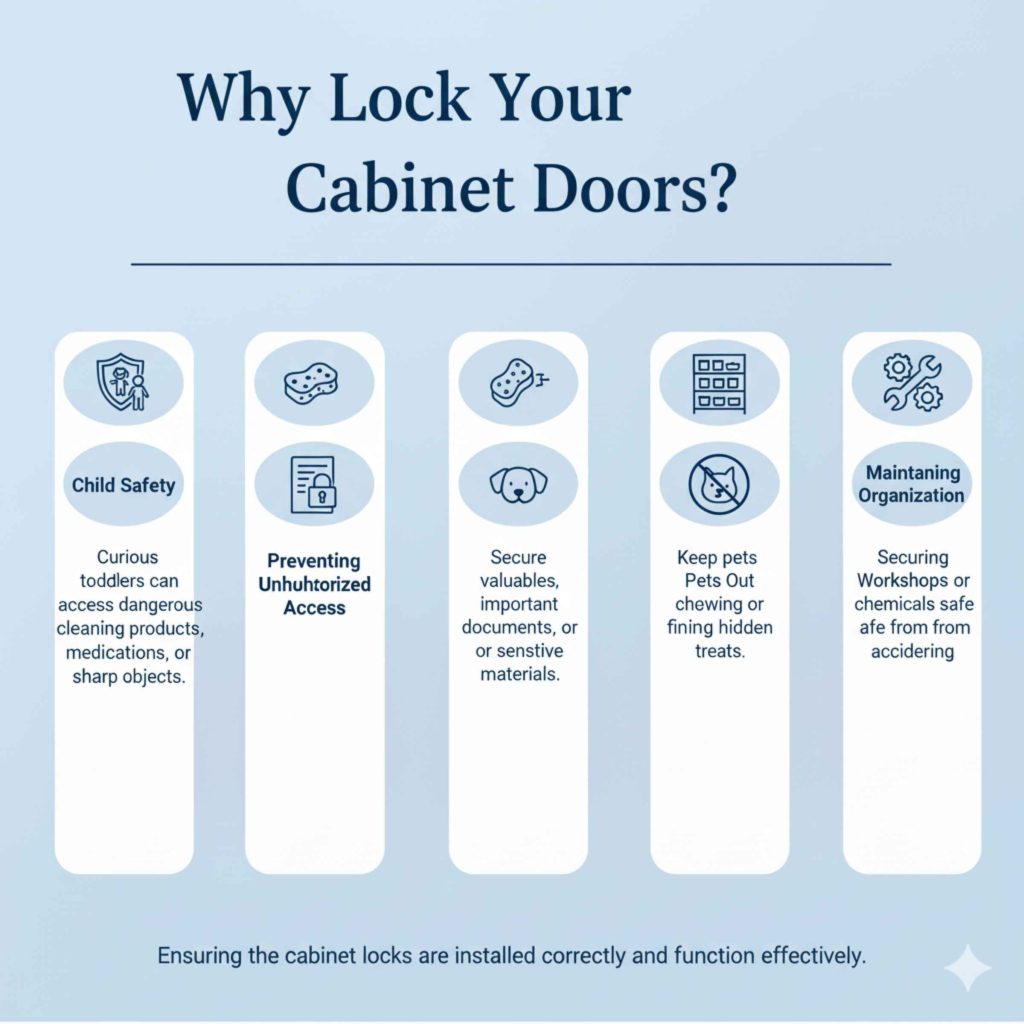
There are many reasons why you might want to lock your cabinet doors. For families with young children, safety is paramount. Curious toddlers can get into anything, and cabinets often hold cleaning products, medications, sharp objects, or breakable items that can be dangerous. Childproofing your cabinets is a crucial step in creating a safe environment for your little ones. Beyond child safety, locking cabinets can also be useful for:
- Preventing unauthorized access: If you store valuables, important documents, or sensitive materials at home, locks can provide an extra layer of security.
- Keeping pets out: Some pets are notorious for getting into cabinets, whether it’s to chew on things or find hidden treats. Locks can deter them.
- Maintaining organization: In busy households, locks can help ensure that certain cabinets remain undisturbed, keeping their contents organized and accessible only to authorized individuals.
- Securing workshops or garages: If you have tools or chemicals that need to be kept safe from accidental use, locking cabinets is a smart solution.
No matter your reason, there’s a locking solution that fits your needs and your DIY comfort level. We’ll explore the most popular and effective options.
Understanding Different Types of Cabinet Locks
The world of cabinet locks offers a variety of options, each with its own advantages. Choosing the right one depends on your specific needs, such as the level of security required, the type of cabinet, and whether you want a visible or hidden solution. Here’s a breakdown of common types:
1. Adhesive and Magnetic Cabinet Locks
These are incredibly popular for childproofing because they are easy to install and don’t require drilling or permanent modifications to your cabinets. They are also great for renters.
How they work:
Magnetic locks consist of two parts: a magnetic “key” (usually a strong magnet) and a locking mechanism that attaches to the inside of the cabinet door and frame. When the door is closed, the lock engages. To open, you simply hold the magnetic key against the outside of the cabinet door where the lock is positioned. The magnet disengages the latch, allowing the door to open. Adhesive locks work similarly but use a strong adhesive to secure the latch and strike to the cabinet. Some adhesive locks are purely mechanical, while others are magnetic.
Pros:
- Easy Installation: No tools or drilling required; often uses strong adhesive.
- Hidden Security: Locks are installed on the inside, so they are invisible from the outside.
- Childproof: Very effective at keeping curious toddlers out.
- Damage-Free: Ideal for renters or those who don’t want to alter their cabinets permanently.
- Quick Access: Magnetic keys allow for fast opening when needed.
Cons:
- Relies on Adhesive: Adhesive strength can weaken over time or with extreme temperatures.
- Key Management: You need to keep track of the magnetic key; if lost, access can be difficult.
- Not for High Security: Not designed to prevent determined adult access.
- Cabinet Thickness Limitations: May not work on very thick doors or frames.
2. Slide Latches and Barrel Bolts
These are more traditional and visible locking mechanisms. They are simple to operate and can provide a basic level of security.
How they work:
A slide latch involves a bolt that slides into a receiver or staple. A barrel bolt is similar, with a cylindrical bolt that slides into a housing. They are typically mounted on the surface of the cabinet door and frame, requiring screws for installation.
Pros:
- Simple Operation: Easy to slide open and closed.
- Visible Deterrent: The visible lock can deter casual attempts at opening.
- Relatively Secure: More secure than simple magnetic locks against non-child intruders.
- Durable: Usually made of metal, offering good durability.
Cons:
- Visible: They are not hidden and can affect the aesthetic of your cabinets.
- Requires Drilling: Installation involves screwing into the cabinet, which is a permanent modification.
- Can be Bypassed: A determined individual could potentially pry them open.
- Not Childproof: Many designs are easy for children to operate.
3. Keyed Cabinet Locks (Cam Locks and Puck Locks)
These locks require a key to open and are often used for a higher level of security or for specific purposes, like locking filing cabinets or display cases.
How they work:
Cam Locks: These are very common. A cam lock has a cylinder that accepts a key. When the key is turned, a cam (a small metal arm) rotates behind the cabinet frame or door, preventing it from opening. They are typically installed in a pre-drilled hole.
Puck Locks: These are usually surface-mounted and have a rotating disc mechanism that locks into a strike plate. They are often seen on cabinets in offices or workshops.
Pros:
- Good Security: Offer a higher level of security than non-keyed options.
- Keyed Access: Only authorized individuals with keys can open them.
- Professional Look: Can provide a clean, finished appearance, especially cam locks.
- Durable: Typically made of metal and designed for longevity.
Cons:
- Requires Drilling: Installation usually involves drilling holes.
- Key Management: Keys can be lost, and replacements might be difficult or impossible to obtain for some types.
- More Complex Installation: May require precise alignment and measurement.
- Not Ideal for Young Children: While secure, they aren’t specifically designed as childproof deterrents in the same way as magnetic locks.
4. Wrist Strap or Strap Locks
These are a simpler, often temporary, solution that uses a strap to hold cabinet doors closed.
How they work:
These typically involve a strap that loops around cabinet knobs or handles and secures with a buckle, Velcro, or a simple latch. Some are adhesive-based, attaching directly to the cabinet and door.
Pros:
- Very Easy to Use: Quick to attach and detach.
- No Permanent Changes: Usually no drilling required.
- Affordable: Generally inexpensive.
- Flexible: Can be used on various types of cabinets and knobs.
Cons:
- Limited Security: Not very secure against determined individuals.
- Visible: Can detract from the cabinet’s appearance.
- Durability Varies: Strap material and fasteners can wear out.
- Can be Opened by Older Children: Some designs are not difficult for older kids to figure out.
5. Push-to-Open Latches
These are mechanical latches that allow cabinets to be opened with a gentle push and closed by simply pushing the door shut. They are often used in conjunction with cabinet doors that have no visible hardware.
How they work:
A plunger mechanism is mounted inside the cabinet. When the door is closed, the plunger is depressed. To open, you push the door, which releases the plunger and allows the door to swing open. They are often used with soft-close hinges.
Pros:
- Invisible: Completely hidden when the door is closed.
- Sleek Look: Ideal for minimalist or modern cabinet designs.
- Easy Operation: Simple push to open, push to close.
Cons:
- Requires Drilling: Installation involves mounting the mechanism and strike plate inside the cabinet.
- Not Childproof: Children can easily operate them.
- Not a Lock: They don’t prevent access; they just provide a way to keep doors closed without handles.
How to Install Magnetic and Adhesive Cabinet Locks (The Easiest Method!)
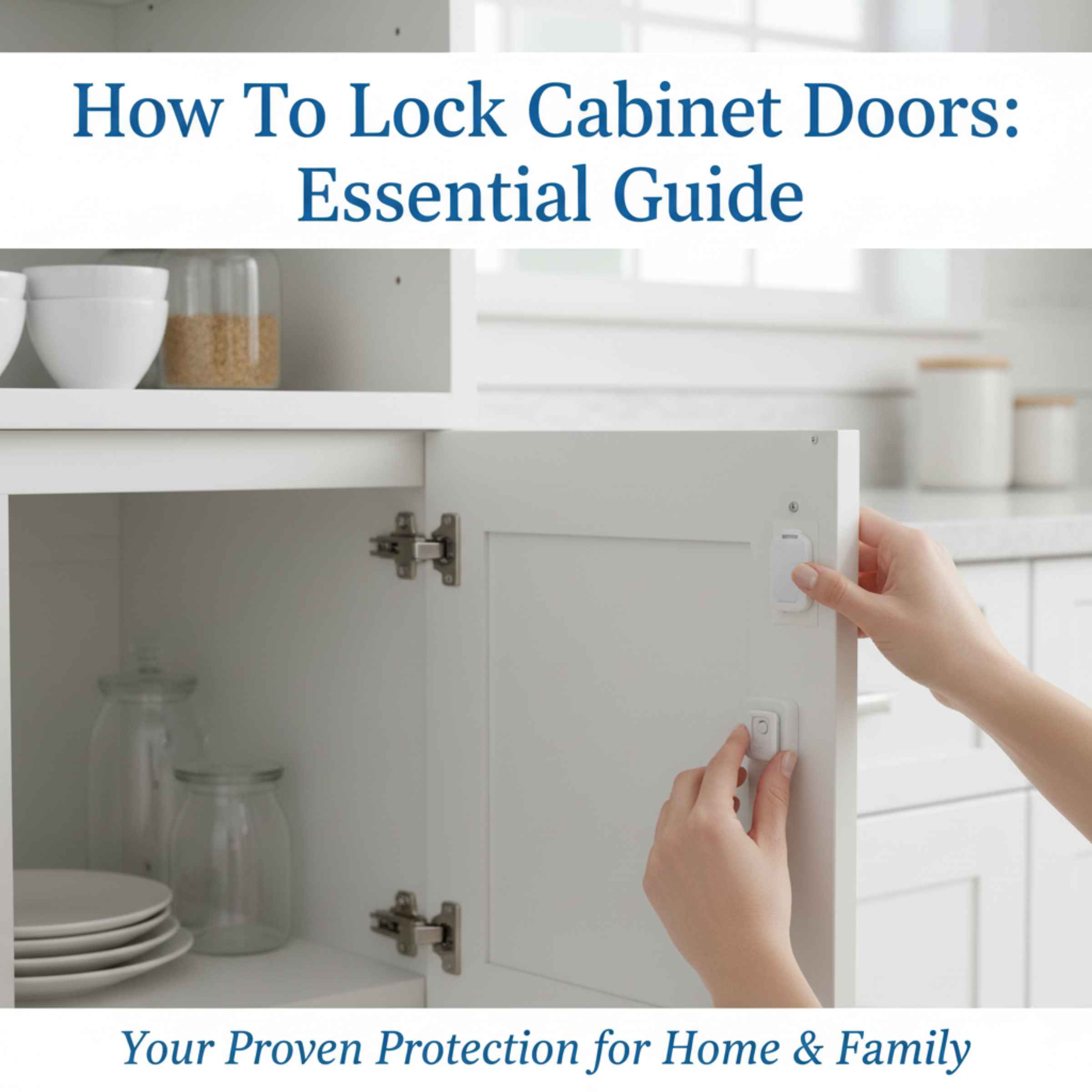
Magnetic and adhesive cabinet locks are a fantastic starting point for anyone looking to add security without the hassle of tools. They are perfect for childproofing and offer a clean look. Here’s how to install them:
Tools You’ll Need:
- Your chosen magnetic/adhesive lock kit (includes lock mechanisms, strike plates, and sometimes a template)
- Rubbing alcohol or a degreaser
- A clean cloth
- Measuring tape (optional, but helpful for precision)
- A pencil (optional, for marking)
Step-by-Step Installation:
- Clean the Surfaces: Thoroughly clean the inside of the cabinet door and the corresponding part of the cabinet frame where the lock and strike plate will be attached. Use rubbing alcohol or a degreaser to remove any dust, grease, or grime. This ensures the adhesive sticks properly. Allow the surfaces to dry completely.
- Position the Strike Plate: With the cabinet door open, decide where you want the strike plate to be on the inside of the door. Most kits come with a template or clear instructions. The goal is for the strike plate to align perfectly with the lock mechanism when the door is closed.
- Attach the Strike Plate: Peel off the backing from the adhesive on the strike plate. Firmly press it onto the inside of the cabinet door in your desired position. Hold it in place for about 30 seconds to ensure a strong bond.
- Position the Lock Mechanism: Close the cabinet door. Hold the lock mechanism against the inside of the cabinet frame, aligning it so that when the door is closed, it will engage with the strike plate. Some kits have a small gap that the strike plate should sit in.
- Attach the Lock Mechanism: Peel off the adhesive backing from the lock mechanism. Press it firmly against the cabinet frame. Hold it for about 30 seconds.
- Test the Lock: Open the cabinet door. You should hear or feel a click as the lock disengages from the strike plate. Close the door. You might hear or feel it click into place. Use the magnetic key to test opening the door. It should open smoothly when the key is held over the lock location.
- Adjust if Necessary: If the lock doesn’t engage properly, or the door doesn’t close flush, you may need to reposition the lock mechanism or the strike plate. Carefully peel them off (this might require a bit of gentle prying with a thin tool) and try again, ensuring precise alignment.
Pro Tip: For extra security, some users add a small screw through the lock mechanism or strike plate into the cabinet. However, this will create a permanent hole and is not recommended if you need damage-free installation.
How to Install Slide Latches and Barrel Bolts
Slide latches and barrel bolts are straightforward to install and provide a visible, simple locking mechanism.
Tools You’ll Need:
- Your chosen slide latch or barrel bolt kit
- Drill with appropriate drill bits (for pilot holes)
- Screwdriver (matching your screw type)
- Measuring tape
- Pencil
- Optional: Level
Step-by-Step Installation:
- Determine Placement: Decide where you want the latch to be. For a cabinet door, you’ll typically mount the bolt on the door and the receiver/staple on the frame, or vice versa, depending on the design. Ensure the bolt will slide smoothly into its housing when the door is closed.
- Mark Screw Holes: Hold the bolt mechanism in place on the door (or frame) and mark the screw hole locations with a pencil. If using a barrel bolt, hold the bolt itself against the surface and mark where the bolt will extend to.
- Drill Pilot Holes: Using a drill bit slightly smaller than your screws, drill pilot holes at the marked locations. This prevents the wood from splitting and makes driving the screws easier.
- Attach the Bolt Mechanism: Align the bolt mechanism over the pilot holes and secure it using the provided screws and your screwdriver.
- Mark Receiver/Staple Placement: Close the cabinet door. Align the receiver or staple so that the bolt will slide into it correctly. Mark the screw hole locations for the receiver/staple on the frame (or door).
- Drill Pilot Holes for Receiver: Drill pilot holes for the receiver/staple.
- Attach the Receiver/Staple: Secure the receiver or staple with screws.
- Test the Latch: Open and close the cabinet door several times, sliding the bolt back and forth to ensure it operates smoothly and securely engages.
How to Install Keyed Cabinet Locks (Cam Locks)
Cam locks offer a more secure, discreet locking solution. They are often used on office furniture, filing cabinets, or display cases but can be adapted for kitchen or bathroom cabinets if you want higher security.
Tools You’ll Need:
- Your chosen cam lock set (lock cylinder, cam arm, screws, keys)
- Drill with a spade bit or hole saw of the correct diameter for the lock cylinder
- Drill bit for pilot holes (for the cam arm screw)
- Screwdriver
- Measuring tape
- Pencil
Step-by-Step Installation:
- Mark the Lock Position: Determine where you want the lock on the cabinet door. Usually, this is near the edge, about halfway up. Measure carefully to ensure it’s positioned correctly to engage with the cabinet frame or a strike plate.
- Drill the Lock Hole: Using the spade bit or hole saw matching the diameter of your cam lock cylinder, carefully drill a hole completely through the cabinet door at your marked spot. Ensure the drill is perpendicular to the surface for a clean hole.
- Install the Lock Cylinder: Insert the cam lock cylinder into the hole you just drilled. It should fit snugly. If it’s loose, you might need a slightly larger drill bit or a shim.
- Attach the Cam Arm: Behind the lock cylinder, there’s a shaft. Attach the cam arm to this shaft. The orientation of the cam arm is crucial. It needs to be positioned so that when the lock is unlocked, the arm is out of the way, and when locked, it extends to secure the door. Often, the cam arm will rest against the cabinet frame or a specific strike plate. Some cam locks have a nut that tightens to hold the cylinder in place; others have a screw.
- Mark Cam Arm Engagement Point: Close the cabinet door. With the cam lock unlocked, position the cam arm so it will engage with the cabinet frame or a pre-installed strike plate when you turn the key. Mark where the tip of the cam arm touches the frame or where a screw for the strike plate should go.
- Install Strike Plate (if needed): If your lock requires a separate strike plate on the frame, drill pilot holes at your marked spot and screw the strike plate into place.
- Finalize Cam Arm Position: Ensure the cam arm is correctly positioned and secured. If there’s a screw that holds the cam arm to the cylinder, tighten it now.
- Test the Lock: Insert the key and turn it to lock and unlock. Check that the cam arm engages properly and that the door cannot be opened when locked. Ensure the cam arm doesn’t obstruct the door from closing fully when unlocked.
For more detailed information on lock mechanisms and installation, you can refer to resources like Popular Mechanics’ guide on installing cam locks.
Choosing the Right Lock for Your Needs
With so many options, how do you pick the best lock for your cabinets? Consider these factors:
Security Level Required
- Childproofing: Magnetic, adhesive, or strap locks are excellent.
- Preventing Pet Access: Stronger adhesive locks, slide latches, or even basic keyed locks can work.
- Securing Valuables/Documents: Keyed cam locks or puck locks are best.
- General Organization: Simple slide latches or even strong adhesive magnetic locks can suffice.
Cabinet Type and Material
- Frameless Cabinets: Often require locks that mount directly to the door and frame edges. Magnetic and adhesive locks work well here.
- Face-Frame Cabinets: Have a solid wood frame around the door opening. This provides a good surface for mounting latches and bolts.
- Glass-Front Cabinets: You’ll need locks that attach to the inside or specific glass-door locks designed for this purpose.
- Material: For solid wood, most locks are fine. For veneer or particleboard, be cautious with drilling, as it can be less forgiving. Adhesive options are great for these.
Aesthetics and Visibility
- Hidden: Magnetic, adhesive, and push-to-open latches are invisible from the outside.
- Visible: Slide latches, barrel bolts, and some keyed locks are seen on the cabinet surface.
Ease of Installation and Use
- No Tools: Magnetic and adhesive locks.
- Basic Tools: Slide latches, barrel bolts, strap locks.
- Power Tools: Keyed locks like cam locks often require drilling.
Budget
Prices can range from a few dollars for basic strap locks to $20-$50 or more for high-security keyed locks or premium magnetic sets.
Here’s a quick comparison table:
| Lock Type | Primary Use | Installation Ease | Visibility | Security Level | Cost (Est.) |
|---|---|---|---|---|---|
| Magnetic/Adhesive | Childproofing, temporary security | Very Easy (No tools) | Hidden | Low to Medium | $10 – $30 (for a multi-pack) |
| Slide Latch/Barrel Bolt | Basic security, organization | Easy (Screwdriver) | Visible | Medium | $5 – $15 each |
| Keyed (Cam/Puck) | Higher security, controlled access | Moderate (Drill required) | Hidden (Cam) or Visible (Puck) | Medium to High | $10 – $25 each |
| Strap Locks | Temporary childproofing, travel | Very Easy (No tools) | Visible | Low | $5 – $10 each |
| Push-to-Open | Hardware-free doors, organization | Moderate (Drill required) | Hidden | None (just keeps doors closed) | $5 – $15 each |
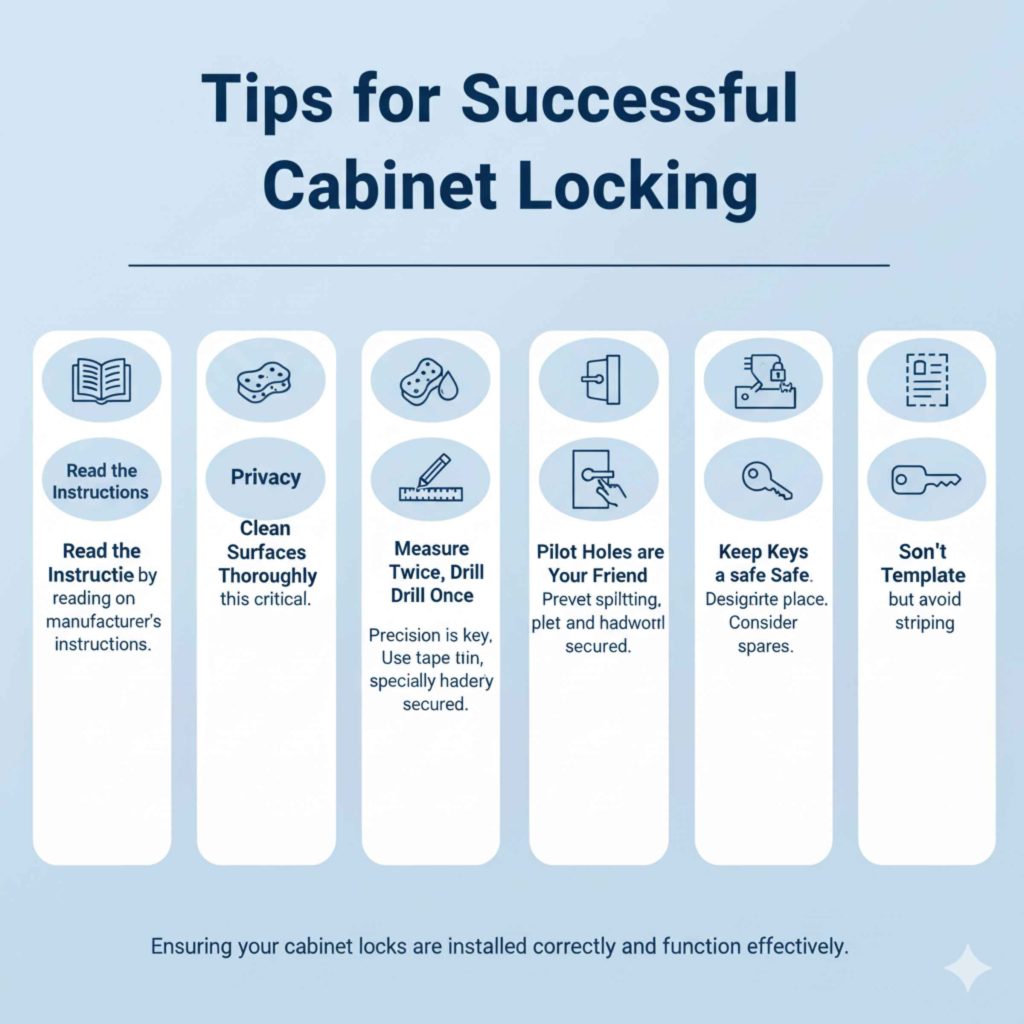
Tips for Successful Cabinet Locking
No matter which type of lock you choose, a few tips can help ensure your project goes smoothly and the locks function effectively:
- Read the Instructions: Always start by reading the manufacturer’s instructions. They are tailored to the specific lock you purchased and will offer the best guidance.
- Clean Surfaces Thoroughly: For adhesive locks, this is critical. Even for screw-mounted locks, a clean surface for marking and drilling prevents issues.
- Measure Twice, Drill Once: Precision is key, especially for keyed locks where alignment is vital. Use a measuring tape and pencil to mark your spots accurately.
- Pilot Holes are Your Friend: Always drill pilot holes for screws, especially in hardwood or when working near the edges of cabinet panels. This prevents splitting. You can find great resources on pilot hole sizing from sites like This Old House.
- Test Thoroughly: After installation, test the lock multiple times. Open and close the door, engage and disengage the lock. Ensure it works smoothly and doesn’t bind or prevent the door from closing properly.
- Keep Keys Safe: If you use keyed locks, designate a safe place for your keys. Consider buying locks that come with a few spare keys.
- Consider a Template: Some lock kits come with paper templates to help with alignment and marking, which can be incredibly useful.
- Don’t Overtighten: When screwing in latches or bolts, tighten them securely but avoid overtightening, which can strip the screw holes or damage the cabinet material.
- Regular Maintenance: For adhesive locks, check the bond periodically. For keyed locks, ensure the mechanism remains smooth. A tiny drop of lubricant might help if a lock feels stiff.
Frequently Asked Questions (FAQ)
Q1: Are magnetic cabinet locks really effective for childproofing?
Yes, magnetic cabinet locks are highly effective for childproofing. Their mechanism is generally too complex for toddlers to figure out, and the strong magnet is required to disengage them, which young children typically cannot do. They are a popular and safe choice for keeping little ones out of cabinets.
Q2: Can I install cabinet locks on glass doors?
Yes, but you need specialized locks. Some magnetic or adhesive locks can work if they attach to the frame and door edge. For full glass doors, look for locks designed specifically for glass, which might use strong adhesives or clamp onto the glass edge without drilling.
Q3: How do I remove adhesive cabinet locks without damaging my cabinets?
For adhesive locks, gently try to lift an edge with a thin, flat tool like a putty knife or a credit card. Once you get an edge up, you can often peel the rest off slowly. If adhesive residue remains, use a product like Goo Gone or rubbing alcohol to gently remove it. Be patient, and avoid forcing it, which could damage the cabinet finish.
Q4: What if I lose the key to my cam lock?
If you lose the key to a cam lock, your options depend on the lock type and how it’s installed. For some common furniture locks, you might be able to find replacement keys online by matching the lock number. If not, you may need to drill out the lock cylinder to remove it, which will damage the lock but allow you to access the cabinet. For high-security locks, professional locksmith services might be an option.
Q5: Do I need to drill holes for all cabinet locks?
No, not all cabinet locks require drilling. Magnetic and adhesive locks are designed for tool-free installation. Strap locks also typically don’t require drilling. However, more traditional locks like slide latches, barrel bolts, and keyed cam locks usually involve drilling pilot holes for screws or for the lock cylinder itself.
Q6: How can I make sure the lock is strong enough for my needs?
Consider who or what you are trying to keep out. For young children, most basic childproofing locks are sufficient. If you are concerned about preventing access to valuable items, opt for keyed locks or robust latches. Read product reviews and descriptions carefully to understand the intended security level of the lock you are considering.
Conclusion
Securing your cabinet doors doesn’t have to be a daunting task. Whether you’re a parent aiming to create a safer home for your children, an individual looking to protect valuables, or simply someone who appreciates a well-organized space, there’s a perfect locking solution out there for you. From the quick and easy adhesive magnetic locks that require no tools to the more robust keyed cam locks that offer enhanced security, we’ve covered the essential methods and considerations.
By understanding the different types of locks available and following the straightforward installation steps, you can confidently tackle this project yourself. Remember to choose the lock that best fits your security needs, cabinet style, and DIY comfort level. With a little effort and the right guidance, you can enjoy peace of mind knowing your cabinets are securely locked. Happy securing!