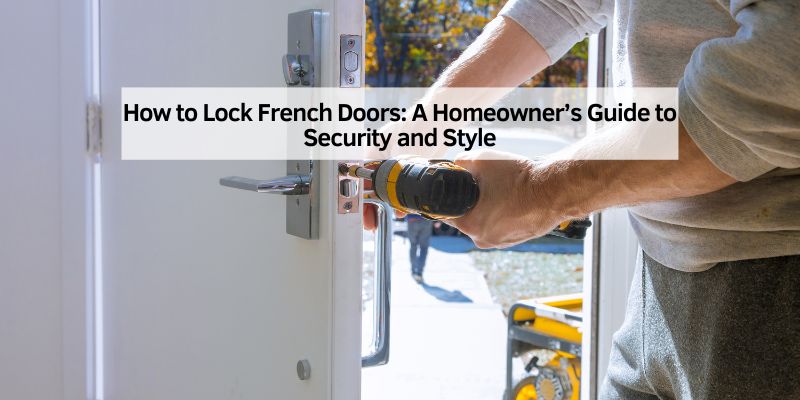
How to Lock French Doors: A Homeowner’s Guide to Security and Style
Hey there, friend! So, you’re wondering how to lock French doors? I’m so glad you’re here because those gorgeous double doors can be a bit tricky to secure, but once you know how, it’s a breeze. I remember when I installed French doors in my patio—those glass panels looked stunning, but I was nervous about keeping them safe. After trying different locks, making a few mistakes, and learning what works best, I’ve got the process down pat.
Whether you’re locking your French doors for better security, upgrading old hardware, or just curious about your options, I’ve got you covered. Let’s sit down together, like we’re chatting over coffee in your kitchen, and I’ll walk you through every step to lock those doors tight while keeping their charm. This guide is packed with easy tips and practical solutions for anyone in the USA looking to protect their home. Ready to make your French doors both secure and stylish? Let’s get started!
Why Locking French Doors Matters
French doors are a beautiful addition to any home. Their glass panels let in light and make spaces feel open. But those same features can make them a target for break-ins if not locked properly. I learned this when a neighbor had their patio French doors forced open—it was a wake-up call to secure mine. Locking French doors keeps your home safe, protects your family, and gives you peace of mind.
Unlike single doors, French doors have two panels, with one usually active (the one you open) and one passive (the fixed one). Both need to be secured to prevent gaps or weak points. I found that without the right locks, my doors rattled in the wind, which wasn’t just annoying—it felt unsafe. The right locking system makes your doors sturdy and secure.
Types of French Door Locks
Before we dive into locking methods, let’s talk about the lock options. I tried a few types before finding what worked for my home. Here’s what’s out there:
- Deadbolts: Strong locks that bolt into the frame. Single-cylinder (key outside, thumb-turn inside) or double-cylinder (key on both sides) locks are common.
- Flush Bolts: Bolts on the passive door that slide into the top or bottom frame to keep it fixed.
- Surface Bolts: Similar to flush bolts but mounted on the door’s surface, often decorative.
- Multi-Point Locks: Locks that secure the door at multiple points (top, middle, bottom) for extra strength.
- Sliding Bolts or Barrel Bolts: Simple bolts that slide into a strike plate on the frame or second door.
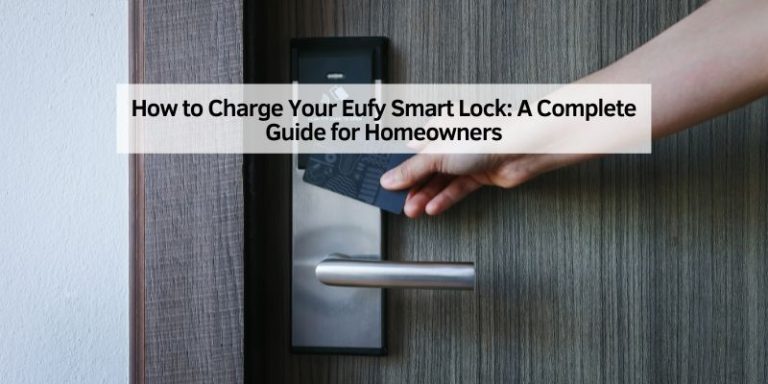
- Keyless Smart Locks: Electronic locks with codes or app control for modern convenience.
I started with a basic deadbolt but added flush bolts for my passive door to make it rock-solid. Each lock type has pros and cons, so let’s explore how to use them.
Tools and Materials You’ll Need
To lock your French doors, you’ll need some tools and supplies. I learned to keep everything ready to avoid mid-project trips to the store. Here’s what I use:
- Deadbolt Lock Kit: Includes the lock, strike plate, and screws.
- Flush or Surface Bolts: For securing the passive door.
- Screwdriver: Usually Phillips for most lock screws.
- Drill and Drill Bits: For pilot holes or installing new locks.
- Chisel: To recess strike plates or bolts if needed.
- Tape Measure and Pencil: To mark lock positions.
- Level: To ensure the locks are straight.
- Utility Knife: For cleaning up old caulk or paint around frames.
- Safety Glasses: To protect your eyes from dust or shavings.
- Cleaning Cloth: To wipe down the doors.
- Lubricant: Like WD-40, for sticky bolts or locks.
A good deadbolt costs $30-$100, while flush bolts run $10-$25 each. I picked up a smart lock for $150, but you can start simple. Check your door’s thickness (usually 1-3/4 inches) to ensure the locks fit.
Assessing Your French Doors
Before installing locks, take a look at your doors. I skipped this once and bought a lock that didn’t fit my setup—frustrating! Here’s how I check now:
Open both doors and inspect the active and passive panels. The active door usually has a handle and latch, while the passive door stays fixed until needed. Check for existing locks—mine had a weak latch but no deadbolt. Look for gaps between the doors or the frame when closed. I noticed my doors had a slight gap where they met, letting air and potential intruders in.
Measure the door thickness and frame width to ensure new locks will fit. Check the frame material—wood, metal, or vinyl—as it affects installation. My wood frame was easy to drill, but metal frames need special bits. Close the doors and see if they align properly. Misaligned doors make locking harder, so note any issues.
How to Lock French Doors Step by Step
Let’s get to locking those doors. I’ll walk you through installing a deadbolt on the active door and flush bolts on the passive door—the combo I use for solid security. Here’s the process:
Step 1: Install a Deadbolt on the Active Door
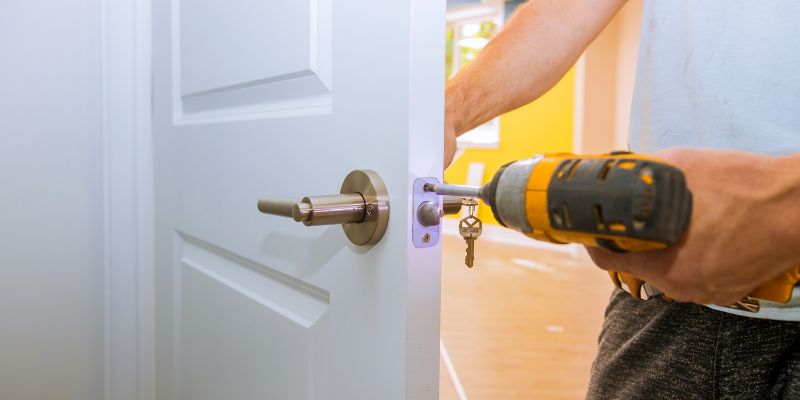
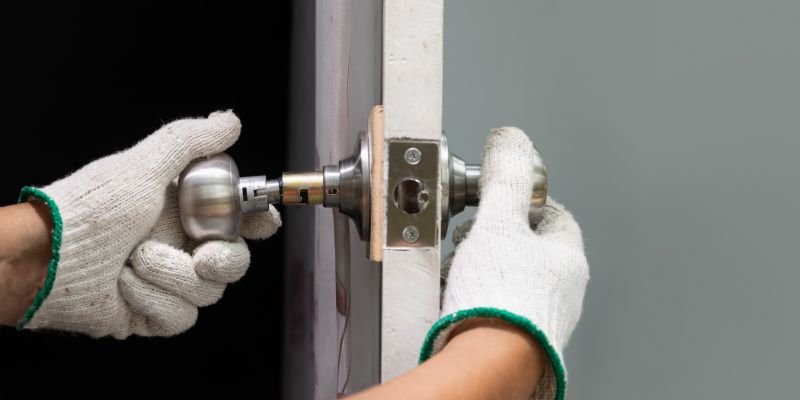
A deadbolt is your main defense. I chose a single-cylinder deadbolt for convenience. Here’s how I install it:
- Mark the Position: Measure 40-44 inches from the floor for the deadbolt (standard height). Use the lock’s template to mark the cylinder and bolt holes. I taped the template to the door for accuracy.
- Drill the Holes: Use a 2-1/8-inch hole saw for the cylinder and a 1-inch spade bit for the bolt hole on the door’s edge. Drill slowly to avoid splintering. I held the drill steady to keep the holes clean.
- Install the Bolt: Slide the bolt into the edge hole and screw it in place. Chisel a recess for the bolt plate if it’s not flush. I had to chisel a bit to make mine sit flat.
- Add the Cylinder: Insert the deadbolt cylinder through the hole, aligning it with the bolt. Attach the interior thumb-turn and screw them together. I tested the key and thumb-turn to ensure smooth operation.
- Install the Strike Plate: Mark where the bolt hits the frame, drill a hole, and screw in the strike plate. I reinforced mine with longer screws for extra strength.
Test the deadbolt by locking and unlocking it. My first one was stiff until I adjusted the strike plate slightly.
Step 2: Secure the Passive Door with Flush Bolts
Flush bolts keep the passive door fixed. I added two—one at the top and one at the bottom—for stability. Here’s how:
- Mark Bolt Positions: On the passive door’s top and bottom edges, mark where the bolts will slide into the frame or sill. I measured 2 inches from the edge for a clean look.
- Drill Bolt Holes: Use a 1/2-inch bit to drill holes deep enough for the bolts (about 1 inch). Drill matching holes in the frame or sill. I used a level to keep them straight.
- Install the Bolts: Slide each bolt into its hole and screw the guide plate to the door’s edge. Ensure the bolt slides smoothly. I lubricated mine with WD-40 for easy movement.
- Add Strike Plates: Screw small strike plates into the frame or sill where the bolts enter. I tested the bolts to make sure they locked securely.
Close both doors and engage the bolts. My passive door felt solid once the bolts were in place.
Step 3: Test the Locking System
Lock the deadbolt and slide the flush bolts into place. Open and close the doors to check alignment and security. I found my doors rattled until I tightened the bolt screws. If the deadbolt doesn’t catch, adjust the strike plate. If the bolts are stiff, lubricate or realign them.
Step 4: Consider Additional Locks
For extra security, I added a surface bolt to the active door’s interior side. It’s a decorative sliding bolt that locks into the passive door. Installation is simple—screw it to the door and add a strike plate. I also considered a multi-point lock, but stuck with bolts for cost. Smart locks are another option if you want keyless entry.
Enhancing Security with Add-Ons
Locks are great, but extra measures make French doors even safer. I added these to my setup:
- Security Film: A clear film on the glass makes it harder to break. I applied it for $20, and it’s barely noticeable.
- Door Bar or Stopper: A bar that wedges against the floor stops the door from opening. I use one at night for peace of mind.
- Reinforced Strike Plates: Longer screws and heavy-duty plates make deadbolts stronger. I upgraded mine for $10.
- Motion-Sensor Lights: Outside lights deter intruders. I installed one above my patio for $30.
These add-ons made my French doors feel like a fortress without losing their beauty.
Avoiding Common Mistakes
I’ve made some goofs, so let me save you trouble. Here’s what to avoid:
- Wrong Lock Size: Measure your door thickness before buying. I got a deadbolt that was too short once.
- Misaligned Holes: Use a template and level. My first deadbolt hole was off, and I had to patch it.
- Loose Screws: Tighten screws snugly but don’t strip them. I stripped one and had to use a bigger screw.
- Skipping the Passive Door: Locking only the active door leaves the other vulnerable. I added bolts to fix this.
- Poor Maintenance: Sticky locks are harder to use. I lubricate mine yearly.
Maintaining Your French Door Locks
Regular care keeps your locks working smoothly. I check my deadbolt and bolts every few months for looseness—tighten screws if needed. Spray lubricant into the deadbolt keyhole and bolt slides if they’re stiff. Clean the doors with mild soap and water to remove dirt around the locks. My patio doors get dusty, so I wipe them monthly.
For exterior French doors, check weatherstripping to prevent drafts or water leaks. I replaced mine last year, and it improved the seal. Test your locks regularly to catch issues early—my deadbolt stuck once, but a quick clean fixed it.
Choosing the Right Locks for Your French Doors
Not all locks suit every French door. I went with a Schlage deadbolt for reliability and flush bolts for simplicity. Single-cylinder deadbolts are great for most homes, but double-cylinder ones add security if your doors have large glass panels. Be aware that double-cylinder locks need a key inside, which can slow you down in an emergency. Smart locks are pricier but convenient—I’m considering one for my next upgrade.
Match the lock finish to your door hardware—nickel, bronze, or black—for a cohesive look. I chose bronze to match my handles, and it looks elegant. Prices range from $30 for basic deadbolts to $200 for smart locks.
Here’s a table comparing lock types:
| Lock Type | Features | Price Range | Best For |
|---|---|---|---|
| Deadbolt | Strong, single or double | $30-$100 | Main security, active door |
| Flush Bolts | Secures passive door | $10-$25 each | Passive door stability |
| Surface Bolts | Decorative, easy to install | $15-$40 | Extra security, style |
| Multi-Point Lock | Multiple locking points | $100-$300 | High-security needs |
| Smart Lock | Keyless, app-controlled | $150-$250 | Modern convenience |
Troubleshooting Lock Issues
If your locks don’t work right, don’t panic. I had a deadbolt that wouldn’t catch because the strike plate was misaligned. Adjust it by loosening the screws and shifting it slightly. If bolts are hard to slide, lubricate or check for debris. If the doors don’t align, tighten hinges or adjust the frame. I fixed a sagging door by tightening hinge screws, and it locked perfectly.
For major issues, like a damaged frame, call a locksmith. I hired one once for a warped frame, but most lock problems are DIY-friendly.
Why Secure French Doors Yourself?
Locking French doors yourself saves money and boosts confidence. I avoided a $150 locksmith bill and felt proud every time I locked my patio doors. It’s a project that takes 1-2 hours and makes your home safer and more stylish. Plus, it’s a skill you can use for other doors or hardware upgrades.
Wrapping It Up with Security and Style
Friend, you’re now ready to lock your French doors like a pro! From installing a sturdy deadbolt to securing the passive door with flush bolts, you’ve got all the steps to keep your home safe and beautiful. I remember how worried I was about my French doors at first, but with these tips, you’ll breeze through it. Grab your tools, take it slow, and enjoy the process. There’s nothing like the peace of mind that comes with knowing your doors are secure, all thanks to your hard work. So, go lock those French doors, and let me know how it feels to make your home a fortress—I’m cheering you on!
FAQ: Your Questions Answered
What’s the best lock for French doors?
A deadbolt for the active door and flush bolts for the passive door are a great combo for security.
Do I need to lock both French doors?
Yes, secure the passive door with bolts to prevent gaps or break-ins.
Can I install a smart lock on French doors?
Absolutely, if it fits your door’s thickness. They’re great for keyless entry.
How long does it take to lock French doors?
About 1-2 hours to install a deadbolt and bolts, depending on your experience.
What if my French doors don’t align properly?
Tighten hinges or adjust the frame. Misalignment can make locking harder.
Are double-cylinder deadbolts safe for French doors?
They’re secure but need a key inside, which can slow you down in emergencies.
How do I maintain my French door locks?
Lubricate bolts and deadbolts yearly, tighten screws, and clean the doors regularly.