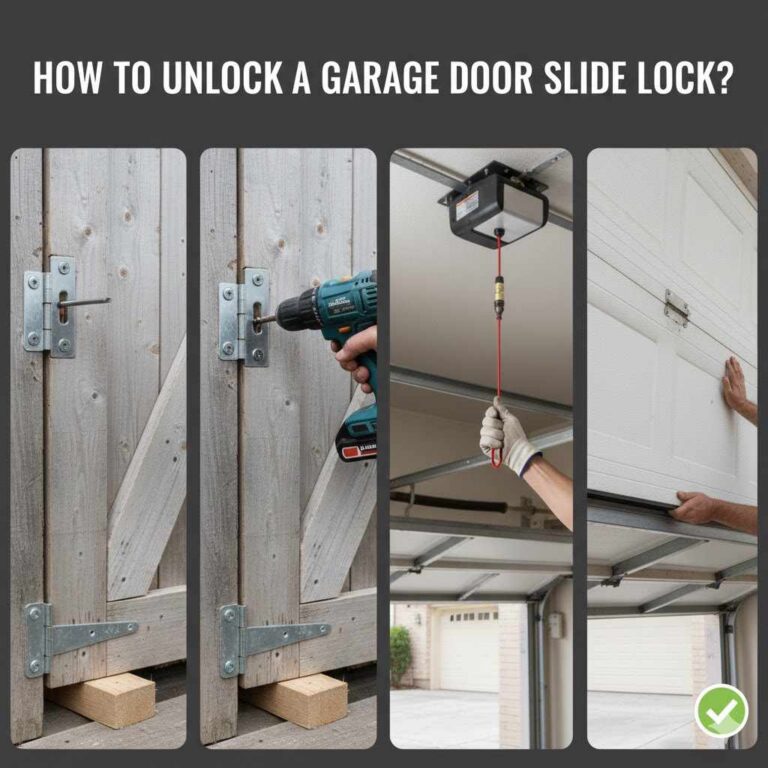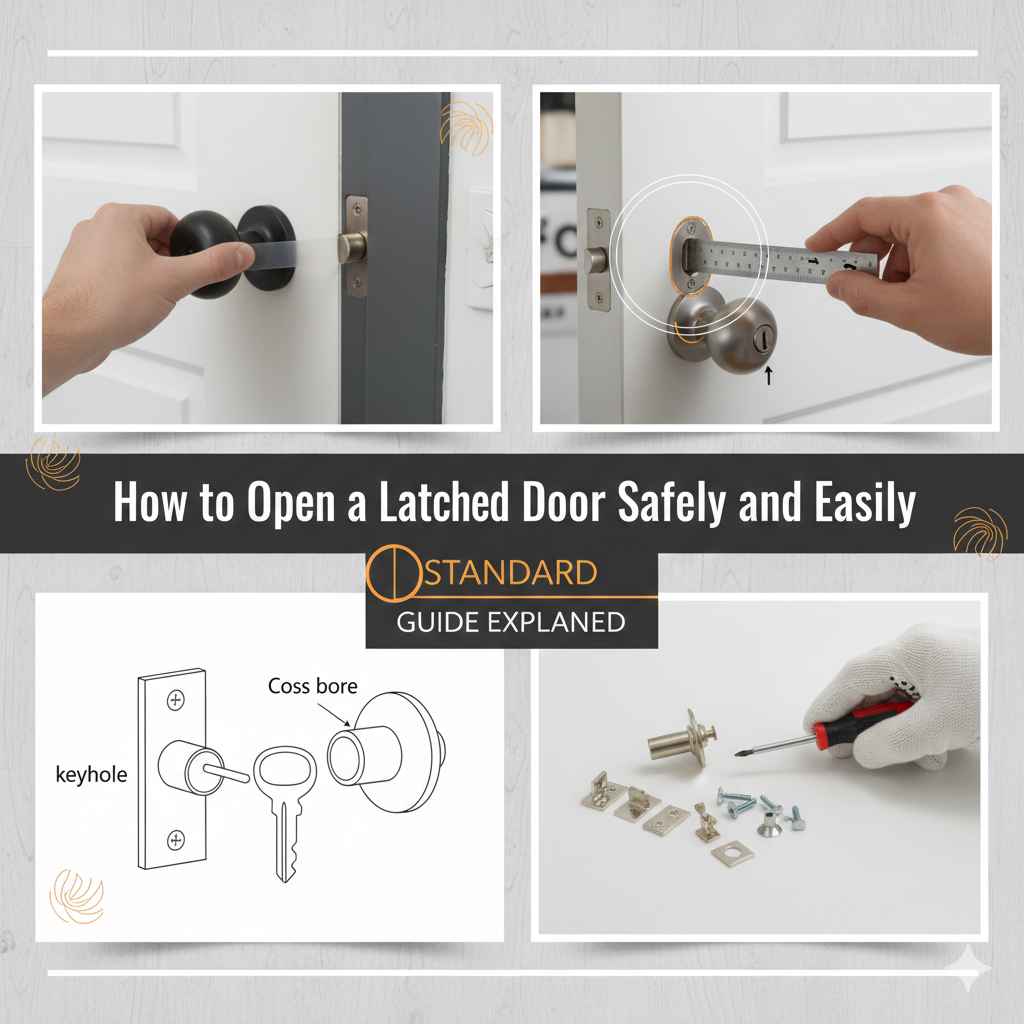
How to Open a Latched Door Safely and Easily
Before you try opening a door, it’s good to know its parts. This is very important. It’s like learning the parts of a car before driving it. It helps you open the door better and makes it easier if something goes wrong. This section focuses on the basic components you will need to open a latched door safely and easily. This will give you a clearer picture of what you’re working with, making the whole process less confusing.
The Door and Its Frame
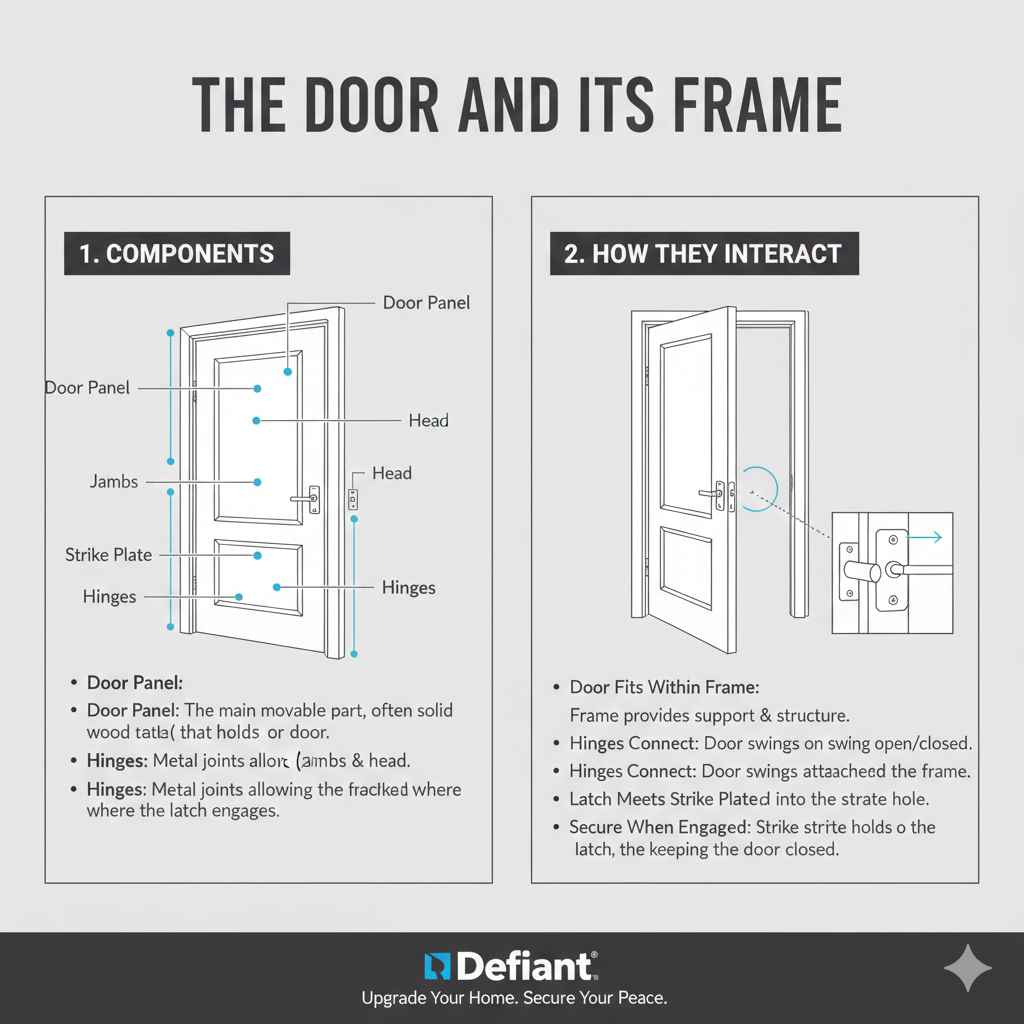
The door itself is usually made of wood, metal, or a composite material. The door frame is the structure around the door that holds it in place. The frame often includes the jambs (the vertical sides) and the head (the top part). Knowing about these helps you see how the door fits in its place. These parts are very important when opening a latched door. Understanding this framework makes opening the door easier and safer.
Door Panel: This is the main part of the door that you push or pull to open. It’s often solid, but it can have glass panels or decorative features. The door panel is the part you directly interact with when you want to get into a room.
Door Frame: The door frame is the stationary part that holds the door. It consists of the jambs (the vertical sides) and the head (the top). The frame provides structure and support for the door. The door fits within this structure.
Hinges: Hinges are metal joints that connect the door to the frame, allowing it to swing open and closed. They are usually attached to the door and the frame. Hinges play a vital role in door operation.
Strike Plate: The strike plate is a metal plate on the door frame. The latch, when extended, goes into a hole in the strike plate to keep the door closed. The strike plate is crucial for the locking mechanism.
Key Hardware Components
The hardware is made up of all the pieces that allow the door to function. This includes the doorknob or handle, the latch, and the strike plate. Knowing these pieces makes opening doors much easier. This knowledge is especially helpful if there is a problem. You can then identify what’s not working correctly and take steps to fix it.
Doorknob or Handle: This is what you grip to pull or push the door open. Many doors have a lever handle or a round doorknob. The handle is your primary point of interaction with the door.
Latch: The latch is the part that goes into the strike plate to keep the door shut. When you turn the handle, the latch retracts, allowing you to open the door. The latch is a central part of the locking process.
Strike Plate: The strike plate is the metal piece attached to the door frame. It has a hole that the latch fits into. The strike plate is important to securing the door.
Lock Cylinder (If Applicable): Some doors have a lock cylinder within the handle, where you insert a key. This increases security. The cylinder interacts with the latch to provide security.
Methods to Open a Latched Door
There are different ways to open a latched door, depending on the situation. Some methods are very basic, like simply turning the handle. Others might involve using tools if the latch is jammed. This part will explain several ways to open a latched door. Understanding these methods gives you more options and makes you ready to handle any door-related situation. Learning these methods can turn a potentially frustrating problem into something you can easily solve.
Opening with the Doorknob/Handle
The most straightforward way is just turning the handle and pushing or pulling the door. However, there are times where the handle may be damaged or not work properly. The way the latch works is directly connected to how the handle works. Often, the problems that cause doors to jam up can be fixed pretty easily. This is the simplest method, but it is important to know the parts involved to fix it.
Turning the Handle or Lever: This action pulls the latch back from the strike plate. This frees the door from the frame. The direction you turn it depends on the design.
Pushing or Pulling: After turning the handle, gently push or pull the door in the needed direction. If the door sticks, you might need to adjust your pressure or check for obstructions.
Dealing with Sticky Doors: A door might stick due to changes in humidity or the door being warped. Applying a little force while wiggling the door can help dislodge the latch. The use of lubrication can also help.
Using a Credit Card or Similar Item
When the latch is stuck and you do not have a key, a credit card can be a helpful tool. This method works by sliding the card between the latch and the strike plate. By doing this, you’re trying to push the latch back. However, be aware that this method might not work on all doors and can sometimes damage the door or card. This approach is best for doors that don’t have very secure latches. Knowing this technique gives you another option. It is good to have several possible approaches when dealing with these issues.
Inserting the Card: Slide the card between the door and the frame near the latch. Position the card so that it will engage the latch. The correct placement is important for the card to work.
Angling and Sliding: Angle the card slightly towards the latch. Then, slowly slide it down until you feel resistance. You will have to try different angles to make it work.
Pushing the Latch Back: Apply gentle but firm pressure, pushing the card towards the handle. This should retract the latch, allowing you to open the door. If it does not work, try a different angle.
Dealing with a Jammed Latch
Sometimes, the latch can become jammed due to various problems. This is very common. It might be due to a misalignment of the door or frame. The accumulation of dirt or rust in the latch mechanism might also be causing problems. If the door will not open and these problems exist, you’ll need to use a specific process to fix it. Knowing this helps you manage the problem to open the door. This method is crucial if other methods fail. Being patient and methodical is key.
Checking for Obstructions: First, look for anything blocking the door’s movement, like objects stuck in the frame or misaligned hinges. Examine the door and the frame.
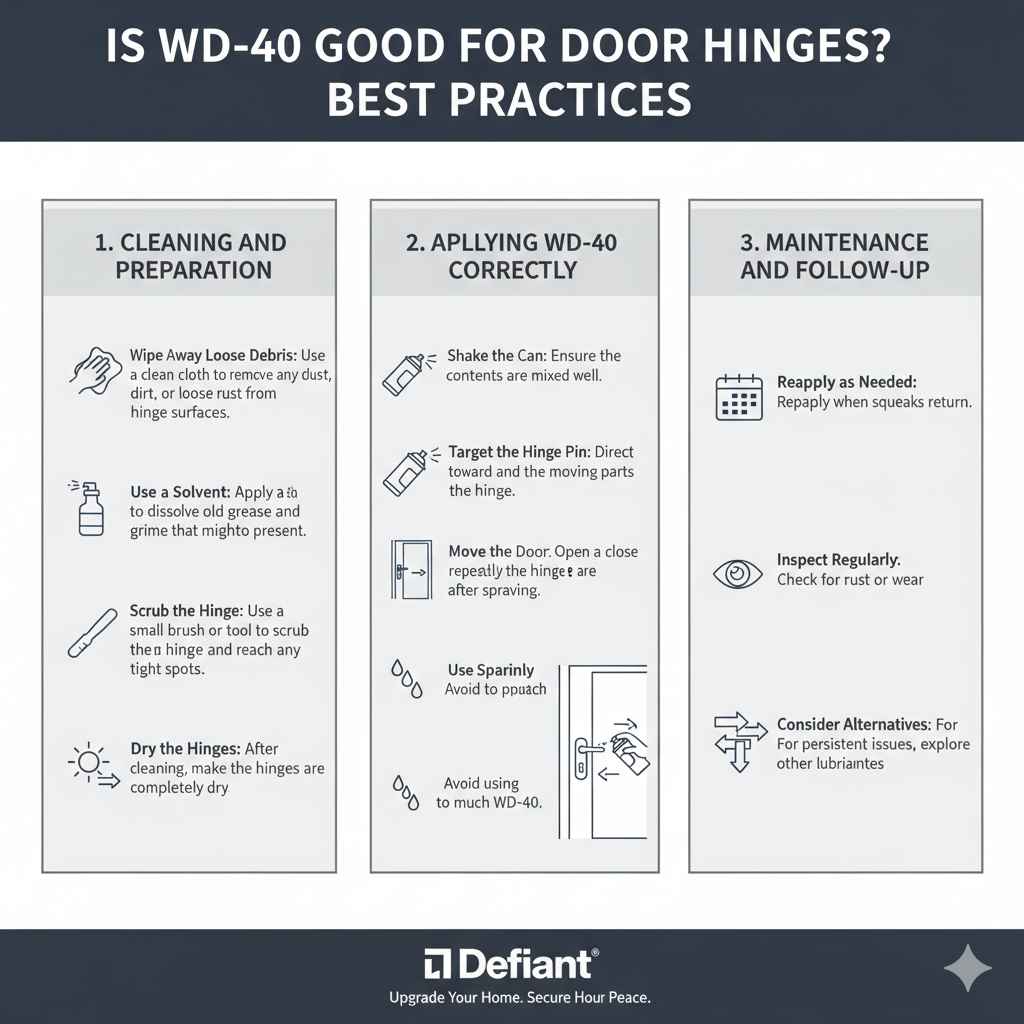
Lubrication: Apply a lubricant like WD-40 or a graphite lubricant into the latch mechanism and the strike plate. This can free up any stuck parts. This will loosen up any dried lubricant or rust.
Wiggling and Applying Pressure: While turning the handle, wiggle the door to try and dislodge the latch. Applying gentle pressure in the correct direction can help. Don’t use too much pressure.
Troubleshooting Common Door Issues
Doors can sometimes present problems. This can include sticking, not closing well, or difficulty locking. Understanding what might go wrong and how to fix it can save you frustration and time. There is a lot to learn in the world of doors. With some basic fixes, you can usually take care of most problems. Learning about these problems can help you do a better job of maintenance. Regular inspection and simple fixes can help prevent larger issues down the line.
Door Sticking and Binding
A door that sticks or binds can be frustrating. This can happen for many reasons, from humidity to wear and tear. A door that sticks usually happens when the door rubs against the frame. This can make the door difficult to open or close. This can happen due to weather conditions or a shifting foundation. Here is how to fix this problem and open the door.
Check for Weather Changes: High humidity can cause wood doors to swell, leading to sticking. In these cases, the door will not fully close or open. This is also common with older doors.
Inspect the Hinges: Loose or misaligned hinges can cause the door to bind. Tighten hinge screws or adjust the hinges as needed. The hinges are very important to how the door functions.
Lubricate the Strike Plate: Sometimes, the latch sticks against the strike plate. Spraying a lubricant like WD-40 into the latch and strike plate can help. This provides an easier opening and closing.
Latch Problems and Solutions
Latches sometimes fail. They might not engage properly, or they could get stuck. The latch is what keeps the door securely closed, so any problem with the latch can be a safety issue. If you know what problems might occur with the latch, it makes it easier to open a latched door. The good news is that latch problems are often easy to fix. Taking care of these problems means a safer and more functional door.
Latching Issues: If the latch doesn’t fully extend or retract, the door will not operate correctly. This can happen when the door is misaligned.
Incorrect Strike Plate Alignment: The strike plate might not be aligned correctly with the latch. Make sure the strike plate is aligned. This helps the latch to engage properly.
Broken Latch Spring: If the latch spring breaks, the latch won’t move correctly. You might need to replace the latch. You can easily replace the latch.
Key Problems and Resolving Them
Key issues include broken keys, keys that don’t fit, or a lock that is jammed. You should understand how to resolve the issues and how to find the right solutions. Many key problems happen at the worst times. This section will discuss the most common key problems, so you will be better able to deal with the situation. Having the right tools and knowing what to do helps manage those key-related issues.
Broken Key in the Lock: A broken key can make it impossible to open the door. You might need to use a key extractor tool or call a locksmith. Getting a locksmith may be a good option.
Worn or Damaged Keys: Keys can wear down over time. A worn key might not work in the lock. You may need a new key cut. Getting a new key is an easy solution.
Jammed Lock: A jammed lock can occur when there are issues with the lock cylinder. Lubricating the cylinder might help free the lock. Always try lubricating the cylinder before replacing it.
How to Open a Latched Door with Basic Tools
Sometimes, opening a latched door requires the use of basic tools. This often happens if the latch is jammed or there is another issue with the door. Knowing how to use these tools can give you the option to open the door if another approach does not work. You should always use these tools carefully. You should also ensure you don’t damage the door. These methods can often work when other attempts have failed. They are a good solution.
Using a Screwdriver
A screwdriver is one of the most useful tools for door problems. You can use it to adjust the strike plate, loosen screws, or even manipulate the latch. A screwdriver is very useful for adjustments. A screwdriver makes opening a latched door easier. If you know how to use one, it is a very useful tool for many household repairs.
Adjusting the Strike Plate: If the latch doesn’t align with the strike plate, use a screwdriver to loosen the screws. Then, adjust the plate and retighten. The adjustments may be minor.
Removing the Doorknob or Handle: You can use a screwdriver to remove screws holding the doorknob or handle. Then, you can inspect the mechanism. Taking the doorknob off can help.
Manipulating the Latch: In some cases, you can use a flat-head screwdriver to push the latch back into the door. This allows you to open the door. Pushing the latch back is helpful.
Utilizing Other Simple Tools
Besides a screwdriver, other simple tools can come in handy. These tools can help in opening doors if another approach does not work. They are often needed for more complex door problems. The tools can help with a stuck door and problems with the frame. It’s a good idea to have these tools around the house.
Wire Coat Hanger: If you have a door with a simple locking mechanism, a wire coat hanger can work. Bend the hanger and use it to manipulate the latch. Coat hangers are very helpful.
Utility Knife: A utility knife can be used to pry open a door. Be very careful to avoid injury. Use the knife very carefully.
Small Hammer: A small hammer can tap on the door around the latch if it is stuck. Light tapping can help unstick the door. This can work to unstick the door.
Safety Tips and Precautions
When working with doors, safety should be your top priority. You should take precautions to prevent injury and damage to the door. Whether you’re trying to open a door with a tool or just the handle, safety is very important. Always be careful and avoid rushing. Following safety tips protects you and helps prevent damage.
Preventing Injury
Opening a door should never put you at risk of an injury. If you handle any door-opening tasks, you should follow these precautions. You can minimize the risk of accidents with these simple precautions. By knowing the risk and being careful, you can prevent injuries.
Wear Protective Gear: If you’re using tools, wear gloves and eye protection. This will keep you safe. Protective gear protects you from injury.
Be Aware of Your Surroundings: Make sure you have enough space and that no one is near the door. Being aware of the area around you is very helpful. Always be aware of your surroundings.
Avoid Using Excessive Force: Never force the door open, as this could cause injury or damage. Apply force cautiously and carefully. Applying too much force is dangerous.
Protecting the Door
Besides your safety, you also want to protect the door. Damage to a door can be difficult and expensive to fix. If you use the right approach, you can help protect the door and prevent damage. This helps keep the door functional and prevents the need for repairs. These precautions are simple and help protect your door.
Use the Right Tools: Always use the right tools for the job. Using the correct tools reduces the risk of damage. Correct tools are best to use.
Apply Gentle Pressure: When opening a door, don’t use too much force. Gentle pressure is key to preventing damage. Gentleness is very important.
Inspect the Door: After you open the door, check for any damage. Make sure everything is in working order. Doing this can find problems sooner.
Frequently Asked Questions
Question: What do I do if my key broke in the lock?
Answer: If your key breaks in the lock, try using needle-nose pliers or a key extractor tool to carefully remove the broken pieces. If that doesn’t work, you might need to call a locksmith.
Question: How can I fix a door that won’t close properly?
Answer: Check the hinges to ensure they are aligned, and tighten the screws if needed. You may also need to adjust the strike plate or lubricate the latch and strike plate to help the door close smoothly.
Question: What should I use to lubricate a door latch?
Answer: You can use a dry lubricant like graphite or a silicone-based spray lubricant, or a standard lubricant like WD-40 can also work. Apply it directly into the latch mechanism and the strike plate.
Question: Can I use a credit card on all types of doors?
Answer: No, the credit card method may not work on doors with more complex locking mechanisms or secure latches. It is most effective on doors with simple latches.
Question: What if the doorknob is loose?
Answer: Tighten the screws on the doorknob to secure it. If the screws are stripped, you might need to use longer screws or fill the holes with wood filler before reattaching the doorknob.
Final Thoughts
Knowing How to Open a Latched Door Safely and Easily is a valuable skill for any home. You’ve explored the basic parts of a door and frame. You’ve discovered different methods you can use to deal with problems. You’ve also learned helpful tips for troubleshooting common issues, along with safety guidelines. With these techniques, you’ll feel more confident when facing a door that’s stuck, whether it’s the handle, the latch, or the key. Practice these methods safely and carefully. You’ll gain valuable skills you can use around your home and wherever you go!