How to Stop Static Shocks (Keep Humidity at 40-50%)
Static shocks happen when dry air (below 40% humidity) lets electric charge build up until it discharges through a doorknob or metal object. Keeping indoor humidity between 40-50% eliminates most static, unless you’re also wearing synthetic fabrics that generate charge on their own. This guide covers humidity control, footwear and fabric swaps, and grounding techniques for workshops. See our full home improvement guides for more.
Understanding Static Electricity: The Shocking Truth
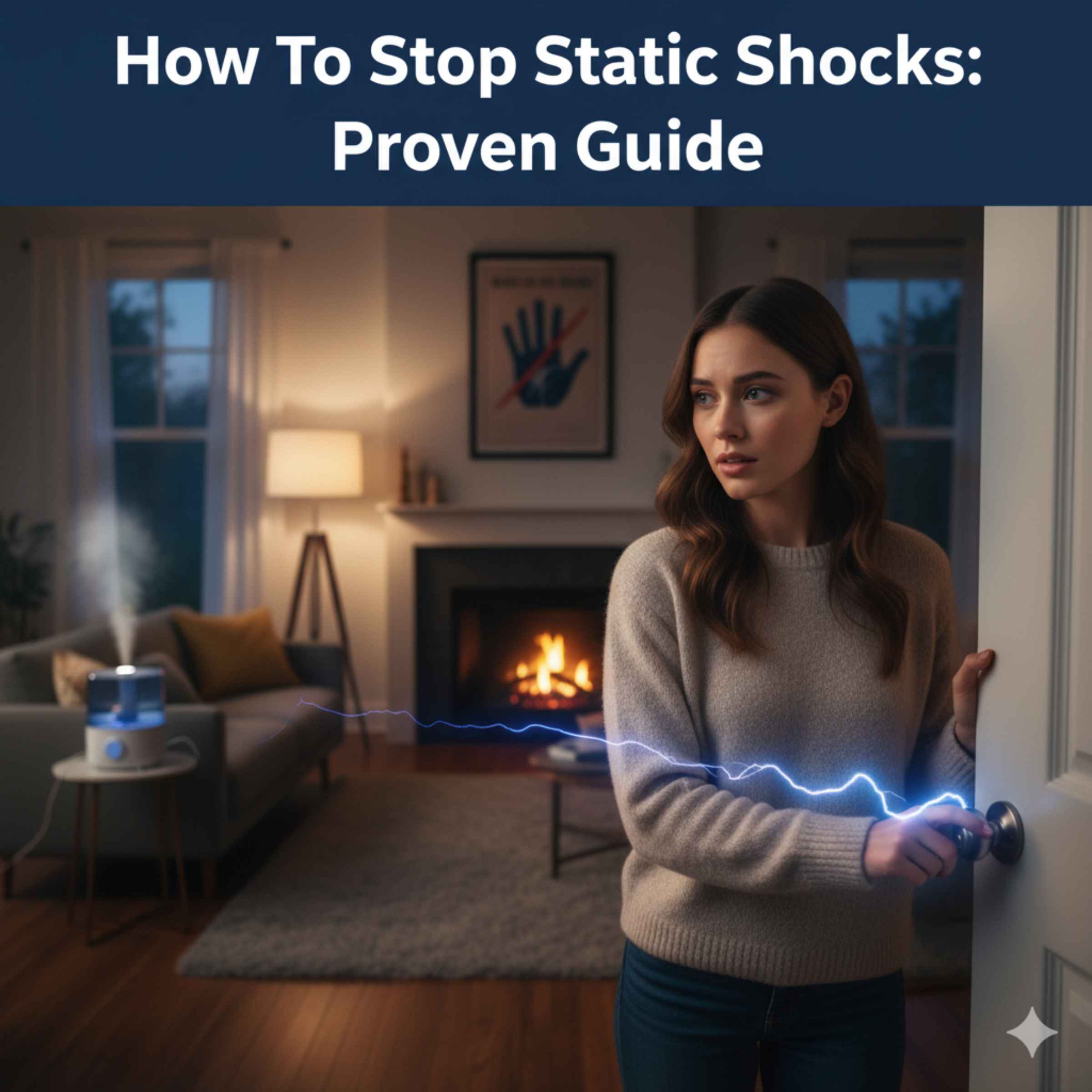
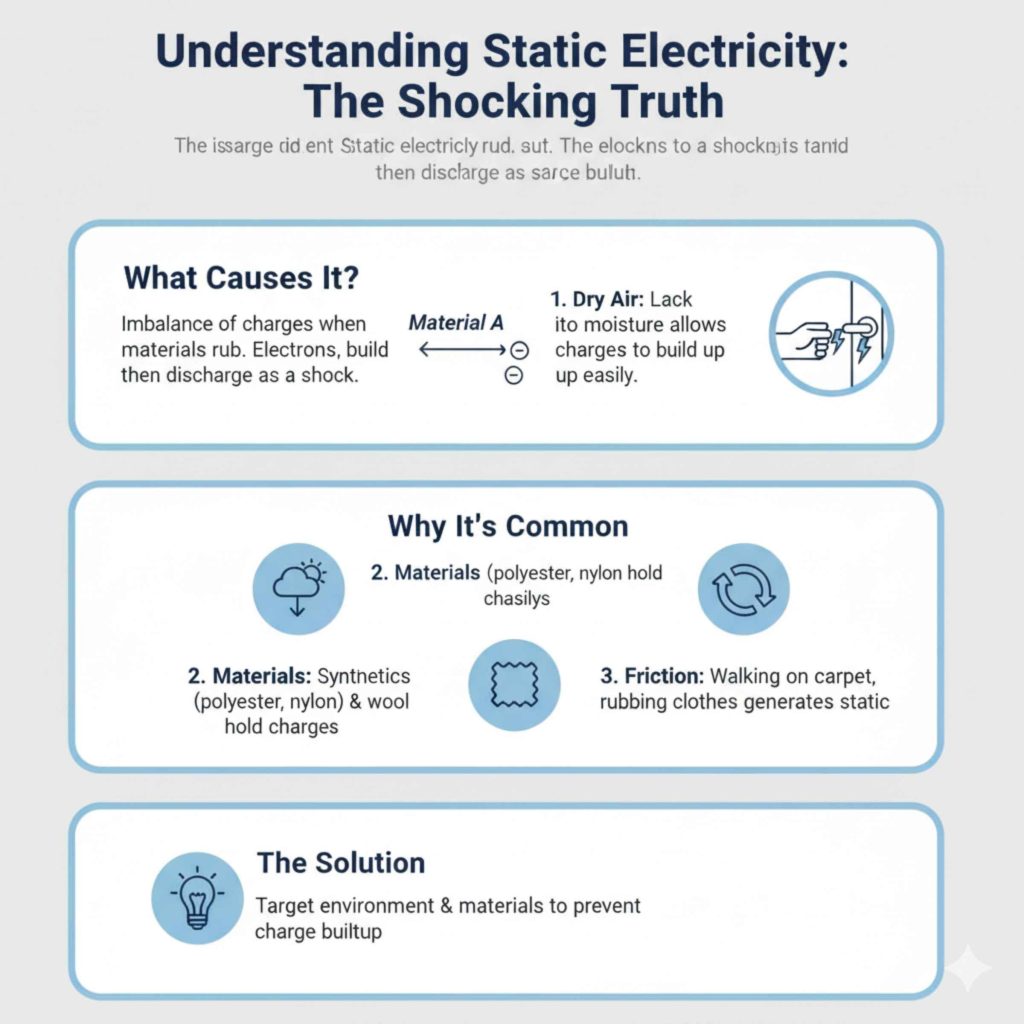
Before we dive into solutions, let’s quickly understand what’s causing those little jolts. Static electricity is all about an imbalance of electrical charges. When two different materials rub against each other (this is called triboelectric charging), electrons can transfer from one to the other. If these electrons build up on an object, like your body or a piece of furniture, and then touch a conductor (like a metal doorknob), the excess charge jumps, creating that familiar static shock.
Several factors can make static shocks more common:
- Dry Air: This is the biggest culprit! In humid air, moisture acts as a natural conductor, allowing charges to dissipate harmlessly. When the air is dry, especially in winter or in air-conditioned spaces, charges can build up much more easily.
- Materials: Certain materials are more prone to generating static. Synthetic fabrics like polyester and nylon, as well as materials like wool and certain types of plastic, tend to hold onto electrical charges more readily than natural fibers like cotton.
- Friction: The more things rub together, the more static can build up. Walking across a carpet, sliding on a plastic chair, or even the movement of clothes against your skin can contribute.
Knowing these basics helps us tackle the problem by addressing the environment and the materials involved.
Proven Ways to Stop Static Shocks from Door Handles and More
Now, let’s get to the good stuff – how to actually stop those shocks! We’ll cover everything from simple habits to environmental adjustments.
1. Boost Humidity Levels
As we learned, dry air is a static electricity magnet. Increasing the humidity in your home is one of the most effective ways to combat static shocks. A comfortable humidity level is typically between 40% and 50%. Here’s how you can achieve that:
- Use a Humidifier: This is the most direct approach. Place humidifiers in rooms where you experience the most static, especially bedrooms and living areas. For larger spaces, consider a whole-house humidifier that integrates with your HVAC system. Make sure to clean your humidifier regularly to prevent mold and bacteria growth. You can find more information on maintaining healthy indoor air quality from the Environmental Protection Agency (EPA). For measuring your home’s exact humidity level, see how to determine humidity in a heated space.
- Houseplants: Plants naturally release moisture into the air through transpiration. Grouping several plants together can create a small, localized increase in humidity.
- Bowls of Water: A simple, low-tech method is to place bowls of water near heat sources (like radiators or vents). As the water evaporates, it adds moisture to the air.
- Simmer Water on the Stove: During colder months, you can gently simmer a pot of water on your stovetop. Keep an eye on it to ensure it doesn’t boil dry.
- Dry Laundry Indoors: If you have a clothes dryer, consider air-drying some laundry indoors on a drying rack. The evaporating water will help humidify the surrounding air.
Best Humidifier for Static Prevention
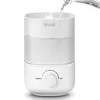
Levoit Top-Fill Cool Mist Humidifier
Gets a bedroom into the 40-50% humidity range this guide recommends, the single most effective static fix.
- Best for: a bedroom or living room during dry winter months
- Why we picked it: quiet 28dB operation, easy top-fill tank
- Main drawback: 2.5L tank needs refilling every 1-2 days in larger rooms
Compare more static-fighting products
 Option 1 Static Guard Fabric Spray
|
 Option 2 Anti-Static Grounding Wrist Strap
|
 Option 3 Bounce Anti-Static Dryer Sheets
|
As an Amazon Associate we earn from qualifying purchases.
2. Change Your Footwear and Flooring
The shoes you wear and the flooring in your home play a significant role in static buildup. Rubber-soled shoes are insulators, meaning they prevent charges from dissipating, while leather soles allow charges to flow more easily. Similarly, certain carpets are notorious static generators.
- Opt for Leather-Soled Shoes: When you’re indoors, especially in areas prone to static, switch to shoes with leather or conductive soles.
- Use Anti-Static Mats: If you have a specific area where static is a major problem (like a workshop or a computer area), consider using an anti-static mat. These mats are designed to safely discharge static electricity.
- Be Mindful of Carpet: If you have very dry, synthetic carpets, they might be contributing to the problem. Consider adding a rug made of natural fibers like wool or cotton in high-traffic areas.
- Moisten Rugs (Carefully): In very dry conditions, very lightly misting carpets or rugs with water can help reduce static, but do this sparingly to avoid water damage or mold.
3. Treat Your Clothes and Fabrics
Synthetic fabrics and wool are prime offenders when it comes to static cling and shocks. Fortunately, there are ways to manage this.
- Fabric Softener Sheets: Keep dryer sheets handy. You can lightly rub a dryer sheet on your clothes, upholstery, or even your carpet to help neutralize static. Some people even keep a dryer sheet in their pocket.
- Anti-Static Sprays: Commercially available anti-static sprays can be applied to clothing, upholstery, and carpets to reduce static cling. Follow the product instructions carefully.
- Laundry Additives: Use liquid fabric softeners or dryer balls in your laundry. These help to reduce static during the washing and drying cycles. Natural wool dryer balls are a great eco-friendly option.
- Choose Natural Fibers: Whenever possible, opt for clothing made from natural fibers like cotton, linen, or silk, as they tend to generate less static than synthetics.
- Hang Clothes to Dry: Air-drying clothes can also help reduce static buildup compared to machine drying, especially if you use dryer sheets or balls.
4. Ground Yourself Regularly
The simplest way to prevent a shock is to discharge the built-up electricity from your body before you touch a conductor. This is often called “grounding yourself.”
- Touch a Metal Object Frequently: Before you reach for that doorknob, touch a larger metal object like a lamp base, a metal table leg, or even a grounded appliance (like a refrigerator) first. This allows any built-up charge to discharge harmlessly.
- Use Your Knuckle or Elbow: If you’re worried about a shock, use your knuckle or elbow to touch metal objects. These areas have fewer nerve endings, so any shock will be less noticeable.
- Keep Moisturizer Handy: Dry skin can hold a charge more easily. Regularly applying lotion to your hands helps keep your skin hydrated and less prone to static buildup.
5. Static Control for Your Workspace and Tools
If you’re a DIYer or woodworker, static can be a real nuisance, especially with certain materials and tools. Here are some specific tips for your projects:
- Woodworking Dust Collection: Sawdust, especially from synthetic materials or treated woods, can carry a significant static charge. Ensure your dust collection system is properly grounded. Many professional systems have grounding straps. For DIY setups, consider adding grounding straps to your shop vac hoses and tools.
- Working with Plastics: If you’re cutting or sanding plastics, static cling can be a major issue. Lightly misting the plastic with an anti-static spray or wiping it down with a dryer sheet can help.
- Metal Tool Handles: Some tool handles are made of metal. If you find yourself getting shocked from your tools, ensure you’re grounded before handling them.
- Workshop Flooring: Consider anti-static flooring options for your workshop if static is a persistent problem. Rubber mats designed for workshops can be a good investment.
Maintaining a slightly more humid environment in your workshop can also make a big difference. For example, keeping a small humidifier running can help significantly.
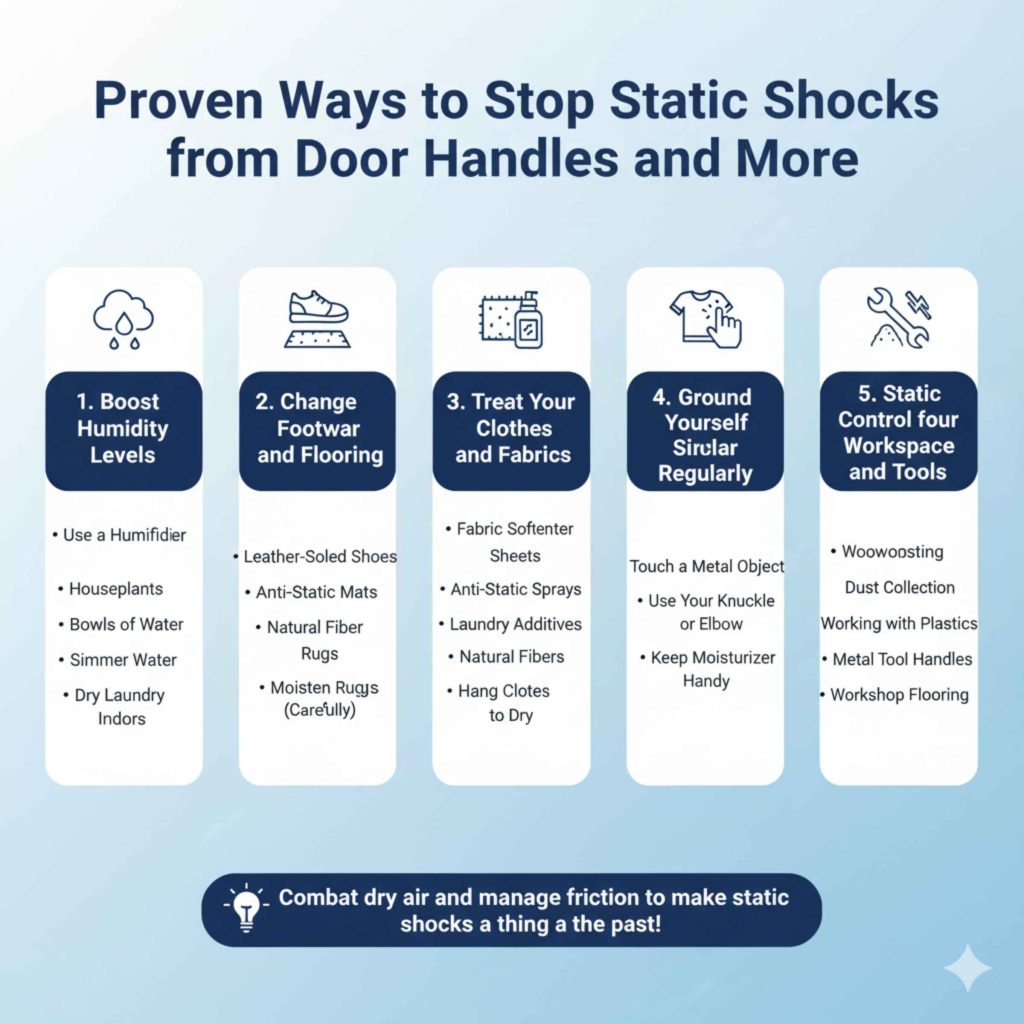
Table: Common Static Shock Triggers and Solutions
📊 Static shocks build up fastest when indoor humidity drops below 40%, which is common in winter when heating systems dry out indoor air — Source: EPA, indoor air quality guidance
Here’s a quick reference table to help you pinpoint the cause and find the right solution:
| Trigger | Why it Happens | Solution |
|---|---|---|
| Dry Indoor Air (especially winter) | Lack of moisture allows electrical charges to build up on surfaces. | Use humidifiers, houseplants, bowls of water. |
| Synthetic Fabrics (clothing, upholstery) | These materials readily transfer electrons, creating charge imbalances. | Use fabric softener, anti-static sprays, choose natural fibers. |
| Carpeted Floors | Friction from walking on synthetic carpets builds static charges. | Wear leather-soled shoes, use anti-static mats, consider natural fiber rugs. |
| Rubber-Soled Shoes | They insulate your body, preventing static discharge. | Opt for leather-soled shoes indoors. |
| Friction (walking, sliding) | Movement between materials transfers electrical charges. | Ground yourself frequently by touching metal objects. |
| Dry Skin | Less moisture on the skin makes it more susceptible to holding a charge. | Apply lotion regularly. |
| Woodworking Dust & Sawdust | Fine particles, especially from synthetics, can carry static. | Ensure dust collection systems are grounded, use anti-static sprays. |
Frequently Asked Questions (FAQ) About Static Shocks
Q1: Why do I get shocked more often in the winter?
A: Winter air is typically much drier, both outdoors and indoors due to heating systems. This lack of moisture means static charges can build up more easily on surfaces and your body, leading to more frequent shocks.
Q2: How can I stop static cling on my clothes in the dryer?
A: To reduce static cling, use dryer sheets, wool dryer balls, or a liquid fabric softener in your wash cycle. Avoid over-drying your clothes, as this can also contribute to static buildup. Air-drying some items can also help.
Q3: Is it dangerous to get static shocks?
A: For most people, static shocks are just a minor annoyance and are not dangerous. However, if you work with sensitive electronics, a strong static discharge could potentially damage components. For individuals with pacemakers or other medical implants, it’s always best to consult with a doctor about managing static electricity.
Q4: What’s the best way to prevent shocks when touching a metal doorknob?
A: Before you touch the doorknob, ground yourself by touching a larger metal object (like a lamp or furniture) first. Alternatively, use your knuckle or elbow to touch the doorknob, as these areas have fewer nerve endings and any shock will be less noticeable.
Q5: Can I make my carpet less likely to cause static shocks?
A: Yes, you can. Try using an anti-static carpet spray, or consider placing natural fiber rugs (like wool or cotton) over synthetic carpets. Increasing the humidity in the room with a humidifier will also help.
Q6: Are there any natural ways to reduce static electricity?
A: Absolutely! Increasing indoor humidity through natural methods like using a humidifier, adding houseplants, or placing bowls of water around the house are excellent natural solutions. Opting for natural fiber clothing and using natural fabric softeners in laundry also help.
Q7: My pet seems to get static shocks from me. What can I do?
A: Pets, especially those with thicker fur, can build up static. Brushing them regularly with a metal brush can help discharge static. Using anti-static sprays formulated for pets or increasing the humidity in your home can also make a big difference for your furry friends.
Conclusion: A Shock-Free Home is Achievable
Start with humidity – keeping it at 40-50% eliminates most static on its own. Add fabric and footwear fixes only if shocks persist, and save grounding straps for workshop electronics where a spark could actually damage something.
Sponsored / affiliate links. As an Amazon Associate I earn from qualifying purchases. I may earn additional commission from eligible campaigns.