How to Remove Shutter Fasteners (Broken, Stuck & Brick Spikes)
Vinyl shutter spikes pull out with a flat pry bar and a wood block for siding protection, while broken metal fasteners stuck in brick need a screw extractor, not brute force. Forcing a stuck peg or drilling an oversized hole cracks vinyl siding or the brick face permanently. This guide covers removing intact spikes, extracting broken ones from brick, and which replacement Shutter-Lok size to buy.
Affiliate disclosure: This post contains Amazon affiliate links. As an Amazon Associate, we earn from qualifying purchases at no extra cost to you.
Quick Answer
For an intact vinyl shutter spike, slide a flat pry bar behind the shutter, protect the siding with a wood scrap, and lever gently until it releases. For a broken metal fastener in brick, drill its center with a bit slightly smaller than the shank, then grip the loosened stub with needle-nose pliers or an extractor.
Tools You Need to Remove Shutter Fasteners
Different fastener types need different tools. Vinyl spikes usually come out with hand tools alone; broken metal screws embedded in brick need a drill and extractor.
- Flat pry bar or 5-in-1 painter’s tool — thin enough to slide behind a shutter without denting siding
- Needle-nose or locking pliers (vice grips) — for gripping and twisting stuck or broken fastener stubs
- Tin snips or a small chisel — to cut the head off a plastic spike instead of pulling it through the siding
- Cordless drill + screw extractor (easy-out) bit — for metal fasteners broken off flush in brick or stucco
- Penetrating oil (e.g., WD-40) — loosens corrosion on metal screws before you pull
- Safety glasses and gloves — masonry dust and snapped metal edges are the main hazards
- Replacement Shutter-Lok fasteners — buy before you start; plastic spikes rarely survive a second use once flexed
Most of these tools double as general fastener removal tools for other exterior hardware, so it’s worth keeping a small kit on hand if you maintain an older house.
Best Replacement Shutter Fastener Pick
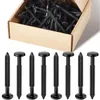
Blulu 60 Pcs 3″ Vinyl Shutter Fasteners – $15.99
Since plastic spikes rarely survive being pried out intact, a bulk 60-count bag covers a full house of shutters (8–12 pegs per pair) in one order.
- Best for: replacing multiple broken spikes across several windows at once
- Why we picked it: reverse-barb design matches the standard 3-inch Shutter-Lok style covered in this guide
- Main drawback: black color only in this size pack — check color match before ordering
Compare more replacement fastener options
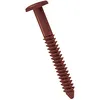 Option 1 Ekena Millwork Shutter-Lok 12-Pack – $9.91
|
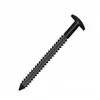 Option 2 3″ Black Vinyl Fasteners 20-Pack – $7.99
|
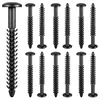 Option 3 MorningRo 12-Pack Spike Loks – $7.99
|
As an Amazon Associate we earn from qualifying purchases.
Removing Intact Vinyl Shutter Spikes From Siding
An intact spike is the easy case: it slides straight out with leverage. The standard vinyl spike is a 3-inch reusable peg — brands like Shutter-Lok made by Ekena Millwork and Builders Edge sell the same style in 4-, 6-, and 12-packs.
- Protect the siding: Hold a thin, flat piece of scrap wood or a 1×4 against the siding next to the shutter edge.
- Slide the pry bar behind the shutter: Work a thin, flat pry bar or 5-in-1 painter’s tool between the shutter and the wall, resting against the wood block.
- Lever gently, not hard: Rock the bar back and forth in small movements until the spike head starts to lift.
- Pull the spike free by hand: Once it’s loose, grip the head with pliers and pull straight out — angling it can snap the shaft in the siding.
- Patch and reuse or replace: If the spike is bent, flexed white, or cracked, discard it and drive in a fresh Shutter-Lok fastener instead.
Stuck Fasteners
If a spike won’t budge on the first try, spray penetrating oil like WD-40 around its base and let it sit for a few minutes before trying again — this is especially effective on metal screws corroded from years of rain exposure. Never force it; excess pressure snaps the spike flush with the siding, turning an easy job into a broken-fastener extraction. If wiggling and oil don’t work, grip the head with needle-nose pliers and twist gently while pulling, rather than yanking straight out.
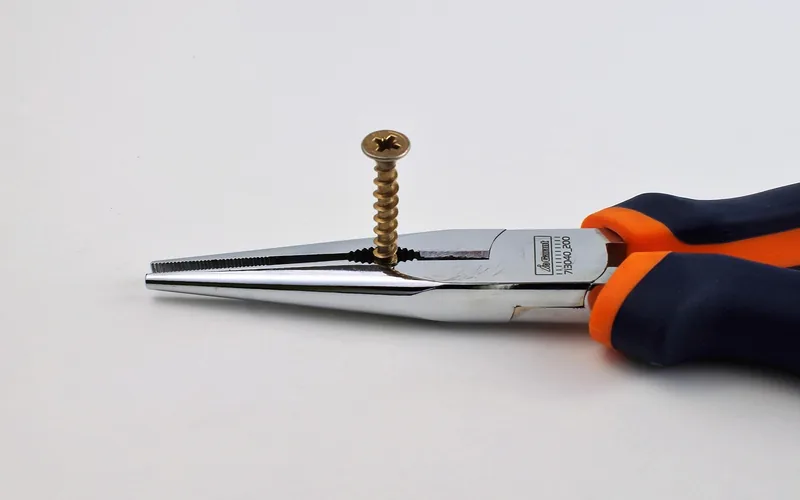
Extracting Broken Shutter Fasteners From Brick or Stucco
A fastener that has already snapped off flush in brick or stucco needs a different approach than an intact one — you can’t grip what isn’t sticking out anymore.
- Clear debris first: Brush away dust and paint chips so you can see the exact center of the broken stub.
- Drill a pilot hole: Using a bit slightly smaller than the fastener’s diameter, drill slowly into the center of the stub — this collapses its grip on the surrounding brick or mortar.
- Insert an extractor or pliers: Thread in a screw extractor (easy-out) and turn counter-clockwise, or grip the loosened stub with needle-nose pliers.
- Back it out slowly: Apply steady, even pressure — jerking the extractor can shear it off inside the hole too.
- If it still won’t clear, drive it flush instead: When a stub refuses to come out fully, tap it flush into the brick with a hammer rather than continuing to enlarge the hole.
Avoid drilling a hole any larger than necessary — oversized holes in brick don’t hold a replacement fastener securely and are harder to patch invisibly than the original.
📊 Standard vinyl shutter fasteners measure 3 inches long by 5/8 inch wide and deep, with 8 pegs recommended per shutter pair under 55 inches tall and 12 pegs for pairs over 55 inches. — Source: Ekena Millwork, Shutter Accessories, 2026
Damaged Shutters
Check the shutter itself for cracks once the fastener is out. A small crack can often be filled with exterior-grade filler and repainted; a fully warped or split panel usually needs replacing rather than repairing. Inspect the hinges too — a stiff or rusted hinge is a separate problem from the fastener and just needs lubrication or a hinge swap, not a new spike.
Vinyl Siding vs. Brick: Which Removal Method Applies
| Mounting Surface | Best Removal Method | Main Risk |
|---|---|---|
| Vinyl or aluminum siding | Flat pry bar + wood-block protection | Denting or cracking the siding panel |
| Brick or stucco (intact fastener) | Vice grips, rock side to side | Chipping the mortar joint |
| Brick or stucco (broken fastener) | Pilot-drill center, then extractor or pliers | Oversized hole that won’t hold a new fastener |
| Wood siding or trim | Screwdriver (screws) or crowbar (nails) | Splitting the wood grain |
Common Mistakes to Avoid
- Forcing a stuck spike: excess pressure snaps it flush instead of releasing it, turning an easy job into an extraction.
- Skipping the wood-block protection: a bare pry bar against vinyl siding leaves permanent gouge marks.
- Drilling an oversized pilot hole: makes the brick hole too loose to hold a replacement fastener securely.
- Reusing a flexed or cracked plastic spike: it looks fine but fails again within a season — replace it instead.
Maintaining Shutter Integrity After Reinstalling
Once new fasteners are in, confirm the shutter sits flush and doesn’t wobble in strong wind — a loose shutter works its new fastener loose again within months. Check alignment with a level and re-seat any peg that sits proud of the surface.
If you’d rather avoid spike fasteners going into brick or siding altogether on a future reinstall, no-drill shutter mounting methods are worth considering, and installing shutter fasteners in brick the right way the first time prevents most of the breakage covered in this guide. Cracked wood trim around a shutter should be repaired before remounting, since a soft mounting surface is what causes fasteners to work loose in the first place.

Frequently Asked Questions
How To Remove Shutter Spikes From Siding?
Use a pry bar to gently remove shutter spikes from siding. Protect the siding with a flat piece of wood so the bar doesn’t dent or scratch it. Patch any resulting holes with exterior filler and matching paint for a clean finish.
What holds shutters in place?
Shutters are held by hinges and fasteners. Hinges attach them to the window frame so they can swing open and closed. Fasteners secure the shutter to the wall when it’s closed against siding or brick; some modern shutters add magnets or clips for extra hold in high wind.
How are vinyl shutters attached to a house?
Vinyl shutters attach with plastic spike fasteners (like Shutter-Lok) driven directly into siding, brick, or stucco, or with exterior screws through pre-drilled holes. Installers space the fasteners evenly, using 8 per pair on shutters under 55 inches and 12 per pair on taller shutters, per manufacturer spacing guidance.
Are shutter spikes reusable?
Shutter spikes are reusable only if removed without bending, flexing, or cracking. Once a plastic spike has flexed white under stress, its grip is weakened even if it looks intact, so it’s safer to replace it than reinstall it and have it fail again.
How do you remove a shutter spike that broke off in brick?
Drill a pilot hole into the center of the broken stub using a bit slightly smaller than the fastener’s diameter, which collapses its grip on the brick. Then grip the loosened remnant with needle-nose pliers or thread in a screw extractor and back it out slowly. If it still won’t clear, tap it flush into the brick rather than enlarging the hole further.
What tool removes a stuck shutter fastener without damaging siding?
A thin, flat pry bar or 5-in-1 painter’s tool works best, braced against a scrap-wood block so the bar never touches bare siding. For a fastener that’s corroded rather than just tight, spraying penetrating oil like WD-40 first and waiting a few minutes loosens it enough to lever out by hand.
Conclusion
Most shutter fasteners come out with a pry bar and a little patience — the extraction steps for a broken one in brick are only needed once forcing has already snapped it flush. Keep replacement Shutter-Lok pegs on hand before you start, protect the mounting surface every time, and re-check the shutter for wobble once the new fastener is in.
Sponsored / affiliate links. As an Amazon Associate I earn from qualifying purchases. I may earn additional commission from eligible campaigns.