How to Replace a Toilet Seal: A Simple Guide for Beginners
I’ll never forget the day I noticed a puddle near my toilet. It was a small leak, but it made my bathroom smell bad! That’s when I learned how to replace a toilet seal. This guide will show you how to fix a leaky toilet seal step by step. It’s easy, even if you’re new to DIY. I’ll share tips, tools, and tricks to make it fun and save you money. Let’s stop that leak together!
What Is a Toilet Seal?
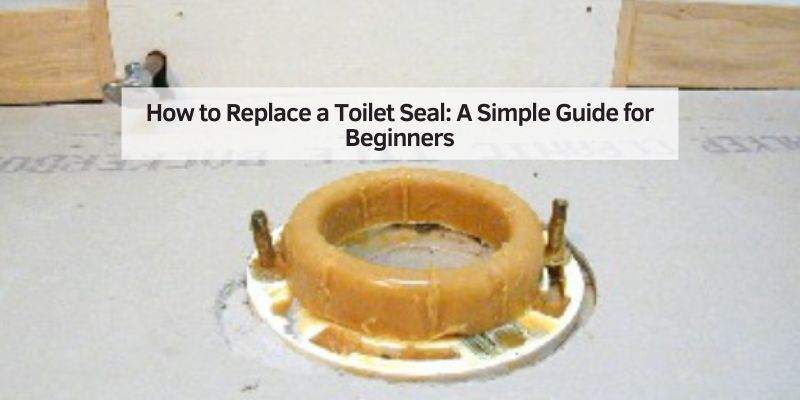
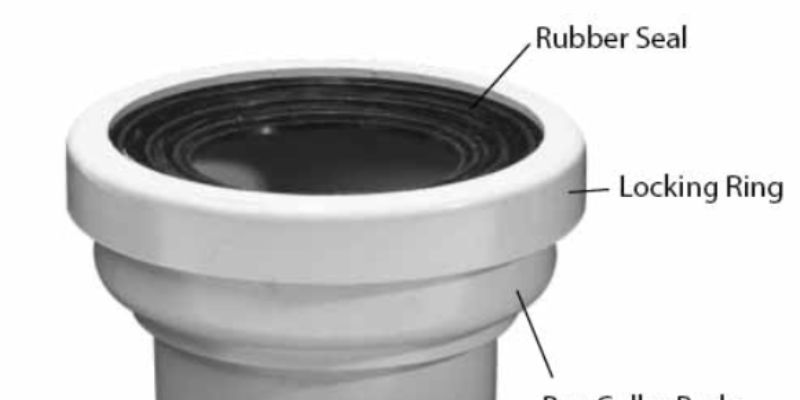
A toilet seal is a ring that stops water and smells from leaking. It sits between your toilet and the floor. Most seals are made of wax or rubber. They keep your bathroom clean and dry. A bad seal can cause water damage or bad odors. Replacing it is a simple fix that anyone can do with the right tools.
Why Toilet Seals Matter
A good seal keeps your toilet steady and leak-free. It stops sewer gas from entering your home. It also prevents water from damaging your floor. I once ignored a leaky seal, and my bathroom floor got soggy. Don’t make my mistake! Fixing it early saves time and money.
Tools and Materials You’ll Need
You don’t need fancy tools to replace a toilet seal. Here’s what I use:
- Wax ring or rubber seal (check your toilet size at Home Depot)
- Adjustable wrench
- Screwdriver (flathead)
- Putty knife
- Rubber gloves
- Towels or rags
- Bucket
- New bolts (optional, for old toilets)
- Cleaner (like bleach or soap)
Table 1: Tools and Costs
| Tool/Material | Estimated Cost | Where to Buy |
|---|---|---|
| Wax Ring | $5-$10 | Hardware Store |
| Rubber Seal | $10-$15 | Plumbing Aisle |
| Adjustable Wrench | $10-$20 | Any Hardware Store |
| Putty Knife | $5-$10 | Home Depot |
| Caption: Basic tools and costs for replacing a toilet seal. |
Step-by-Step Guide: How to Replace a Toilet Seal
Here’s my easy guide to replace your toilet seal. Follow these steps, and you’ll be done in no time!
Step 1: Turn Off the Water
Find the water valve behind your toilet. Turn it clockwise to stop the water. Flush the toilet to empty the tank. Use a sponge to soak up any leftover water. This keeps your floor dry while you work.
Step 2: Disconnect the Toilet
Use your wrench to loosen the bolts at the toilet’s base. These bolts hold the toilet to the floor. If they’re rusty, add some oil and wait a few minutes. Next, unscrew the water supply hose under the tank. Keep a towel handy for drips.
Step 3: Remove the Toilet
Gently rock the toilet side to side to break the old seal. Lift it carefully and place it on a towel or cardboard. Toilets are heavy, so ask a friend to help. Don’t tilt it too much, or water might spill from the trap.
Step 4: Clean the Old Seal
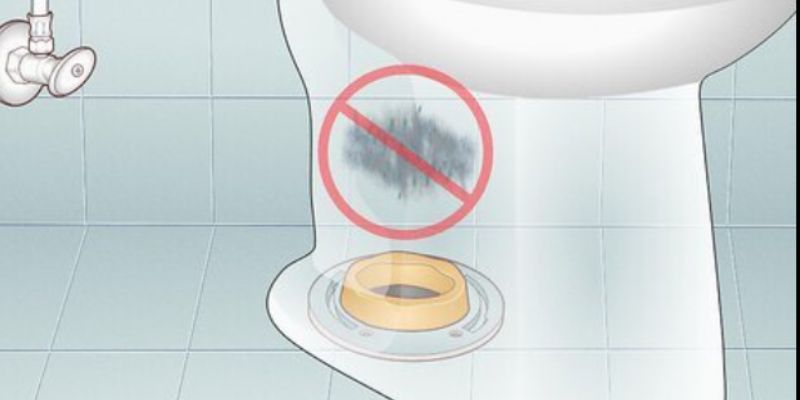
Put on rubber gloves. Use a putty knife to scrape off the old wax or rubber seal. Clean the toilet base and the floor flange (the pipe in the floor). A clean surface helps the new seal stick better. Stuff a rag in the pipe to block bad smells.
Step 5: Install the New Seal
Place the new wax ring or rubber seal on the flange. Make sure it’s centered. Wax rings need warm hands to mold them. Rubber seals are easier to place. Check that the bolts are straight and in the flange holes.
Table 2: Wax vs. Rubber Seals
| Feature | Wax Ring | Rubber Seal |
|---|---|---|
| Cost | $5-$10 | $10-$15 |
| Durability | 5-10 years | 10-20 years |
| Ease of Use | Sticky, messy | Clean, simple |
| Caption: Comparing wax and rubber seals for your toilet. |
Step 6: Put the Toilet Back
Lift the toilet and line up the bolts with the holes in the base. Lower it slowly onto the seal. Press down gently to set the seal. Tighten the bolts with your wrench, but don’t overtighten, or the toilet might crack.
Step 7: Reconnect and Test
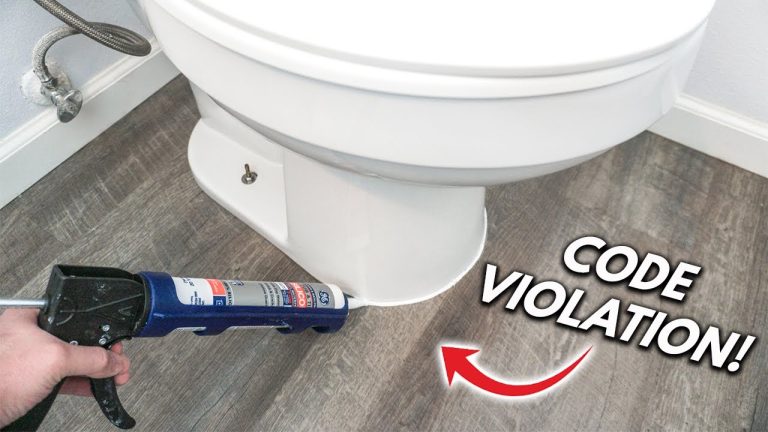
Reconnect the water supply hose. Turn on the water valve. Flush the toilet to check for leaks. If you see water, tighten the bolts a little more. Wipe the area clean and add silicone caulk around the base for extra protection.
Visual Idea 1: A simple diagram showing the toilet flange and wax ring placement.
Visual Idea 2: A photo of the tools laid out on a towel.
Visual Idea 3: A step-by-step infographic of lifting and placing the toilet.
Benefits of Replacing a Toilet Seal
Fixing a toilet seal stops leaks and bad smells. It saves your floor from water damage. A new seal can last years, so you won’t need to fix it often. Rubber seals are great for long-term use and are less messy than wax. Plus, you’ll feel proud of your DIY skills!
Drawbacks to Watch For
Wax seals can be sticky and hard to clean. If you pick the wrong size, the seal won’t work. Overtightening bolts can crack your toilet. I once rushed and used a cheap seal that failed fast. Take your time and buy a good one from a trusted brand like Oatey.
My Top Tips for Success
Here are my favorite tips from years of fixing toilets:
- Check the flange. If it’s cracked, use a flange repair kit.
- Warm the wax ring. Soft wax sticks better.
- Test for leaks. Flush twice to be sure.
- Don’t rush. Slow and steady prevents mistakes.
Common Mistakes to Avoid
Don’t make these errors I’ve seen (or made myself):
- Skipping the clean-up. Old wax can ruin the new seal.
- Using old bolts. Rusty bolts can break later.
- Ignoring the flange. A damaged flange causes leaks.
Table 3: Common Mistakes and Fixes
| Mistake | Fix |
|---|---|
| Old wax left behind | Scrape thoroughly |
| Overtightened bolts | Tighten gently |
| Wrong seal size | Measure flange first |
| Caption: Avoid these mistakes for a leak-free toilet. |
Why I Love This DIY Project
Replacing a toilet seal is like solving a puzzle. It’s messy but rewarding. I fixed my mom’s toilet last year, and she was so happy! It’s a quick job that saves money compared to hiring a plumber. Plus, you learn a skill you can use again.
Conclusion
Replacing a toilet seal is an easy DIY fix. You stop leaks, save your floor, and keep your bathroom fresh. With simple tools and my step-by-step guide, you can do it in an hour. Try it yourself, and feel like a plumbing hero! Share your success in the comments or ask me for help. Let’s keep those toilets leak-free!
Frequently Asked Questions
Why does my toilet leak at the base?
A leak at the base often means the toilet seal is worn out. Wax or rubber seals break down over time, letting water escape. Check for puddles or bad smells. Replacing the seal, like I explained, usually fixes it. If it still leaks, the flange might be cracked.
Can I use a rubber seal instead of wax?
Yes, rubber seals are great! They’re easier to install and last longer than wax. I like them because they’re less messy. Just make sure the seal fits your toilet’s flange. Check brands like Lowe’s for options.
How often should I replace a toilet seal?
A good seal can last 5-20 years, depending on the type. Wax seals might need replacing every 5-10 years, while rubber lasts longer. If you notice leaks or smells, it’s time to check. I replace mine every 10 years to be safe.
What if my toilet still leaks after replacing the seal?
If it leaks, check the bolts. They might be loose. Also, inspect the flange for cracks. I once had a leak because I didn’t clean off all the old wax. Scrape carefully and try again. If it’s still leaking, call a plumber.
Do I need a professional to replace a toilet seal?
No, you can do it yourself! It’s a simple job with basic tools. Follow my steps, and you’ll be fine. If you’re nervous or the flange is damaged, a plumber can help. Sites like Express Sewer offer pro tips.
How do I know what size seal to buy?
Measure the flange (the pipe in the floor). Most toilets use a standard 3- or 4-inch wax ring. Take the old seal to the store to match it. I always double-check the size to avoid leaks.
Can I reuse an old toilet seal?
No, don’t reuse a seal. Once it’s compressed, it won’t seal properly again. I tried this once, and it leaked right away. Buy a new one—they’re cheap and worth it for a tight seal.