Why Spray Painting Satin Nickel Plated is Awesome
I’ll never forget my first DIY project: turning an old, brassy lamp into a sleek satin nickel beauty. It was like magic! Learning how to spray paint satin nickel plated surfaces can transform your home without breaking the bank. This article shares easy steps, handy tips, and my own mistakes to help you nail your project. Whether you’re a beginner or a seasoned DIYer, you’ll find simple ways to refresh faucets, knobs, or lamps. Let’s dive into the fun world of spray painting and make your metal shine!
What is Spray Painting Satin Nickel Plated?
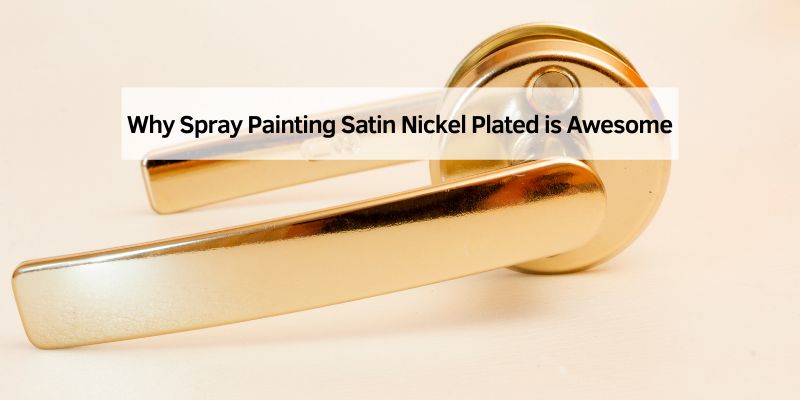
Spray painting satin nickel plated means coating a smooth, shiny metal surface with a special paint to give it a modern, satin nickel look. It’s perfect for updating old fixtures like faucets or cabinet knobs. Satin nickel has a soft, brushed finish—not too shiny, not too dull. It’s a budget-friendly way to make your home look fresh and stylish. I love it because it’s versatile and works in any room!
Why It Matters
This technique saves money compared to buying new fixtures. It’s also fun and lets you customize your space. For example, I painted my bathroom towel rack to match new satin nickel faucets. It looked brand new for under $20! Plus, it’s a great project for beginners since it’s quick and forgiving if you follow the right steps.
Tools and Materials You’ll Need
Before you start, gather these simple tools and materials. I’ve picked beginner-friendly options to keep things easy and affordable.
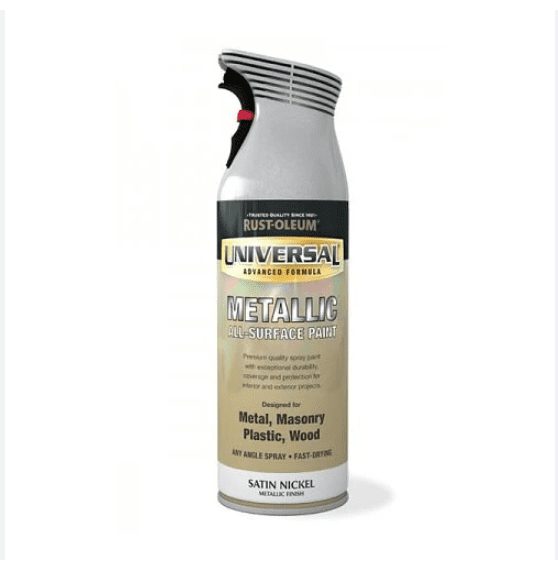
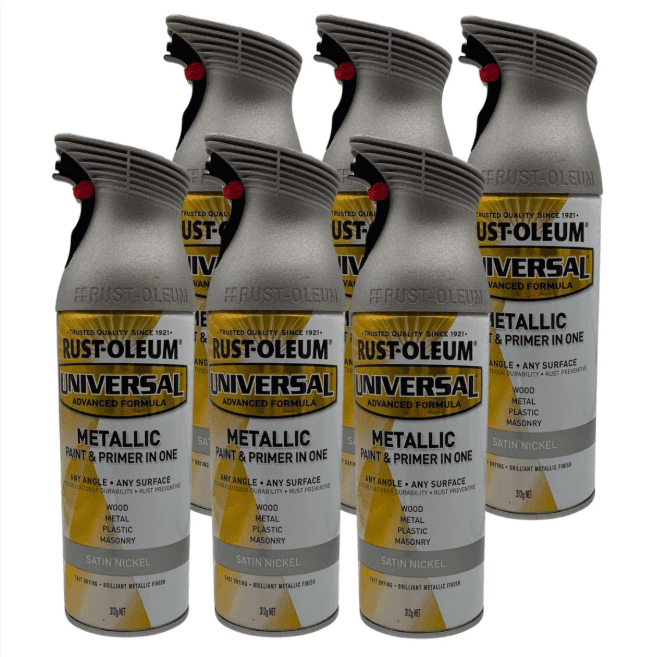
- Spray Paint: Choose a satin nickel spray paint with primer included, like Rust-Oleum Universal Satin Nickel. It sticks well to metal.
- Etching Primer: A galvanized metal-etching primer (e.g., Rust-Oleum Specialty) helps paint grip the slick nickel surface.
- Sandpaper: Use 100-grit and 220-grit for prepping the surface.
- Degreaser: A water-based cleaner like Simple Green removes dirt and oils.
- Painter’s Tape: Protect areas you don’t want painted.
- Drop Cloth: Keep your workspace clean.
- Gloves and Mask: Stay safe from fumes and paint.
Table 1: Spray Paint Comparison
Visual Idea
A simple diagram showing how to tape off a faucet’s non-paintable parts (like the spout) would help beginners visualize the process.
Step-by-Step Guide to Spray Painting Satin Nickel Plated
Here’s my tried-and-true method for painting satin nickel plated surfaces. Follow these steps, and it’s a piece of cake!
- Clean the Surface: Wipe the metal with a degreaser and a coarse sponge. Rinse with a wet rag and dry completely.
- Sand the Surface: Lightly sand with 100-grit sandpaper, then 220-grit for a smooth finish. Vacuum or wipe away dust.
- Tape Off Areas: Use painter’s tape to cover parts you don’t want painted, like faucet valves. Lay down a drop cloth.
- Apply Etching Primer: Spray a thin, even coat of etching primer. Hold the can 8–10 inches away and move side to side. Let it dry for 15 minutes.
- Spray Paint: Apply 2–3 thin coats of satin nickel spray paint, waiting 10–15 minutes between coats. Keep the can moving to avoid drips.
- Optional Brushed Finish: For a brushed nickel look, lightly rub the dried paint with 0000 steel wool in even strokes.
- Seal (Optional): Add a clear polyurethane coat for extra protection, but note it may dull the finish slightly.
Tip: My first try was a total flop because I skipped the primer. Don’t make that mistake! The primer helps the paint stick to the slick nickel surface.
Visual Idea
A step-by-step infographic showing the sanding and spraying process would make these steps crystal clear for beginners.
Benefits and Challenges
Spray painting satin nickel plated surfaces has tons of perks but also a few hurdles. Let’s break it down.
Benefits
- Affordable: Painting a faucet costs $10–$20 versus $50–$100 for a new one.
- Customizable: You can match any satin nickel shade to your decor.
- Quick: Most projects take under an hour, plus drying time.
- Fun: It’s like giving your old stuff a new life! I painted my kitchen knobs, and it felt like a mini makeover.
Challenges
- Prep is Key: Skipping cleaning or sanding can make the paint peel.
- Fumes: Spray paint smells strong, so work outside or in a well-ventilated area.
- Durability: Painted surfaces may chip if not sealed properly, especially in wet areas like bathrooms.
Table 2: Spray Paint vs. Replacement Costs
| Option | Cost | Time | Durability |
|---|---|---|---|
| Spray Paint | $10–$20 | 1–2 hours | 1–3 years |
| New Fixture | $50–$100 | 1–3 hours | 5–10 years |
| Caption: Spray painting saves money but requires maintenance. Based on typical costs for faucets and knobs. |
Alternative Approaches
Not sold on spray painting? You can try brush painting with enamel for small items, but it’s trickier to get a smooth finish. Another option is replacing the fixture entirely, though it’s pricier. I once tried brush painting a knob, and it looked streaky—no thanks! Spray paint gives the smoothest, most professional look for satin nickel.
Visual Idea
A side-by-side photo comparing spray-painted versus brush-painted finishes would show why spray is better.
My Top Tips for Success
After painting dozens of metal fixtures, here are my best tips to make your project shine:
- Test First: Spray a small, hidden area to check the color matches your satin nickel fixtures.
- Go Thin: Apply thin paint coats to avoid drips. Thick layers look messy.
- Ventilate: Open windows or work outside to avoid breathing fumes. Wear a mask!
- Clean Up Fast: Wipe overspray with a damp rag before it dries.
Pro Tip: I once painted a lamp in my garage without a mask. Big mistake—my head spun from the fumes! Always prioritize safety.
Common Mistakes to Avoid
- Skipping Prep: Uncleaned or unsanded surfaces lead to peeling paint.
- No Primer: Regular primer won’t stick to nickel; use an etching primer.
- Heavy Coats: Spraying too much paint at once causes drips and uneven finishes.
- Ignoring Weather: Don’t paint in high humidity; it can make the finish cloudy.
Table 3: Common Mistakes and Fixes
| Mistake | Fix |
|---|---|
| Peeling Paint | Clean and sand thoroughly |
| Drips | Use thin, even coats |
| Wrong Color | Test on scrap first |
| Caption: Avoid these pitfalls for a flawless satin nickel finish. |
Frequently Asked Questions
What is satin nickel spray paint?
Satin nickel spray paint is a metallic paint that mimics the soft, brushed look of nickel-plated fixtures. It’s great for updating old metal items like faucets or knobs.
Do I need a primer for nickel-plated surfaces?
Yes, use a galvanized metal-etching primer. It roughs up the slick nickel surface so the paint sticks better and lasts longer.
Can I spray paint satin nickel in a bathroom?
Yes, but use a sealant like polyurethane to protect against moisture. Paint in thin coats and ensure good ventilation to avoid fumes.
How long does spray paint last on nickel?
With proper prep and sealing, it can last 1–3 years. High-use items like faucets may need touch-ups sooner.
What’s the best satin nickel spray paint brand?
Rust-Oleum Universal Satin Nickel is my go-to for its durability and true nickel color. Krylon Fusion is great for small projects.
Can I create a brushed nickel finish?
Yes! After painting, lightly rub the dried surface with 0000 steel wool in even strokes for a brushed look.
Is spray painting nickel safe?
It’s safe if you work in a well-ventilated area, wear a mask, and use gloves. Keep kids and pets away from fumes.
Conclusion
Spray painting satin nickel plated surfaces is a fun, cheap way to refresh your home. With a little prep, the right tools, and some patience, you can turn old fixtures into modern masterpieces. My lamp project was a game-changer, and I bet your project will be too! Grab a can of paint, follow these steps, and share your results in the comments. Happy painting!