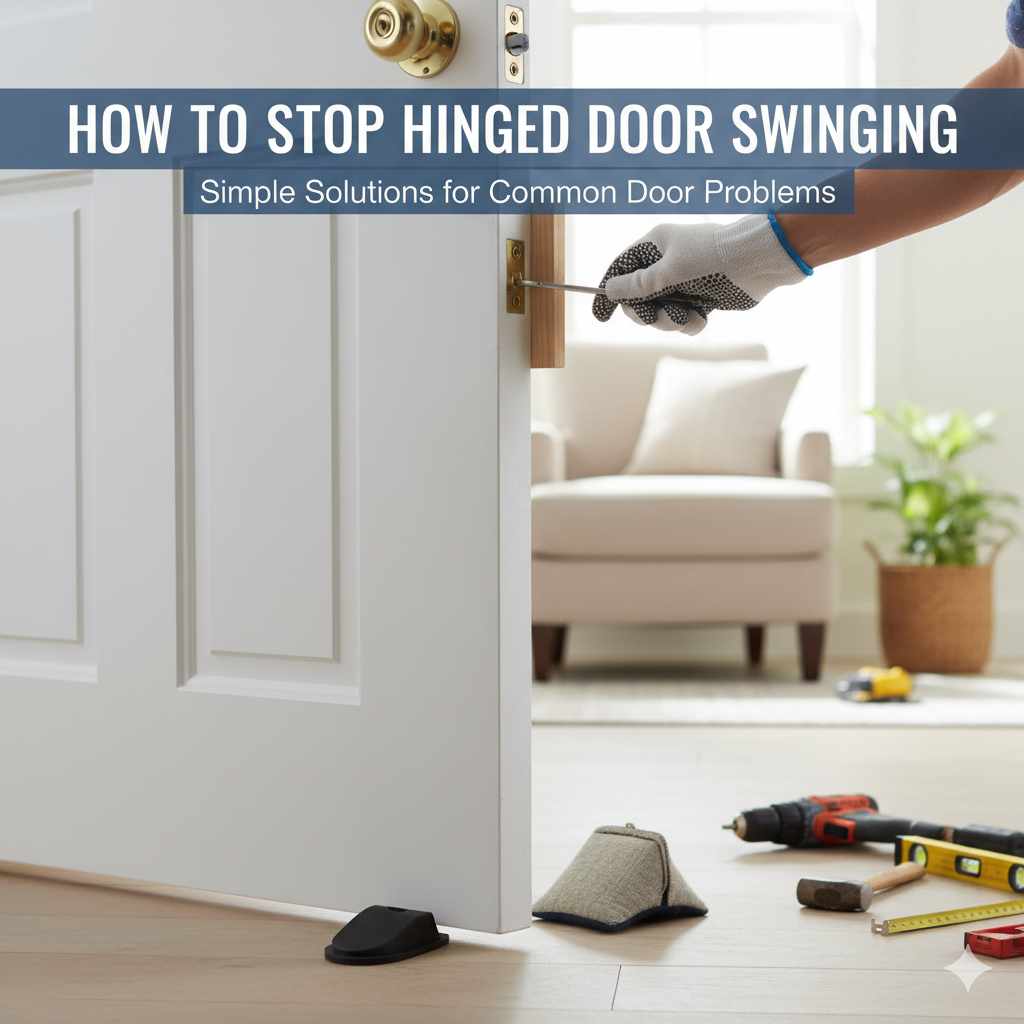
How to Stop Hinged Door Swinging: Proven Fixes
Quick Summary: Stop hinged doors from swinging open with simple fixes like adjusting hinges, adding door stops, or installing self-closing hinges. These proven methods are easy for DIYers and restore peace to your home by keeping doors securely in place.
Ever walk into a room only for the door to swing shut behind you? Or perhaps a door keeps drifting open when you don’t want it to? This common annoyance can disrupt your peace and quiet, and sometimes even pose a minor safety hazard. But don’t worry! As your friendly guide to home improvement, I’m here to show you exactly how to tackle this. We’ll go through simple, effective ways to keep your hinged doors exactly where you want them, without needing to be a seasoned pro. Let’s get those doors behaving!
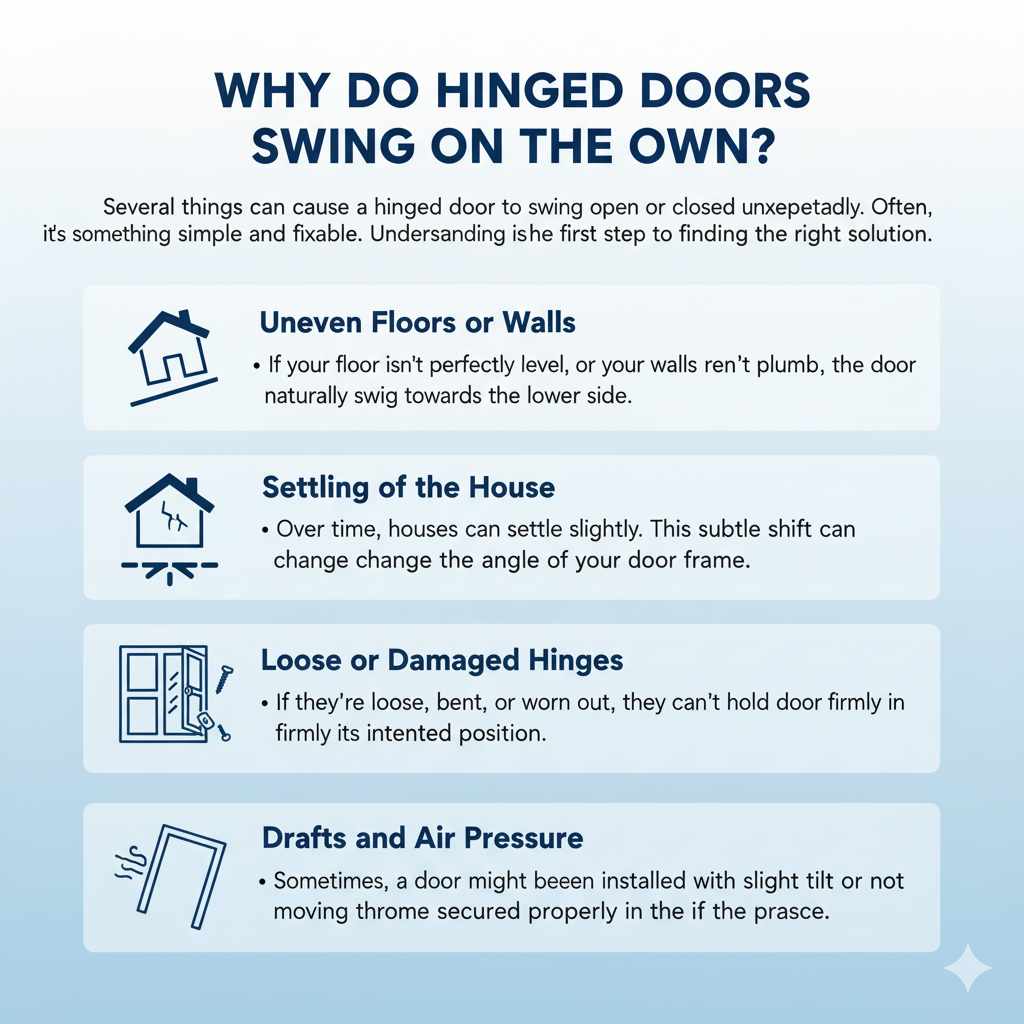
Why Do Hinged Doors Swing on Their Own?
Several things can cause a hinged door to swing open or closed unexpectedly. Often, it’s something simple and fixable. Understanding the cause is the first step to finding the right solution.
- Uneven Floors or Walls: If your floor isn’t perfectly level, or your walls aren’t plumb (perfectly vertical), the door might naturally swing towards the lower side. Gravity is a powerful force!
- Settling of the House: Over time, houses can settle slightly. This subtle shift can change the angle of your door frame, leading to doors that don’t stay put.
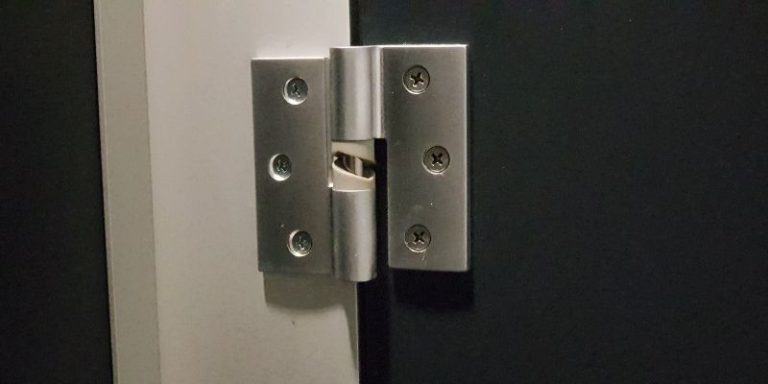
- Loose or Damaged Hinges: Hinges are the backbone of your door’s movement. If they’re loose, bent, or worn out, they can’t hold the door firmly in its intended position.
- Drafts and Air Pressure: Strong drafts from open windows, vents, or even just air moving through your home can exert enough pressure on a door to make it move.
- Improper Installation: Sometimes, a door might have been installed with a slight tilt or not secured properly in the first place.
Common Signs Your Door Needs Attention
Before we dive into the fixes, let’s quickly identify if your door is indeed giving you trouble. You might notice:
- The door slowly drifts open after you close it.
- The door swings shut on its own, startling you or closing off a room unexpectedly.
- The door doesn’t stay open when you want it to.
- You have to prop the door open with something.
- The door feels wobbly or doesn’t close smoothly.
Proven Fixes to Stop Hinged Door Swinging
Now for the good stuff! We’ll cover a few reliable methods, starting with the easiest. You likely have most of the tools you need around the house already.
1. Adjusting the Hinges: The First Line of Defense
Loose hinges are one of the most common culprits. Tightening them is usually the quickest and easiest fix. This is especially true if the door is sagging or doesn’t close flush against the frame.
Tools You’ll Need:
- Phillips head screwdriver
- Flathead screwdriver (optional, for prying)
- A helper (recommended for heavier doors)
Step-by-Step Guide:
- Inspect the Hinges: Open the door and look closely at all the hinges. Are the screws snug? Do any look bent or damaged?
- Tighten Loose Screws: Using your Phillips head screwdriver, gently tighten any screws that feel loose. Don’t overtighten, as this can strip the screw hole.
- Check the Hinge Pins: Sometimes, the hinge pin might be slightly raised. You can gently tap it down with a hammer (use a block of wood to protect the pin and hinge) or use a flathead screwdriver to pry it down slightly while the door is ajar.
-
Address Stripped Screw Holes: If a screw just keeps spinning, the hole is stripped. Here’s a simple fix:
- Remove the screw.
- Insert a wooden toothpick or a short piece of wooden matchstick into the hole.
- Break off the excess so it’s flush.
- Re-insert and tighten the screw. The wood fills the gap, giving the screw something to grip. For a more robust fix, you can use wood glue and a wooden dowel.
- Test the Door: Close the door and open it a few times to see if the issue is resolved.
2. Shimming Hinges for a Tighter Fit
If tightening screws doesn’t work, the issue might be that the door frame has shifted slightly, creating a gap between the hinge and the frame. Shims (thin pieces of wood or cardboard) can help close this gap and put pressure back on the door.
Tools You’ll Need:
- Utility knife or scissors
- Thin cardboard or wood veneer shims
- Screwdriver
- Hammer (optional)
Step-by-Step Guide:
- Identify the Problem Hinge: Open the door. If it swings inward and you want to stop that, you might need to shim the hinge leaf on the door frame side. If it swings outward, you might need to shim the hinge leaf on the door side.
- Remove the Hinge Pin: Carefully tap the hinge pin upwards using a nail set or a screwdriver and hammer. Once it’s loose, pull it out.
- Cut Your Shim: Cut a piece of cardboard or wood veneer to the size of the hinge leaf. You can also use pre-made shims.
- Place the Shim: Slide the shim behind the hinge leaf. For example, if the door swings inward, you’d place the shim behind the leaf attached to the door frame.
- Reassemble: Reinsert the hinge pin. You might need to tap it back in with a hammer.
- Test: Close the door and see if it stays put. You may need to add or remove shims, or try a different hinge, to get the perfect tension.
3. Installing Door Stops: Simple and Effective
Door stops are physical barriers that prevent a door from opening past a certain point. They are excellent for doors that you want to keep from swinging too far open or hitting furniture.
Types of Door Stops:
There are several kinds, each with its own way of working:
- Wedge Door Stops: These are simple wedges you place under the door. Great for temporary use or when you don’t want to make permanent changes.
- Wall Bumper Stops: These attach to the baseboard or wall and have a rubber tip that the door hits. They protect your wall from doorknob damage.
- Hinge Pin Stops: These replace your existing hinge pin with one that has a rubber stopper. They limit how far the door can open.
- Spring Door Stops: These are often decorative and screw into the baseboard. They have a spring that absorbs the door’s impact.
How to Install a Wall Bumper Stop (Common Type):
Tools You’ll Need:
- Drill
- Drill bits
- Screwdriver
- Pencil
- Tape measure
Step-by-Step Guide:
- Determine Door Swing: Open the door to the maximum angle you want it to go.
- Mark the Location: Hold the door stop against the wall or baseboard where the edge of the door will meet it at your desired stopping point. Mark the screw hole locations with a pencil.
- Drill Pilot Holes: If you’re screwing into wood, drill small pilot holes at your marks. If you’re drilling into drywall or plaster, you’ll likely need to use wall anchors (which usually come with the stop). Drill holes appropriate for the anchors.
- Attach the Stop: Screw the door stop into place. Make sure it’s secure.
- Test: Open the door to ensure it stops at the desired point and doesn’t damage the wall or stop itself.
4. Using a Door Closer: For Automatic Closing
If your goal is to have the door close itself gently and securely every time, a door closer is the solution. These are often seen on commercial doors but are available for residential use too. They use hydraulic pressure to control the speed of the door closing.
Tools You’ll Need:
- Drill
- Drill bits
- Screwdriver
- Tape measure
- Pencil
- Safety glasses
Step-by-Step Guide (General):
- Read the Manufacturer’s Instructions: Door closers vary, so always follow the specific guide for your model.
- Mount the Closer: Typically, the main body of the closer is mounted to the door frame, and an arm attaches to the door itself. The exact placement depends on whether the door opens towards you or away from you.
- Attach the Arm: Securely fasten the closer arm to the door.
- Adjust Speed: Most closers have adjustable valves to control the speed of the closing and latching. Adjust these until the door closes smoothly and latches properly without slamming.
- Test: Open and close the door several times to ensure it functions as expected.
Note: Installing a door closer can be a bit more involved than other fixes. If you’re not comfortable with drilling and precise measurements, you might consider getting help from a handyman.
5. Gravity and Leveling: The Foundation Fix
Sometimes, the root cause is more fundamental: the house itself has shifted, or the door frame is no longer plumb or level. This is more of a significant renovation task, but understanding it is key.
How it works: If a door frame is tilted, gravity will naturally pull the door to swing towards the lower side. Fixing this often involves adjusting the framing, which can be complex.
What you can do as a homeowner:
- Check for Level: Use a spirit level on the door frame (top, sides) and the floor near the door. If it’s significantly off, it indicates a structural issue.
- Minor Adjustments: In some cases, you might be able to use shims behind the door frame itself where it meets the wall studs to subtly adjust the frame’s angle. This is a more advanced DIY task.
- Professional Help: For significant leveling issues, it’s best to consult a carpenter or general contractor. They can assess the structural integrity and make the necessary repairs. You can learn more about framing and leveling from resources like Fine Homebuilding, a reputable source for home construction techniques.
6. Using a Door Wedge or Stop Block
This is the simplest, non-permanent solution. If you just need a door to stay open temporarily, a simple door wedge is your best friend. For a more permanent, but still non-invasive, solution, you can install a small block of wood at the bottom of the door frame to stop it from swinging too far open.
Tools You’ll Need:
- A door wedge (rubber or wood)
- OR a small block of wood
- Screws (if using a wood block)
- Drill (if using a wood block)
How to Use a Wood Block:
- Position the Door: Open the door to the desired position.
- Measure and Cut: Measure the gap between the bottom of the door and the floor. Cut a small piece of wood to that height.
- Attach: Screw the wood block to the floor just in front of the door’s path. When the door is opened to that point, it will rest against the block.
When to Call a Professional
While most of these fixes are straightforward DIY tasks, there are times when it’s wise to bring in a pro:
- Structural Issues: If the door frame is visibly sagging, or you suspect a foundation problem is causing the swing.
- Complex door Types: For heavy, ornate, or specialized doors (like pocket doors or barn doors, though this article focuses on hinged).
- Frequent Problems: If you’ve tried multiple fixes and the problem keeps returning, there might be an underlying issue you’re missing.
- Lack of Confidence: If you’re not comfortable with the tools or steps involved, it’s always better to get professional help to ensure a safe and lasting repair.
Maintenance Tips to Prevent Future Issues
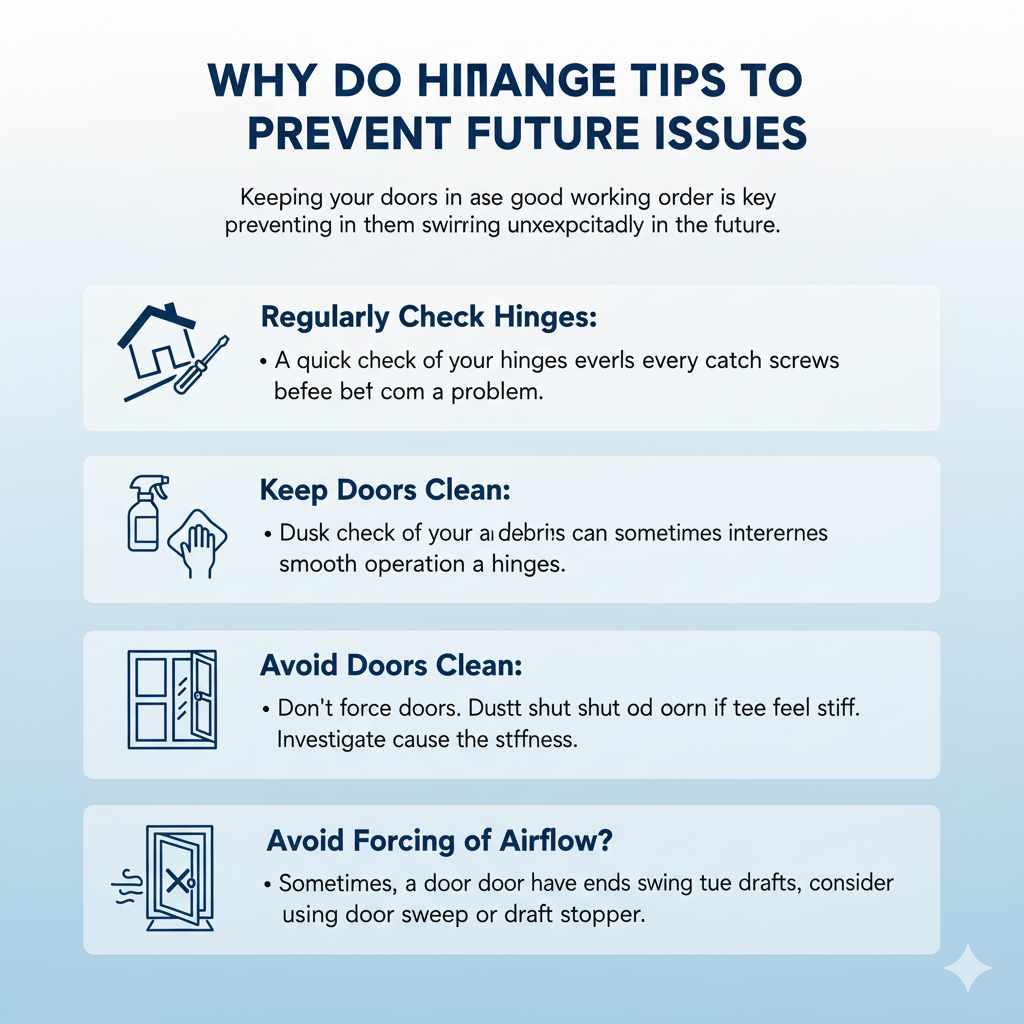
Keeping your doors in good working order is key to preventing them from swinging unexpectedly in the future.
- Regularly Check Hinges: A quick check of your hinges every few months can catch loose screws before they become a problem.
- Keep Doors Clean: Dust and debris can sometimes interfere with the smooth operation of hinges.
- Avoid Forcing Doors: Don’t force doors shut or open if they feel stiff. Investigate the cause of the stiffness.
- Be Mindful of Airflow: If you have a door that tends to swing due to drafts, consider using a door sweep or draft stopper.
Frequently Asked Questions (FAQ)
Q1: My door swings open by itself. What’s the most likely cause?
A1: The most common causes are loose hinges, an uneven floor, or drafts. Start by tightening your hinges. If that doesn’t work, check if the floor is level where the door is or if there are strong air currents.
Q2: How do I stop my door from slamming shut?
A2: To stop a door from slamming, you can install a door closer, which controls the speed of closing, or add a soft-close mechanism. A simple rubber door bumper can also reduce the impact.
Q3: Can I fix a door that’s sagging and swinging?
A3: Yes, sagging doors are often caused by loose or worn hinges. Tightening hinge screws is the first step. If that doesn’t work, you might need to shim the hinges or replace them entirely. For severe sagging, professional assessment might be needed.
Q4: I don’t want to drill holes. Are there any solutions for that?
A4: Absolutely! Simple door wedges are a great non-drilling option to keep doors open. For stopping them from swinging shut, you can try using magnetic door catches that adhere to the door and frame, or ensure your hinges are perfectly adjusted so they stay put.
Q5: How often should I check my door hinges?
A5: It’s a good idea to give your door hinges a quick check at least twice a year, perhaps when you change your clocks for daylight saving time. Look for loose screws or any signs of wear and tear.
Q6: My door only swings open a little bit, but it’s annoying. What can I do?
A6: This minor drift is often due to slightly loose hinges or a very subtle tilt. Try tightening all the hinge screws first. If that doesn’t fully solve it, shimming one of the hinges slightly might be necessary to create just enough tension to hold it.
Conclusion
Dealing with a door that swings on its own might seem like a small issue, but it can certainly be a persistent nuisance. Thankfully, as we’ve explored, there are several effective and beginner-friendly ways to get your hinged doors to stay put. From the simple act of tightening a screw to strategically placed door stops, you now have the knowledge to tackle this common home improvement task with confidence. Remember, a well-behaved door not only adds convenience but also contributes to the overall comfort and functionality of your home. So grab your screwdriver, and let’s get those doors working for you!