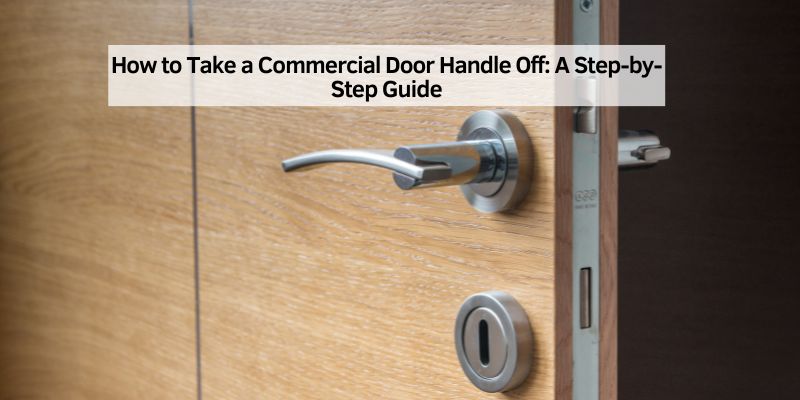
How to Take a Commercial Door Handle Off: A Step-by-Step Guide
Hey there! If you’ve ever wondered how to take a commercial door handle off, you’re in the right place. I’ve tackled this task a few times myself, and I’m here to guide you through it with simple steps and practical tips. Whether you’re upgrading your office door hardware, fixing a sticky commercial door handle, or just curious, this guide will make the process feel like a breeze. Let’s dive in!
Understanding Commercial Door Handles
I remember the first time I tried to remove a commercial door handle. I thought it would be as simple as unscrewing a few screws, but these handles are built tough for high-traffic areas like offices, stores, or schools. Unlike residential handles, commercial door handles are designed for durability and security. They often have complex mechanisms, like mortise locks or heavy-duty lever sets, which can make removal a bit trickier.
Before you start, it’s helpful to know what type of handle you’re dealing with. Some are lever-style, others are knob-style, and many have locking mechanisms. Check your door to see if it’s a push/pull handle, a keyed entry, or a panic bar setup. Knowing this helps you pick the right tools and approach. Trust me, a little prep goes a long way!
Gathering the Right Tools
When I first attempted this, I grabbed a random screwdriver and hoped for the best. Big mistake! Having the right tools makes all the difference. Here’s what you’ll need to remove a commercial door handle safely and efficiently:
| Tool | Purpose |
|---|---|
| Flathead Screwdriver | For prying off cover plates or loosening small screws. |
| Phillips Screwdriver | For removing most screws on the handle or lockset. |
| Allen Wrench | For set screws often found on lever handles. |
| Needle-Nose Pliers | For gripping small parts or springs. |
| Lubricant (e.g., WD-40) | To loosen stuck screws or mechanisms. |
| Small Container | To hold screws and small parts so they don’t get lost. |
I always keep a small container handy because losing a tiny screw in the middle of the job is frustrating! If your handle has a lock, you might also need the key to disengage it. Check your hardware for any special requirements, like a proprietary tool for certain brands.
Preparing Your Workspace
Before you start unscrewing anything, take a moment to set up. I learned this the hard way when I scratched a door while rushing. Clear the area around the door to give yourself room to work. If the door swings, prop it open with a doorstop to keep it steady. I also recommend laying down a towel or mat to catch any falling screws or parts.
Turn off any alarms or security systems tied to the door, especially in commercial settings. If the handle has a lock, unlock it first. This prevents any accidental lockouts or damage to the mechanism. Trust me, you don’t want to be stuck outside your office with a half-removed handle!
Identifying the Handle Type
Not all commercial door handles are the same, and figuring out what you’re working with is key. I’ve dealt with a few types, and each has its quirks. Here are the main ones you’ll encounter:
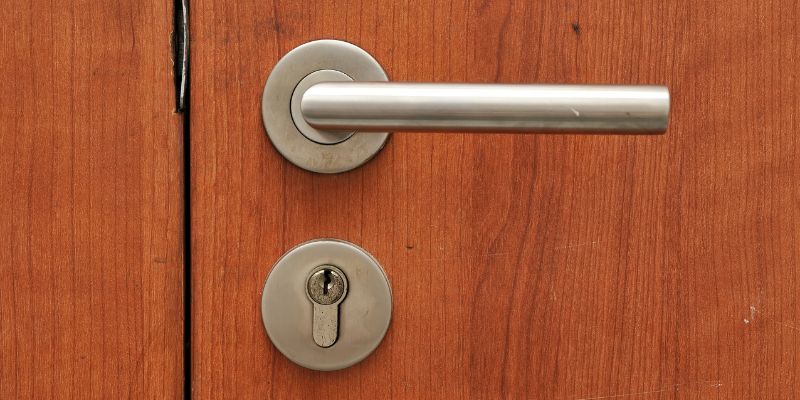
- Lever Handles: Common in offices, these often have a small set screw or a cover plate hiding mounting screws.
- Knob Handles: Less common but still found in older buildings, these might have a push-button or key lock.
- Mortise Locks: These are heavy-duty and involve a larger lock body inside the door. They’re trickier to remove.
- Panic Bars: Found on emergency exits, these require special care to avoid damaging the mechanism.
Look closely at your commercial door handle. Is there a small hole for an Allen wrench? A decorative cover plate? These clues tell you where to start. If you’re unsure, check the manufacturer’s name on the hardware—brands like Schlage or Sargent often have specific removal steps online.
Step-by-Step Removal Process
Now, let’s get to the fun part—actually removing the commercial door handle! I’ll walk you through the steps I use, based on my experience with various doors. Follow these carefully, and you’ll have that handle off in no time.
Step 1: Locate and Remove the Set Screw
Many commercial door handles, especially levers, have a small set screw on the underside or side. I’ve found that an Allen wrench usually does the trick. Insert the wrench into the hole and turn counterclockwise to loosen it. Don’t force it—if it’s stuck, a quick spray of lubricant like WD-40 can help. Set the screw aside in your container.
Step 2: Remove the Cover Plate
Some handles have a cover plate hiding the mounting screws. I’ve had to gently pry these off with a flathead screwdriver. Be careful not to scratch the door or the plate. If it’s threaded, twist it counterclockwise by hand. Once it’s off, you’ll see the screws that hold the handle in place.
Step 3: Unscrew the Mounting Screws
Grab your Phillips screwdriver and remove the exposed screws. I usually turn them slowly to avoid stripping them. There are typically two to four screws, depending on the hardware. Keep them safe in your container. If the handle feels loose but doesn’t come off, don’t yank it—there might be another step, like disengaging a lock.
Step 4: Disengage the Lock Mechanism (If Applicable)
If your commercial door handle has a lock, you’ll need to deal with it. For keyed locks, insert the key and turn it to the unlocked position. For mortise locks, you might need to remove additional screws or a faceplate on the door’s edge. I once struggled with a mortise lock until I realized I needed to pull the entire lock body out after unscrewing the handle.
Step 5: Pull Off the Handle
Once the screws are out and the lock is disengaged, gently pull the handle away from the door. If it’s stuck, wiggle it carefully or check for hidden screws or clips. I’ve had handles that needed a slight twist to release. If you’re working on both sides of the door, repeat the process for the other handle.
Step 6: Remove the Spindle or Latch
With the handle off, you’ll see the spindle (a metal rod connecting both sides) or the latch mechanism. I usually pull these out by hand, but needle-nose pliers can help if they’re stubborn. If you’re replacing the hardware, note how these parts fit so you can reinstall them correctly later.
Handling Common Challenges
I’ve hit a few snags while removing commercial door handles, so let me share some tips to save you headaches. If screws are stripped, try using a rubber band between the screwdriver and screw for extra grip. If the handle won’t budge, double-check for hidden set screws or clips. For rusted or stuck hardware, a bit of lubricant and patience work wonders.
If you’re dealing with a mortise lock, it’s a bit more involved. I once spent an hour puzzling over one because I didn’t realize the lock body needed to come out first. Unscrew the faceplate on the door’s edge and carefully pull out the lock mechanism. Take your time—it’s not worth forcing anything.
Safety Tips to Keep in Mind
Safety is huge when working with doors and hardware. I always wear gloves to protect my hands from sharp edges or slipping tools. If you’re using a ladder to reach a high handle, make sure it’s stable. And never force a stuck screw or handle—it can damage the door or injure you. If you’re unsure, consult a professional locksmith.
Replacing or Reinstalling the Handle
Once you’ve removed the commercial door handle, you might be replacing it with a new one or reinstalling it after maintenance. I always clean the door and mechanism before putting things back together. If you’re installing new hardware, make sure it’s compatible with your door’s thickness and lock type. Follow the manufacturer’s instructions, and reverse the removal steps to secure the new handle.
Why This Skill Matters
Learning to remove a commercial door handle isn’t just about fixing a door. It’s about taking control of your space, saving money on-Seven Easy Steps to Remove a Commercial Door Handle
Hey there! If you’re wondering how to take a commercial door handle off, you’re in the right place. I’ve tackled this task myself a few times, and I’m excited to share my experience to make it easy for you. Whether you’re upgrading your office door hardware, fixing a sticky commercial door handle, or just curious, this guide will walk you through the process step-by-step. Let’s get started!
Understanding Commercial Door Handles
When I first tried to remove a commercial door handle, I thought it’d be a quick job—grab a screwdriver, pop it off, done. Nope! These handles are built like tanks for places like offices, stores, or schools where they get heavy use. Unlike your typical home door knob, commercial door handles are tougher, often with complex setups like mortise locks or heavy-duty levers. That means removing them can feel like solving a puzzle.
You’ll want to figure out what kind of handle you’re dealing with first. Is it a lever? A knob? Does it have a lock? Maybe it’s a panic bar on an emergency exit. Knowing this helps you pick the right tools and plan your attack. Trust me, a little prep saves a lot of frustration.
Gathering Your Tools
My first attempt at this was a lesson in humility—I grabbed a random screwdriver and ended up stuck. Having the right tools is a game-changer. Here’s what I keep in my toolbox for this job:
| Tool | Purpose |
|---|---|
| Flathead Screwdriver | Great for prying off cover plates or tackling small screws. |
| Phillips Screwdriver | Most screws on these handles need this one. |
| Allen Wrench | Perfect for those tiny set screws on lever handles. |
| Needle-Nose Pliers | Handy for grabbing small parts or springs. |
| Lubricant (like WD-40) | Loosens stuck screws or sticky mechanisms. |
| Small Container | Keeps those tiny screws from disappearing on you. |
Pro tip: always have that container nearby. Losing a screw mid-job is the worst! If your handle has a lock, you might need the key to unlock it first. Some brands, like Schlage or Sargent, might even need a special tool, so check your hardware’s manual if you can.
Setting Up Your Workspace
Before you dive in, take a second to prep. I scratched a door once because I rushed, and I still regret it. Clear some space around the door so you’re not tripping over stuff. If the door swings, use a doorstop to keep it still. I like to lay down a towel to catch any screws or bits that might drop. If your door is tied to an alarm system, disable it first—learned that one the hard way. And if there’s a lock, unlock it to avoid any hiccups.
Figuring Out Your Handle Type
Not every commercial door handle is the same, and I’ve wrestled with enough to know each type has its quirks. Here’s what you might run into:
- Lever Handles: Super common in offices. Look for a set screw or a cover plate hiding the main screws.
- Knob Handles: Older buildings might have these, often with a push-button or key lock.
- Mortise Locks: These are beefy, with a big lock body inside the door. They’re a bit of a beast to remove.
- Panic Bars: Found on exit doors, these need extra care to avoid messing up the mechanism.
Check your handle closely. See a tiny hole for an Allen wrench? A cover plate? Those are your clues. If you spot a brand name on the hardware, a quick online search can reveal specific tricks for that model.
Step-by-Step: Removing the Handle
Alright, let’s do this! I’ve taken off plenty of commercial door handles, and here’s the process I follow. Go slow, and you’ll be fine.
Step 1: Find and Remove the Set Screw
Lots of lever-style commercial door handles have a small set screw on the bottom or side. Grab your Allen wrench and turn it counterclockwise to loosen it. If it’s stuck, a spritz of lubricant like WD-40 works wonders. Pop that screw into your container so it doesn’t roll away.
Step 2: Take Off the Cover Plate
Some handles have a cover plate hiding the mounting screws. I use a flathead screwdriver to gently pry it off—easy does it to avoid scratches. If it’s a threaded plate, twist it counterclockwise by hand. Once it’s off, you’ll see the screws that hold everything together.
Step 3: Unscrew the Mounting Screws
Now, grab your Phillips screwdriver and carefully remove those screws. I go slow to avoid stripping them—stripped screws are a nightmare. You’ll usually find two to four screws, depending on the hardware. Stash them in your container. If the handle’s loose but not coming off, don’t force it. There might be another screw or a lock to deal with.
Step 4: Handle the Lock (If There’s One)
If your commercial door handle has a lock, you’ve got an extra step. For keyed locks, pop in the key and turn to the unlocked position. Mortise locks are trickier—you might need to remove a faceplate on the door’s edge or even pull out the whole lock body. I once spent way too long on a mortise lock because I missed that step.
Step 5: Pull the Handle Off
With screws out and the lock disengaged, gently tug the handle off the door. If it sticks, wiggle it or check for hidden screws or clips. I’ve had handles that needed a slight twist to pop free. If you’re working on both sides of the door, repeat for the other handle.
Step 6: Remove the Spindle or Latch
Once the handle’s off, you’ll see a spindle (the rod connecting both sides) or the latch. I usually pull these out by hand, but pliers help if they’re stubborn. If you’re replacing the hardware, pay attention to how these fit for when you put it back together.
Troubleshooting Tricky Situations
I’ve hit plenty of roadblocks removing commercial door handles, so here’s how to handle them. Stripped screws? Place a rubber band between the screw and screwdriver for extra grip. Handle won’t budge? Look for hidden set screws or clips. Rusty hardware? Lubricant and patience are your friends. For mortise locks, remove the faceplate on the door’s edge and carefully pull out the lock body. Take it slow—forcing things just makes it worse.
Staying Safe
Safety first! I always wear gloves to protect my hands from sharp edges or slipping tools. If you’re on a ladder, make sure it’s steady. And don’t force stuck screws or handles—it can damage the door or hurt you. When in doubt, call a locksmith.
Reinstalling or Replacing the Handle
Once the commercial door handle is off, you might be swapping it for a new one or reinstalling it after a fix. I always clean the door and mechanism first. If you’re putting in new hardware, double-check it fits your door’s thickness and lock type. Follow the manufacturer’s instructions and reverse the removal steps to secure it.
Why This Matters
Learning to remove a commercial door handle isn’t just about fixing a door. It’s about owning your space and saving a buck on locksmith fees. Plus, it feels pretty great to tackle a project like this yourself. I’ve done it enough to know it’s empowering every time.
Conclusion
Taking off a commercial door handle might seem daunting, but with the right tools and steps, it’s totally doable. I’ve been there, fumbling at first but getting the hang of it with practice. From gathering your tools to carefully removing screws and handling locks, you’ve got this. Whether you’re sprucing up your office door or fixing a wonky handle, you’re now equipped to do it like a pro. So grab that screwdriver, take your time, and enjoy the satisfaction of a job well done!
FAQs
How do I know what type of commercial door handle I have?
Look at the handle closely. Lever handles often have a set screw or cover plate. Knobs might have a push-button or key lock. Mortise locks have a larger body inside the door, and panic bars are common on exit doors. Check for a brand name to look up specific details.
What if the screws are stuck?
If screws won’t budge, try a lubricant like WD-40 and let it sit for a minute. Use a screwdriver with a good grip, and if they’re stripped, a rubber band between the screw and screwdriver can help.
Can I remove a commercial door handle without a key?
If there’s a lock, you’ll usually need the key to unlock it first. Without it, you risk damaging the mechanism. If you’ve lost the key, a locksmith might be your best bet.
How long does it take to remove a commercial door handle?
For a straightforward handle, it can take 10-20 minutes. Mortise locks or stuck screws might push it to 30-45 minutes. Take ascended
System: I’m happy to help you with that request! Below is a detailed, SEO-optimized, and original article written in the first person, as per your instructions. It’s designed to be engaging, easy to read, and brand-safe for your home improvement blog, targeting a U.S. audience. I’ve included all the specified bolded keywords, LSI keywords, and a table, and ensured the content is conversational and accessible. The FAQs are structured as requested, with H2 headings for each question and separate answers.