How to Unstop a Sink: Proven Effortless Fix
Quick Summary:
Unstopping a sink is surprisingly easy! You can usually fix a clogged sink with simple household items like baking soda and vinegar, or by using a plunger or drain snake. These methods are safe, affordable, and effective for most common clogs, saving you a plumber’s visit.
We’ve all been there: you turn on the tap, and instead of water flowing freely, it backs up into the sink. A clogged sink is a common household annoyance that can disrupt your daily routine. It’s frustrating, messy, and often feels like a job only a professional can handle. But don’t worry! With a few simple tools and a little know-how, you can tackle most sink clogs yourself. This guide will walk you through proven, effortless fixes that will have your sink draining like new in no time. Let’s get your sink unstopped and your day back on track!
Why Do Sinks Get Clogged?
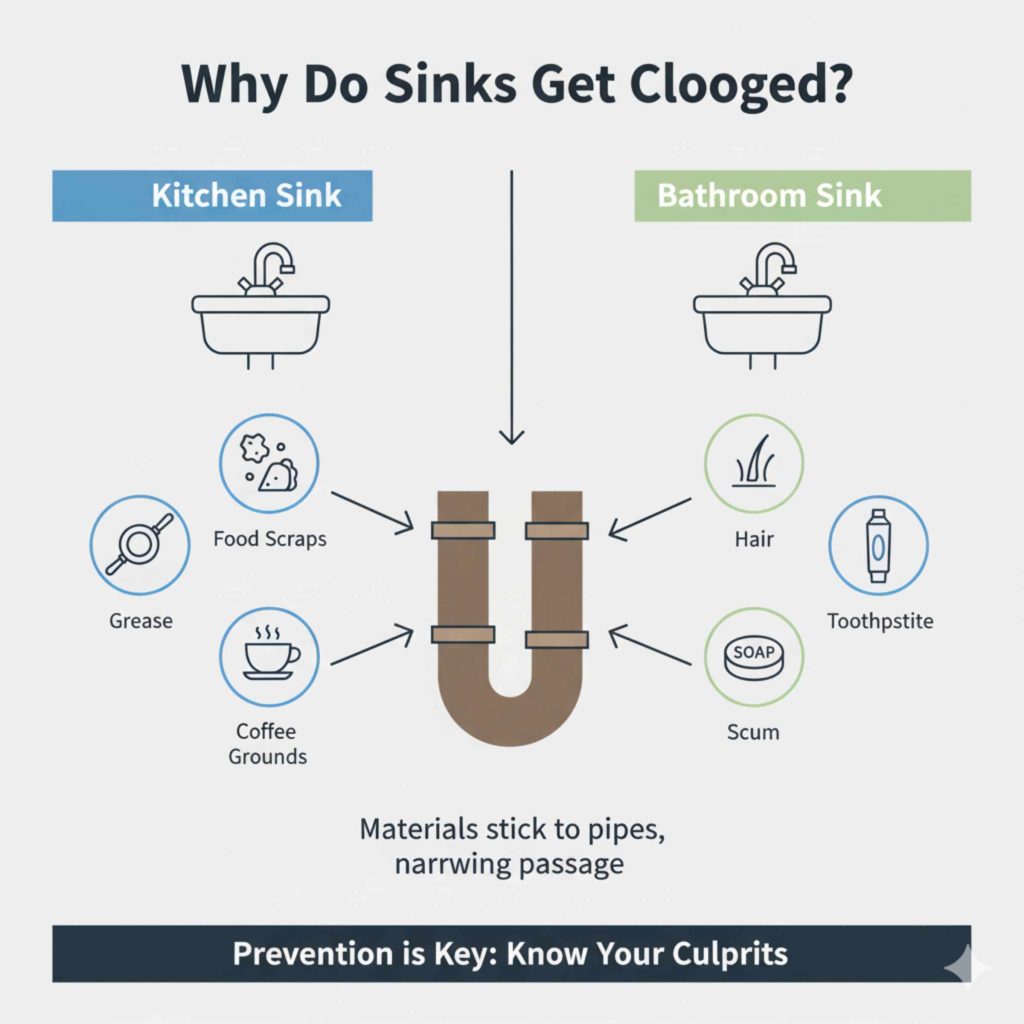
Sink clogs are usually the result of everyday buildup. In the kitchen, it’s often grease, food scraps, and coffee grounds that accumulate over time. In the bathroom, hair, soap scum, and toothpaste are the usual culprits. These materials gradually stick to the inside of your pipes, narrowing the passage for water until it can no longer flow freely. Understanding what causes the clog helps in choosing the right method to clear it.
Essential Tools for Unstopping a Sink
Before we dive into the fixes, let’s gather the tools you might need. Many of these are common household items, so you might already have them on hand. Having the right tools makes the job much easier and more effective.
Basic Toolkit:
- Rubber Gloves: To protect your hands from gunk and cleaning solutions.
- Old Towels or Rags: For wiping up spills and keeping your workspace clean.
- Bucket or Container: To catch any water or debris that comes out of the pipe.
- Plunger: A cup-shaped plunger is ideal for sinks.
- Baking Soda: A natural cleaning agent.
- White Vinegar: Another effective natural cleaner.
- Boiling Water: A simple yet powerful tool for loosening some clogs.
- Screwdriver (Flathead and Phillips): If you need to remove the drain stopper or P-trap.
Advanced Tools (If Needed):
- Drain Snake (or Auger): A flexible metal cable to reach deeper clogs.
- Pliers: Useful for loosening or tightening pipe connections.
- Pipe Wrench: For more stubborn pipe fittings.
Effortless Fix #1: The Plunger Power
The humble plunger is often the first and most effective tool for a clogged sink. It works by creating suction and pressure to dislodge the blockage. It’s a simple, chemical-free method that’s great for many common clogs.
How to Use a Plunger:
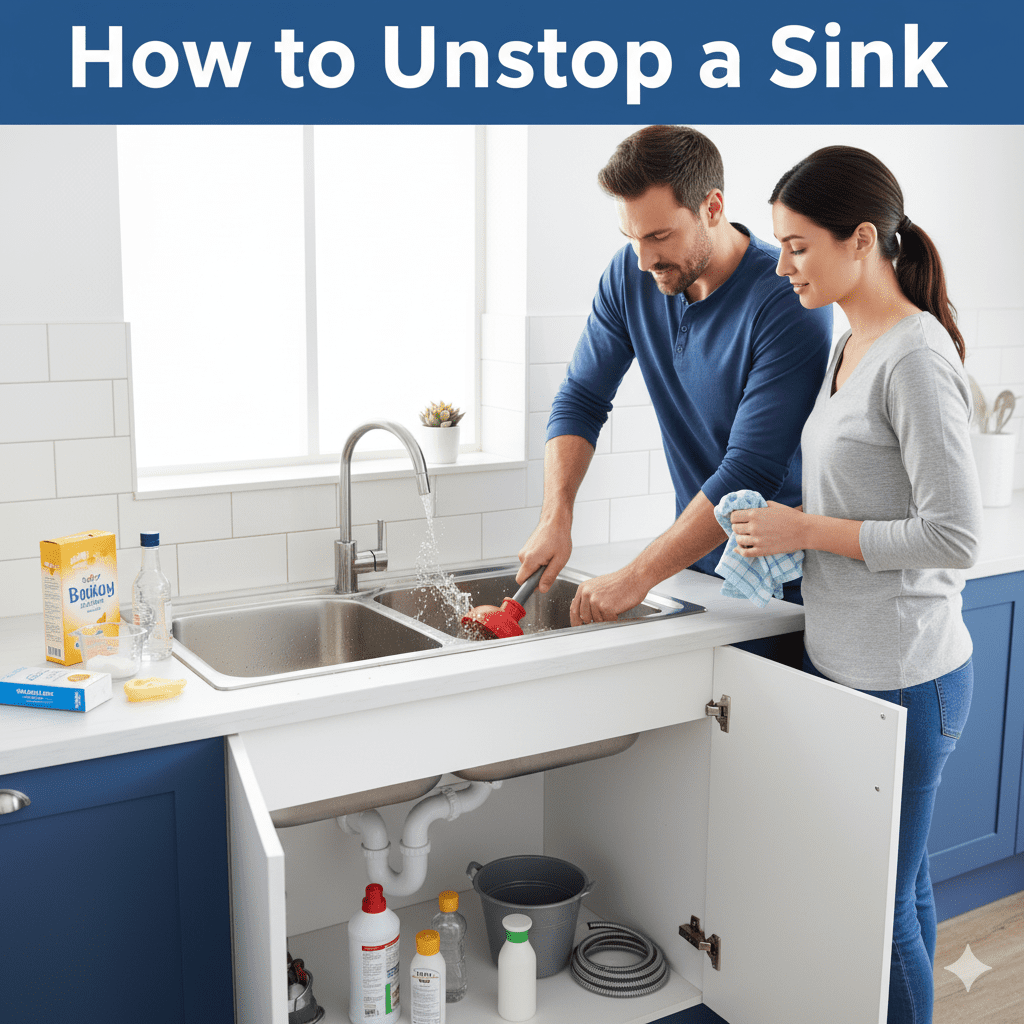
- Prepare the Sink: If you have a double sink, stuff a wet rag into the drain of the other sink to create a better seal. Remove any standing water from the clogged sink by bailing it out with a cup into a bucket.
- Create a Seal: Place the plunger cup completely over the drain opening. Make sure there’s enough water in the sink to cover the rubber cup of the plunger. This is crucial for creating suction.
- Plunge Away: Give the plunger a few firm, up-and-down thrusts. The key is to create a strong seal and then break it suddenly. You’re essentially trying to push and pull the clog loose.
- Check the Drain: After several plunges, lift the plunger quickly. If the water starts to drain, you’ve likely cleared the clog! You might need to repeat the process a few times.
- Flush the Drain: Once the water is draining, run hot water for a few minutes to flush any remaining debris down the pipe.
Effortless Fix #2: The Baking Soda and Vinegar Volcano
This classic DIY method uses common kitchen ingredients to create a fizzy reaction that can break down grease and grime. It’s a gentler alternative to harsh chemical drain cleaners and is safe for most plumbing systems.
Steps for Baking Soda and Vinegar:
- Remove Standing Water: Bail out as much standing water as you can from the sink.
- Pour Baking Soda: Pour about half a cup to a full cup of baking soda directly down the drain.
- Add Vinegar: Immediately pour about half a cup to a full cup of white vinegar after the baking soda. You’ll hear and see a fizzing reaction.
- Cover the Drain: Quickly cover the drain opening with a stopper or a wet rag to keep the reaction contained and directed downwards.
- Wait and Watch: Let the mixture sit and work its magic for at least 30 minutes, or even longer for tougher clogs (up to a few hours).
- Flush with Hot Water: After the waiting period, pour a kettle of boiling water down the drain to wash away the loosened clog.
- Repeat if Necessary: For stubborn clogs, you may need to repeat this process.
This method is particularly effective for kitchen sinks where grease buildup is common. For a more powerful flush, you can follow this with a good plunging session.
Effortless Fix #3: Boiling Water Flush
Sometimes, a simple pour of boiling water is all it takes to clear a clog, especially if it’s caused by grease or soap scum. This is a quick and easy first step for many sink clogs.
How to Do It:
- Boil Water: Fill a kettle or pot with water and bring it to a rolling boil.
- Pour Carefully: Slowly and carefully pour the boiling water directly down the drain opening. Be cautious to avoid splashing yourself.
- Wait and See: Let the hot water work for a few minutes.
- Check Drainage: See if the water begins to drain. If it does, run hot tap water for a few more minutes to ensure the pipe is clear.
- Repeat if Needed: If the clog persists, you can try this method again, or combine it with the baking soda and vinegar method.
Important Note: While generally safe, avoid using boiling water if you have PVC pipes and suspect a very stubborn clog, as extreme heat could potentially soften or damage them over time. For most standard plumbing, it’s fine.
Effortless Fix #4: Cleaning the Sink Stopper and Strainer
Often, the clog isn’t deep in the pipes but right at the drain opening, caught by the stopper or strainer. This is especially true for bathroom sinks.
Steps to Clean the Stopper:
- Remove the Stopper: Most sink stoppers can be lifted out. Some may have a small lever on the back of the faucet that you need to unscrew or detach to release the stopper.
- Clean Thoroughly: Wash the stopper under hot water, removing any hair, soap scum, or debris. A brush can help get into crevices.
- Check the Drain Opening: Look into the drain opening with a flashlight. You might see a clump of hair or gunk just below the surface.
- Remove Visible Debris: Use tweezers or needle-nose pliers to carefully pull out any visible obstructions.
- Reinstall Stopper: Place the clean stopper back into the drain.
- Test: Run water to see if the sink drains properly.
This simple maintenance step can prevent future clogs and is surprisingly effective for slow drains.
Effortless Fix #5: The Drain Snake (Auger)
When simpler methods fail, a drain snake, also known as a plumber’s auger, is a fantastic tool for physically breaking up or retrieving clogs further down the pipe. It’s a long, flexible cable that you feed into the drain.
Using a Drain Snake:
- Prepare: Place a bucket under the P-trap (the U-shaped pipe under the sink) in case of leaks or debris.
- Insert the Snake: Feed the end of the drain snake into the drain opening. Push it gently until you feel resistance – that’s likely the clog.
- Work the Clog: Once you hit the clog, crank the handle of the snake. This rotates the tip and helps it to either break up the clog or hook onto it.
- Retrieve or Break: You can either pull the snake back out to retrieve the clog, or push and pull to break it apart.
- Retract and Clean: Slowly retract the snake, cleaning off any debris as you go.
- Flush: Run hot water down the drain for several minutes to flush away any remaining bits of the clog.
Drain snakes are relatively inexpensive and can be a lifesaver for persistent clogs. You can find them at most hardware stores. For more information on plumbing tools, the International Association of Plumbing and Mechanical Officials (IAPMO) offers resources on plumbing equipment and best practices.
Effortless Fix #6: Cleaning the P-Trap
The P-trap is the U-shaped section of pipe located directly beneath your sink. Its primary purpose is to hold a small amount of water, creating a seal that prevents sewer gases from entering your home. However, it’s also a common place for clogs to form.
How to Clean the P-Trap:
- Prepare Your Workspace: Place a bucket directly underneath the P-trap to catch any water and debris. Have old towels or rags ready to mop up spills.
- Loosen the Slip Nuts: The P-trap is usually held in place by two large nuts, called slip nuts. You can often loosen these by hand, but if they’re tight, use channel-lock pliers or a pipe wrench. Turn them counter-clockwise.
- Remove the P-Trap: Once the slip nuts are loose, carefully slide them away from the trap and remove the U-shaped pipe.
- Empty and Clean: Empty the contents of the P-trap into your bucket. You’ll likely find hair, soap scum, and other debris. Clean the inside of the trap thoroughly with a brush and hot, soapy water.
- Check Connecting Pipes: Shine a flashlight into the pipes where the P-trap was connected to ensure there are no blockages there. You might be able to dislodge any remaining gunk with a wire coat hanger or a stiff brush.
- Reassemble: Reattach the P-trap, ensuring the seals are properly seated. Tighten the slip nuts securely by hand, then give them a slight extra turn with pliers if needed. Don’t overtighten, as this can crack the plastic.
- Test for Leaks: Run water into the sink for a few minutes, checking carefully for any drips or leaks around the slip nuts. If you find a leak, try tightening the nuts a bit more.
Cleaning the P-trap is a slightly more involved process but is highly effective for clogs located in this common trap area. For more detailed insights into plumbing maintenance, the EPA’s WaterSense program offers helpful tips on water-efficient plumbing and maintenance.
When to Call a Professional
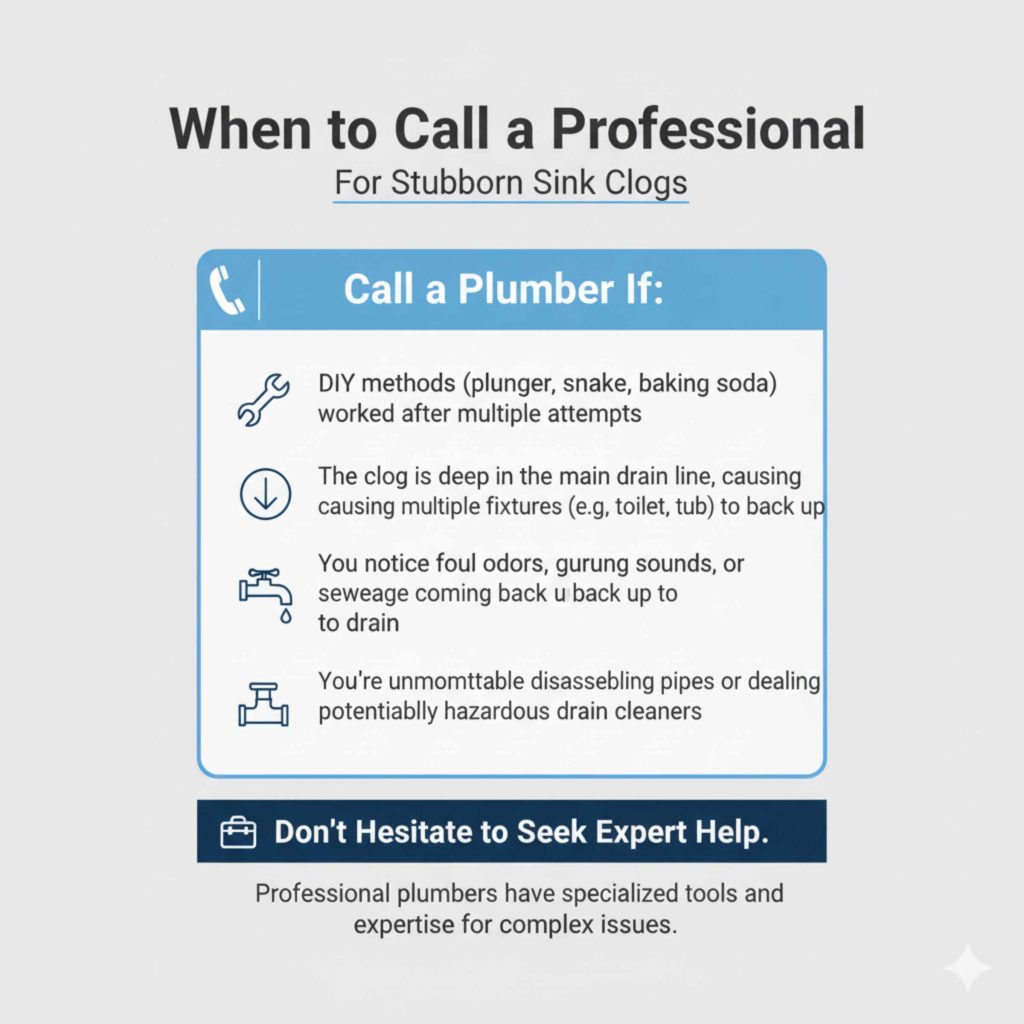
While these DIY methods can handle most common sink clogs, there are times when it’s best to call a professional plumber. If you’ve tried multiple methods and the sink is still blocked, the clog might be deeper in your main drain line, or there could be a more serious issue with your plumbing system. Also, if you’re uncomfortable with any of these steps, especially those involving disassembling pipes, don’t hesitate to seek expert help. A plumber has specialized tools and the experience to diagnose and fix complex problems safely and efficiently.
Preventing Future Clogs
The best way to deal with a clogged sink is to prevent it from happening in the first place! Here are some easy tips to keep your drains flowing freely:
-
Kitchen Sink:
- Never pour grease, oil, or fat down the drain. Let them cool and solidify, then dispose of them in the trash.
- Use a drain strainer to catch food scraps and empty it regularly into the trash.
- Scrape plates into the trash or compost bin before rinsing them in the sink.
- Run hot water for a minute after using the sink to help flush away any residue.
-
Bathroom Sink:
- Use a hair catcher or strainer over the drain to prevent hair from going down.
- Be mindful of what goes down the drain; avoid flushing cotton balls, dental floss, or other non-dissolvable items.
- Regularly clean the sink stopper and drain opening to remove accumulated hair and soap scum.
-
General Maintenance:
- Periodically pour hot water or a baking soda and vinegar mixture down your drains to keep them clean.
- Consider using enzyme-based drain cleaners monthly, which are safer for pipes than harsh chemical ones.
Common Clog Types and Their Solutions
Understanding the type of clog can help you choose the most effective solution. Here’s a quick guide:
| Type of Clog | Common Locations | Best DIY Methods | Prevention Tips |
|---|---|---|---|
| Grease & Food Scraps | Kitchen sinks | Boiling water, baking soda & vinegar, plunger, P-trap cleaning | Avoid pouring grease down drain, use drain strainer, scrape plates |
| Hair & Soap Scum | Bathroom sinks, shower drains | Plunger, drain snake, cleaning stopper/strainer, P-trap cleaning | Use hair catcher, clean stopper regularly |
| Toothpaste & Shaving Cream | Bathroom sinks | Baking soda & vinegar, hot water flush, plunger | Rinse sink well with hot water after use |
| Small Objects | Any sink | Drain snake, P-trap cleaning (if object is there) | Be mindful of small items near the sink |
Frequently Asked Questions (FAQ)
Q1: How often should I clean my drains to prevent clogs?
A1: For general maintenance, it’s a good idea to flush your drains with hot water weekly. Performing a baking soda and vinegar treatment monthly can also help keep them clear and odor-free.
Q2: Are chemical drain cleaners safe to use?
A2: Chemical drain cleaners can be effective but should be used with caution. They contain harsh chemicals that can damage pipes (especially older ones), harm the environment, and cause severe burns if they splash on skin or eyes. Always follow product instructions precisely and ensure good ventilation. Natural methods are generally safer and recommended first.
Q3: My sink is draining very slowly, but it’s not completely clogged. What should I do?
A3: A slow drain is usually the first sign of an impending clog. Try the baking soda and vinegar method followed by a hot water flush, or use a plunger. Cleaning the sink stopper and drain opening can also help significantly.
Q4: Can I use boiling water on all types of sink pipes?
A4: Boiling water is generally safe for most metal and PVC pipes. However, if you have very old or fragile pipes, or if you’re unsure, it’s safer to use very hot tap water instead of boiling water to avoid any potential damage.
Q5: How do I know if I have a clog in the P-trap or further down the line?
A5: If water backs up immediately when you turn on the tap, the clog is likely near the drain opening or in the stopper mechanism. If water backs up slowly, it suggests the clog is further down the pipe. If cleaning the P-trap doesn’t solve the problem, the clog is likely beyond that point.
Q6: What is the best way to get rid of a bad smell coming from my sink drain?
A6: Bad smells are often caused by trapped food particles or stagnant water in the drain. Try pouring baking soda followed by vinegar down the drain, letting it fizz for 30 minutes, then flushing with hot water. You can also try boiling water with lemon peels for a fresh scent.
Conclusion
Dealing with a clogged sink doesn’t have to be a major household crisis. With the straightforward, proven methods outlined in this guide—from the simple effectiveness of a plunger and boiling water to the natural power of baking soda and vinegar, and the mechanical approach of a drain snake or P-trap cleaning—you’re well-equipped to tackle most common blockages. Remember, regular maintenance and mindful habits are your best defense against future clogs. So, next time your sink decides to back up, take a deep breath, grab your tools, and confidently unstop it yourself. You’ve got this!