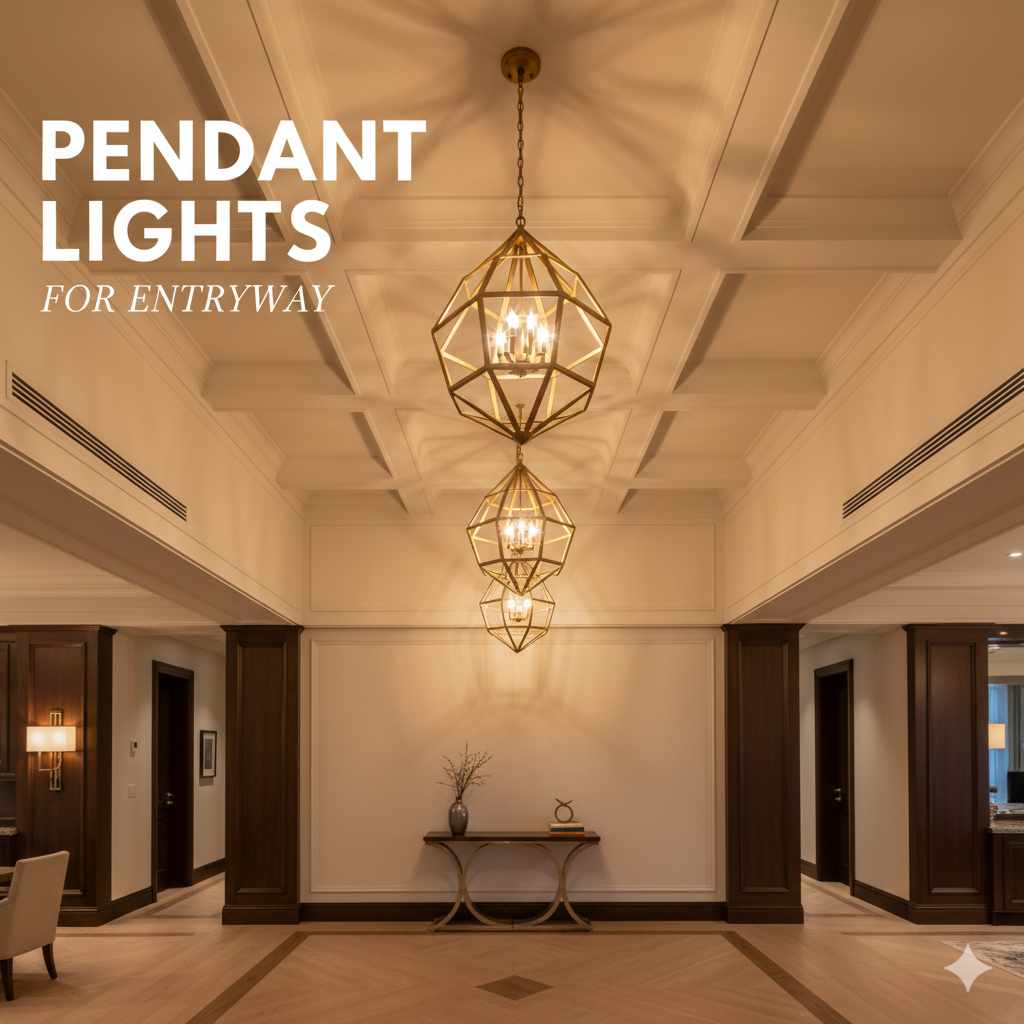
Pendant Lights for Entryway: Essential Style
Pendant lights for your entryway tie your home’s style together, creating a welcoming first impression. Choosing the right size, style, and height makes a huge difference. This guide helps you select perfect pendant lights for your entryway, making your home shine from the moment guests arrive.
Your home’s entryway is the handshake it gives to the world. It’s the first thing people see, and it sets the tone for everything that follows. A well-lit, stylish entryway makes a fantastic first impression, inviting guests in and making you feel good every time you arrive home. But how do you get that perfect look? Often, the answer lies in the lighting. Pendant lights are fantastic for entryways because they add both light and a touch of decorative flair. They can be a focal point, drawing the eye and adding personality. If you’re wondering how to pick the best pendant lights for your entryway, you’ve come to the right place. I’ll walk you through it step-by-step, making it simple and stress-free.
Why Pendant Lights Are Perfect for Entryways
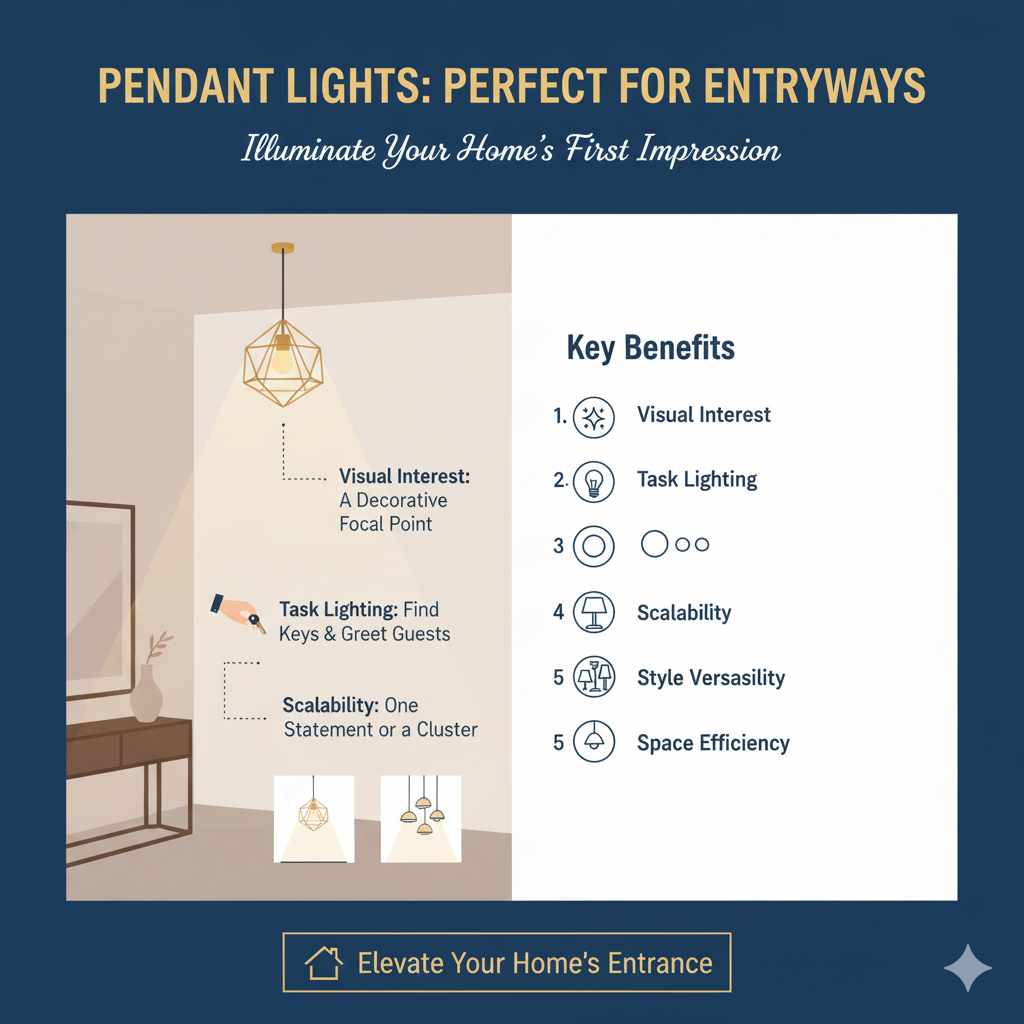
Entryways are often high-traffic areas that need to be both functional and beautiful. Pendant lights offer a brilliant solution because they provide focused illumination while also acting as a decorative element. Think of them as jewelry for your home’s entrance. They hang down, drawing attention and adding a layer of design that a simple ceiling fixture might miss.
Here’s why pendant lights are a top choice for entryways:
Visual Interest: They add a decorative focal point, much like a piece of art.
Task Lighting: They can provide good light for finding keys, mail, or greeting guests.
Scalability: You can choose one statement pendant or a cluster of smaller ones to fit your space.
Style Versatility: From modern minimalist to rustic farmhouse, there’s a pendant style for every décor.
Space Efficiency: They hang from the ceiling, leaving floor space clear, which is crucial in smaller entryways.
Understanding Your Entryway Space
Before you even start looking at pendant lights, it’s important to measure your entryway and consider its features. This will help you avoid choosing a light that’s too big, too small, or just doesn’t fit the space’s proportions.
Measure Your Space
Grab a tape measure! You’ll need to know:
Width and Length: This helps determine the overall scale of the pendant or group of pendants.
Ceiling Height: This is crucial for determining the correct hanging height. A very low ceiling might require a more flush pendant, while a high ceiling can handle a dramatic, long-hanging fixture.
Doorway Clearance: Make sure any pendant, especially one that hangs low, won’t be a head-bumping hazard for anyone entering or exiting.
Consider Your Ceiling Type
Most homes have standard flat ceilings, but some have sloped or vaulted ceilings.
Flat Ceilings: These are the easiest to work with. You can install almost any type of pendant light.
Sloped or Vaulted Ceilings: These require special hardware called a “sloped ceiling adapter” or “canopy kit.” This adapter allows the pendant to hang straight down and not at an angle. Always check if the pendant you’re interested in is compatible with these adapters, or if you need to purchase one separately.
Choosing the Right Pendant Light Style
The style of your pendant light should complement the overall aesthetic of your home. Think about the furniture, wall color, and other decorative elements you have.
Popular Entryway Pendant Styles
Here are some common styles that work beautifully in entryways:
Modern/Contemporary: Clean lines, geometric shapes, and materials like metal, glass, or acrylic. Think minimalist designs.
Farmhouse/Rustic: Often features natural materials like wood, distressed metals, and simpler, more organic shapes. Edison bulbs are a common touch.
Industrial: Exposed bulbs, metal cages, and a utilitarian feel. Often uses materials like iron, steel, or concrete.
Transitional: A blend of traditional and modern elements, offering a timeless and versatile look.
Art Deco: Bold geometric patterns, luxurious materials like brass or polished chrome, and often a sense of glamour.
Material Matters
The material of your pendant can significantly impact its look and feel.
Glass: Offers a clear, bright light. Can be clear, frosted, colored, or textured.
Metal: Provides a more solid, often industrial or modern feel. Finishes can range from brushed nickel and chrome to matte black and brass.
Wood: Adds warmth and a natural element, perfect for farmhouse or Scandinavian styles.
Fabric: Creates a softer, diffused light and can add a touch of elegance.
Crystal: For a touch of luxury and sparkle.
Sizing Your Pendant Light
Getting the size right is crucial for both aesthetics and functionality. A pendant that’s too large can overwhelm a small entryway, while one that’s too small can get lost.
Single Pendant Sizing
For a single pendant light, consider these guidelines:
Entryway Width: A good rule of thumb is that the diameter of your pendant should be about one-third the width of your entryway or the table it’s hanging over.
Ceiling Height:
Standard 8-foot ceilings: Hang the bottom of the pendant 7 to 8 feet from the floor.
Higher ceilings (9-12 feet): You can hang the pendant lower, about 8 to 9 feet from the floor, or even lower if it’s a very grand space.
Lower ceilings (under 8 feet): Opt for a more flush-mounted pendant or ensure the one you choose has a very short drop.
Over a Console Table: The pendant’s diameter should generally be about half to two-thirds the width of the console table.
Multiple Pendant Sizing
If you’re using a cluster or row of pendant lights, the sizing is a bit different:
Grouping: For a cluster, ensure the combined width of the pendants doesn’t exceed the width of your entryway or table.
Spacing: When hanging multiple pendants in a row (e.g., over a long console table), space them evenly. A common spacing is 10-15 inches between pendants, but this can vary based on their size.
Height: Ensure the lowest point of any pendant in the group is at least 7 feet from the floor to avoid head-bumping.
Installation Considerations
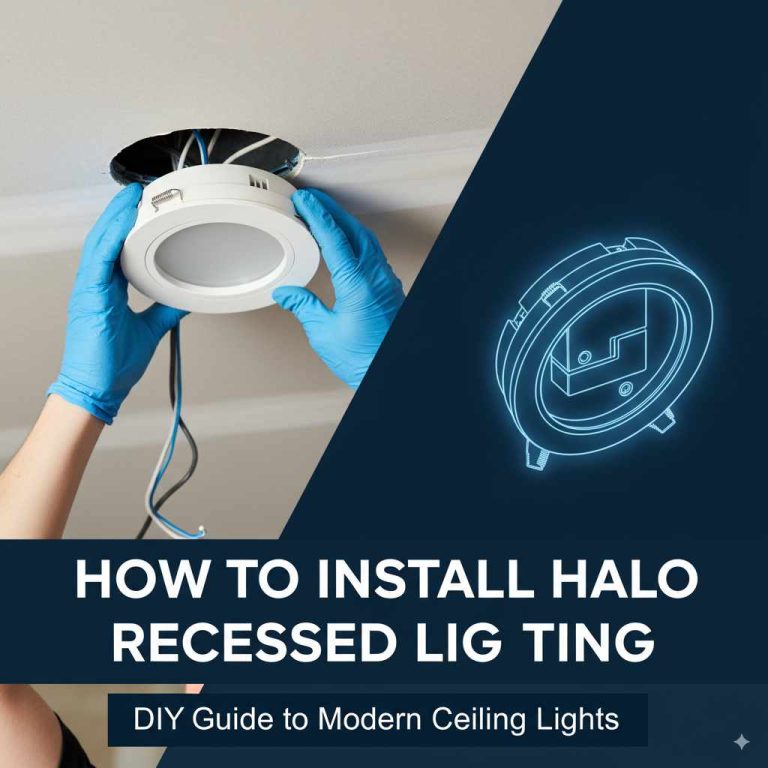
Installing a pendant light involves working with electricity, so safety is paramount. If you’re not comfortable with electrical work, it’s always best to hire a qualified electrician.
What You’ll Need (If Doing it Yourself)
If you decide to tackle this project, here are some tools and materials you might need:
New Pendant Light Fixture: Make sure it comes with all necessary mounting hardware.
Ladder: A sturdy ladder that reaches your ceiling safely.
Screwdrivers: Phillips head and flathead.
Wire Strippers/Cutters: For preparing electrical wires.
Voltage Tester: To ensure the power is off before you start.
Electrical Tape: For securing wire connections.
Wire Nuts: To connect electrical wires.
Adjustable Wrench or Pliers: For tightening nuts and bolts.
Drill (optional): May be needed for some mounting brackets.
Safety Glasses: Always protect your eyes.
Work Gloves: For a better grip and protection.
Step-by-Step Installation Guide (Simplified)
This is a general overview. Always follow the specific instructions that come with your pendant light.
1. Turn Off Power: Crucially, go to your circuit breaker box and turn off the power to the fixture you are replacing. Use a voltage tester to confirm there is no power at the existing light fixture.
2. Remove Old Fixture: Carefully remove the old light fixture. This usually involves unscrewing a canopy cover to expose the wiring. Disconnect the wires (usually by unscrewing wire nuts) and remove the fixture.
3. Assemble New Fixture: Follow the manufacturer’s instructions to assemble your new pendant light. This might involve attaching the downrod, shade, and socket.
4. Mount the Bracket: Secure the new mounting bracket to the electrical box in the ceiling.
5. Connect Wires:
Identify the wires from the ceiling (usually black for hot, white for neutral, and bare copper or green for ground).
Connect the corresponding wires from the pendant light to the ceiling wires using wire nuts. Typically:
Black wire from pendant to black wire from ceiling.
White wire from pendant to white wire from ceiling.
Ground wire from pendant to ground wire from ceiling.
Tuck the connected wires neatly into the electrical box.
6. Install the Canopy: Carefully push the canopy up to the ceiling and secure it over the mounting bracket, often with screws. Ensure no wires are pinched.
7. Install Light Bulb: Screw in the appropriate light bulb (check wattage recommendations).
8. Turn Power Back On: Go back to the circuit breaker and turn the power back on.
9. Test: Turn on the light switch to test your new pendant.
When to Call a Professional Electrician
If you’re uncomfortable with any part of the electrical process.
If your home has old or questionable wiring.
If you need to install a new electrical box or run new wiring.
If you’re dealing with a sloped ceiling and aren’t sure how to adapt the fixture.
If the existing wiring doesn’t match standard color codes.
According to the Occupational Safety and Health Administration (OSHA), electrical work carries inherent risks, and proper safety precautions are essential to prevent serious injury or fatality.
Pendant Lights vs. Other Entryway Lighting
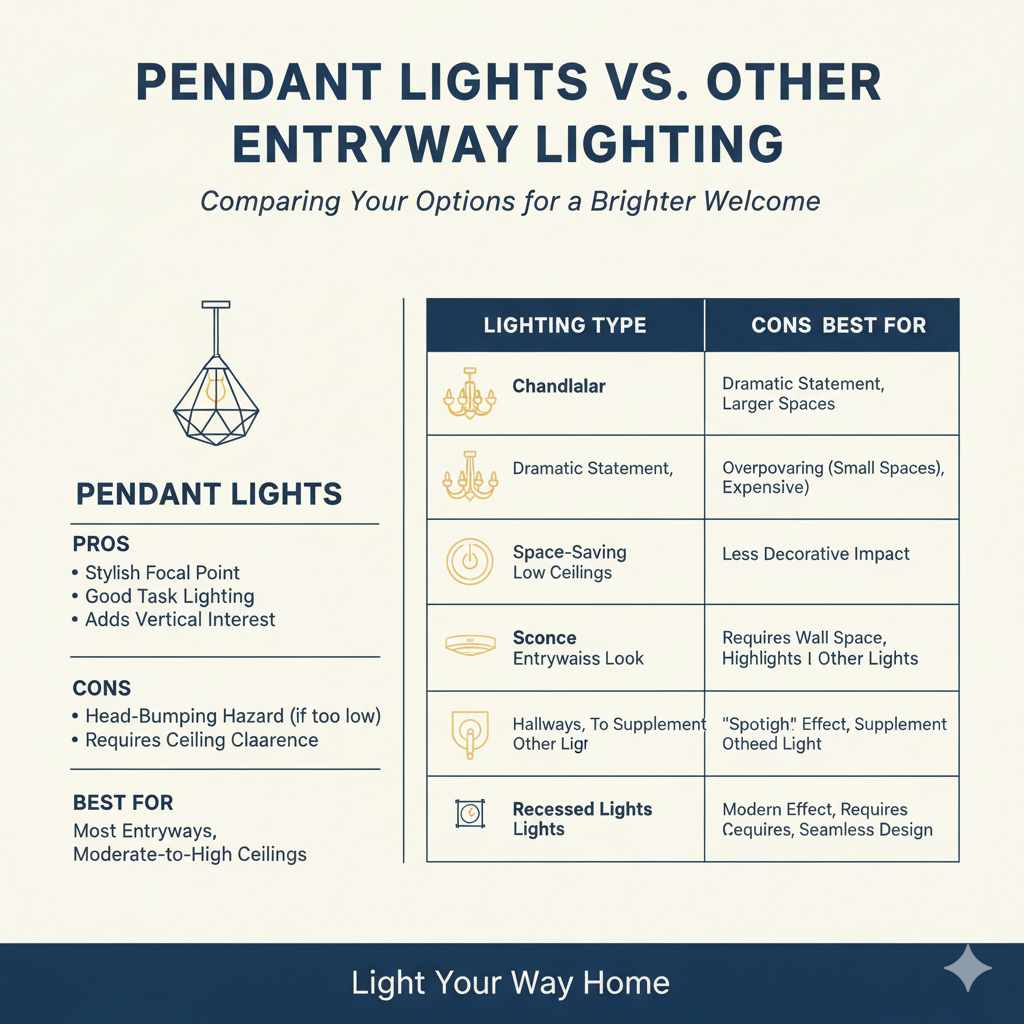
While pendant lights are a popular choice, they aren’t the only option. Understanding the pros and cons of other entryway lighting can help you make the best decision.
Comparison Table: Entryway Lighting Options
| Lighting Type | Pros | Cons | Best For |
| :—————– | :——————————————————————— | :————————————————————————– | :————————————————————————- |
| Pendant Lights | Stylish focal point, good task lighting, adds vertical interest. | Can be a head-bumping hazard if hung too low, requires ceiling clearance. | Most entryways, especially those with moderate to high ceilings. |
| Chandelier | Dramatic statement, excellent for larger spaces, good ambient light. | Can be overpowering in small spaces, often more expensive. | Grand foyers, large entryways, or homes with a formal aesthetic. |
| Flush Mount | Space-saving, good for low ceilings, provides general ambient light. | Less decorative impact, can feel less “designed.” | Small entryways, homes with low ceilings, or when a minimalist look is desired. |
| Sconces | Adds ambient light, can highlight artwork, good for narrow hallways. | Requires wall space, might not provide enough focused light alone. | Hallways, entryways with limited ceiling space, or to supplement other lights. |
| Recessed Lights| Clean, minimalist look, provides even ambient light, unobtrusive. | Can create a “spotlight” effect if not planned well, requires ceiling access. | Modern homes, or when a seamless, unobtrusive lighting scheme is desired. |
Frequently Asked Questions (FAQ)
Q1: How high should I hang a pendant light in my entryway?
For an 8-foot ceiling, the bottom of the pendant should generally be about 7 to 8 feet from the floor. For higher ceilings, you can hang it lower, around 8 to 9 feet. Always ensure it’s high enough to avoid being a head-bumping hazard.
Q2: Can I use a pendant light in a very small entryway?
Yes! For smaller entryways, choose a smaller-scale pendant or a cluster of very small, delicate pendants. A fixture that is too large can make the space feel cramped.
Q3: What if I have a sloped ceiling in my entryway?
You’ll need a special adapter called a “sloped ceiling adapter” or “canopy kit.” This allows the pendant to hang straight down. Check if the pendant you like is compatible or if you need to purchase an adapter separately.
Q4: How many pendant lights do I need for my entryway?
This depends on the size and layout. A narrow entryway might only need one statement pendant. A wider foyer or one with a console table could benefit from two or three smaller pendants hung in a row or cluster.
Q5: Should the style of my entryway pendant match my other lights?
It should complement, not necessarily match perfectly. Think about your home’s overall style. If you have modern fixtures elsewhere, a modern pendant in the entryway would fit well. If you have a more eclectic style, you can introduce a contrasting but harmonious piece.
Q6: What kind of light bulb is best for an entryway pendant?
Consider the type of light you want. For general illumination, a standard LED bulb is great. If your pendant has a decorative shade or exposed bulbs, an Edison-style LED bulb can add a vintage touch and is energy-efficient. Check the fixture’s maximum wattage.
Q7: How do I clean my pendant lights?
Cleaning methods depend on the material. For glass, a soft cloth with glass cleaner is usually best. For metal, a dry or slightly damp microfiber cloth is often sufficient. Always ensure the fixture is cool and the power is off before cleaning.
Conclusion
Your entryway is the first impression of your home, and the right pendant light can elevate it from ordinary to extraordinary. By understanding your space, choosing a style that reflects your personality, and getting the sizing just right, you can create a welcoming and stylish entrance that guests will admire. Remember, safety is key during installation, so don’t hesitate to call a professional if you’re unsure. With the guidance here, you’re well on your way to selecting and installing pendant lights that will make your entryway shine, making every arrival home a little brighter and more beautiful. Happy decorating!