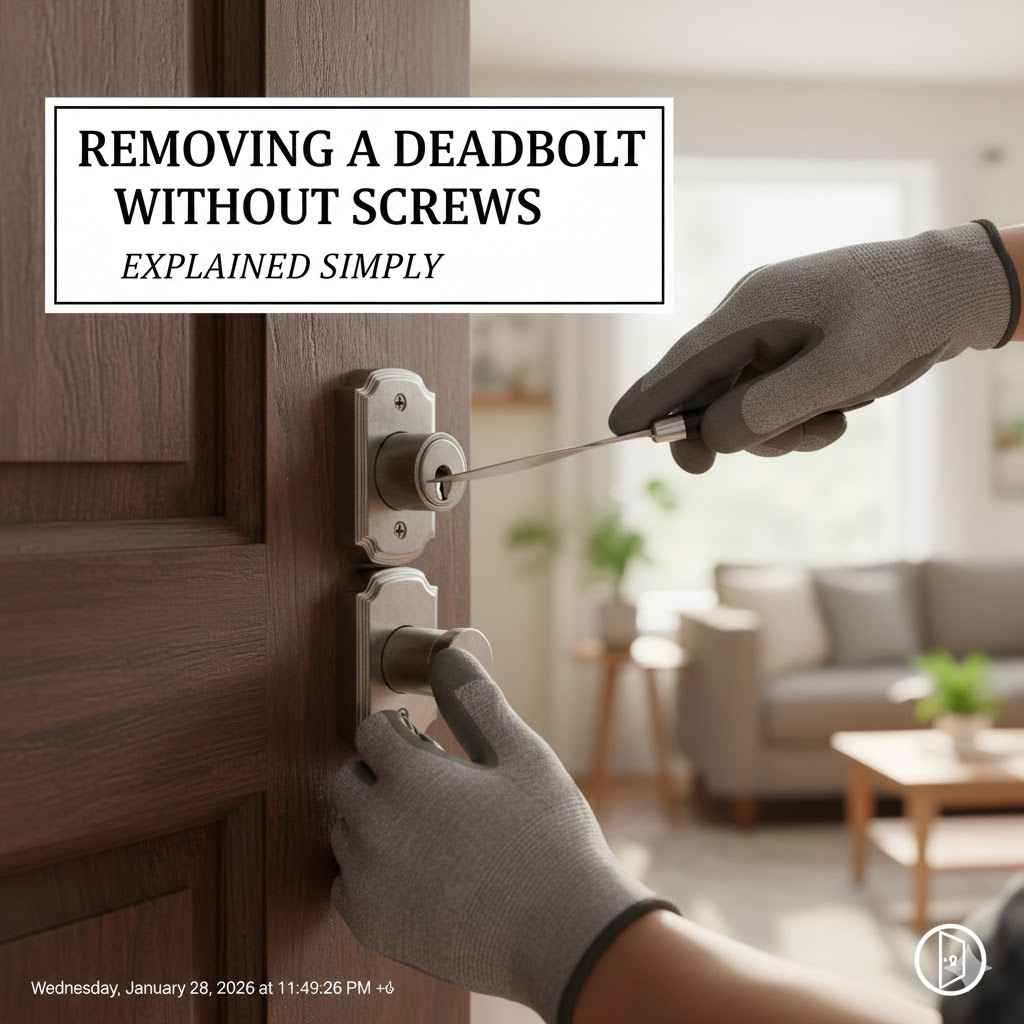
Removing a Deadbolt Without Screws Explained Simply
Figuring out How to Remove a Deadbolt Without Screws can seem tough, especially if you’re just starting out. It’s often tricky because deadbolts are made to be secure, and that means keeping them firmly in place. Don’t worry, though! We’re here to make things easy. We’ll explore simple methods to get your deadbolt off without any screws. Next, we’ll break down the steps you need, making the whole process super clear and straightforward.
The Basics of a Deadbolt and Its Parts
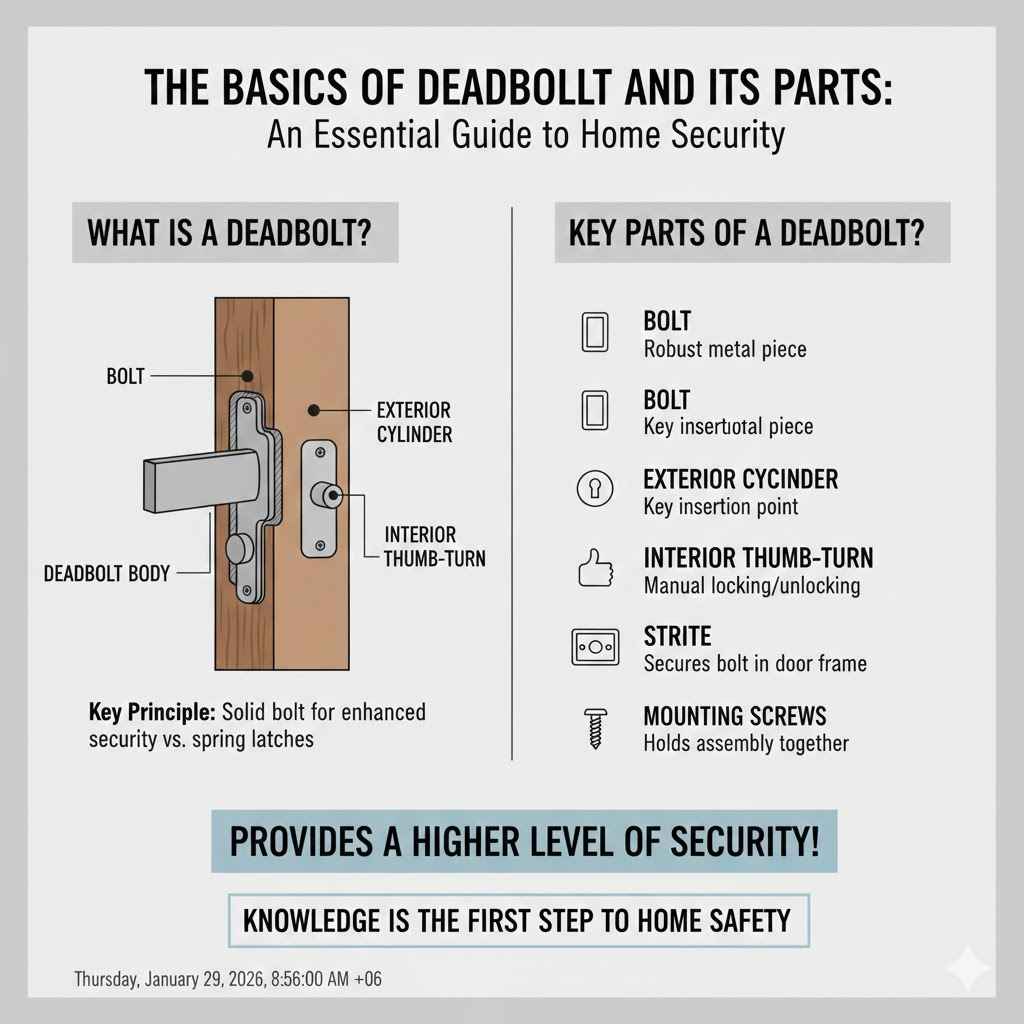
Before exploring how to remove a deadbolt, it is essential to have a basic idea of what a deadbolt is and how it works. A deadbolt is a security feature, often installed on exterior doors, designed to prevent unwanted entry. Unlike spring latches, which use a slanted bolt that can be pushed back, deadbolts feature a solid, rectangular bolt that extends into the door frame. This bolt is operated by a key from the outside or a thumb-turn from the inside, providing a higher level of security.
Deadbolts consist of several parts. The primary component is the bolt itself, a robust piece of metal that slides into the door frame. The bolt is housed within the deadbolt body, which is installed inside the door. On the outside, there’s a cylinder where the key goes, and on the inside, there is usually a thumb-turn to operate the bolt. The strike plate, installed on the door frame, receives the bolt when the door is closed, securing the door.
Understanding these elements helps in comprehending the steps involved in removing a deadbolt, particularly when screws are not accessible. The challenge often lies in figuring out how to release the bolt from its locking mechanism without resorting to typical methods.
What to Know Before Starting
Before attempting to take off a deadbolt without screws, it is wise to be familiar with the components and any potential limitations. This process might be necessary for several reasons, such as during a move, a situation where the screws have been stripped, or perhaps to change the door’s look. Knowing the type of deadbolt you have will help in removing it.
- Types of Deadbolts: There are different types, including single-cylinder (key on one side, thumb-turn on the other) and double-cylinder (key on both sides). Each type may present different challenges when removing without screws.
- Tools You Might Need: While the goal is screw-less removal, you might still need certain instruments, like a screwdriver, a thin piece of metal, or possibly a flathead screwdriver to help with the job.
- Safety First: Always take care during this process to avoid injury. Use gloves to protect your hands, and be aware of any sharp edges.
- Check the Door: Before you start, check the door and frame for any damage. Also, make certain that the door is not warped.
Knowing the basics will help you approach the task with the right mindset. You’ll be ready to deal with any challenges. Remember that patience is key. It’s usually better to take things slow and easy. These steps will make the removal job easier.
Common Reasons for Screwless Removal
The need to remove a deadbolt without screws can happen for several reasons. Screw holes that are stripped, and a complete lack of visible screws, are the most common. These problems can make the usual removal impossible.
- Stripped Screws: One common reason is that the screw holes have been stripped. This happens when the screws have been over-tightened or the threads in the door or frame are damaged.
- Lost Screws: Sometimes, the screws are missing. This might be due to someone taking them out or maybe losing them.
- Unusual Installations: Occasionally, the deadbolt might have been installed in a way that hides the screws or uses special fasteners not easily removed.
- Damage: If the door or frame is damaged, the screws may not hold correctly, causing them to loosen or fall out.
These circumstances require solutions that don’t depend on screws. It might involve finding alternative methods or using specialized tools.
Methods for Removing a Deadbolt Without Screws
Removing a deadbolt without screws requires the usage of different methods. It is often about figuring out how the deadbolt is held in place and finding ways to release it. These methods vary based on the type of deadbolt and the reasons for removing it.
The approaches explained here should help with getting the deadbolt out. Remember to use the methods that fit your situation. Take things slow to prevent any damage to the door or yourself.
Loosening the Cylinder and Bolt
One of the first methods to explore is loosening the cylinder and bolt. This can be done by carefully investigating how the deadbolt is fitted within the door. Even without screws, there might be other locking mechanisms holding it together.
- Check for Snap Rings: Some deadbolts have snap rings on the inside or outside cylinder. These rings hold the cylinder in place. You might be able to remove these with a small pick or a screwdriver.
- Inspect the Bolt: The bolt itself might have a retaining mechanism. Using a thin piece of metal, like a credit card, might allow you to get the bolt out of the strike plate.
- Try Turning the Cylinder: Gently turning the cylinder might unlock the mechanism holding it in the door. The cylinder could then slip out.
These approaches require close inspection and some degree of maneuvering. The main aim is to find ways to move the cylinder and bolt without relying on screws.
Using Tension and Leverage
Tension and leverage can be very helpful when removing a deadbolt. This often involves gently applying force in specific areas to release the deadbolt from its setting. Be cautious not to apply too much force, which could damage the door or the deadbolt itself.
- Applying Pressure: Gently push or pull on the outside cylinder. You might feel the deadbolt move, suggesting that pressure can affect the setup.
- Leveraging Tools: A flathead screwdriver can be used as a lever if there are any small gaps. You may be able to nudge the cylinder or bolt free.
- Finding the Pivot Point: Sometimes, a deadbolt is held by a pivot point. Finding and working on the point might give you the ability to move the deadbolt.
These approaches are about finding the weak points and taking advantage of them. With some patience and care, you can often remove the deadbolt without needing screws.
Dealing With Hidden Fasteners
Sometimes, the problem isn’t the absence of screws, but rather that the screws are hidden. They might be covered by a decorative plate or installed in an unusual way. Finding these hidden fasteners is a vital step.
- Checking Decorative Plates: Look closely at any decorative plates. They may hide screws. Sometimes, these plates just snap off.
- Inspecting the Edges: Examine the edges of the deadbolt housing. Sometimes, screws are placed there, where they may not be easily noticed.
- Using a Magnet: If you suspect metal fasteners, a magnet may help locate them by attracting screws from their locations.
Finding hidden fasteners can make the removal process easier. The goal is to discover what’s holding the deadbolt in place and remove those fasteners if possible. A keen eye and a bit of exploration can make this part easier.
Troubleshooting and Extra Tips
Sometimes, you run into challenges during the deadbolt removal. Here are some tips to help when things are not going as planned. Using a bit of creativity might be needed.
Troubleshooting involves patience and considering different solutions. Never give up on the process! You might discover a practical way to remove the deadbolt.
What if the Bolt Won’t Budge?
It’s common for the deadbolt to be stuck. Knowing how to handle it when it does not move is useful.
- Check the Alignment: Sometimes, the deadbolt doesn’t move because the bolt and strike plate are not aligned. Try adjusting the door or strike plate.
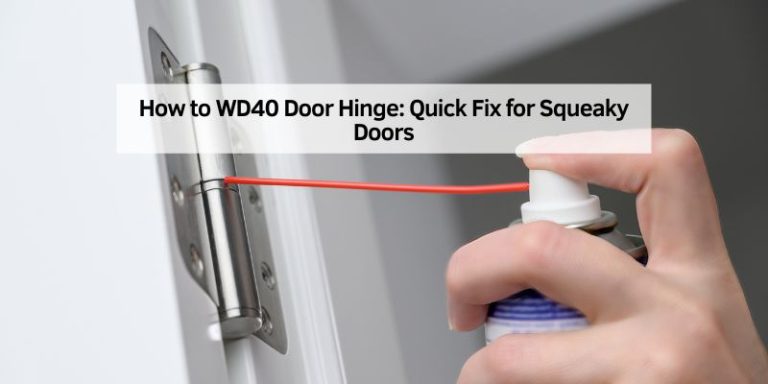
- Lubrication: Use a lubricant like WD-40 or a similar product to loosen up any sticking parts. Spray the product around the bolt and cylinder.
- Gentle Tapping: Try tapping the cylinder or bolt lightly with a hammer. Sometimes, vibration can free a stuck component.
If the bolt won’t budge, the issue might be with the alignment. Lubrication can also help with freeing stuck components.
Dealing With Damaged Door Frames
A damaged door frame can make removing a deadbolt tricky. This damage may have also been the reason you’re trying to remove the deadbolt in the first place.
- Assess the Damage: First, inspect the extent of the damage. Is it just the strike plate area, or is the frame more extensively damaged?
- Reinforce the Frame: If the frame is damaged, consider adding wood shims or reinforcing the area around the deadbolt with stronger materials.
- Alternative Fasteners: If the existing screw holes are stripped, you might need to use longer screws or even consider using a different type of fastener altogether.
With a damaged door frame, the focus is on repairing or reinforcing the area. It is vital to ensure that the deadbolt can function correctly and securely.
Extra Safety Measures
Safety should always be a priority. You want to avoid injury, and protecting your property is also crucial.
- Protect Your Eyes: Wear safety glasses to protect your eyes from debris.
- Use Gloves: Gloves can protect your hands from scrapes and cuts.
- Ask for Help: If you feel uncertain or the job is too difficult, don’t hesitate to ask someone for help.
Taking precautions can ensure a safer and smoother removal. Doing this right will help protect you and your property.
How to Deal With Stripped Screw Holes
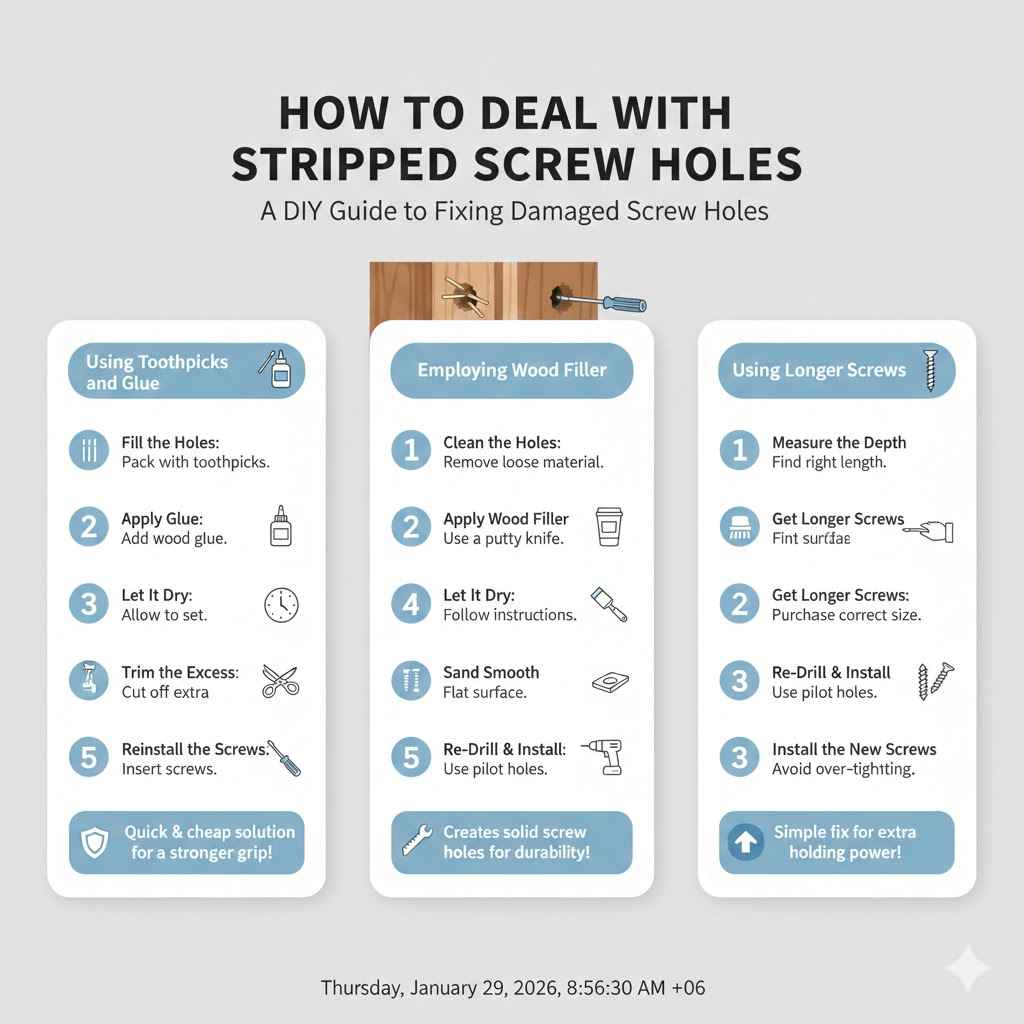
Stripped screw holes are a common issue that often leads people to seek ways to remove a deadbolt without screws. This is caused by over-tightening the screws, causing the wood fibers to wear. Several methods will help solve this.
Knowing how to deal with stripped screw holes is key to finishing the job. This usually involves rebuilding or changing the screw holes so that they can hold screws.
Using Toothpicks and Glue
A simple method is to fill the stripped holes with toothpicks and glue. This provides a new base for the screws to grip.
- Fill the Holes: Break off some toothpicks and pack them tightly into the stripped screw holes.
- Apply Glue: Add wood glue to the toothpicks to make a strong bond.
- Let It Dry: Let the glue dry completely.
- Trim the Excess: Once dry, cut off any extra toothpicks that stick out.
- Reinstall the Screws: You should now be able to reinsert the screws.
This method works well to strengthen the screw holes and give the screws something to hold onto. It is a quick and cheap solution.
Employing Wood Filler
Wood filler is another way to fix stripped screw holes. It fills in the holes to give a solid surface for the screws.
- Clean the Holes: First, remove any loose material from the holes.
- Apply Wood Filler: Fill the holes with wood filler. Use a putty knife.
- Let It Dry: Allow the wood filler to dry according to the directions.
- Sand Smooth: Once dry, sand the surface flat and smooth.
- Re-Drill and Install: You might need to pre-drill pilot holes before putting the screws back.
Wood filler makes it possible to create solid screw holes. It is a good choice for repairing more extensive damage.
Using Longer Screws
Sometimes, using longer screws can fix the problem. They reach deeper into the wood, getting better grip.
- Measure the Depth: Measure how deep the screw holes are so that you get the right screw length.
- Get Longer Screws: Purchase screws that are longer than the original ones but fit the deadbolt.
- Install the New Screws: Put in the longer screws. Be sure not to overtighten them.
Longer screws are a simple solution if the wood around the screw holes is not too damaged. This gives extra holding power.
Frequently Asked Questions
Question: What if the key won’t turn in the deadbolt?
Answer: If the key will not turn, it might be due to a problem with the lock’s inner mechanism. Try lubricating the cylinder with a graphite-based lubricant. If this doesn’t work, there may be a mechanical issue that would need to be addressed by a professional.
Question: Can I use power tools to remove a deadbolt without screws?
Answer: It’s important to be careful with power tools. If you use them, do so with care. Using power tools might risk damaging the door or frame. In situations without screws, you’ll need to use manual techniques, like those described, or seek a locksmith for expert assistance.
Question: How do I remove a stuck deadbolt strike plate?
Answer: You can remove a stuck strike plate using techniques like gentle prying with a flathead screwdriver. If it is stubborn, use a lubricant to loosen it. If that doesn’t work, consider taking the door off its hinges, to give more access to the strike plate.
Question: Should I replace the deadbolt after removal?
Answer: It often is a good idea to
Question: What’s the best way to clean a deadbolt?
Answer: You can clean a deadbolt by wiping the housing and cylinder using a clean, dry cloth. To maintain the smooth operation of the lock, use a graphite-based lubricant. Avoid using wet cleaning solutions or solvents, as this may be harmful to the mechanism.
Final Thoughts
Learning How to Remove a Deadbolt Without Screws can be a useful skill to have. You’ve now seen many ways to do it, from examining the cylinder and bolt to taking advantage of leverage, and what to do if the screws are missing or the door is damaged. The key to success is patience. Always check to see what you are working with.
Now, you can take on this task. When facing this challenge, you can use the instructions we have shared. Make sure you’re safe and that you take your time. With these steps, you will be able to remove your deadbolt without screws.