Should Pendant Lights Be Centered To Kitchen Island: Essential Guide
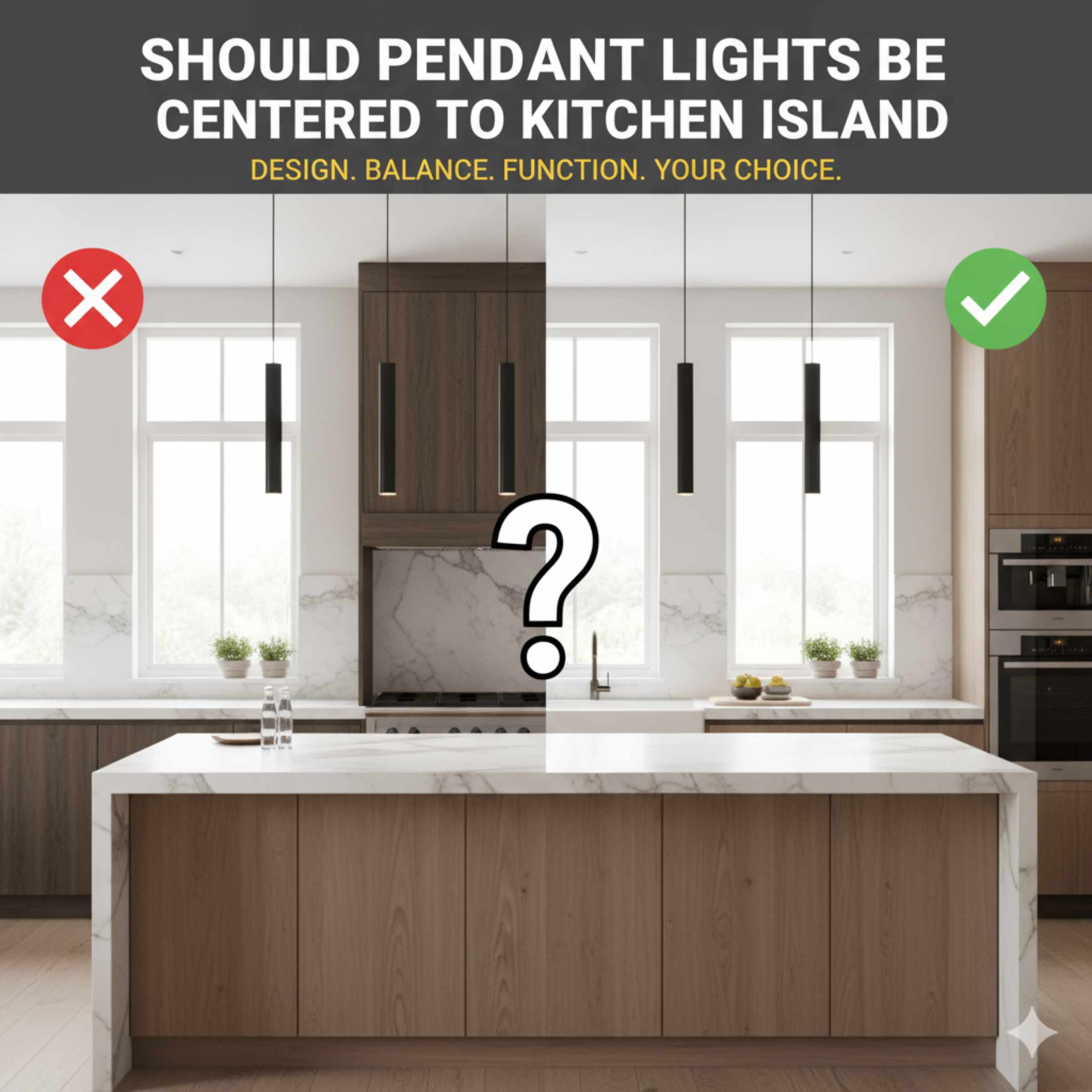
Yes, pendant lights should generally be centered over a kitchen island for optimal aesthetics, balanced lighting, and functional task illumination. This placement ensures visual harmony and prevents shadows while you work or gather around the island.
Planning your kitchen island lighting can feel like a puzzle. You’ve picked out those beautiful pendant lights, and now you’re wondering about the best spot. A common question is: should pendant lights be centered to the kitchen island? It’s a big decision that affects how your kitchen looks and feels. Getting it right means a brighter, more inviting space. Getting it wrong can make your kitchen feel a bit off. Don’t worry, though! I’m here to walk you through it, step-by-step, so you can make the perfect choice for your home. We’ll cover all the ins and outs to make sure your pendant lights shine in just the right place.
Why Centering Pendant Lights on a Kitchen Island Matters
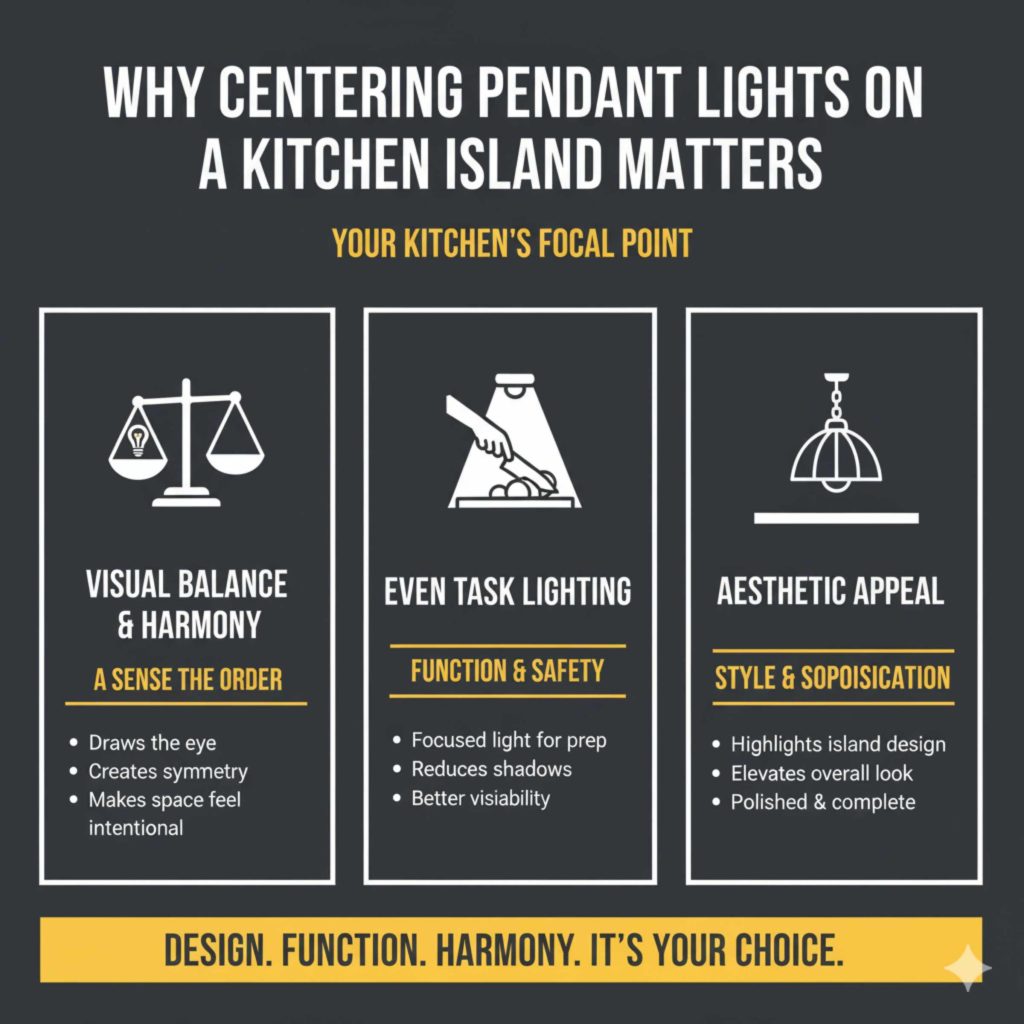
Centering pendant lights over your kitchen island isn’t just about following a rule; it’s about creating a well-balanced and functional space. Think of your kitchen island as a focal point. When pendant lights are centered, they draw the eye and create a natural sense of order. This symmetrical placement offers several key benefits that make a real difference in your daily life.
Visual Balance and Harmony
A kitchen island is often the heart of the kitchen, a place for cooking, eating, and socializing. When pendant lights are centered directly above it, they create a visual anchor. This symmetry brings a sense of calm and order to the entire room. Imagine looking at your island from across the kitchen – perfectly aligned lights make the whole setup feel intentional and pleasing to the eye. It’s like framing a beautiful picture; the frame (the lights) helps enhance the subject (the island).
Even Task Lighting
Kitchen islands are prime real estate for food prep, homework, or enjoying a quick meal. Centered pendant lights provide direct, focused illumination right where you need it most. This is crucial for tasks that require good visibility, like chopping vegetables or reading a recipe. Without proper centering, you might find yourself working in shadows, which can be frustrating and even a little unsafe. Good task lighting makes your kitchen more functional and enjoyable.
Aesthetic Appeal
Beyond function, the placement of your pendant lights significantly impacts your kitchen’s overall style. Centered pendants create a classic and sophisticated look. They highlight the island’s design and can become a stunning decorative element in themselves. This deliberate placement shows attention to detail and elevates the entire kitchen’s aesthetic, making it feel more polished and complete.
Factors to Consider Before You Hang
While centering is generally the way to go, a few things can influence your final decision. It’s always good to look at the specifics of your kitchen and how you plan to use the island. Let’s break down what else to think about.
Island Size and Shape
The dimensions of your kitchen island play a big role. A long, rectangular island might look best with two or even three evenly spaced pendant lights, all centered along its length. A square island might be perfect for a single, larger pendant right in the middle. Always consider the scale – tiny pendants on a huge island can look lost, and oversized ones on a small island can feel overwhelming.
Ceiling Height
Your ceiling height is a critical factor for pendant light placement. In kitchens with standard or lower ceilings, you’ll want to hang pendants at a height that doesn’t obstruct views or feel too close. For taller ceilings, you have more flexibility, and you can hang pendants lower to create a more intimate feel and ensure effective task lighting. A good rule of thumb is to ensure the bottom of the pendant is at least 7 feet from the floor, especially if it’s in a walkway. You can find more detailed guidance on proper ceiling height considerations from resources like the U.S. Department of Energy, which discusses lighting efficiency and placement in various spaces.
Island Functionality
How do you use your island? If it’s primarily for cooking and prepping food, centered task lighting is essential. If it’s more of a casual dining spot, you might want lights that provide a softer, more ambient glow. Sometimes, an island might serve both purposes. In such cases, you might consider dimmable pendant lights or a combination of centered pendants and other light sources.
Existing Electrical Layout
Before you get too excited, take a look at your current electrical setup. Is there an existing junction box in the perfect center? If not, you might need to consult an electrician to move or add one. This can sometimes be the most challenging part of the installation, so it’s good to be aware of it early on.
Number of Pendant Lights
The number of pendants you choose will also affect the centering. For a standard rectangular island, two pendant lights are very common. They are typically placed about two-thirds of the way in from each end of the island. If you have a very long island, you might opt for three or even four, spaced evenly along the center line. A single, larger pendant often works well for smaller or square islands.
How to Determine the Perfect Placement: Step-by-Step
Ready to get down to business? Here’s a practical guide to help you figure out the ideal spot for your pendant lights. We’ll walk through the measurements and considerations to ensure a professional-looking result.
Step 1: Measure Your Island
First things first, grab your tape measure. You need to know the exact length and width of your kitchen island. Jot these numbers down. This will be your starting point for all calculations.
Step 2: Decide on the Number of Pendants
Consider the size and shape of your island. For most rectangular islands:
- Two Pendants: This is a very popular choice. They should be spaced evenly along the island’s length.
- Three Pendants: Best for longer islands. They should be spaced equally to maintain balance.
- One Pendant: Ideal for smaller or square islands. It should be placed directly in the center.
Step 3: Calculate Spacing for Multiple Pendants
If you’re using two or more pendants, the spacing between them and their distance from the island’s ends is key. A common and aesthetically pleasing approach is:
- From the Ends: Measure in from each end of the island. A good starting point is to place the center of each pendant about 6 to 12 inches from the island’s edge. For example, on an 8-foot island, you might place the center of each of the two pendants 12 inches in from each end.
- Between Pendants: Once you’ve marked your spots from the ends, measure the remaining length of the island. Divide this space by the number of gaps between your pendants. For two pendants, there’s one gap; for three, there are two gaps. Ensure this spacing looks balanced and proportional to the pendants themselves.
Here’s a quick way to visualize the placement for two pendants:
| Island Length | Placement of Pendant Center (from each end) | Spacing Between Pendants (approximate) |
|---|---|---|
| 6 feet (72 inches) | 8-10 inches | 36-40 inches |
| 8 feet (96 inches) | 10-12 inches | 54-58 inches |
| 10 feet (120 inches) | 12 inches | 72-76 inches |
Note: These are guidelines; always adjust based on the visual appeal and the size of your pendants.
Step 4: Determine Hanging Height
The height at which you hang your pendants is crucial for both aesthetics and function. The general rule is:
- Clearance: The bottom of the pendant should be at least 30 inches above the countertop.
- Visibility: For islands with seating, ensure the pendants don’t block eye contact between people sitting on opposite sides. Aim for the bottom of the pendant to be about eye level when seated, or slightly higher if it’s a primary work area.
- Standard Ceilings (8-9 feet): Pendants often hang around 60-70 inches from the floor.
- High Ceilings (10+ feet): You can hang pendants lower, perhaps 70-80 inches from the floor, to fill the vertical space and provide better task lighting.
It’s helpful to use a piece of string or a painter’s tape outline at the desired height to visualize the scale and position before making any permanent changes. You can also refer to lighting fixture installation guides, which often provide recommended hanging heights based on room dimensions.
Step 5: Mark the Spot
Once you’ve decided on the exact placement and height, use a pencil to lightly mark the ceiling where the center of each pendant will hang. Double-check your measurements one last time before you proceed with any electrical work or installation.
Common Mistakes to Avoid
Even with the best intentions, it’s easy to make a misstep when hanging pendant lights. Here are some common pitfalls to steer clear of:
- Hanging Too High: This makes the pendants look lost and reduces their effectiveness as task lighting.
- Hanging Too Low: This can be a hazard, especially if people walk underneath, and can also block conversation if the island has seating.
- Incorrect Spacing: Pendants that are too close together can look cluttered, while those too far apart can leave dark spots or look unbalanced.
- Ignoring Scale: Using pendants that are disproportionately large or small for the island can throw off the entire kitchen’s visual balance.
- Not Considering the View: Think about how the lights look from different angles in the room, and also from adjacent rooms.
When Centering Might Not Be the Best Option
While centering is the most common and often the best approach, there are a few scenarios where a different strategy might work better. These are exceptions, but worth noting.
Asymmetrical Island Designs
Some modern kitchen islands have unique, non-symmetrical designs, perhaps with an extended countertop on one side or a built-in seating area that juts out. In these cases, centering might not align with the primary functional zones of the island. You might need to place lights to illuminate specific areas, like a dining nook or a prominent workspace.
Islands with Multiple Functional Zones
If your island is very large and serves distinctly different purposes – for example, a cooking prep area on one side and a breakfast bar on the other – you might consider a lighting plan that addresses each zone. This could involve strategically placing pendants to highlight each area, rather than a single centered arrangement.
Creating a Unique Design Statement
Sometimes, designers intentionally break from convention to create a specific visual impact. This could involve hanging pendants off-center in a linear arrangement, or using a cluster of pendants in an asymmetrical pattern. This is more about artistic expression and requires a good understanding of design principles to ensure it still feels balanced and intentional.
Working with Existing Fixtures or Wiring
Occasionally, the existing electrical wiring in your ceiling might make perfect centering difficult or prohibitively expensive to change. In such situations, you might need to adapt your plan to work with the existing junction box location, finding the best possible placement that is close to centered or aesthetically pleasing given the constraints.
The Role of Professional Electricians
While hanging a pendant light can sometimes be a DIY project, especially if you’re replacing an existing fixture, dealing with new wiring or relocating junction boxes is best left to the professionals. A licensed electrician can ensure your new lighting is installed safely and up to code. They have the expertise to handle:
- Electrical Safety: Properly connecting wires to prevent shorts or fires.
- Code Compliance: Ensuring the installation meets local building regulations.
- Structural Considerations: Safely mounting fixtures, especially heavier ones, to ceiling joists.
- Wiring for Dimmers: Installing dimmer switches for adjustable lighting.
The National Fire Protection Association (NFPA) provides valuable resources on electrical safety in the home, emphasizing the importance of professional installation for complex electrical work.

Frequently Asked Questions (FAQ)
Q1: How far apart should two pendant lights be over a kitchen island?
For two pendant lights, a good rule of thumb is to place them so the center of each pendant is about 6 to 12 inches from the edge of the island. The space between the pendants should then be roughly equal to the distance from the outer pendant to the island’s edge, or slightly more, creating a balanced look. For an 8-foot island, this often results in about 54-58 inches between the centers of the pendants.
Q2: What is the ideal height to hang pendant lights over an island?
The bottom of the pendant should typically be about 30 to 36 inches above the countertop. This provides ample task lighting without being too low to obstruct views or conversation. For higher ceilings, you might hang them slightly lower relative to the ceiling but maintain the distance above the counter.
Q3: Can I hang three pendant lights over my kitchen island?
Yes, three pendant lights can look great over a longer kitchen island. They should be spaced evenly along the center line of the island, with roughly equal distances between the outer pendants and the island’s ends, and between each pendant itself. This creates a visually appealing rhythm.
Q4: Should pendant lights be centered on the island or the ceiling?
Ideally, pendant lights should be centered over the functional area of your kitchen island, and this point should also align with the center of the ceiling area above the island. If your island is perfectly centered in your kitchen, then centering the lights over the island will naturally align them with the ceiling center.
Q5: What if my kitchen island is not centered in the room?
If your island isn’t centered in the room, you should prioritize centering the pendant lights over the island itself. The goal is to create visual balance for the island as a feature, not necessarily to align it perfectly with the room’s overall center if the island isn’t placed there.
Q6: How do I choose the right size pendant lights for my island?
Consider the size of your island. A common guideline is that the total width of all pendant lights combined should be about half to two-thirds the width of your island. For a single pendant, choose one that is proportionate to the island’s length and width. It should be substantial enough to make a statement but not so large that it overwhelms the space.
Conclusion
Deciding whether to center pendant lights over your kitchen island is a key step in creating a beautiful and functional kitchen. As we’ve explored, centering generally offers the best balance, visual appeal, and task lighting. By carefully measuring your island, considering your ceiling height, and understanding how you use your space, you can determine the perfect placement. Remember to factor in the number of pendants you’ll use and their spacing for a harmonious look. While DIY is possible, always prioritize safety and consult a professional electrician for any complex wiring. With these guidelines, you’re well-equipped to make an informed decision that will illuminate your kitchen island beautifully for years to come. Happy lighting!