Toilet Keeps Running? How to Adjust or Replace a Loose Flush Chain
A toilet that runs almost continuously, or refills every few minutes with no one using it, is very often a flush chain that’s too long, tangled, or disconnected, letting the flapper stay open or reseat crooked after every flush. This guide covers how the flapper-and-chain system works, how to size the chain correctly, and when to replace the flapper and chain together instead of just adjusting them.
How the Flapper and Chain Actually Control the Flush
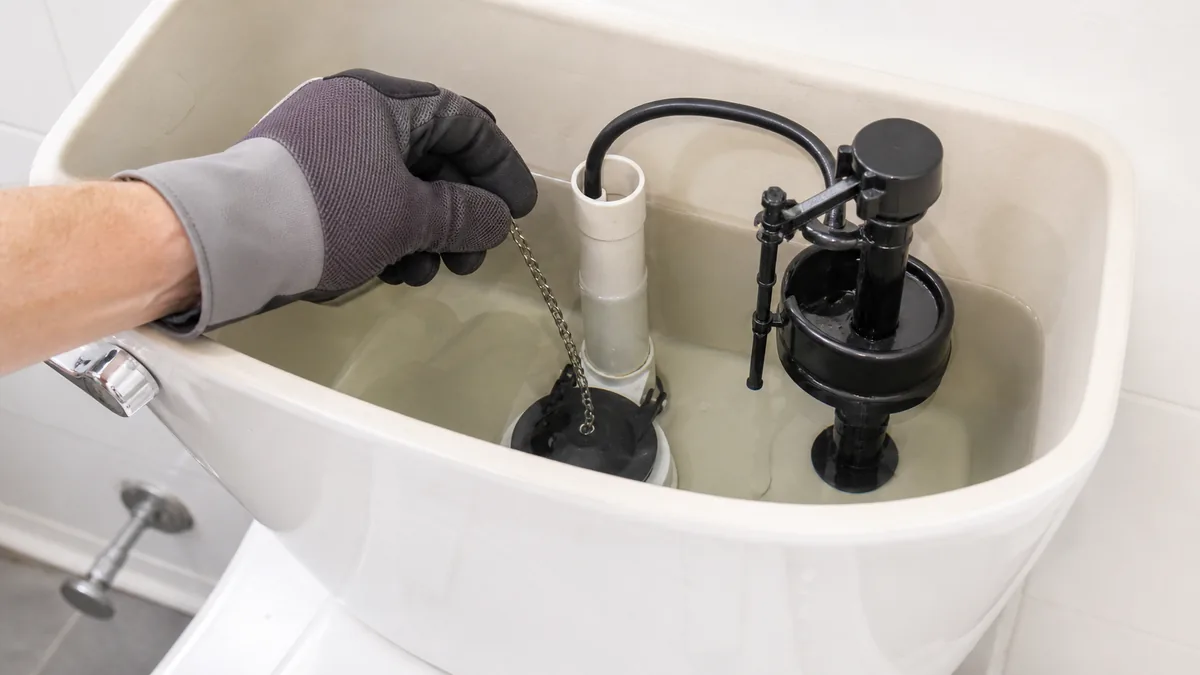
Pressing the flush handle pulls the chain, which lifts the flapper off the flush valve seat at the tank’s bottom, releasing tank water into the bowl. As the tank drains, the flapper is supposed to drop back down by its own buoyancy and weight once the chain goes slack, reseating over the valve opening to let the tank refill and hold water for the next flush. If the chain has too little slack, it holds the flapper open a fraction of an inch after the handle is released, which lets water trickle continuously into the bowl, the classic “running toilet” sound.
How to Check and Adjust Chain Length
Take the tank lid off and look at the chain with the flapper closed: there should be a small amount of visible slack, roughly a half inch, between the flapper’s lift arm and the flush lever arm. Most chains have multiple link holes on the lever arm plus a clip, so you can shorten or lengthen it by moving which link the clip attaches to, rather than needing a new chain for a small adjustment. If the chain is too long and looping loose in the tank, it can fall to the side of the flapper and get pinched under the seal when the flapper closes, which causes a slow, hard-to-diagnose leak that sounds like intermittent running rather than continuous.
Signs the Chain (Not the Flapper) Is the Real Problem
If you lift the tank lid and jiggle the handle and the running stops immediately, that points to the chain or handle linkage rather than a worn flapper seal. A chain that’s visibly kinked, rusted, or has come completely unclipped from either the flapper or the lever arm will cause either constant running (disconnected chain lets the flapper hang open or crooked) or a flush that doesn’t fully open the flapper (chain too short to lift it clear of the seat), both of which are simple reconnect-or-adjust fixes rather than a parts replacement.
When to Replace the Chain and Flapper Together
Metal chains corrode and develop weak links over a few years of constant submersion in tank water, and a flapper’s rubber degrades and warps over roughly 4 to 6 years, developing a texture change or a slight curl at the edge that no chain adjustment will fix. If you’ve correctly set the slack and the toilet still runs, or if the flapper looks discolored, soft, or warped when you lift it out, replace the flapper and its chain as a matched pair, universal flapper kits cost around 8 to 15 dollars and installation needs no tools beyond your hands.
Ruling Out Other Causes Before Blaming the Chain
Not every running toilet is a chain problem. Drop a few drops of food coloring into the tank without flushing; if color appears in the bowl within 10 to 15 minutes, water is leaking past the flapper seal itself. If the water level is too high and constantly trickling into the overflow tube instead, the fix is elsewhere in the fill system rather than the chain, since an overfilled tank overflowing into that tube can sound identical to a chain-related leak.
Frequently Asked Questions
How much slack should a toilet flush chain have?
About a half inch of visible slack when the flapper is fully closed. Enough that the chain isn’t pulling on the flapper, but not so much that loose chain can fall into the seal area.
Can a plastic chain clip break and cause running?
Yes, the small plastic clip that attaches the chain to the flush lever arm becomes brittle over time and can crack, disconnecting the chain entirely and leaving the flapper unable to lift or reseat correctly.
Why does my toilet only run intermittently, not constantly?
That pattern usually means the chain occasionally gets pinched under the flapper edge (causing a slow leak that eventually triggers a refill cycle) rather than holding the flapper open all the time, which would cause continuous running instead.
Sponsored / affiliate links. As an Amazon Associate I earn from qualifying purchases. I may earn additional commission from eligible campaigns.