What Is A Door Latch: Essential Guide
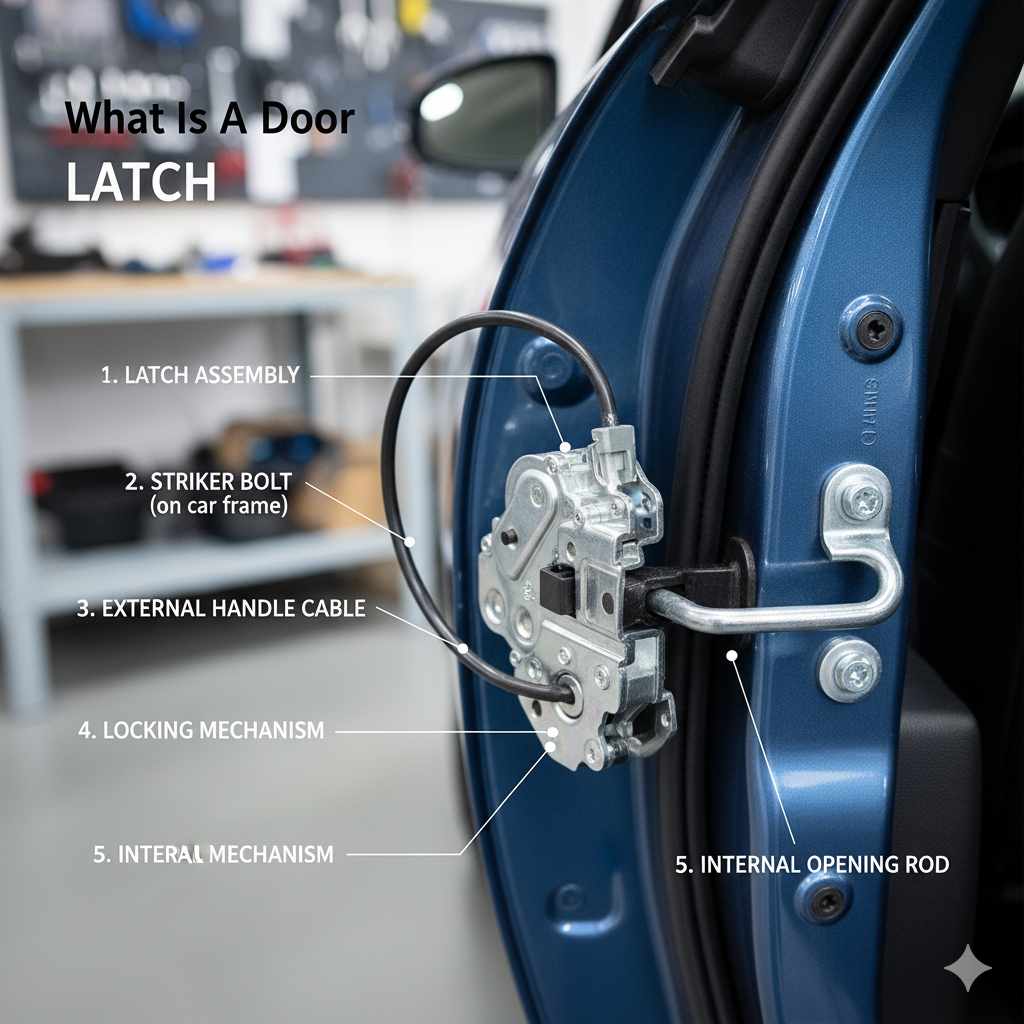
What is a door latch? A door latch is a simple yet vital mechanism that holds a door closed. It typically consists of a bolt or tongue that extends from the door into a strike plate on the frame, preventing the door from swinging open. Understanding your door latch is key to ensuring home security and smooth operation.
Ever found yourself wrestling with a door that just won’t stay shut, or worse, won’t open? It’s a common frustration, and often, the culprit is a simple component you might not even think about: the door latch. These unsung heroes are what keep our homes secure and our privacy intact. But what exactly is a door latch, and why does it matter so much? Don’t worry, we’re going to break it all down in plain English. By the end of this guide, you’ll understand the different types of latches, how they work, and what to do if yours is giving you trouble. Let’s get your doors working smoothly again!
Understanding the Humble Door Latch: Your First Line of Defense
Think of a door latch as the handshake between your door and its frame. It’s the part that engages to keep the door closed when you want it to be, and disengages when you want to open it. While they seem simple, door latches are crucial for everything from keeping out the wind to providing security. They’re designed to work with a corresponding “strike plate” – a metal piece with a hole or slot, usually screwed into the door frame – to create a secure connection.
Without a functioning latch, your door is essentially just hanging there, offering little to no security or privacy. This guide will demystify the world of door latches, making you more confident in identifying, understanding, and even performing basic maintenance or troubleshooting on them. We’ll cover the basics, explore different types, and give you practical tips to keep your doors operating perfectly.
The Core Components of a Door Latch System
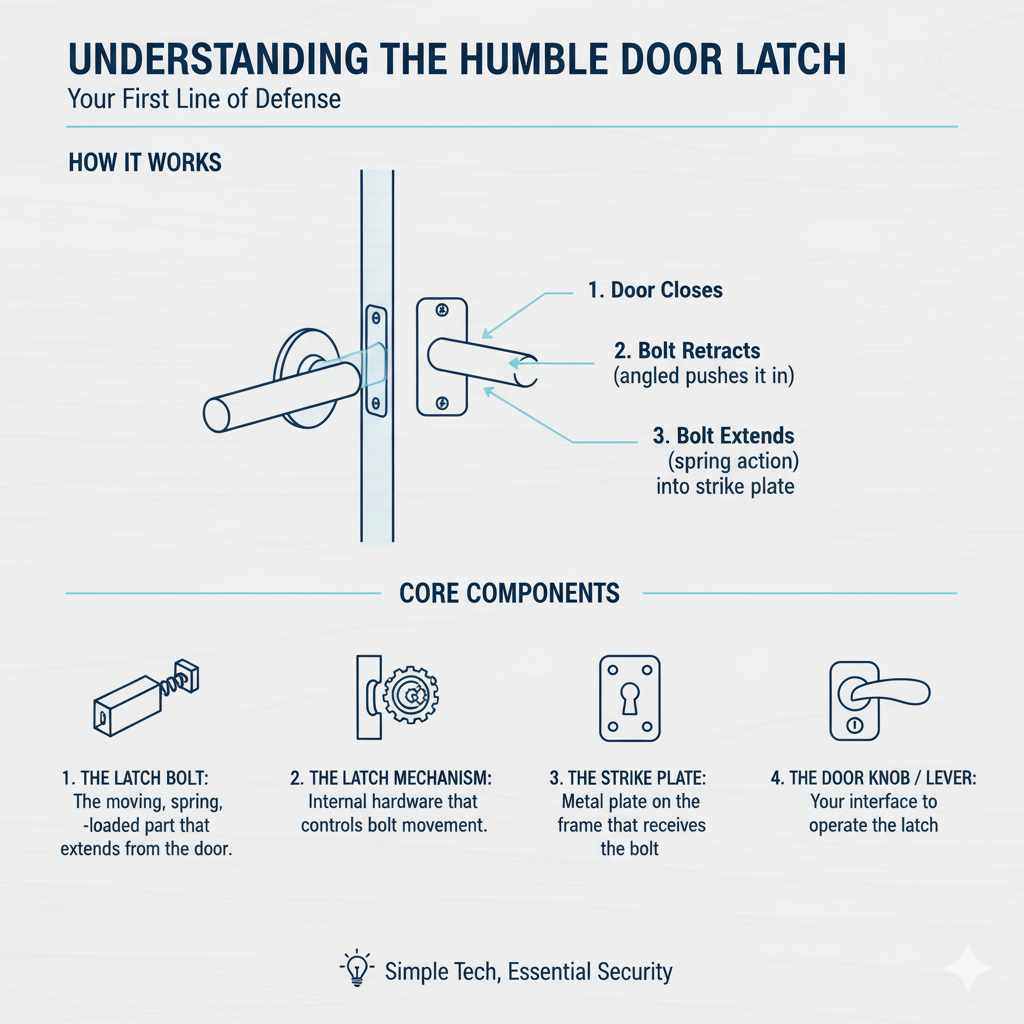
At its heart, a door latch system involves a few key parts working in harmony. Understanding these will help you diagnose issues and appreciate how everything functions:
- The Latch Bolt: This is the moving part that extends from the edge of the door. It’s usually spring-loaded, meaning it’s designed to retract when pushed and extend when released.
- The Latch Mechanism: This is the internal hardware within the door (often housed in the knob or lever assembly) that controls the movement of the latch bolt. This is where the magic happens when you turn the knob or press the lever.
- The Strike Plate: This is the metal plate attached to the door frame. It has a cutout or recess designed to receive the latch bolt, securing the door in place.
- The Door Knob or Lever: This is what you interact with to operate the latch. Turning or pressing it retracts the latch bolt, allowing the door to open.
When you close the door, the angled front of the latch bolt usually hits the strike plate first. The force of closing pushes the bolt back into the door. Once the door is fully closed, the spring mechanism pushes the bolt forward, so it pops out and into the hole in the strike plate, holding the door shut.
Types of Door Latches: More Than Meets the Eye
Not all door latches are created equal! They come in various forms, each designed for specific purposes and security levels. Knowing the differences can help you choose the right hardware for your needs.
1. Spring Latches (Passage Latches)
These are the most common type found on interior doors like bedrooms, closets, and bathrooms. They are operated by a knob or lever and hold the door shut by the spring-loaded bolt extending into the strike plate.
- How they work: A spring mechanism retracts the bolt when the knob/lever is turned and allows it to extend when released.
- Security: Offer minimal security; they primarily keep the door closed against minor forces.
- Common Uses: Interior passage doors, closet doors.
- Pros: Simple, affordable, easy to operate, widely available.
- Cons: Little to no security, can be easily bypassed.
2. Deadbolts
When you think of security, you think of deadbolts. These are robust latches that offer significantly more protection than spring latches. They are typically operated by a key from the outside and a thumb turn from the inside.
- How they work: A solid metal bolt extends from the door into the frame. It cannot be easily forced open because there’s no spring mechanism to push back; it’s a solid, fixed engagement.
- Security: High security.
- Common Uses: Exterior doors (front doors, back doors, garage doors), anywhere security is a priority.
- Pros: Excellent security against forced entry, durable.
- Cons: Require a key or thumb turn to operate, can be more expensive, installation can be more involved.
3. Mortise Latches
Mortise latches are found in older homes or higher-end doors. They are installed within a pocket (a mortise) cut into the edge of the door, making them very sturdy and often integrated with more complex locking mechanisms.
A mortise lockset typically includes the latch, a deadbolt, and a mechanism to operate both, all housed within a single, substantial case. The latch bolt itself is often a “latch and lock bolt” combination, meaning it has a bevel for easy closing and a flat side that locks into place.
- How they work: Housed in a metal case mortised into the door. Operated by knobs/levers and often integrated with deadbolts.
- Security: Can range from moderate to high, depending on the lockset.
- Common Uses: Older homes, commercial buildings, high-security exterior doors.
- Pros: Very strong and durable, can integrate multiple locking functions, aesthetically pleasing in traditional settings.
- Cons: Installation is complex, replacement parts can be harder to find, more expensive.
4. Hook Latches
These latches have a hook-shaped bolt that slides horizontally. They are often used on sliding doors or gates where a strong, secure hold is needed against pulling forces.
- How they work: A hook-shaped bolt extends and catches onto a strike plate or keeper.
- Security: Moderate to high, depending on the locking mechanism.
- Common Uses: Sliding doors, cabinet doors, gates.
- Pros: Good for preventing doors from being pulled open, secure.
- Cons: Not typically used on standard hinged doors, operation can be less intuitive than a spring latch.
5. Roller Latches
Often found on interior doors, especially bi-fold or closet doors, roller latches use a roller to engage with a strike plate. They provide a gentle closing action and are good for lightweight doors.
- How they work: A spring-loaded roller on the door edge presses against a metal plate on the frame, holding the door closed.
- Security: Very low; primarily for keeping doors gently shut.
- Common Uses: Bi-fold doors, closet doors, cabinet doors.
- Pros: Quiet operation, easy to install, good for lightweight doors.
- Cons: No security, not suitable for heavy doors or exterior use.
6. Ball Catches
These use a spring-loaded ball bearing that sits in a recess on the door edge. When the door closes, the ball bearing is pushed into a corresponding cup on the frame, providing a light hold.
- How they work: A spring-loaded ball bearing fits into a catch on the frame.
- Security: Minimal.
- Common Uses: Cabinet doors, small utility doors, some interior doors.
- Pros: Simple, inexpensive, easy to install.
- Cons: Very weak hold, offers no security.
How a Door Latch Works: The Mechanics of Keeping Doors Shut
Let’s dive a little deeper into the most common type: the spring latch found in your doorknobs and levers. Understanding this will help you troubleshoot common issues.
When you operate a standard doorknob or lever, you’re engaging a mechanism that retracts the latch bolt. Here’s a simplified breakdown:
- The Retraction Lever: Inside the door, attached to the spindle that passes through the door, is a lever or cam system.
- Connecting to the Latch: This lever is connected to the back of the latch bolt.
- Turning the Knob/Lever: When you turn the knob or press the lever, the spindle rotates. This rotation moves the lever.
- Pulling the Bolt: The movement of the lever pulls the latch bolt backward, retracting it into the door.
- Releasing: When you stop turning or pressing, the spring on the latch bolt pushes it forward again, provided it’s not obstructed by the strike plate.
The spring mechanism is key. It’s what makes the latch “spring” back out. This spring is housed within the latch bolt assembly itself. The bevel on the front of the latch bolt is crucial for closing; it allows the bolt to slide back into the door when it hits the strike plate as you close it. Once the door is fully shut, the bevel clears the strike plate, and the spring extends the bolt into the hole, holding the door closed.
For deadbolts, the operation is different. There’s no spring. A solid bolt is manually extended or retracted, usually via a rotating cylinder mechanism controlled by a key or thumb turn. This makes it much harder to force open.
Troubleshooting Common Door Latch Problems
Door latches are generally reliable, but like any mechanical part, they can develop issues. Here are some common problems and how to fix them:
Problem 1: The Door Won’t Stay Shut
Cause: The latch bolt isn’t extending fully into the strike plate. This could be due to a weak spring, a misaligned strike plate, or something obstructing the bolt.
Solution:
- Check Alignment: Ensure the strike plate on the door frame is properly aligned with the latch bolt. If it’s off by even a little, the bolt won’t engage. You can often tell if it’s misaligned by looking for rub marks on the door or frame.
- Adjust Strike Plate: If the alignment is off, you might need to adjust the strike plate. Sometimes, filing the opening in the strike plate slightly larger can help. For more significant misalignment, you may need to reposition the strike plate by filling the old screw holes and drilling new ones.
- Inspect Latch Bolt: Make sure the latch bolt itself isn’t sticking. Try lubricating it with a dry lubricant like graphite or a silicone spray. Avoid oily lubricants, which can attract dust.
- Check the Spring: If the spring mechanism in the latch assembly is worn out, the bolt won’t have enough force to extend properly. In this case, you might need to replace the entire latch assembly or the doorknob/lever set.
Problem 2: The Door is Difficult to Open or Close
Cause: The latch bolt is sticking, the strike plate is misaligned, or there’s friction in the doorknob/lever mechanism.
Solution:
- Lubricate: Apply a dry lubricant (graphite or silicone spray) to the latch bolt and the strike plate opening. Work the door open and closed several times to distribute the lubricant.
- Check for Binding: Ensure the door isn’t rubbing against the frame anywhere. If it is, you might need to adjust the door hinges. Check resources like Popular Mechanics’ guide on sagging doors for hinge adjustment tips.
- Inspect Mechanism: If the doorknob or lever feels stiff, the internal mechanism might be dirty or worn. Try cleaning and lubricating the internal parts of the doorknob assembly if accessible. Sometimes, a complete replacement of the doorknob/lever set is the easiest solution.
- Strike Plate Clearance: Ensure the strike plate opening is large enough for the latch bolt to pass through freely. If it’s too tight, filing it slightly larger can help.
Problem 3: The Doorknob/Lever Spins Freely Without Retracting the Latch
Cause: The connection between the doorknob/lever and the latch mechanism has failed. This is often due to stripped gears or a broken spindle.
Solution:
- Tighten Set Screws: Some doorknobs have small set screws on the underside that hold them to the spindle. Check if these are loose and tighten them.
- Inspect Spindle: If the doorknob itself is spinning on the spindle, or if the spindle is damaged, you’ll likely need to replace the doorknob or lever set.
- Internal Mechanism Failure: The internal workings of the doorknob/lever assembly may have broken. This usually requires replacing the entire unit.
Problem 4: The Latch Won’t Retract at All
Cause: The mechanism is jammed, or the door has warped, preventing the bolt from moving.
Solution:
- Gentle Persuasion: Try jiggling the doorknob/lever while applying slight pressure to the door. Sometimes, this can free a slightly jammed latch.
- Check for Obstructions: Look closely at the latch bolt. Is there anything lodged in it or the hole in the strike plate?
- Access the Mechanism: If possible, try to remove the doorknob/lever set to access the latch mechanism directly. You might be able to manually retract the bolt or identify the jam.
- Warped Door: If the door has warped significantly, it might be physically preventing the latch from moving. This is a more complex issue that might require door adjustments or replacement.
Installing or Replacing a Door Latch
Replacing a basic spring latch or doorknob is a very achievable DIY project for beginners. Here’s a general guide:
Tools You’ll Need:
- Screwdriver (Phillips head and flat head)
- Measuring tape
- Pencil
- New doorknob/lever set or latch assembly
- Optional: Utility knife, wood chisel, hammer, drill with bits
Steps for Replacing a Spring Latch/Doorknob:
- Remove the Old Doorknob/Lever: Look for small screws on the interior side of the doorknob assembly. Unscrew these. There might also be a small set screw on the underside of the knob or lever that needs to be loosened. Once screws are removed, pull the two halves of the doorknob assembly apart.
- Remove the Latch Assembly: You’ll see a metal plate on the edge of the door where the latch bolt extends. There are usually two screws holding this plate and the latch assembly inside the door. Unscrew these and pull the old latch assembly straight out of the door edge.
- Prepare the Door for the New Latch: If your new latch assembly has a different faceplate, you might need to use a utility knife or chisel to slightly enlarge the mortise (the cutout in the door edge) for a proper fit. Ensure the new latch bolt assembly slides in smoothly.
- Install the New Latch Assembly: Insert the new latch bolt assembly into the door edge. Secure it with the provided screws. Make sure the beveled side of the latch bolt faces the direction the door closes.
- Install the New Doorknob/Lever: Insert the spindle and the two halves of the doorknob/lever assembly into their respective holes on either side of the door, making sure they align and connect properly with the latch mechanism.
- Secure the Doorknob/Lever: Reinsert and tighten the screws that hold the doorknob assembly together. If there’s a set screw, tighten it to secure the knob/lever to the spindle.
- Test the Latch: Close the door gently. The latch bolt should extend into the strike plate. Turn the knob/lever to retract the bolt and open the door. Test it several times to ensure smooth operation.
- Check Strike Plate Alignment: If the latch doesn’t engage properly, you may need to adjust the strike plate on the door frame. Check for rub marks on the door or frame. If necessary, loosen the strike plate screws, adjust its position slightly, and re-tighten. For significant adjustments, you might need to file the strike plate opening or reposition it entirely.
For deadbolts, the process is similar but involves a larger, more robust mechanism that usually requires a larger hole drilled through the door and frame. Always follow the specific instructions provided by the manufacturer of your new hardware.
Door Latch Materials and Durability
The material of your door latch can significantly impact its durability, appearance, and cost. Here’s a look at common materials:
| Material | Pros | Cons | Typical Use |
|---|---|---|---|
| Brass | Corrosion-resistant, durable, classic appearance, can be polished to a high shine. | Can be more expensive, softer than steel (can dent). | High-end interior and exterior hardware, decorative locks. |
| Stainless Steel | Excellent corrosion resistance, very strong, durable, modern look. | Can be more expensive, can be harder to machine (making intricate designs difficult). | Exterior doors, high-traffic areas, modern aesthetics. |
| Zinc Alloy | Cost-effective, good strength, can be plated in various finishes (nickel, chrome, bronze). | Can corrode over time, especially in humid environments; less durable than brass or steel. | Interior doors, budget-friendly hardware. |
| Iron (Wrought or Cast) | Strong, classic antique or rustic look. | Prone to rust if not treated or coated, can be heavy. | Rustic or antique-style doors, decorative hardware. |
| Aluminum | Lightweight, corrosion-resistant, affordable. | Less strong than other metals, can bend or break under significant force. | Lightweight interior doors, cabinet hardware. |
When choosing a latch, consider where it will be used. Exterior doors, especially those exposed to weather, benefit from corrosion-resistant materials like stainless steel or solid brass. Interior doors can often use more cost-effective materials like zinc alloy. The finish of the metal also plays a role in both aesthetics and durability; a good quality plating can protect the base metal.
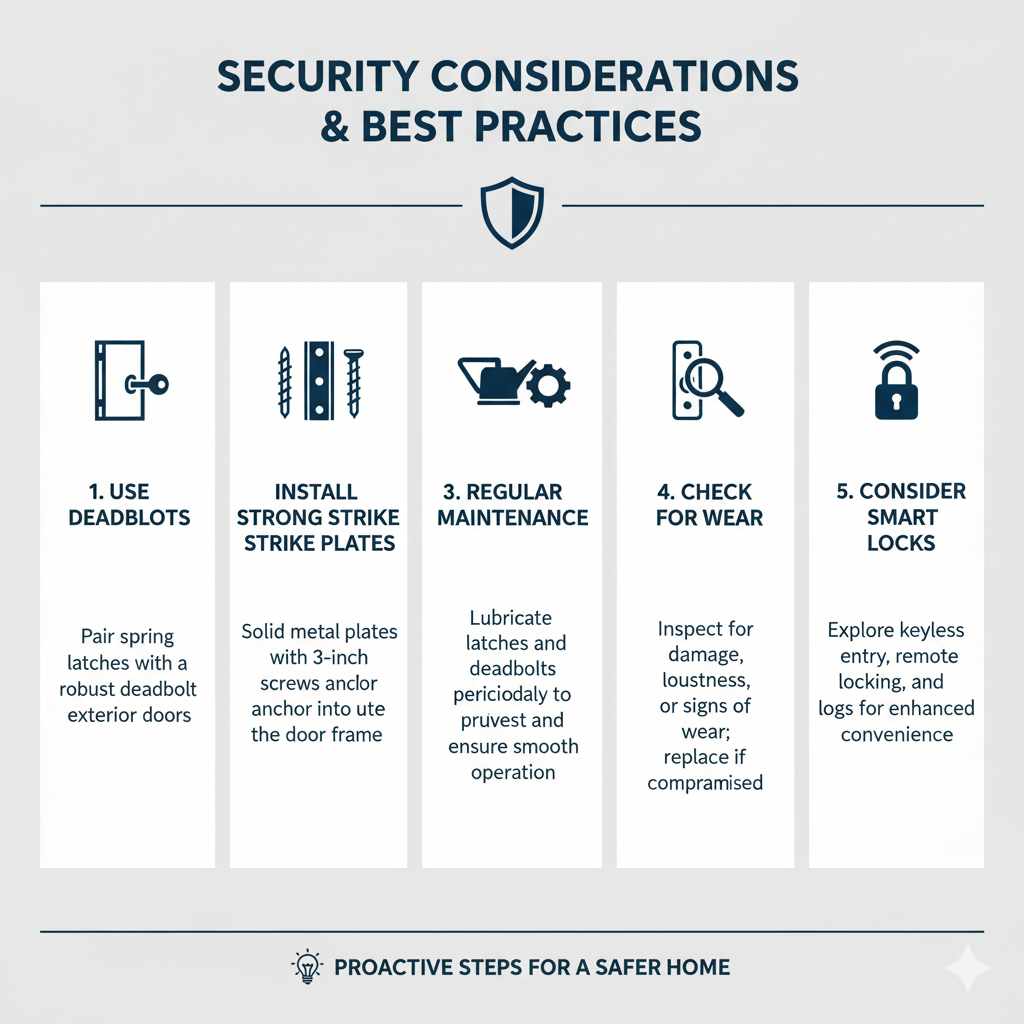
Security Considerations and Best Practices
Your door latches are a critical part of your home’s security. Here are some tips to ensure they’re doing their job:
- Use Deadbolts on Exterior Doors: Never rely solely on a spring latch for security on an exterior door. Always pair it with a deadbolt. The Consumer Product Safety Commission (CPSC) offers valuable insights into home security measures.
- Install Strong Strike Plates: The strike plate is often the weakest link. Ensure it’s made of solid metal and secured with long screws (at least 3 inches) that go deep into the door frame stud, not just the jamb. This makes it much harder to kick the door in.
- Regular Maintenance: Lubricate your latches and deadbolts periodically, especially exterior ones, to prevent rust and ensure smooth operation.
- Check for Wear: Inspect your latches for any signs of wear, damage, or looseness. A worn latch is a compromised latch.
- Consider Smart Locks: For enhanced security and convenience, explore smart locks that offer features like remote locking/unlocking, activity logs, and keyless entry.
Frequently Asked Questions About Door Latches
Q1: What is the difference between a latch and a lock?
A latch is a mechanism designed to hold a door closed. A lock is a mechanism designed to secure a door against unauthorized opening. Many doorknobs have a spring latch that keeps the door shut, and a separate deadbolt that locks it securely. A latch can operate without a lock, but a lock often incorporates a latching function.
Q2: How do I know if I need to replace my door latch?
You likely need to replace your door latch if it’s not retracting or extending smoothly, if the doorknob/lever spins freely, if the door is difficult to open or close, or if the latch bolt is broken or excessively worn. Any issue that compromises the ability of the latch to hold the door shut or be operated reliably is a sign for replacement.
Q3: Can I use lubricant on my sticky door latch?
Yes, but use the right kind! A dry lubricant like graphite powder or a silicone-based spray is best. These won’t attract dust and dirt as much as oil-based lubricants, which can eventually make the mechanism stickier. Avoid WD-40 for long-term lubrication as it can wash away grease and attract debris.
Q4: What is a “latch bolt”?
A latch bolt is the spring-loaded, usually angled, bolt that extends from the edge of the door into the strike plate on the frame. It’s what holds the door closed when you’re not actively locking it. It retracts when you turn the knob or lever and extends again when released.
Q5: How do I adjust a strike plate if my door latch isn’t catching?
First, identify the misalignment by looking for rub marks or testing where the latch hits. Loosen the screws on the strike plate. You can try filing the opening in the strike plate slightly larger to give the latch bolt more room. If the misalignment is more significant, you may need to reposition the entire strike plate by filling the old screw holes and drilling new ones, ensuring it aligns perfectly with the latch bolt when the door is closed.
Q6: What’s the difference between a doorknob latch and a deadbolt latch?
A doorknob latch is typically a spring-loaded bolt that retracts easily with a turn of the knob. A deadbolt latch is a solid bolt that cannot be easily forced back; it requires a key or thumb turn to operate and provides much higher security.
Q7: Are all door latches universal?
No, they are not universal. While many interior spring latches and doorknob assemblies follow standard measurements (like backset distance – the distance from the edge of the door to the center of the doorknob hole), there are variations. Mortise locks, for example, are specific to the mortise cut into the door. Always measure your existing hardware and compare it to the specifications of the new hardware before purchasing.
Conclusion: Keeping Your Doors Secure and Functional
You’ve now got a solid understanding of what a door latch is, the different types you’ll encounter, how they work, and how to tackle common issues. From the simple spring latch that keeps your bedroom door closed to the robust deadbolt that secures your home, these mechanisms are essential for comfort, privacy, and security.
Don’t be intimidated by door hardware! With a little knowledge and the right tools, most common latch problems can be fixed by a DIYer. Remember to prioritize security by ensuring all exterior doors have a functioning deadbolt and that your strike plates are securely installed. Regular maintenance, like lubrication and checking for wear, will extend the life of your latches and keep your doors operating smoothly for years to come. So next time your door sticks or doesn’t quite close right, you’ll know exactly what to look for and how to get it working perfectly again. Happy DIYing!