What Is a Door Threshold Simple Guide
Figuring out what a door threshold is can sometimes feel a bit tricky for beginners. You see them everywhere, but their exact purpose might not be clear. This guide is here to make it super simple.
We will break down everything you need to know about door thresholds step-by-step. Get ready to learn what they are and why they matter without any confusing jargon. Let’s get started on this What Is a Door Threshold?
Simple Guide.
Understanding What Is a Door Threshold Simple Guide
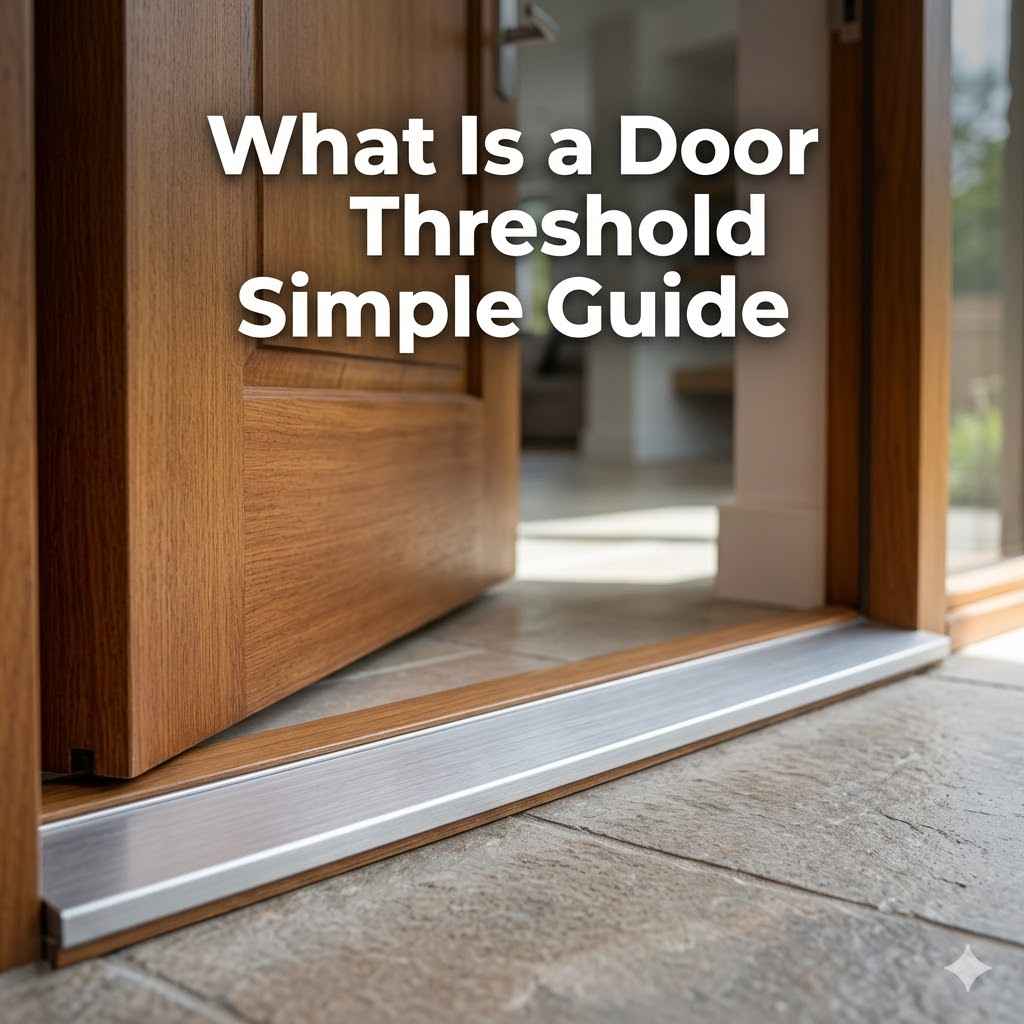
A door threshold is a strip of material that sits on the floor at the bottom of a doorway. Its main job is to connect two different floor surfaces or to bridge the gap between the inside and outside of a building. It also helps to seal the doorway, preventing drafts, water, and even pests from getting through.
Think of it as the foundation for your door, providing a smooth transition and a finished look.
The Basic Purpose of a Door Threshold
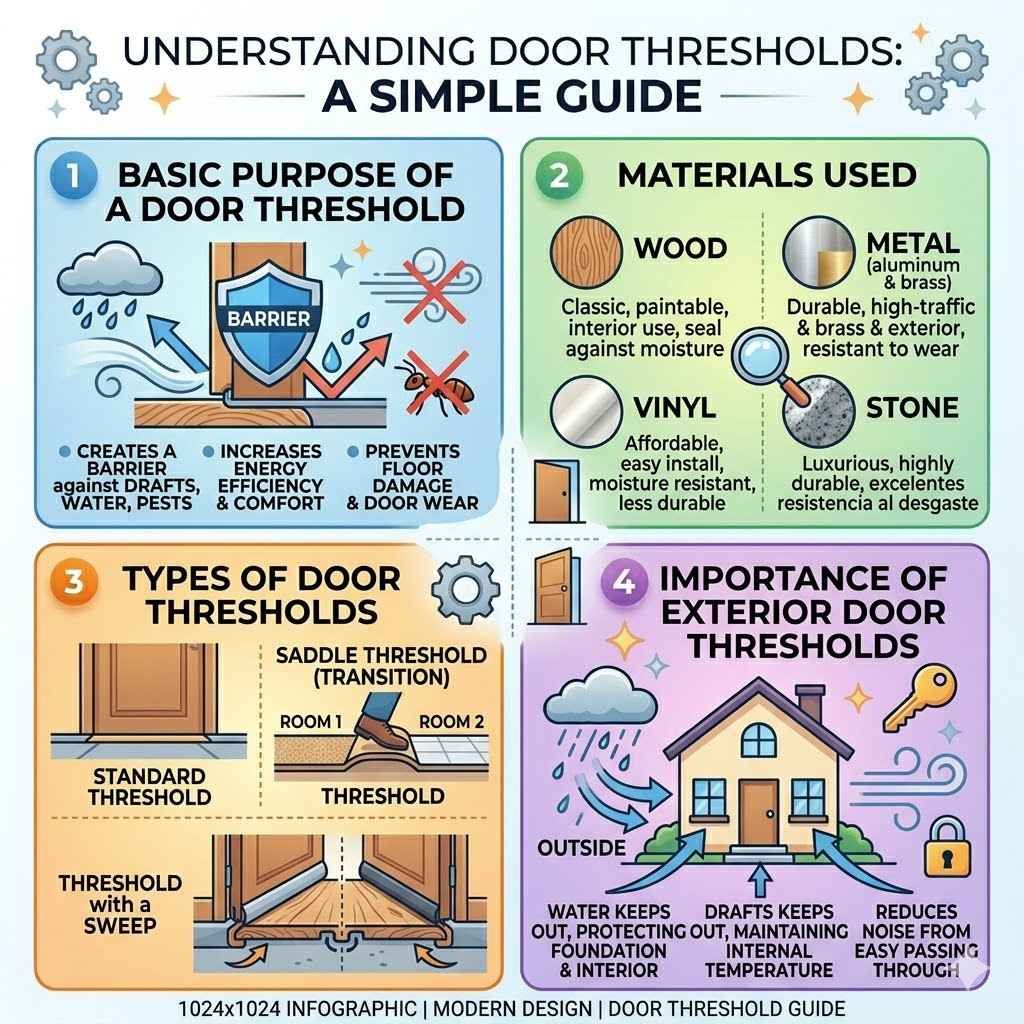
The most important job of a door threshold is to create a barrier. This barrier stops air and water from coming under the door. It also stops dust and noise from easily passing through.
Without a threshold, your home or building would be much less energy-efficient and comfortable. It’s a simple component, but it plays a big role in keeping your space protected from the elements.
Thresholds also help to prevent damage to the floor and the bottom of the door. They take the wear and tear of foot traffic, protecting your flooring from being scratched or scuffed. For exterior doors, they are especially important for keeping water out.
Water can cause serious damage to your home’s foundation and interior over time.
Materials Used for Door Thresholds
Door thresholds are made from a variety of materials, each with its own pros and cons. The choice of material often depends on where the door is located and the desired look. Common materials include wood, metal, vinyl, and stone.
Each offers different levels of durability and aesthetic appeal.
Wood: Wood thresholds are classic and can be painted or stained to match your decor. They are a good choice for interior doors. However, they can be prone to moisture damage if not properly sealed, especially for exterior use.
Metal: Aluminum and brass are popular metal choices. They are very durable and resistant to wear and tear, making them ideal for high-traffic areas and exterior doors. Metal thresholds can sometimes look more modern.
Vinyl: Vinyl thresholds are affordable and easy to install. They are resistant to moisture and can be a good option for bathrooms or basements. They might not be as durable as metal or some types of wood.
Stone: Natural stone like granite or marble can be used for thresholds, offering a luxurious and highly durable option. These are often seen in high-end homes or commercial buildings and provide excellent resistance to wear.
Types of Door Thresholds
There are several main types of door thresholds, each designed for specific needs and door configurations. Understanding these types will help you choose the right one for your project. The most common types include standard, saddle, and threshold with a sweep.
Standard Thresholds: These are the most basic type. They are flat and lie directly on the floor under the door. They are commonly used for interior doors or for exterior doors where the floor levels inside and outside are the same.
Saddle Thresholds: Also known as a saddle or transition strip, these are slightly higher in the middle and slope down on both sides. This design helps create a smooth transition between two different floor heights or materials. They are often used when going from one room to another with different flooring, like carpet to tile.
Thresholds with a Sweep: Many exterior door thresholds are designed to work with a door sweep. A door sweep is a strip attached to the bottom of the door that seals against the threshold. This combination provides excellent protection against drafts, water, and insects.
The threshold has a groove or raised area for the sweep to rest against.
The Importance of Proper Door Threshold Installation
Installing a door threshold correctly is crucial for its performance and longevity. A poorly installed threshold can lead to drafts, water leaks, and even tripping hazards. Proper installation ensures that the threshold sits snugly against the floor and the door, creating an effective seal.
Preparing the Area for Installation
Before installing a new threshold, the area needs to be properly prepared. This involves cleaning the subfloor and the existing flooring around the doorway. Any debris, old adhesive, or uneven surfaces must be removed to ensure a secure fit.
The subfloor should be level and stable.
For exterior doors, it is also important to ensure that the rough opening for the door is properly sealed. This means using flashing and sealant to prevent water from getting behind the threshold and into the wall structure. A good seal at this stage is vital for preventing water damage and mold growth.
Securing the Threshold
Most thresholds are secured to the subfloor using screws or nails. For wood or vinyl thresholds, screws are often driven down through the threshold into the subfloor. Metal thresholds might use adhesive along with screws for extra stability.
It is important to use the correct type and length of fasteners for the materials being used.
The fasteners should be countersunk so they sit flush or slightly below the surface of the threshold. This prevents them from being a tripping hazard. In some cases, especially with heavy stone or metal thresholds, adhesive is also used to provide additional support and prevent any shifting over time.
Ensuring the threshold is firmly attached is key to its function.
Achieving a Good Seal
For exterior doors, creating a good seal is a primary goal. This often involves using a bead of caulk or sealant along the edges where the threshold meets the floor and the door jamb. The door sweep should also be adjusted to make firm contact with the threshold when the door is closed.
The seal prevents air and water from infiltrating the building. A good seal contributes significantly to energy efficiency by keeping conditioned air inside and unconditioned air outside. It also protects your interior from moisture, which can lead to mold and wood rot.
A well-sealed threshold means a more comfortable and durable home.
Common Problems and Solutions for Door Thresholds
Even with proper installation, door thresholds can experience problems over time. These issues range from wear and tear to moisture damage. Knowing how to identify and fix these problems can save you money and prevent further damage to your home.
Wear and Tear on Thresholds
The most common issue with door thresholds, especially in high-traffic areas, is wear and tear. The surface can become scratched, chipped, or worn down. This is particularly true for wooden thresholds or those made from softer materials.
For metal thresholds, the finish might wear off, or they could get dented.
Solutions for wear and tear vary depending on the material. For minor scratches on wood, sanding and refinishing can often restore the look. For more significant damage, the threshold might need to be replaced.
Metal thresholds can sometimes be repaired by filling dents or reapplying a protective coating if available.
Water Damage and Rot
Water is a major enemy of door thresholds, especially those on exterior doors. If a threshold is not properly sealed or if the door sweep is not effective, water can seep underneath. This can lead to rot, especially in wooden thresholds.
It can also damage the subfloor and the bottom of the door.
Preventing water damage is key. Regularly inspect your thresholds and door sweeps for signs of wear or damage. Ensure that any caulking is in good condition and reapply as needed.
If rot is detected, the damaged section must be removed and replaced. Sometimes, a small section can be repaired, but severe rot may require a full replacement of the threshold and possibly the subfloor.
Drafts and Gaps
Gaps between the threshold and the door, or between the threshold and the floor, can lead to drafts. Drafts make your home less energy-efficient, allowing warm air to escape in winter and cool air to escape in summer. They can also let in dust and insects.
To fix drafts, first inspect the threshold and the door sweep. Adjust the door sweep to make better contact with the threshold. If the threshold itself is warped or damaged, it may need to be replaced.
Adding a bead of caulk or a weatherstripping product around the threshold can also help seal small gaps.
Tripping Hazards
A threshold that is not properly installed or has become loose can create a tripping hazard. This is especially true if fasteners are sticking up or if the threshold itself is uneven. A loose threshold can also allow water to seep underneath.
To fix a tripping hazard, ensure all fasteners are tight and countersunk. If the threshold is warped or uneven, it may need to be leveled or replaced. For thresholds that feel loose, adding more fasteners or a strong adhesive can help secure them.
Always check for stability after making any repairs.
What Is a Door Threshold? Simple Guide for Different Rooms
The type of door threshold you need can change depending on the room and its function. Different areas of a home or building have different requirements for moisture resistance, durability, and aesthetics. Choosing the right threshold for each specific location ensures optimal performance and appearance.
Exterior Door Thresholds
Exterior door thresholds are arguably the most critical. They act as the first line of defense against the elements. These thresholds must be robust and designed to handle rain, snow, wind, and temperature changes.
They typically have a raised lip or a specific profile designed to work with a door sweep to create a watertight seal.
Common materials for exterior thresholds include metal (aluminum, bronze) and durable hardwoods that are properly treated. Stone is also a good choice for its longevity and resistance to weather. The installation must be extremely thorough, with careful attention paid to sealing all gaps to prevent water infiltration, which can damage the subfloor and the building’s structure.
Example Scenario: A homeowner in a rainy climate notices water pooling near their front door after heavy rain. Upon inspection, they find that the old wooden threshold is slightly warped, and there’s a small gap where water can seep in. The solution involves removing the old threshold, repairing any water damage to the subfloor, and installing a new, properly sealed aluminum threshold with a compatible door sweep.
Interior Door Thresholds
Interior door thresholds serve a slightly different purpose. They primarily help define separate spaces and can bridge different flooring materials. They also contribute to reducing sound and drafts between rooms, though usually to a lesser extent than exterior thresholds.
Wood is a very common material for interior thresholds, as it can be easily matched to flooring or painted. Vinyl or laminate thresholds are also popular for their cost-effectiveness and ease of installation. The height and design of interior thresholds are generally less critical than exterior ones, focusing more on a smooth transition and aesthetic appeal.
Example Scenario: In a living room, there is a transition from hardwood flooring to a carpeted area. A simple, low-profile wooden threshold is installed to create a smooth, even surface for walking between the two flooring types. This prevents the edge of the carpet from fraying and the hardwood from being chipped by foot traffic.
Bathroom and Kitchen Thresholds
Bathrooms and kitchens are areas where moisture is a significant concern, even indoors. While not exposed to direct rain, they experience humidity and potential spills. Therefore, thresholds in these areas should be resistant to moisture.
Materials like vinyl, composite, or sealed hardwoods are good choices. Metal thresholds can also work well. It is important that these thresholds are installed with a good seal against the flooring to prevent water from seeping underneath and causing damage to the subfloor, which is often made of particleboard or plywood in these areas.
Case Study: A restaurant kitchen experiences heavy foot traffic and frequent spills of water and cleaning solutions. The original wooden thresholds between the kitchen and dining area quickly rotted and became unsanitary. They were
Garage Door Thresholds
Garage door thresholds are vital for preventing water, leaves, and pests from entering the garage from the outside. They are typically made from robust materials like rubber, aluminum, or heavy-duty vinyl to withstand the weight of vehicles and the harsh garage environment.
The design of a garage door threshold is often more substantial than an interior threshold, featuring a raised profile that creates a tight seal against the bottom of the garage door. Proper installation is crucial to ensure that water is channeled away from the garage and does not seep under the door.
Statistic: According to energy efficiency reports, a well-sealed garage door can reduce air infiltration into a home by up to 15%, contributing to lower heating and cooling costs. The threshold plays a key role in achieving this seal.
Choosing the Right Door Threshold for Your Needs
Selecting the correct door threshold involves considering several factors. The location of the door, the types of flooring involved, the climate, and the desired aesthetic all play a role. Making an informed choice ensures the threshold performs its function effectively and lasts for years.
Assessing the Location and Environment
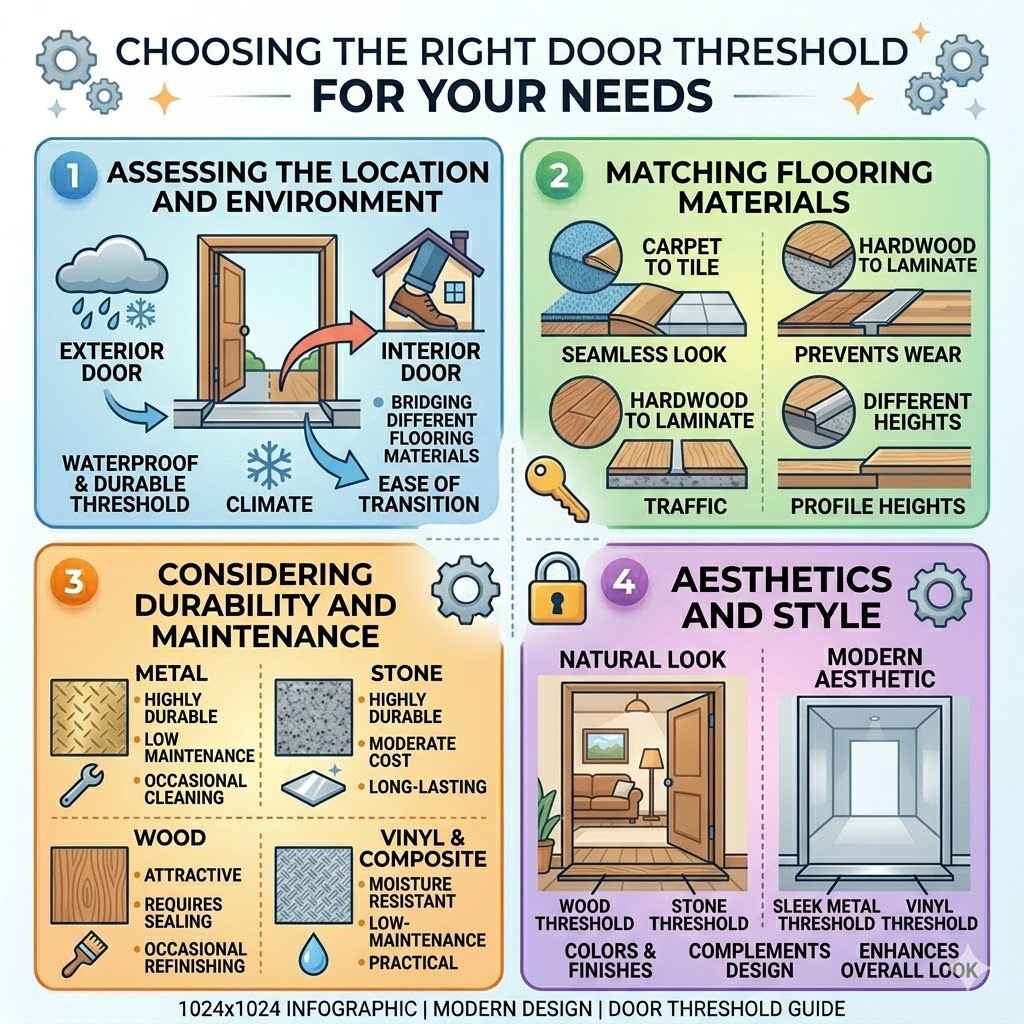
The first step is to identify where the threshold will be installed. Is it an exterior door exposed to rain and snow, or an interior door between rooms? An exterior threshold needs to be waterproof and durable.
An interior threshold might prioritize appearance and ease of transition between floor types.
Consider the climate. If you live in an area with heavy rainfall or snow, a robust, waterproof threshold is essential for exterior doors. For interior doors, the main concern might be bridging different flooring materials and providing a smooth surface.
The type of foot traffic the threshold will endure also matters; high-traffic areas require more durable materials.
Matching Flooring Materials
The transition between different types of flooring is a common reason for installing a threshold. Whether you’re moving from tile to carpet, hardwood to laminate, or any other combination, the threshold helps create a seamless look and prevents edges from snagging or wearing out.
Thresholds come in various profiles to accommodate different flooring heights. Some are designed to transition between equal heights, while others are ramped to bridge a difference in level. Ensuring the threshold matches the height and type of the adjacent flooring materials is important for both function and appearance.
Considering Durability and Maintenance
Different threshold materials offer varying levels of durability and require different maintenance. Metal thresholds, like aluminum or brass, are generally very durable and require little maintenance beyond occasional cleaning. Stone thresholds are also highly durable but can be more expensive.
Wood thresholds can be very attractive but may require sealing and occasional refinishing to protect them from moisture and wear. Vinyl and composite thresholds are often low-maintenance and resistant to moisture, making them a practical choice for many applications. Consider how much effort you are willing to put into maintenance when making your selection.
Aesthetics and Style
While function is paramount, the appearance of a door threshold should also be considered. It is a visible part of your home’s decor. Thresholds come in a wide range of colors, finishes, and styles to complement any interior or exterior design.
For a natural look, wood or stone thresholds can be appealing. For a modern aesthetic, sleek metal or minimalist vinyl thresholds might be preferred. The goal is to choose a threshold that enhances the overall look of the doorway and the surrounding area, rather than detracting from it.
Frequently Asked Questions
Question: What is the main purpose of a door threshold
Answer: The main purpose of a door threshold is to create a barrier at the bottom of a doorway. This barrier helps to prevent drafts, water, dust, and pests from entering or leaving a room or building. It also provides a smooth transition between different floor surfaces and protects the floor and door from wear.
Question: Are door thresholds necessary for interior doors
Answer: While not as critical as for exterior doors, door thresholds are often used for interior doors, especially when there is a transition between different flooring materials like carpet and tile or wood. They create a clean, finished look and can help reduce sound and drafts between rooms.
Question: Can I install a door threshold myself
Answer: Yes, installing a door threshold can be a manageable DIY project for many homeowners. It typically involves preparing the subfloor, cutting the threshold to size, and securing it with screws or adhesive. However, for exterior doors, ensuring a proper waterproof seal is crucial, which might require more attention to detail.
Question: How do I measure for a door threshold
Answer: To measure for a door threshold, you need to measure the width of the doorway where the threshold will be installed. Measure from the inside of one door jamb to the inside of the other. It is also important to consider the depth of the threshold and how it will sit on the floor.
Question: What is the difference between a saddle threshold and a standard threshold
Answer: A standard threshold is typically flat and lies directly on the floor. A saddle threshold, also known as a saddle or transition strip, is higher in the middle and slopes down on both sides. This design is ideal for creating a smooth, ramp-like transition between different floor levels or surfaces.
Summary
This guide has explored what a door threshold is, covering its essential functions and types. We’ve looked at materials, installation tips, and common issues. Understanding What Is a Door Threshold?
Simple Guide helps ensure your doors function well and your home stays protected. Choosing and installing the right threshold leads to better comfort and durability.