What Is a Double Cylinder Deadbolt? A Complete Guide to Home Security
Hey there! If you’re like me, you probably want your home to feel like a safe haven. I’ve spent years tinkering with home improvement projects, and one thing I’ve learned is that a good lock can make all the difference. That’s why I’m excited to dive into the world of double cylinder deadbolts with you today. If you’ve ever wondered, “What is a double cylinder deadbolt?” you’re in the right place. I’m going to walk you through everything I’ve discovered about this lock, from how it works to why it might be the perfect choice for your home. Let’s make home security simple, clear, and maybe even a little fun!
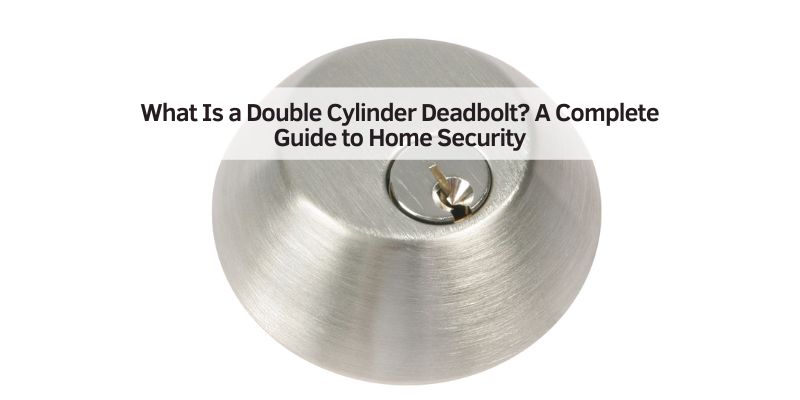
A double cylinder deadbolt is a type of lock that requires a key to unlock it from both the inside and outside of your door. Unlike a single cylinder deadbolt, which you can open from the inside with a thumb turn, this one needs a key no matter where you are. I first came across this lock when I was upgrading my front door, and I was curious about how it could boost my home’s safety. Over time, I’ve installed a few, researched their pros and cons, and even chatted with locksmiths to get the full scoop. So, let’s break it down together and explore why this lock might be worth considering.
How Does a Double Cylinder Deadbolt Work?
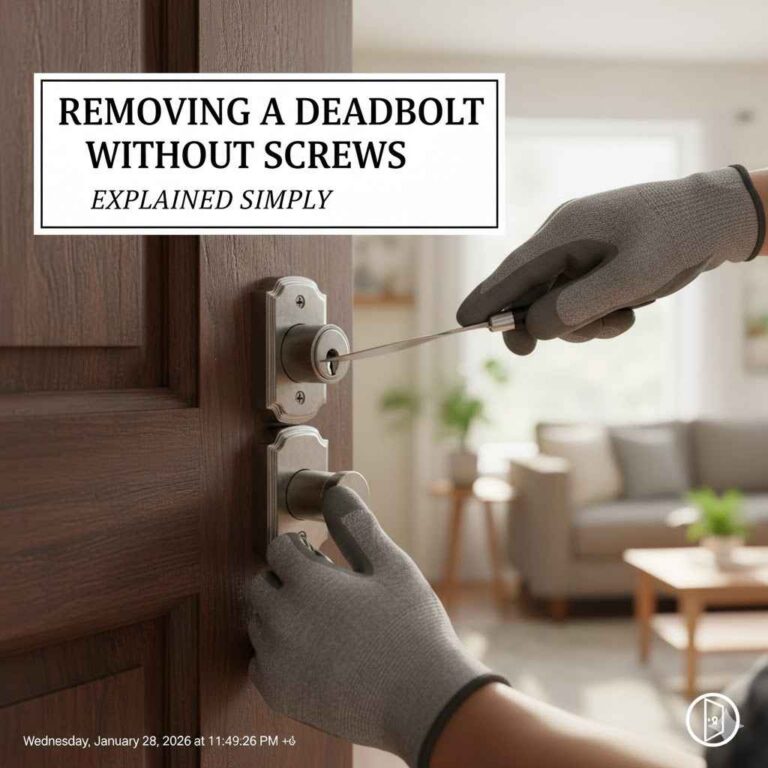
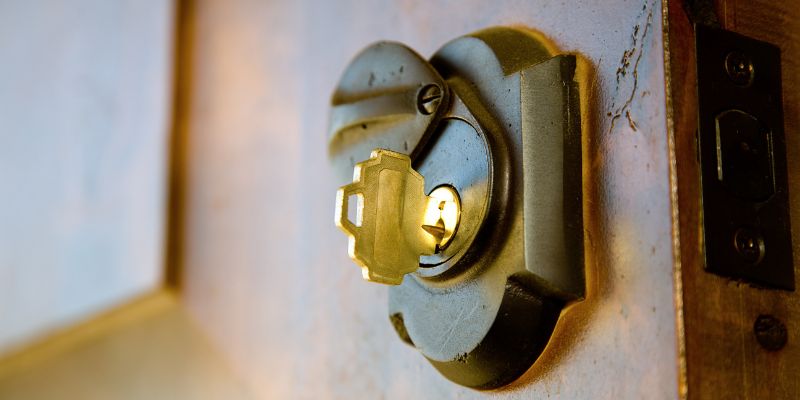
When I first got my hands on a double cylinder deadbolt, I was surprised by how straightforward it was. Picture this: you’ve got a lock on your door with a keyhole on both sides. To lock or unlock it, you need to insert a key, whether you’re standing outside or inside your home. The mechanism inside the lock is pretty much the same as a single cylinder deadbolt, with a bolt that slides into the door frame to secure it. The big difference? There’s no thumb turn on the inside. You’ve got to have that key handy.
I remember installing one on my back door, which has a glass panel. I was worried that someone could break the glass and just turn a knob to get in. With a double cylinder deadbolt, that’s not an issue—without the key, they’re stuck. The lock’s design makes it extra secure, but it does mean you need to keep a key nearby for quick exits. I’ll get into that a bit more later, but for now, just know it’s a sturdy, reliable system that’s all about keeping intruders out.
Why Choose a Double Cylinder Deadbolt?
So, why did I even consider a double cylinder deadbolt in the first place? Well, it’s all about security. I live in a neighborhood where break-ins aren’t common, but I’ve heard stories of thieves smashing small windows near doors to reach in and unlock them. A double cylinder deadbolt stops that trick cold. Since there’s no thumb turn, even if someone breaks a window, they can’t just reach in and open the door without a key.
Another reason I like these locks is for rental properties. I have a friend who rents out a cabin, and she swears by double cylinder deadbolts. They give her peace of mind that tenants can’t accidentally leave the door unlocked from the inside. Plus, they’re great for doors with decorative glass or sidelight windows, where a single cylinder might not cut it. I’ve found that these locks are especially popular in urban areas or homes with lots of glass near the entryway.
But it’s not just about security. I also love that double cylinder deadbolts feel solid. When I turn the key, there’s a satisfying click that says, “This door isn’t going anywhere.” It’s a small thing, but it makes me feel like I’ve got an extra layer of protection.
Pros and Cons of Double Cylinder Deadbolts
Like anything in home improvement, double cylinder deadbolts have their ups and downs. I’ve learned this the hard way after installing a few and living with them for a while. Let me share what I’ve found, so you can decide if they’re right for you.
Here’s a quick table to sum it up:
| Pros | Cons |
|---|---|
| Enhanced security, especially for doors with glass | Requires a key to unlock from inside, which can slow down exits |
| Prevents intruders from unlocking the door after breaking glass | May not meet fire safety codes in some areas |
| Ideal for rental properties or high-crime areas | Can be inconvenient if you misplace the key |
| Durable and reliable for long-term use | Slightly more expensive than single cylinder deadbolts |
The Good Stuff
The biggest win for me is the security. I can’t stress enough how much safer I feel with a double cylinder deadbolt on my glass-paneled door. It’s like having a guard dog that never sleeps. These locks are also super durable. I’ve had mine for years, and it still works like a charm, even with daily use.
Another plus is versatility. I’ve seen these locks on front doors, back doors, and even garage entries. They’re great for any door where you’re worried about someone reaching in to unlock it. Plus, they come in all sorts of finishes—brushed nickel, bronze, you name it—so they can match your home’s style.
The Not-So-Great Stuff
Now, let’s talk about the downsides. The biggest one for me was getting used to needing a key to get out. One time, I was rushing out the door and realized I didn’t have the key handy. It was a hassle, and I had to scramble to find it. That’s why I now keep a spare key on a hook near the door—but out of reach from any windows, of course!
Another thing to watch out for is fire safety. In some places, fire codes don’t allow double cylinder deadbolts on main exits because they can slow you down in an emergency. I checked with my local fire department, and they were okay with it as long as I had another exit with a single cylinder lock. You’ll want to check your local rules too.
Lastly, these locks can be a bit pricier than single cylinder ones. I paid about $50 more for mine, but I figured the extra security was worth it. Still, it’s something to keep in mind if you’re on a tight budget.
Where Should You Use a Double Cylinder Deadbolt?
When I started using double cylinder deadbolts, I had to think carefully about where they’d work best in my home. Not every door needs one, and honestly, they’re not always the right fit. Here’s what I’ve learned about picking the perfect spot.
First, think about doors with glass panels or windows nearby. My back door has a big glass panel, and I knew a single cylinder lock wouldn’t cut it. A double cylinder deadbolt was the perfect solution. If you’ve got sidelight windows or a decorative glass door, this lock is a no-brainer.
I also recommend them for secondary entrances, like a side door or garage door. These spots are often targeted by burglars because they’re less visible. I put one on my garage door after hearing about a neighbor’s break-in, and it’s given me peace of mind ever since.
But here’s a tip: avoid using double cylinder deadbolts on your main exit. I learned this from a locksmith friend who pointed out that in an emergency, like a fire, you don’t want to be fumbling for a key. Stick to single cylinder deadbolts for your primary entrance and save the double cylinder for other doors.
How to Install a Double Cylinder Deadbolt
Installing a double cylinder deadbolt might sound intimidating, but I promise it’s doable if you’ve got some basic DIY skills “‘I’ve done a few myself, and it’s pretty satisfying to see it all come together. Here’s how I tackled it, step by step.
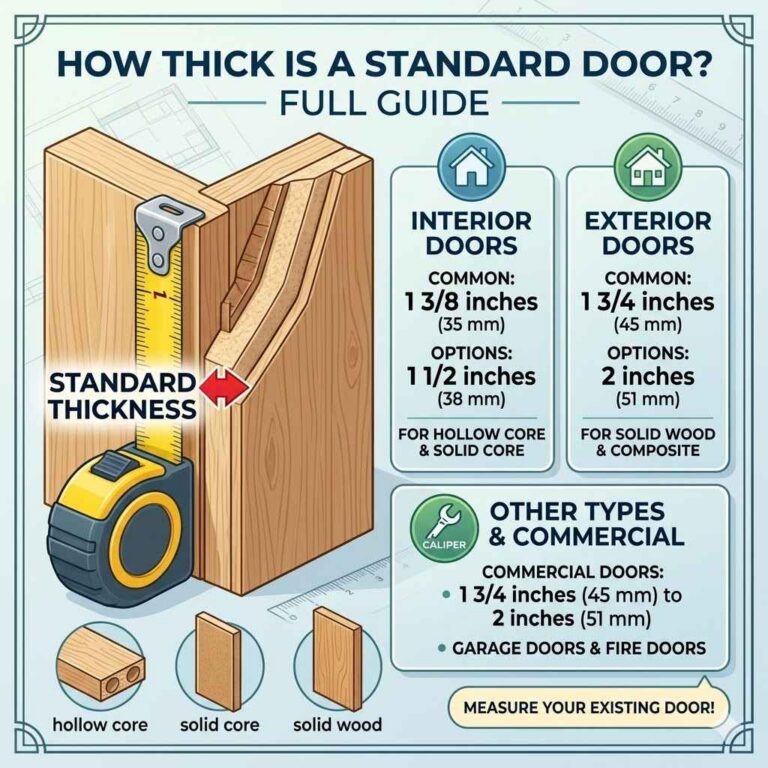
First, I grabbed my tools: a screwdriver, a drill, and the lock kit, which usually comes with a template for drilling holes. I started by checking the door to make sure it was thick enough for the lock—most standard doors are fine, but older ones might need a quick measure. Then, I used the template to mark where the holes needed to go. The kit made this part easy, but I double-checked my measurements to avoid any mistakes.
Next, I drilled the holes for the lock and bolt. This part was a bit nerve-wracking the first time, but as long as you go slow and keep the drill steady, you’re golden. After that, I installed the bolt mechanism into the side of the door and screwed it in place. Then came the lock itself—one cylinder on the outside, one on the inside. I made sure everything lined up before tightening the screws.
The trickiest part was getting the bolt to slide smoothly into the door frame. I had to adjust the strike plate a couple of times to get it just right. Once it was done, I tested the lock with the key from both sides to make sure it worked perfectly. The whole process took me about an hour, and I felt like a pro by the end!
If you’re not comfortable with DIY, I’d recommend calling a locksmith. I’ve done that for trickier doors, and it’s worth the cost to know it’s done right.
Are Double Cylinder Deadbolts Safe for Every Home?
This is a question I wrestled with when I first considered these locks. On one hand, they’re super secure. On the other, they can be a hassle—or even a safety risk—in certain situations. Here’s what I’ve figured out after living with them and talking to experts.
For homes with kids or elderly folks, double cylinder deadbolts can be tricky. I have a young daughter, and I worried she might struggle to find the key in an emergency. To solve this, I keep a spare key on a hook near the door, but I made sure it’s high enough that she can’t reach it and play with it. If you’ve got family members who might need to get out quickly, you’ll want to plan carefully.
Fire safety is another big consideration. Like I mentioned earlier, some fire codes don’t allow these locks on main exits. I checked with my local fire department, and they suggested keeping a key in a designated spot near the door for emergencies. I’ve got mine on a brightly colored keychain so it’s easy to spot.
If you’re in a high-crime area or have a door with glass, the extra security is probably worth the trade-off. But if your home doesn’t have those risks, a single cylinder deadbolt might be enough. It’s all about weighing your needs and making a smart choice.
How to Choose the Right Double Cylinder Deadbolt
When I went shopping for my first double cylinder deadbolt, I was overwhelmed by the options. There are so many brands, finishes, and features to choose from! Here’s what I’ve learned to help you pick the perfect one.
First, look for a reputable brand. I’ve had good luck with Schlage and Kwikset, but there are plenty of solid options out there. Check for a high ANSI grade—Grade 1 or 2 is best for security. I went with a Grade 1 lock for my back door, and it’s been rock-solid.
Next, think about the finish. I wanted something that matched my door hardware, so I picked a brushed nickel lock that looks sleek and modern. You can also find bronze, black, or even brass finishes to suit your style.
Another thing to consider is key control. Some locks come with restricted keyways, which means only you can get copies of the key made. I went with this option for my rental property to keep things extra secure.
Finally, check the price. I’ve seen double cylinder deadbolts range from $40 to $150, depending on the brand and features. My advice? Don’t skimp on quality, but you don’t need to go overboard either. A mid-range lock from a trusted brand usually does the trick.
Maintaining Your Double Cylinder Deadbolt
Once you’ve got your lock installed, you’ll want to keep it in tip-top shape. I’ve learned a few tricks to make sure my double cylinder deadbolts stay reliable for years.
First, keep the lock clean. Dust and grime can build up in the keyhole, making it harder to turn. I use a can of compressed air to blow out any debris every few months. If the lock starts to feel sticky, a little graphite lubricant does wonders—just don’t use oil-based sprays, as they can attract more dirt.
I also check the screws every year or so to make sure they’re tight. Loose screws can make the lock wobbly and less secure. A quick turn with a screwdriver usually fixes it.
Finally, keep an eye on your keys. I’ve had keys wear down over time, which can make them harder to use. If you notice your key sticking, it might be time to get a new one made. I always keep a spare in a safe place, just in case.
Conclusion
After diving deep into the world of double cylinder deadbolts, I can say they’re one of the smartest upgrades I’ve made to my home. They’re not perfect for every door, but for those high-risk spots—like doors with glass or secondary entrances—they’re a game-changer. I love the peace of mind they give me, knowing that my home is that much harder for intruders to crack. Sure, they take a bit of getting used to, with the whole key-on-both-sides thing, but with a little planning, they’re a fantastic addition to any home security setup.
I hope this guide has answered all your questions about double cylinder deadbolts and maybe even inspired you to give one a try. Whether you’re a DIY newbie or a seasoned home improvement pro, this lock is worth considering. So, grab a key, lock up tight, and enjoy the feeling of a safer home!
Frequently Asked Questions
What’s the difference between a single and double cylinder deadbolt?
A single cylinder deadbolt has a keyhole on the outside and a thumb turn on the inside. A double cylinder deadbolt requires a key on both sides. I find the double cylinder more secure for doors with glass, but the single cylinder is easier for quick exits.
Are double cylinder deadbolts legal?
It depends on where you live. Some fire codes don’t allow them on main exits because they can slow you down in an emergency. I checked with my local fire department, and they were fine with it as long as I had another exit with a single cylinder lock. Always check your local regulations.
Can I install a double cylinder deadbolt myself?
Yes, if you’re handy with a drill and screwdriver! I’ve installed a few, and it took me about an hour each time. The key is to follow the instructions and double-check your measurements. If you’re not confident, a locksmith can do it for you.
Where should I keep the key for a double cylinder deadbolt?
I keep mine on a hook near the door but out of reach from any windows. You want it close enough for emergencies but secure so no one can grab it from outside. A brightly colored keychain helps me spot it quickly.
Are double cylinder deadbolts worth the extra cost?
In my opinion, yes, especially for doors with glass or in high-crime areas. They’re a bit pricier than single cylinder locks, but the added security is worth it. I paid about $50 more for mine, and it’s been a great investment.