What Is a Macerating Toilet? How It Works (+ Real Costs)
A macerating toilet uses a built-in blade to grind waste into a slurry, then pumps it through a ¾-to-1-inch pipe to the main sewer line — no gravity drain required. That means a bathroom can go almost anywhere, including 15 feet below or 150 feet away from the main stack, but the pump needs electricity to run. This guide covers how it works, real installation costs ($800-$1,500), top brands like Saniflo and Liberty Pumps, and maintenance.
Understanding the Basics of a Macerating Toilet
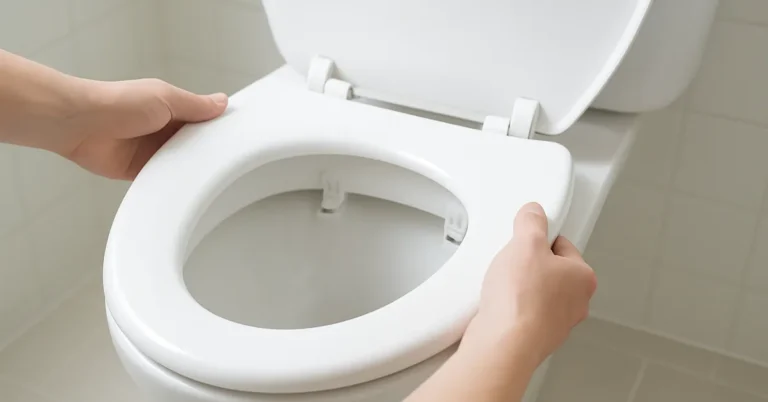
So, what exactly is a macerating toilet? Picture this: it’s a toilet with a superpower. Unlike a regular toilet that relies on gravity to flush waste down a pipe, a macerating toilet has a built-in pump that grinds up waste and pumps it away. The word “macerate” means to soften or break down, and that’s exactly what this toilet does. It chops up waste into smaller bits, making it easier to move through smaller pipes to your home’s sewage system or septic tank.
I first learned about macerating toilets when I wanted to add a bathroom in my basement. The problem? My basement was below the main sewer line, so a regular toilet wouldn’t work without major plumbing changes. That’s where the macerating toilet came to the rescue. It’s designed for situations where traditional plumbing isn’t an option, like basements, attics, or even garage conversions.
These toilets come with a macerating unit, usually a small box or tank behind the toilet. This unit houses a powerful blade that grinds waste and toilet paper into a slurry. Then, a pump pushes it through small-diameter pipes to wherever your main drain line is. It’s like giving your toilet a mini superhighway to move waste without needing big, bulky pipes.
Is a “Macerator Toilet” the Same as a Macerating or Upflush Toilet?
Yes — all three terms describe the same fixture. “Macerator toilet” is simply the common shorthand for a macerating toilet, and “upflush toilet” is the name most often used in the U.S. basement-bathroom market for the same pump-and-grind system, since it pushes waste up and out rather than relying on gravity. Manufacturer spec sheets and plumbing codes generally use “macerating,” while retail listings often say “upflush” — if you see either term, it’s the same category of product described in this guide.
How Does a Macerating Toilet Work?
Let me walk you through how this clever system works—it’s simpler than it sounds! When you flush a macerating toilet, the waste and water flow into the macerating unit instead of directly into a drain. Inside this unit, a stainless-steel blade spins at high speed, chopping everything into a fine slurry. Think of it like a blender for your toilet (gross, I know, but stay with me!).
Once the waste is broken down, the pump kicks in. It pushes the slurry through small pipes—usually about ¾ to 1 inch in diameter—up to your home’s main sewer line or septic tank. These pipes can go vertically up to 15 feet or horizontally up to 150 feet, depending on the model. That’s what makes macerating toilets so flexible. You can install them almost anywhere without tearing up floors or walls for major plumbing.
I was amazed when I installed one in my home. The process was straightforward, and I didn’t need to dig up my basement floor to connect to the main sewer line. The pump did all the heavy lifting, sending waste upward and out to the sewer. It felt like a plumbing miracle!
Why Choose a Macerating Toilet?
You might be wondering, “Why would I pick a macerating toilet over a regular one?” Great question! I asked myself the same thing when I was weighing my options. Here are some reasons why a macerating toilet might be the perfect fit for your home.
First, it’s a lifesaver for unconventional spaces. If you want a bathroom in a basement, attic, or even a shed, a macerating toilet makes it possible without expensive plumbing overhauls. I saved thousands of dollars by avoiding major pipe rerouting in my basement project.
Second, it’s versatile. The small pipes used by macerating toilets can fit into tight spaces where standard 3- or 4-inch drainpipes won’t go. This means you can add a bathroom in places you never thought possible, like under a staircase or in a small closet.
Third, it’s relatively easy to install. I’m no plumber, but with some basic DIY skills, I was able to set up my macerating toilet with the help of a friend. Most units come with clear instructions, and you can often connect them to existing plumbing without a complete remodel.
Finally, they’re great for older homes or rentals. If you’re working with outdated plumbing or want a temporary bathroom solution, a macerating toilet can be installed without permanent changes to your property.
Key Components of a Macerating Toilet System
To give you a clearer picture, let’s break down the main parts of a macerating toilet system. Understanding these components helped me feel more confident when I was choosing the right model for my home.
| Component | Description |
|---|---|
| Toilet Bowl | The part you sit on, just like a regular toilet. It’s designed to work with the macerating unit. |
| Macerating Unit | The heart of the system. This box contains the blades and pump that grind and move waste. |
| Pump | Pushes the slurry through small pipes to the main sewer or septic tank. |
| Non-Return Valve | Prevents waste from flowing back into the unit after it’s pumped out. |
| Discharge Pipe | Small-diameter pipe (¾ to 1 inch) that carries the slurry to the main drain. |
| Vent System | Allows air into the system to maintain proper pressure and prevent clogs. |
When I was setting up my system, I made sure to check that all these parts were included in the kit. Some brands even let you connect a sink or shower to the same macerating unit, which is super handy for creating a full bathroom.
Benefits of Installing a Macerating Toilet
I can’t stress enough how much a macerating toilet simplified my home improvement project. Here are the top benefits that stood out to me.
Flexibility in Placement: Like I mentioned earlier, you can put these toilets almost anywhere. My basement bathroom would’ve been impossible without it. The ability to pump waste upward or across long distances opens up so many possibilities.
Cost Savings: Traditional plumbing for a new bathroom can cost a fortune, especially if you need to break concrete or reroute pipes. A macerating toilet cuts those costs significantly. I spent a fraction of what I’d budgeted for plumbing.
Easy Installation: If you’re handy, you might be able to install it yourself. I watched a few online tutorials and got mine up and running in a weekend. Even if you hire a pro, the installation is usually quicker than traditional plumbing.
Minimal Disruption: No need to tear up floors or walls. The small pipes can be tucked behind walls or under flooring, keeping your home intact. This was a big deal for me since I didn’t want a construction zone in my house.
Eco-Friendly Options: Some models are designed to use less water per flush, which is great for the environment and your water bill. My macerating toilet uses about 1.6 gallons per flush, compared to older toilets that guzzle up to 3.5 gallons.
📊 Older, inefficient toilets can use as much as 6 gallons per flush, versus today’s federal standard of 1.6 gallons — and WaterSense-labeled high-efficiency models (many macerating toilets included) use 1.28 gallons per flush or less. — Source: EPA WaterSense, Residential Toilets
Potential Drawbacks to Consider
Now, I’m all about being honest with you. While macerating toilets are fantastic, they’re not perfect. Here are a few things I learned to watch out for.
First, they need electricity to run. The pump and blades rely on power, so if your electricity goes out, your toilet won’t flush (see our guide on whether any toilets flush during a power outage). I got around this by keeping a portable generator handy for emergencies.
Second, they can be noisy. When the pump kicks on, it makes a humming or grinding sound. It’s not super loud, but it’s noticeable. In my basement, it’s not a big deal, but if your toilet is near a living space, you might hear it.
Third, maintenance is key. The blades and pump need occasional cleaning to prevent clogs or odors. I make it a habit to check mine every six months, and it’s been smooth sailing so far.
Finally, the upfront cost can be higher than a standard toilet. A good macerating toilet system can cost $800 to $1,500, depending on the brand and features. But for me, the savings on plumbing made it worth every penny.
Who Should Consider a Macerating Toilet?
When I was researching, I realized macerating toilets aren’t for everyone, but they’re perfect for specific situations. Here’s who I think would benefit most (see our full bathroom fixtures hub for more upgrade ideas).
Homeowners Adding New Bathrooms: If you’re dreaming of a bathroom in a basement, attic, or garage, this is your go-to solution. It’s how I turned my unused basement into a cozy guest suite.
Renovators on a Budget: If you want to avoid pricey plumbing work, a macerating toilet is a budget-friendly alternative. It saved me from a $5,000 plumbing bill.
Renters or Temporary Setups: If you’re in a rental or need a bathroom for a short-term project, these toilets can be installed and removed without major changes.
Small Space Dwellers: Got a tiny apartment or a quirky layout? The small pipes and flexible installation make it ideal for tight spaces.
I’ve even heard of people using them in RVs or boats, though I haven’t tried that myself!
Installation Tips from My Experience
Installing my macerating toilet was an adventure, and I picked up some tips along the way. First, always read the manual. Every model is a bit different, and the instructions will save you headaches. Second, make sure you have a nearby power outlet since the pump needs electricity. I had to add a GFCI outlet for safety.
Third, check your local plumbing codes. Some areas require permits or specific venting setups. I called my city’s building department to confirm everything was up to code. Fourth, invest in a quality unit. Brands like Saniflo and Liberty Pumps are popular for a reason—they’re reliable. Finally, keep the macerating unit accessible. You’ll need to open it for maintenance, so don’t box it in too tightly.
Maintenance and Care for Longevity
Keeping your macerating toilet in top shape is easier than you might think. I learned a few tricks to keep mine running smoothly (the same basic upkeep as cleaning a standard toilet bowl, plus the unit itself). Clean the unit every six months with a descaling solution to prevent buildup. Avoid flushing anything other than toilet paper and waste—no wipes, tampons, or paper towels. They can clog the blades.
If you notice slow flushing or strange noises, check the pump and blades for blockages. I had a minor clog once, and a quick cleaning fixed it right up. Also, use a toilet bowl cleaner designed for macerating toilets to avoid damaging the internal components.
Comparing Macerating Toilets to Traditional Toilets
To help you decide if a macerating toilet is right for you, here’s a quick comparison with traditional toilets.
| Feature | Macerating Toilet | Traditional Toilet |
|---|---|---|
| Installation | Flexible, small pipes, DIY-friendly | Requires large drainpipes, often professional |
| Location | Anywhere, including below sewer lines | Limited to areas near main drain |
| Cost | $800–$1,500 upfront, lower plumbing costs | $100–$500, higher plumbing costs |
| Power Requirement | Needs electricity | No electricity needed |
| Noise | Moderate pump noise | Quiet |
| Maintenance | Regular cleaning of pump and blades | Minimal maintenance |
For me, the flexibility and cost savings of a macerating toilet outweighed the extra maintenance. But if you’re near a main drain and don’t need the extra features, a traditional toilet might be simpler.
My Top Picks for Macerating Toilet Brands
After researching and using my own system, I’ve got a few favorite brands. Saniflo is the gold standard—they’ve been making macerating toilets for decades, and their systems are reliable. Liberty Pumps is another great option, especially for heavy-duty use. If you’re on a budget, check out brands like FloForce or Upflush. Just make sure to read reviews and check warranty details.
When I bought mine, I went with a Saniflo Sanibest Pro because it could handle a sink and shower, too. It’s been a workhorse for three years now, and I’ve had zero regrets.
Best Macerating Toilet Pick
Saniflo SaniPLUS Upflush Toilet Kit (Elongated Bowl) – $1,472.55
The same Saniflo brand this guide recommends as the “gold standard” — this kit bundles the macerating pump with an elongated bowl, so you’re not sourcing the two separately.
- Best for: A full basement or garage bathroom addition without breaking concrete
- Why we picked it: Handles up to 150 ft horizontal / 15 ft vertical discharge, matching the specs covered above
- Main drawback: Higher upfront cost than a standard toilet — budget for the full $800-$1,500+ range
Compare more macerating toilet options
 Option 1 Saniflo Saniplus Pump Only – $998.55
|
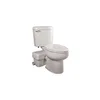 Option 2 Liberty Pumps ASCENTII-ESW – $1,270.50
|
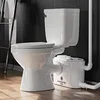 Option 3 750W 4-Inlet Macerating System – $699.99
|
As an Amazon Associate we earn from qualifying purchases.
Frequently Asked Questions
What Can I Flush in a Macerating Toilet?
You should only flush human waste and toilet paper. Avoid flushing wipes, sanitary products, or paper towels—they can clog the blades. I learned this the hard way when a guest flushed a “flushable” wipe and caused a minor backup.
Do Macerating Toilets Smell?
Not if you maintain them properly! Regular cleaning with a descaling solution keeps odors at bay. I also use a toilet bowl cleaner designed for macerating systems to keep everything fresh.
Can I Install a Macerating Toilet Myself?
Yes, if you’re handy and follow the instructions. I installed mine with basic plumbing skills and some YouTube tutorials. But if you’re unsure, hire a professional to ensure it’s done right.
How Long Do Macerating Toilets Last?
With proper care, they can last 10–15 years or more. My Saniflo is still going strong after three years, and I know people who’ve had theirs for over a decade.
Can a Macerating Toilet Handle a Full Bathroom?
Absolutely! Many models, like the one I have, can connect to a sink, shower, or even a washing machine. Just check the unit’s specs to make sure it can handle the extra load.
Does a Macerating Toilet Need to Be Vented?
Yes — like any drain-waste-vent system, a macerating toilet still needs air admitted somewhere in the line to maintain proper pressure and prevent siphoning or clogs, which is why the unit includes its own vent system (see the components table above). Local plumbing codes may specify how that venting must be routed, so check with your building department before finalizing the install.
Conclusion
After diving into the world of macerating toilets, I can honestly say they’re a fantastic solution for tricky plumbing situations. Whether you’re transforming a basement into a guest suite, adding a bathroom to a rental, or working with a quirky home layout, a macerating toilet can make it happen without breaking the bank. I love how mine turned an impossible project into a reality, and I’m thrilled with the extra space it’s given my family.
Sure, there are a few things to keep in mind, like the need for electricity and occasional maintenance. But the flexibility, cost savings, and ease of installation make it worth considering. If you’re ready to explore new possibilities for your home, a macerating toilet might just be your new best friend. Got questions? I’ve got you covered with some FAQs below to help you decide.
Sponsored / affiliate links. As an Amazon Associate I earn from qualifying purchases. I may earn additional commission from eligible campaigns.