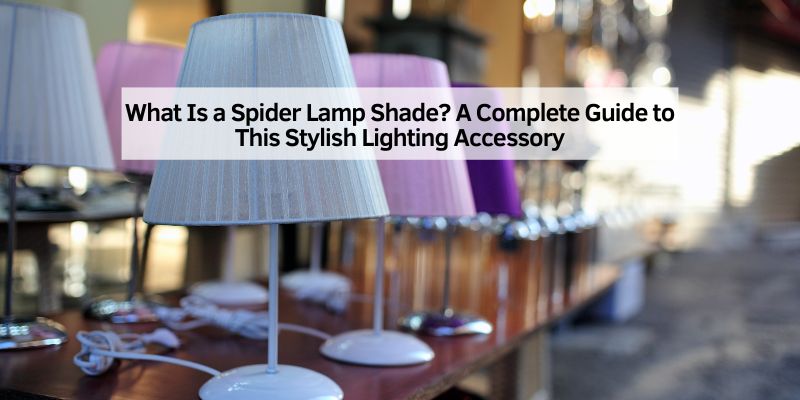
What Is a Spider Lamp Shade? A Complete Guide to This Stylish Lighting Accessory
Hey there! I’m so excited to chat with you about something that’s been lighting up my world lately—spider lamp shades. If you’re wondering, “What is a spider lamp shade?” you’re in for a treat. I’ve spent hours exploring these unique accessories, and I can’t wait to share everything I’ve learned. A spider lamp shade is a type of lampshade that attaches to a lamp using a specific fitting called a spider fitter. It’s versatile, stylish, and can totally transform the vibe of any room.
Whether you’re a car enthusiast looking to add flair to your garage or someone sprucing up their home, this guide will break it all down for you. Let’s dive into the world of spider lamp shades and see why they’re such a bright idea!
Understanding the Basics of a Spider Lamp Shade
So, what exactly makes a spider lamp shade different? Picture this: I’m sitting in my cozy garage, tinkering with my vintage car, and I notice my old lamp’s shade is looking a bit drab. That’s when I discovered spider lamp shades. The term “spider” comes from the fitting at the top of the shade. It has metal spokes that spread out like a spider’s legs, connecting to a central ring. This ring sits on a harp, which is a U-shaped metal piece attached to the lamp base.
The harp and spider fitter work together to hold the shade securely. Unlike other shades that clip directly onto the bulb or screw into the socket, spider lamp shades give you flexibility. You can swap them out easily without messing with the lamp’s wiring. I love how this design lets me experiment with different styles. Plus, they come in all sorts of shapes—round, square, oval, you name it. Whether you’re going for a sleek, modern look or a retro vibe, there’s a spider lamp shade for you.
Why Choose a Spider Lamp Shade?
I’ll be honest—when I first started looking into lamp shades, I was overwhelmed by the options. But spider lamp shades quickly became my favorite. Why? For starters, they’re super versatile. I’ve used them in my garage to add a pop of personality while working on my car, and they look just as good in my living room. They fit most standard table and floor lamps, so you don’t need to buy a special base.
Another big plus is the variety of materials. You can find spider lamp shades in fabric, silk, linen, or even metal for an industrial feel. I recently picked up a linen one for my home office, and it softens the light beautifully. They also come in countless colors and patterns. If you’re like me and love customizing your space, you can even find shades with car-themed designs—think checkered flags or vintage car silhouettes.
But it’s not just about looks. Spider lamp shades are practical too. The harp system keeps the shade stable, so it won’t wobble or fall off. And because they’re so common, you can find them at all price points, from budget-friendly to high-end designer pieces. It’s a win-win!
How Does a Spider Lamp Shade Work?
Okay, let’s get a bit technical—but don’t worry, I’ll keep it simple. When I first tried installing a spider lamp shade, I was nervous I’d mess it up. Turns out, it’s a breeze! Here’s how it works: the lamp base has a harp that slides into slots on either side of the bulb socket. The spider fitter on the shade has a central ring that rests on top of the harp. A finial—a small decorative screw—goes through the ring and tightens everything in place.
The beauty of this setup is that it’s adjustable. You can raise or lower the harp to change the shade’s height, which affects how the light spreads. For example, in my garage, I keep the shade higher to light up my workbench. In my bedroom, I lower it for a cozier glow. It’s like having multiple lamps in one!
One thing to watch out for: make sure the harp size matches the shade. Harps come in different heights, usually 6 to 12 inches. If the harp’s too short, the shade might sit too close to the bulb, which can be a fire hazard. Too tall, and it’ll look awkward. I learned this the hard way when I bought a shade online without checking the specs. Lesson learned—always measure first!
Types of Spider Lamp Shades
I love how spider lamp shades come in so many styles. It’s like picking the perfect rims for your car—you want something that matches your vibe. Here’s a quick rundown of the types I’ve come across:
- Fabric Shades: These are the most common. They’re made of materials like cotton, silk, or linen and give off a soft, diffused light. I have a white fabric shade in my living room, and it makes the space feel warm and inviting.
- Metal Shades: These are perfect for an industrial or automotive-themed space. I found a brushed nickel one for my garage, and it screams “car guy chic.”
- Paper or Parchment Shades: These are lightweight and budget-friendly. They’re great for a minimalist look but can be fragile, so I wouldn’t use them in a busy garage.
- Glass Shades: Less common but super elegant. They’re heavier and pricier, but the way they reflect light is stunning. I’m eyeing one for my dining room.
- Custom Shades: If you’re feeling creative, you can get shades with custom prints. I saw one with a muscle car design that I’m tempted to get for my man cave.
Each type has its own charm, so it’s all about what fits your space and personality. To help you choose, here’s a table comparing the main types:
| Material | Light Quality | Durability | Best For | Price Range |
|---|---|---|---|---|
| Fabric | Soft, diffused | Moderate | Living rooms, bedrooms | $15–$100 |
| Metal | Focused, direct | High | Garages, industrial spaces | $20–$150 |
| Paper | Bright, even | Low | Temporary or minimalist decor | $10–$50 |
| Glass | Reflective, elegant | Moderate | Dining rooms, upscale decor | $50–$200+ |
| Custom | Varies by material | Varies | Personalized spaces | $30–$300+ |
How to Choose the Right Spider Lamp Shade
Picking a spider lamp shade can feel like choosing the right car part—it’s gotta fit and look good. Here’s what I’ve learned from trial and error. First, measure your lamp base and harp. The shade’s diameter should be about twice the width of the base for balance. For example, my table lamp has a 6-inch base, so I went with a 12-inch shade.
Next, think about the room’s vibe. In my garage, I wanted something tough and bold, so I chose a metal shade. For my bedroom, I picked a soft linen one to create a calming atmosphere. Color matters too. Neutral shades like white or beige are versatile, but a bold red or black can make a statement. I once tried a bright yellow shade in my office, and while it was fun, it was a bit too cheerful for long workdays.
Finally, check the bulb type. Spider lamp shades work with most bulbs, but if you’re using a high-wattage one, make sure the shade’s material can handle the heat. Fabric and paper shades need at least an inch of space around the bulb to stay safe. I always stick with LED bulbs—they’re cooler and energy-efficient.
Installing and Maintaining Your Spider Lamp Shade
Installing a spider lamp shade is so easy, even I didn’t mess it up the first time! Here’s how I do it: First, turn off and unplug the lamp. Safety first! Slide the harp into the slots on the lamp base, then place the shade’s spider fitter over the harp. Screw on the finial to secure it. That’s it—you’re done in under a minute.
Maintenance is just as simple. Dust the shade regularly with a soft cloth or a duster. For fabric shades, I use a vacuum with a brush attachment to get rid of dirt. If it’s stained, spot-clean with a damp cloth and mild soap, but test a small area first. Metal or glass shades are even easier—just wipe them down with a glass cleaner. I make it a habit to clean my shades every couple of months to keep them looking sharp.
One tip: if you’re storing a shade, wrap it in tissue paper and keep it somewhere dry. I once left a fabric shade in my damp basement, and it got musty. Not fun.
Where to Use Spider Lamp Shades
I’ve found spider lamp shades work pretty much anywhere. In my garage, they’re a game-changer. A sturdy metal shade lights up my workbench without getting in the way. At home, they’re perfect for living rooms, bedrooms, or even a home office. I put a silk shade on a floor lamp in my reading nook, and it’s like a hug of light every time I curl up with a book.
They’re also great for automotive-themed spaces. Imagine a car showroom or a man cave with a custom shade featuring a classic Mustang or a racecar logo. It’s a subtle way to show off your passion. Even in commercial settings, like a mechanic’s shop or a car dealership, spider lamp shades can add style without breaking the bank.
Where to Buy Spider Lamp Shades
When I started hunting for spider lamp shades, I was amazed at how many options there are. Big-box stores like Target and Walmart have affordable basics. Home Depot and Lowe’s carry more industrial styles, which I love for my garage. For something unique, I check out Etsy or Amazon—Etsy’s great for custom designs, and Amazon has everything from cheap to chic.
Local lighting stores are worth a visit too. I found a gorgeous glass shade at a small shop near me, and the owner helped me pick the perfect harp size. If you’re on a budget, thrift stores can be goldmines. I once scored a vintage fabric shade for $5—it just needed a quick clean to shine.
Prices vary wildly. Basic fabric shades start around $15, while custom or designer ones can hit $200 or more. My advice? Set a budget and shop around. You don’t need to spend a fortune to find something awesome.
Conclusion
Wow, we’ve covered a lot, haven’t we? From the nuts and bolts of spider lamp shades to how they can light up your life, I hope you’re as excited about them as I am. These shades are more than just a way to cover a bulb—they’re a chance to show off your style, whether you’re a car lover like me or just want to refresh your home. I love how easy they are to install, how many options there are, and how they can fit any space, from a gritty garage to a cozy bedroom.
Next time you’re looking to upgrade your lighting, give a spider lamp shade a try. Trust me, once you see how it transforms your space, you’ll be hooked. So, grab a tape measure, pick a style that speaks to you, and let’s get that lamp shining! Got any questions? I’m here to help—let’s keep the conversation going.
FAQs
What is the difference between a spider lamp shade and other lamp shades?
A spider lamp shade uses a spider fitter with metal spokes that sit on a harp, secured by a finial. Other shades might clip onto the bulb or screw directly into the lamp. The spider design makes it easy to swap shades and fits most standard lamps.
Can I use a spider lamp shade on any lamp?
Most table and floor lamps work with spider lamp shades, as long as they have a harp or can be fitted with one. Always check the harp size and lamp base to make sure the shade fits properly.
How do I know what size spider lamp shade to buy?
Measure your lamp base and harp. The shade’s diameter should be about twice the base’s width, and the harp should be tall enough to hold the shade securely without touching the bulb.
Are spider lamp shades safe to use with high-wattage bulbs?
They can be, but you need to be careful. Keep at least an inch of space between the bulb and the shade, and use LED bulbs to reduce heat. Check the shade’s material for heat resistance too.
Where can I find custom spider lamp shades?
Etsy and Amazon are great for custom designs. You can also check local lighting stores or online retailers like Lamps Plus. Some shops let you upload your own designs for a personal touch.
How do I clean a spider lamp shade?
Dust it regularly with a soft cloth or duster. For fabric shades, use a vacuum brush or spot-clean with mild soap. Metal or glass shades can be wiped with glass cleaner. Always unplug the lamp first!