What Is High Bay Lighting? A Complete Guide for Automotive Enthusiasts
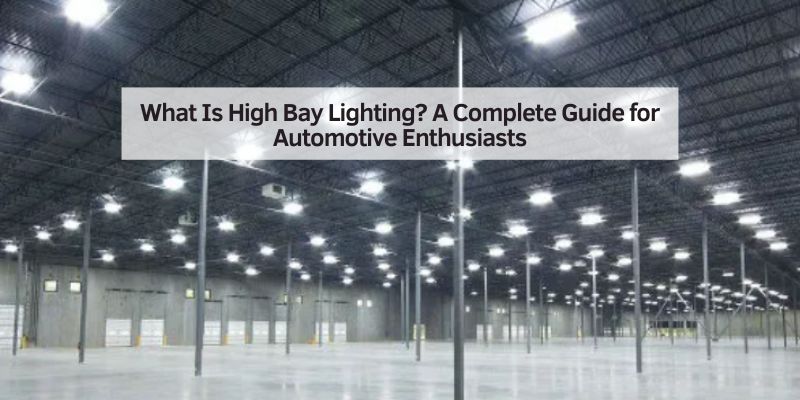
Hey there! If you’ve ever walked into a massive auto shop, a car dealership, or a garage and noticed bright, powerful lights shining down from the ceiling, you’ve probably seen high bay lighting in action. I’ve spent years exploring automotive spaces, and I can tell you these lights are game-changers. They’re designed to illuminate large areas with high ceilings, making them perfect for places where cars are built, repaired, or displayed. In this article, I’ll break down everything you need to know about high bay lighting, why it matters for automotive settings, and how it can transform your workspace. Let’s get started!
Understanding High Bay Lighting
So, what exactly is high bay lighting? Picture this: you’re in a huge garage working on a car. The ceiling is 20 feet high, and you need clear, bright light to see every detail of the engine. That’s where high bay lights come in. These are powerful fixtures designed for spaces with ceilings 15 feet or higher. They cast a wide, intense beam of light to cover large areas evenly.
I first noticed high bay lighting when I visited an auto manufacturing plant. The entire floor was lit up like daylight, even though it was late at night. These lights are typically used in places like warehouses, factories, and, of course, automotive shops. They’re built to handle tough environments, like dusty garages or busy showrooms, and they’re super efficient.
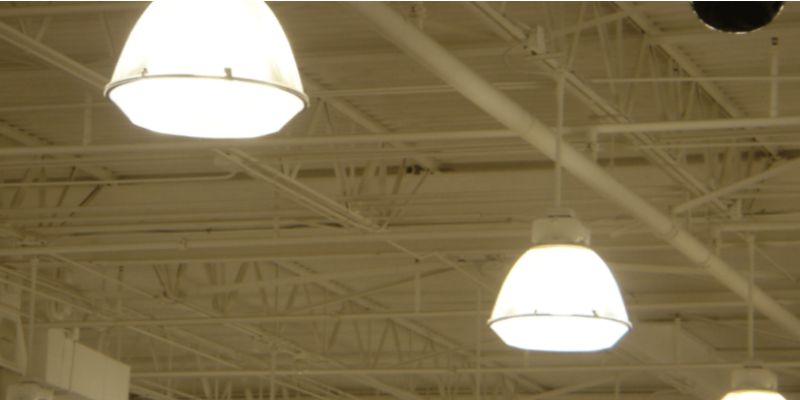
Unlike regular lights, high bay lights are mounted high up and use reflectors or lenses to spread light across a wide area. They’re perfect for tasks that need precision, like painting a car or inspecting parts. If you’ve ever struggled to see under dim lights in a garage, you’ll appreciate why these are so popular.
Why High Bay Lighting Is Perfect for Automotive Spaces
Let me tell you why high bay lighting is a must for automotive settings. When I’m working on a car, I need to see every scratch, dent, or bolt clearly. Poor lighting can lead to mistakes, and nobody wants that when fixing a classic Mustang or detailing a new SUV.
High bay lights provide bright, uniform illumination. This means no dark spots or shadows, which is crucial in a busy auto shop. They also save energy, which is a big deal if you’re running a business. I’ve seen shop owners cut their electricity bills significantly after switching to LED high bay lights. Plus, these lights are durable. They can handle the heat, dust, and vibrations of a working garage.
Another thing I love is how they make automotive showrooms pop. If you’re displaying cars, high bay lighting highlights every curve and shine, making vehicles look their best. It’s like giving your cars a spotlight on a stage.
Types of High Bay Lighting
Now, let’s talk about the different types of high bay lighting. Over the years, I’ve seen a few options, and each has its pros and cons. Here’s a quick rundown:
- LED High Bay Lights: These are my favorite. They’re energy-efficient, long-lasting, and provide bright, clear light. I’ve seen LED high bay lights last up to 50,000 hours, which means less hassle replacing bulbs in a busy shop.
- Metal Halide Lights: These are older but still used. They’re bright but take time to warm up and aren’t as energy-efficient as LEDs. I’ve noticed they can get hot, which isn’t great for long hours in a garage.
- Fluorescent High Bay Lights: These are budget-friendly and provide decent light. However, they flicker sometimes, which can be annoying when you’re focusing on detailed work like wiring.
- Induction Lights: These are less common but super durable. They’re a good middle ground between LEDs and metal halides.
To make it easier, here’s a table comparing these options:
| Type | Pros | Cons | Best For |
|---|---|---|---|
| LED High Bay Lights | Energy-efficient, long lifespan, bright | Higher upfront cost | Auto shops, showrooms |
| Metal Halide | Very bright, affordable | Slow warmup, high energy use | Large factories, less frequent use |
| Fluorescent | Low cost, decent light | Flickering, shorter lifespan | Budget-conscious shops |
| Induction | Durable, good efficiency | Less common, harder to find | Mixed-use spaces |
Benefits of Using High Bay Lighting in Automotive Settings
Let’s dive into why high bay lighting is such a big deal for automotive work. I’ve spent enough time in garages to know that lighting can make or break your day.
First, high bay lights improve safety. When you’re working under a car or using heavy tools, you need to see everything clearly. Good lighting reduces accidents and mistakes. I once saw a mechanic spot a tiny crack in a car frame because of great lighting—something he might’ve missed otherwise.
Second, they boost productivity. Bright light keeps you focused and energized. I’ve noticed that well-lit shops feel more inviting, and workers get more done. It’s amazing how much a simple thing like light affects your mood.
Third, LED high bay lights save money in the long run. They use less electricity than older lights, and you won’t need to replace them as often. I talked to a shop owner who said switching to LEDs cut his energy bill by 30%. That’s huge for a small business.
Finally, they’re versatile. Whether you’re running a repair shop, a detailing business, or a showroom, high bay lighting adapts to your needs. You can adjust the brightness or choose fixtures that fit your space perfectly.
How to Choose the Right High Bay Lighting
Picking the right high bay lighting can feel overwhelming, but I’ve learned a few tricks to make it easier. Here’s what I consider when helping friends or shop owners choose lights:
- Ceiling Height: The higher your ceiling, the more powerful your lights need to be. For ceilings over 20 feet, go for LED high bay lights with high lumens (think 20,000 or more).
- Brightness Needs: If you’re doing detailed work like painting or diagnostics, you’ll need brighter lights. I’d aim for 100–150 lumens per square foot in an auto shop.
- Energy Efficiency: Always choose LED high bay lights if you want to save on bills. They’re pricier upfront but worth it over time.
- Durability: Automotive shops are tough environments. Look for lights with an IP65 rating to handle dust and moisture.
- Color Temperature: I prefer lights with a 5000K color temperature for auto work. They mimic daylight, making it easier to see colors accurately.
When I helped a friend set up his new garage, we chose LED high bay lights with 150 lumens per watt and a 5000K temperature. The result? His shop looks professional, and he loves working there.
Installation Tips for High Bay Lighting
Installing high bay lighting isn’t something you want to rush. I’ve seen some shops mess this up, and it’s not fun to fix. Here’s what I’ve learned about getting it right:
First, plan your layout. You want even light coverage, so space the fixtures properly. A general rule is one light every 10–15 feet, depending on your ceiling height. I always sketch a quick map of the shop before installing.
Second, hire a professional if you’re not comfortable working at heights. High bay lights are heavy, and ceilings are high! Safety comes first. I once watched an electrician install lights in a dealership, and his precision made all the difference.
Third, check your wiring. Automotive shops need stable power, so make sure your electrical system can handle the load. If you’re upgrading to LED high bay lights, you might need to update your circuits.
Finally, test the lights after installation. Walk around the shop and check for dark spots. Adjust the angles if needed. When I helped install lights in a friend’s garage, we spent an extra hour tweaking the setup, and it was worth it for the perfect glow.
Maintenance and Longevity
One thing I love about high bay lighting, especially LEDs, is how little maintenance they need. But that doesn’t mean you can ignore them completely. Here’s how I keep them in top shape:
- Clean Regularly: Dust and grime build up in auto shops. I wipe down my lights every few months to keep them bright. A soft cloth and mild cleaner work fine.
- Check Connections: Loose wires can cause flickering. I check the connections yearly to avoid issues.
- Monitor Performance: If a light starts dimming or flickering, it might be time for a replacement. LED high bay lights last years, but nothing’s forever.
- Upgrade When Needed: Technology keeps improving. I’ve seen newer LED high bay lights that are even more efficient than ones from five years ago.
I remember a shop where the owner ignored maintenance, and half the lights were dim. It made the whole place feel rundown. A quick cleaning and a few replacements fixed everything.
High Bay Lighting vs. Other Lighting Options
You might be wondering how high bay lighting stacks up against other options, like standard fluorescents or low bay lights. Let me break it down.
Low Bay Lights are similar but designed for ceilings under 15 feet. They’re great for smaller garages but won’t cut it in a big shop. I tried low bay lights in a medium-sized repair shop once, and they just didn’t spread the light far enough.
Standard Fluorescents are cheaper but less reliable. They flicker, burn out faster, and don’t handle tough environments well. I’ve seen them fail in dusty auto shops within a year.
Spotlights are another option, but they’re too focused for large spaces. They’re better for highlighting a single car in a showroom than lighting an entire workshop.
High bay lighting, especially LED high bay lights, wins for automotive settings because it balances brightness, efficiency, and durability. It’s like choosing the right tool for the job—you wouldn’t use a screwdriver to hammer a nail, right?
Trends in High Bay Lighting for Automotive Use
The world of high bay lighting is always evolving, and I’ve noticed some exciting trends. Smart lighting is a big one. Some LED high bay lights now come with sensors that adjust brightness based on natural light or motion. I saw this in a fancy dealership, and it saved them tons on energy.
Another trend is customizable color temperatures. You can tweak the light to be warmer or cooler, depending on the vibe you want. I’ve seen shops use warmer lights for customer areas and cooler ones for work zones.
Finally, sustainability is huge. More manufacturers are making high bay lights with eco-friendly materials. It’s a small step, but it feels good to know your shop is greener.
My Personal Experience with High Bay Lighting
Let me share a quick story. A few years ago, I helped a friend renovate his auto repair shop. The old lights were dim and flickered constantly. We installed LED high bay lights, and the difference was night and day. The shop felt bigger, cleaner, and more professional. Customers noticed, too—they kept commenting on how bright and welcoming the space was. That’s when I realized high bay lighting isn’t just about function; it’s about creating an experience.
Conclusion
So, there you have it—everything I’ve learned about high bay lighting from years of hanging out in auto shops and showrooms. These lights are more than just bulbs; they’re tools that make your work easier, safer, and more efficient. Whether you’re running a busy garage, showcasing cars, or just tinkering in your home shop, high bay lighting can transform your space. I’ve seen it make old, dingy shops feel brand new and help mechanics spot details they’d otherwise miss. If you’re thinking about upgrading, go for LED high bay lights—they’re worth every penny. Ready to brighten up your automotive world? Trust me, you won’t look back.
FAQs
What is the difference between high bay and low bay lighting?
High bay lighting is designed for ceilings over 15 feet, while low bay lighting is for lower ceilings. In automotive shops, high bay lights are better for large spaces like warehouses or big garages.
Are LED high bay lights worth the cost?
Absolutely. LED high bay lights cost more upfront but save money on energy and maintenance. They last longer and provide brighter, clearer light for auto work.
How many high bay lights do I need for my shop?
It depends on your shop’s size and ceiling height. A good rule is one light every 10–15 feet. I recommend sketching a layout and consulting an electrician for the best setup.
Can high bay lighting improve customer experience?
Yes! Bright, even lighting makes your shop or showroom look professional and inviting. Customers notice the difference, and it can make cars look more appealing.
How do I maintain high bay lights?
Clean them every few months to remove dust. Check connections yearly to avoid flickering. LED high bay lights need less maintenance, but it’s still good to keep an eye on them.
Are smart high bay lights a good option?
Smart high bay lights with sensors can save energy by adjusting brightness automatically. They’re great for busy shops or showrooms where light needs change throughout the day.
Can high bay lighting work in small garages?
If your ceiling is under 15 feet, low bay lights might be better. But for larger garages, high bay lighting ensures even, bright coverage.