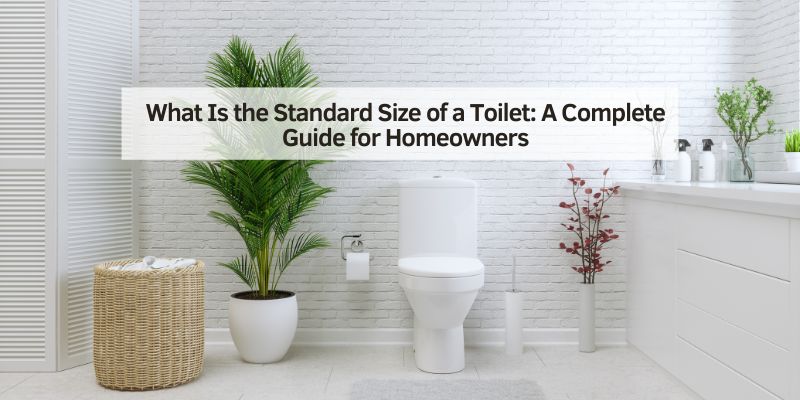
What Is the Standard Size of a Toilet: A Complete Guide for Homeowners
Hey there! If you’ve ever wondered, “What is the standard size of a toilet?” you’re not alone. I asked myself the same question when I started renovating my bathroom a few years ago. Toilets might seem like simple fixtures, but their sizes can make a big difference in comfort, space, and functionality. As someone who’s spent hours measuring bathrooms, talking to plumbers, and researching toilet specs, I’m excited to share everything I’ve learned.
Whether you’re a homeowner planning a remodel, a renter curious about your bathroom, or just browsing for ideas, this guide will break down toilet sizes in a way that’s easy to understand. Grab a snack, and let’s dive into the world of toilets to figure out what sizes work best for your space!
Why Toilet Size Matters
When I first started looking at toilets, I thought one size fits all. Boy, was I wrong! The size of a toilet affects how it fits in your bathroom, how comfortable it is to use, and even how easy it is to clean. If your bathroom is tiny, like the one in my old apartment, a bulky toilet can make the space feel cramped. On the other hand, a toilet that’s too small might not be comfortable for everyone in the family.
Toilet sizes also impact installation. If you’re replacing an old toilet, you need to know the standard measurements to ensure the new one fits the existing plumbing. I learned this the hard way when I bought a toilet that didn’t match my bathroom’s rough-in size. Trust me, measuring twice saves you a lot of headaches! Let’s explore the standard sizes and what they mean for you.
Standard Toilet Dimensions
Toilets come in a range of sizes, but there are standard measurements that most manufacturers follow in the USA. Here’s what I’ve found after digging into specs and talking to experts:
- Length: Most standard toilets measure 27 to 30 inches from the back of the tank to the front of the bowl. This is called the “overall length.”
- Width: The width is usually 18 to 20 inches, including the tank and bowl.
- Height: Standard toilets are about 28 to 31 inches tall, from the floor to the top of the tank. The seat height (from floor to rim) is typically 14 to 15 inches for standard models.
- Rough-In: This is the distance from the wall to the center of the drainpipe. The standard rough-in is 12 inches, but 10-inch and 14-inch rough-ins exist in older homes.
I remember measuring my bathroom and realizing my rough-in was 10 inches, which is less common. It limited my options, but I found a compact toilet that fit perfectly. Here’s a quick table to summarize standard toilet sizes:
| Dimension | Standard Measurement | Notes |
|---|---|---|
| Length | 27–30 inches | Longer for one-piece toilets, shorter for compact models |
| Width | 18–20 inches | Wider tanks may need more clearance on the sides |
| Height | 28–31 inches | Taller for comfort height or ADA-compliant models (17–19 inches seat height) |
| Rough-In | 12 inches | 10-inch or 14-inch in older homes; always measure before buying |
Types of Toilets and Their Sizes
Not all toilets are the same size, and the type you choose can affect the dimensions. I’ve come across several types while shopping for my home, and each has its pros and cons. Here’s what you need to know:
One-Piece Toilets
These toilets have the tank and bowl fused together. They’re sleek and easier to clean, but they’re often longer, around 29–31 inches. I installed a one-piece toilet in my master bathroom because it looks modern and saves space vertically. They’re great for medium to large bathrooms, but can feel bulky in tight spaces.
Two-Piece Toilets
Two-piece toilets, where the tank and bowl are separate, are the most common. They’re usually 27–29 inches long and slightly narrower, around 18–19 inches wide. My guest bathroom has a two-piece toilet, and it’s been reliable and affordable. They’re easier to install and repair, but the seam between the tank and bowl can collect grime.
Wall-Hung Toilets
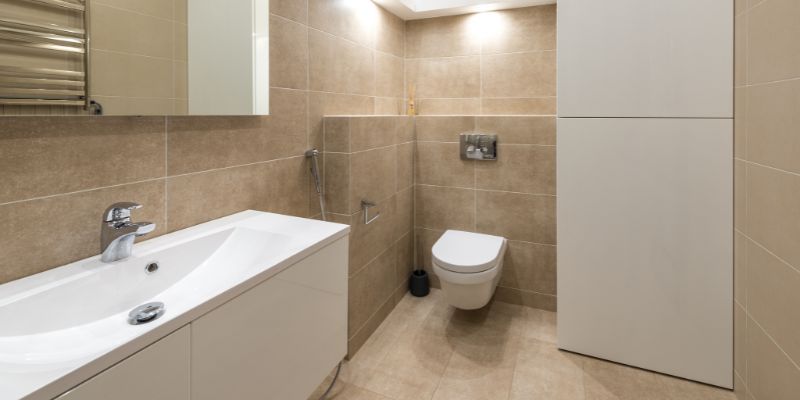
Wall-hung toilets are mounted on the wall, with the tank hidden inside the wall. They’re super space-saving, with a length of about 20–22 inches from the wall to the front of the bowl. I saw one at a friend’s house, and it made the bathroom look huge! But they’re pricier and need special plumbing, so I stuck with a traditional model.
Compact Toilets
Designed for small bathrooms, compact toilets are shorter, around 25–27 inches long. I used one in my tiny powder room, and it was a lifesaver. They’re perfect for apartments or older homes with cramped bathrooms, but the smaller size might not be as comfortable for larger users.
Corner Toilets
These are rare but great for odd-shaped bathrooms. They have a triangular tank to fit in a corner, with a length of about 30 inches from the corner to the front. I considered one for a quirky basement bathroom but went with a compact model instead.
Understanding Rough-In Measurements
The rough-in is the most critical measurement when choosing a toilet. It’s the distance from the wall to the center of the drainpipe (or floor bolts). In the USA, 12 inches is the standard, but I’ve seen 10-inch and 14-inch rough-ins in older homes. When I replaced my toilet, I measured the rough-in by placing a tape measure from the wall to the center of the bolts. It’s simple but easy to mess up if you don’t measure carefully.
If your rough-in isn’t standard, you might need an offset flange or a special toilet. I helped a neighbor with a 10-inch rough-in, and we found a compact two-piece toilet that fit perfectly. Always double-check this measurement before buying, or you’ll be stuck with a toilet that doesn’t line up with your plumbing.
Comfort Height vs. Standard Height Toilets
Toilet height is a big deal for comfort. Standard toilets have a seat height of 14–15 inches, which works for most people. But when I started shopping, I kept hearing about “comfort height” or “ADA-compliant” toilets, which are 17–19 inches tall at the seat. They’re designed for people with mobility issues, but I found them way more comfortable for daily use.
I installed a comfort height toilet in my parents’ bathroom because my dad has knee problems. He says it’s easier to sit down and stand up. The only downside? Kids or shorter people might find them too tall. My nephew needs a step stool, which is a small price to pay for accessibility. If you’re choosing a comfort height toilet, make sure you have enough floor space, as they can be slightly longer (29–31 inches).
Space Requirements for Toilets
Toilets need breathing room to feel comfortable and meet building codes. In the USA, most building codes require:
- Side Clearance: At least 15 inches from the center of the toilet to any wall or fixture on either side. This means a total width of 30 inches.
- Front Clearance: At least 21 inches of clear space in front of the toilet, though 30 inches is more comfortable.
- Height Clearance: Enough room above for the tank lid to open, usually 40 inches or more.
When I remodeled my bathroom, I barely met the side clearance requirement, and it felt a bit tight. If you’re working with a small space, consider a compact or wall-hung toilet to maximize room. I also learned to account for the door swing—my bathroom door almost hit the toilet until I adjusted the layout!
How to Measure Your Bathroom for a Toilet
Measuring your bathroom sounds boring, but it’s crucial. I made the mistake of eyeballing it once and ended up with a toilet that didn’t fit. Here’s how I do it now:
- Measure the Rough-In: Use a tape measure from the wall to the center of the floor bolts. Do this twice to be sure.
- Check the Width: Measure the space from side to side where the toilet will go. Ensure at least 30 inches total.
- Measure the Length: Check the distance from the wall to any obstacles in front, like a vanity or door.
- Note the Height: Make sure there’s enough vertical space for the tank and lid.
I keep a notebook with these measurements handy when shopping. It’s also worth sketching your bathroom layout to visualize how the toilet will fit. If you’re unsure, bring your measurements to a home improvement store—staff can help you pick the right model.
Choosing the Right Toilet Size for Your Needs
Picking the right toilet size depends on your bathroom, budget, and preferences. Here’s what I consider when choosing:
- Small Bathrooms: Go for a compact or wall-hung toilet to save space. My powder room is only 5 feet by 3 feet, so a 25-inch-long toilet was perfect.
- Large Bathrooms: A one-piece or comfort-height toilet can add style and comfort. My master bathroom has a 30-inch-long one-piece model that looks great.
- Families with Kids: Standard height toilets are easier for kids to use. I kept a standard-height toilet in my guest bathroom for visitors with young children.
- Accessibility Needs: Comfort height or ADA-compliant toilets are best for seniors or those with mobility issues. My parents love theirs.
- Budget: Two-piece toilets are usually cheaper ($100–$300), while one-piece or wall-hung models can cost $500 or more. I found a great two-piece toilet on sale for $150.
I also recommend checking the toilet’s water efficiency. Look for the WaterSense label, which means it uses 1.28 gallons per flush or less. It’s good for the environment and your water bill!
Common Mistakes to Avoid When Choosing a Toilet
I’ve made my share of mistakes when buying toilets, and I want to save you the trouble. Here are some pitfalls to avoid:
- Ignoring the Rough-In: Buying a 12-inch rough-in toilet for a 10-inch space is a recipe for frustration. Always measure first.
- Overlooking Clearance: A toilet that’s too big can make your bathroom feel cramped. I learned this when my first toilet left barely any legroom.
- Focusing Only on Looks: A sleek design is great, but comfort and functionality matter more. I once fell for a fancy toilet that was uncomfortable to sit on.
- Skipping Reviews: Check user reviews for reliability. I avoided a brand with poor flush valve reviews after reading feedback online.
Installation Tips for Standard-Sized Toilets
Installing a toilet isn’t as scary as it sounds, but it helps to know the basics. I’ve replaced a couple of toilets myself, and here’s what I learned:
- Turn Off the Water: Always shut off the water supply before starting. I forgot this once and got a wet surprise!
- Remove the Old Toilet: Unscrew the bolts, disconnect the water line, and lift the toilet out. It’s heavy, so ask a friend for help.
- Check the Flange: The flange is the pipe fitting in the floor. Make sure it’s in good shape. I had to replace a cracked flange, which cost about $20.
- Use a Wax Ring: This seals the toilet to the flange. I double up on wax rings for older floors to ensure a tight seal.
- Level the Toilet: Use shims if the floor is uneven. My bathroom floor sloped slightly, and shims saved the day.
If you’re not comfortable with DIY, hire a plumber. My neighbor paid $100 for a professional installation, and it was done in an hour.
Maintaining Your Toilet for Longevity
A well-maintained toilet lasts longer and fits better in your space. Here’s what I do to keep mine in top shape:
- Clean Regularly: I use vinegar and baking soda to clean the bowl and tank every month. It prevents mineral buildup.
- Check for Leaks: Add food coloring to the tank. If it seeps into the bowl without flushing, you’ve got a leak. I caught a flapper issue this way.
- Tighten Bolts: Check the floor bolts every year to ensure the toilet is secure. A loose toilet can crack or leak.
- Avoid Harsh Chemicals: Those blue tablets can damage the flush valve. I stick to natural cleaners.
The Environmental Impact of Toilet Size and Water Usage
Toilet size ties into water usage, which I didn’t think about until I saw my water bill spike. Older toilets (pre-1994) can use 3.5–7 gallons per flush. Modern standard toilets use 1.6 gallons or less, and WaterSense models use 1.28 gallons. In a family of four, switching to a low-flow toilet can save 16,000 gallons of water a year!
I also learned that compact toilets often use less water because of their smaller tanks. My compact toilet in the powder room saves about 0.5 gallons per flush compared to my old one. If you’re on a septic system, like my aunt in rural Texas, choosing a water-efficient toilet prevents overloading the system.
Conclusion
Wow, who knew there was so much to learn about toilet sizes? From rough-in measurements to comfort height options, I’ve come to appreciate how much thought goes into picking the right toilet. My journey from clueless renovator to toilet-sizing pro has taught me that a little planning can make your bathroom more comfortable, functional, and eco-friendly.
Whether you’re squeezing a compact toilet into a tiny powder room or installing a sleek one-piece model in a spacious master bath, knowing the standard sizes and how they fit your space is key. I hope this guide helps you find the perfect toilet for your home. Got more questions? Check out the FAQs below for quick answers!
FAQs
What is the standard rough-in size for a toilet?
The standard rough-in is 12 inches, measured from the wall to the center of the drainpipe. Older homes may have 10-inch or 14-inch rough-ins, so always measure first.
Are comfort-height toilets better than standard toilets?
Comfort height toilets (17–19 inches at the seat) are great for seniors or those with mobility issues. Standard height (14–15 inches) works better for kids or smaller bathrooms.
Can I install a toilet in a small bathroom?
Yes! Compact toilets (25–27 inches long) or wall-hung toilets are perfect for small spaces. Just ensure you meet clearance requirements (30 inches wide, 21 inches in front).
How do I know if a toilet will fit my bathroom?
Measure the rough-in, width, length, and height of your space. Compare them to the toilet’s dimensions and ensure you have enough clearance on all sides.
Do all toilets use the same amount of water?
No, older toilets use 3.5–7 gallons per flush, while modern ones use 1.6 gallons or less. WaterSense models use 1.28 gallons, saving water and money.