What Size Ceiling Light for Bedroom: Essential Guide
Quick Summary: The right bedroom ceiling light size depends on your room’s dimensions. A simple rule of thumb is to add the room’s length and width in feet, and the resulting number in inches is a good starting diameter for your fixture. This ensures balanced illumination without overwhelming or under sizing your space.
Choosing the perfect ceiling light for your bedroom can feel a bit tricky. You want it to look great, provide enough light, and fit the room just right. Too small, and it might look lost. Too big, and it can overpower the space. Don’t worry, though! Figuring out the right size is easier than you think. We’ll walk through simple steps to help you find a fixture that illuminates your sanctuary beautifully and makes your bedroom feel complete.
Why the Right Size Matters for Your Bedroom Light
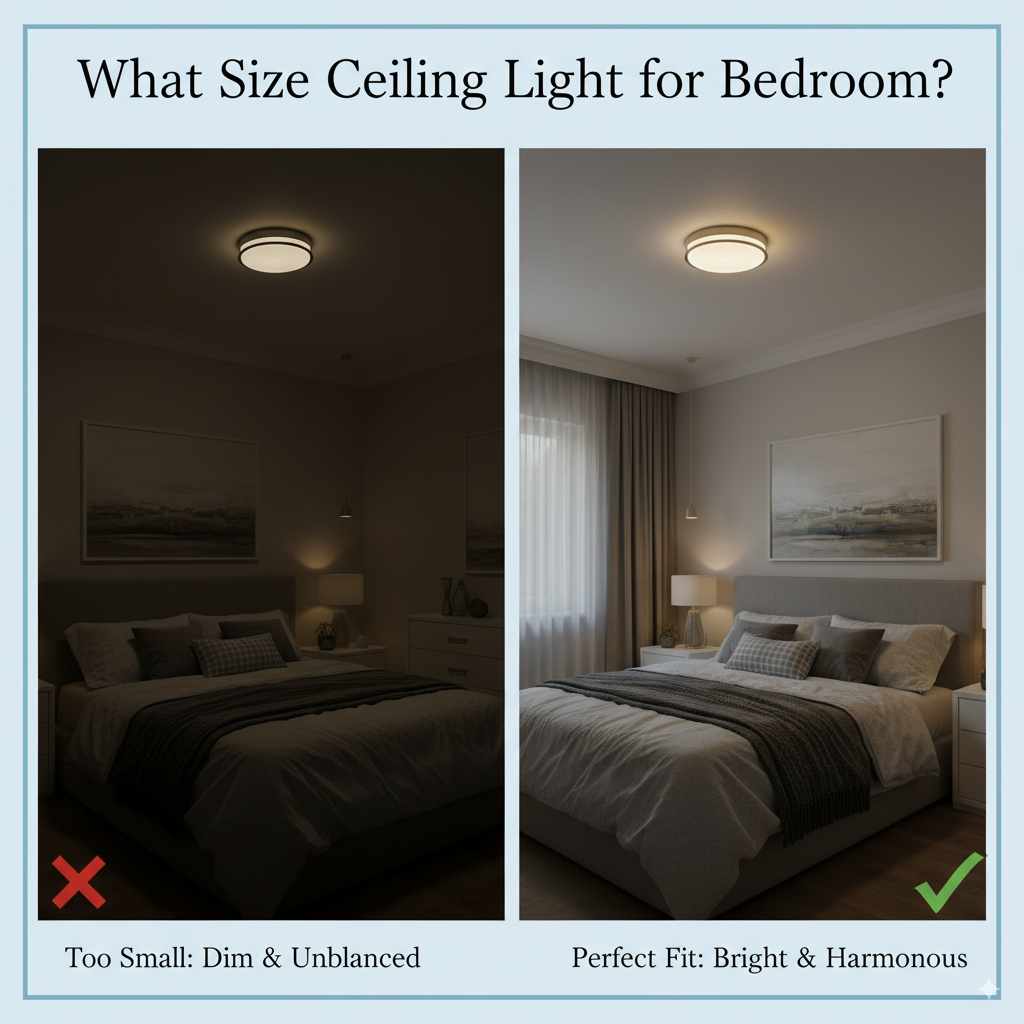
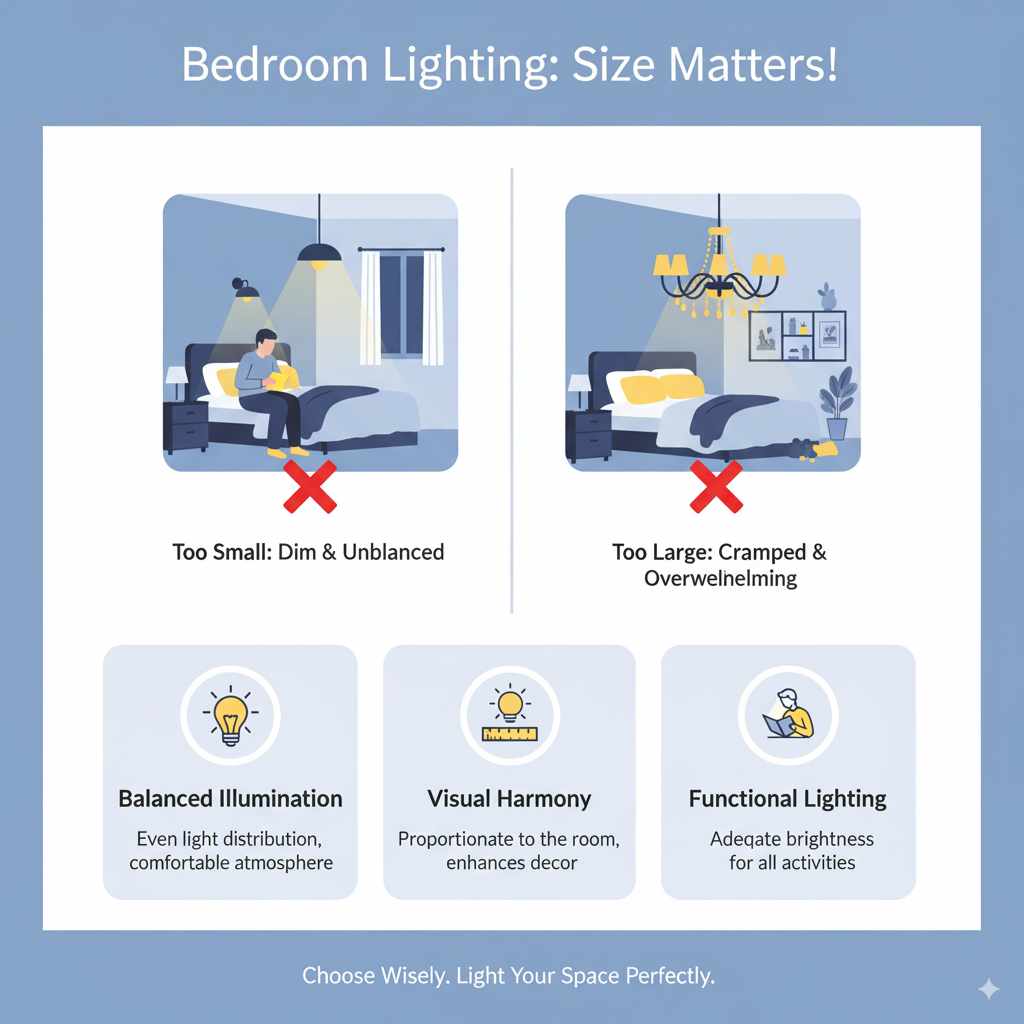
The size of your bedroom ceiling light is more than just an aesthetic choice; it directly impacts the room’s overall feel and functionality. A fixture that’s too small can leave your room feeling dim and unbalanced, making it hard to see clearly for tasks like reading or getting dressed. On the flip side, a light that’s too large can make your room feel cramped and visually overwhelming, even if the room itself is spacious. Getting the size right ensures:
- Balanced Illumination: A properly sized light distributes light evenly, creating a comfortable and inviting atmosphere.
- Visual Harmony: The fixture will look proportionate to the room, enhancing its décor rather than detracting from it.
- Functional Lighting: It provides adequate brightness for all your bedroom activities, from relaxing to getting ready in the morning.
- Safety and Comfort: Proper lighting reduces shadows that can be tripping hazards and creates a more pleasant environment for rest.
Think of it like picking the right-sized rug for a room – it needs to complement the space without dominating it. We’ll break down how to find that perfect fit.
How to Measure Your Bedroom for Lighting
Before you even start browsing for lights, the most crucial step is to measure your bedroom. This will give you the hard numbers needed to make an informed decision. You’ll need a simple tape measure for this. Make sure to measure in feet, as this is the standard unit for our calculations.
Step 1: Measure the Length and Width
Take your tape measure and find the longest wall in your bedroom. Measure from one end to the other. This is your room’s length. Then, measure the longest wall perpendicular to the first one. This is your room’s width. Record these two numbers in feet.
Example: If your bedroom is 12 feet long and 10 feet wide, you’ll use these numbers.
Step 2: Add Length and Width Together
Now, add the length and width measurements together. This sum will be the basis for determining the ideal diameter of your ceiling light fixture.
Example: 12 feet (length) + 10 feet (width) = 22 feet.
Step 3: Convert to Inches
Take the total number you got in Step 2 and convert it to inches. Since there are 12 inches in a foot, you’ll multiply your sum by 12.
Example: 22 feet 12 inches/foot = 264 inches.
This number, 264 inches, is a key figure. It tells us the maximum perimeter of a light fixture that might fit well. However, the common method uses this sum to directly determine the diameter in inches.
The Basic Rule of Thumb: Add the length and width of your room in feet, and the resulting number is a good starting point for the diameter* of your ceiling light in inches. This is a widely accepted guideline for achieving balanced proportions.
Example Revisited: For a 12 ft x 10 ft room, 12 + 10 = 22. This suggests a ceiling light with a diameter of around 22 inches would be a good fit.
Understanding Different Types of Ceiling Lights for Bedrooms
Ceiling lights come in various styles, and each can affect the perceived size and light distribution. Knowing these can help you choose the best option for your room and lighting needs.
Flush Mount Lights
These fixtures mount directly to the ceiling, with little to no space between the fixture and the ceiling surface. They are excellent for rooms with lower ceilings, as they don’t hang down and take up headroom. Flush mounts are often simple and unobtrusive, making them a popular choice for bedrooms.
Semi-Flush Mount Lights
Semi-flush mount lights hang down a few inches from the ceiling, creating a small gap that allows light to shine upwards and bounce off the ceiling. This provides a softer, more diffused light than a flush mount. They are a good option for standard-height ceilings and offer a bit more decorative flair.
Pendant Lights
Pendant lights hang from a cord, chain, or rod. They can be single fixtures or clustered. While often used over kitchen islands or dining tables, a single, appropriately sized pendant can work as a central light source in a bedroom, especially in rooms with higher ceilings. Be mindful of how low they hang to avoid bumping your head!
Chandeliers
Chandeliers are decorative fixtures with multiple arms holding light bulbs. They can add a touch of elegance and drama to a bedroom. However, they can also be quite large and may require higher ceilings to avoid feeling overpowering. When choosing a chandelier, scale is paramount.
Factors Beyond Room Dimensions
While the length and width of your room are the primary guides, a few other factors can influence your final decision on ceiling light size.
Ceiling Height
This is a critical consideration.
- Standard Ceilings (8-9 feet): Flush mount or semi-flush mount lights are generally best. Avoid fixtures that hang too low.
- High Ceilings (10 feet and above): You have more flexibility. You can opt for larger semi-flush mounts, pendants, or even chandeliers, as they won’t feel disproportionately large or pose a head-bumping risk. A good rule for high ceilings is that the bottom of the fixture should be at least 7 feet from the floor.
Room Layout and Furniture
Consider where your bed and other large furniture pieces are placed. A very large light fixture might feel awkward if it’s positioned directly over a small bedside table or if it dwarfs a large bed. The light should complement the furniture, not compete with it.
Personal Preference and Style
Ultimately, your bedroom is your personal space. If you love a bold, statement fixture and your room dimensions allow for it, go for it! Conversely, if you prefer a more minimalist look, a smaller, subtler fixture might be perfect. Ensure the style of the light complements your overall bedroom décor.
Light Output (Lumens)
While not directly about size, the light output is crucial for functionality. Bedrooms generally benefit from softer, warmer light. For a primary ceiling light, aim for a lumen output that can adequately illuminate the space for general activities. The U.S. Department of Energy recommends using lumens to measure brightness, as opposed to watts, which measure energy consumption.
Bedroom Ceiling Light Size Chart
To make things even simpler, here’s a handy chart that combines room dimensions with recommended light fixture diameters. This chart uses the common rule of thumb: add the length and width of your room in feet to get the approximate diameter of the fixture in inches.
| Room Length (ft) | Room Width (ft) | Room Perimeter Sum (ft) | Recommended Fixture Diameter (inches) |
|---|---|---|---|
| 8 | 10 | 18 | 16-20 |
| 10 | 10 | 20 | 18-22 |
| 10 | 12 | 22 | 20-24 |
| 12 | 12 | 24 | 22-26 |
| 12 | 14 | 26 | 24-28 |
| 14 | 14 | 28 | 26-30 |
| 15 | 15 | 30 | 28-32 |
Important Note: This chart provides a guideline. Always consider your ceiling height and the specific style of the fixture. For example, a large, visually “heavy” chandelier might need to be on the smaller end of the recommended range, while a delicate, airy fixture could be on the larger end.
Calculating for Different Bedroom Sizes
Let’s look at how this applies to common bedroom sizes.
Small Bedrooms (e.g., 9ft x 10ft)
For a room that’s 9 feet by 10 feet:
- Calculation: 9 ft + 10 ft = 19 ft
- Recommended Diameter: Approximately 18-20 inches.
In a small bedroom, it’s usually best to opt for a flush mount or a small semi-flush mount fixture. A large, sprawling chandelier would likely overwhelm the space. You want the light to feel proportionate and not take up too much visual real estate.
Medium Bedrooms (e.g., 11ft x 13ft)
For a room that’s 11 feet by 13 feet:
- Calculation: 11 ft + 13 ft = 24 ft
- Recommended Diameter: Approximately 22-26 inches.
A medium-sized bedroom offers more flexibility. A semi-flush mount light would work wonderfully, providing good illumination and a pleasant ambiance. You could even consider a smaller, more compact chandelier if your ceilings are standard or higher.
Large Bedrooms (e.g., 14ft x 16ft)
For a room that’s 14 feet by 16 feet:
- Calculation: 14 ft + 16 ft = 30 ft
- Recommended Diameter: Approximately 28-32 inches.
In a large bedroom, you can comfortably accommodate larger fixtures. A more substantial semi-flush mount, a moderately sized chandelier, or even a stylish pendant light could be excellent choices. The key is to ensure the fixture is large enough to balance the expansive feel of the room.
Special Considerations for Sloped Ceilings
If your bedroom has sloped ceilings, especially in an attic conversion, you’ll need to adapt your approach. The general rule of thumb still applies, but you’ll need to consider the lowest point of the ceiling and ensure the fixture doesn’t hang too low.
- Measure the usable floor space: Focus on the rectangular area where you can comfortably walk.
- Consider the lowest point: Ensure the bottom of the light fixture is at least 7 feet from the floor in the lowest-traffic areas.
- Sloped Ceiling Adapters: Some fixtures come with adapters or can be mounted using a longer chain or rod to accommodate the slope and maintain proper clearance.
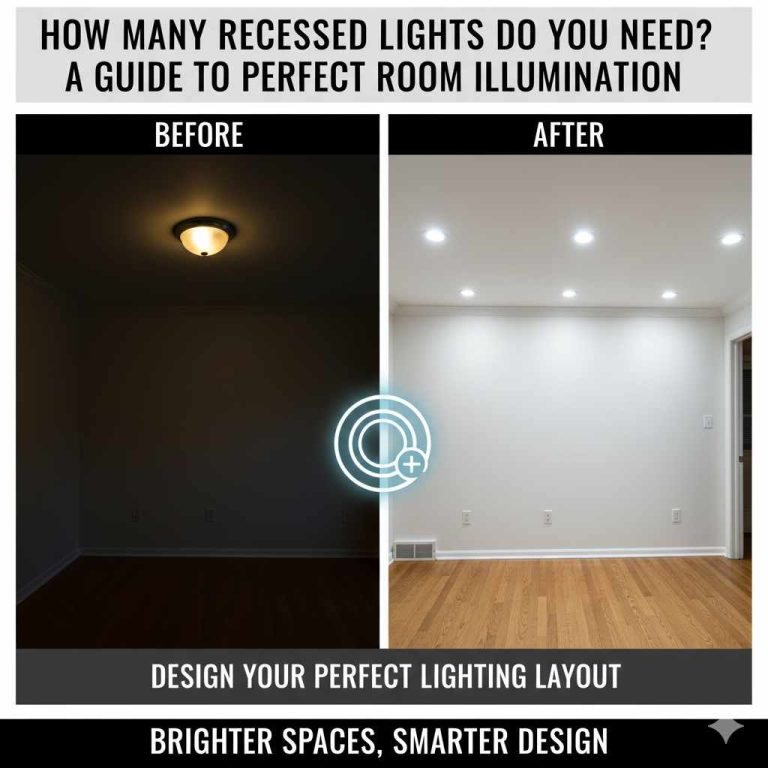
- Recessed Lighting: For very tricky sloped ceilings or if you want a minimalist look, recessed lighting can be an excellent solution as it sits flush with the ceiling. For guidance on installing recessed lighting, you might find resources from organizations like The National Association of Home Builders (NAHB) helpful for best practices.
DIY Installation Tips for Your New Bedroom Light
Once you’ve chosen the perfect size, installing your new ceiling light is a rewarding DIY project. Remember, safety is paramount when working with electricity.
Tools You’ll Likely Need:
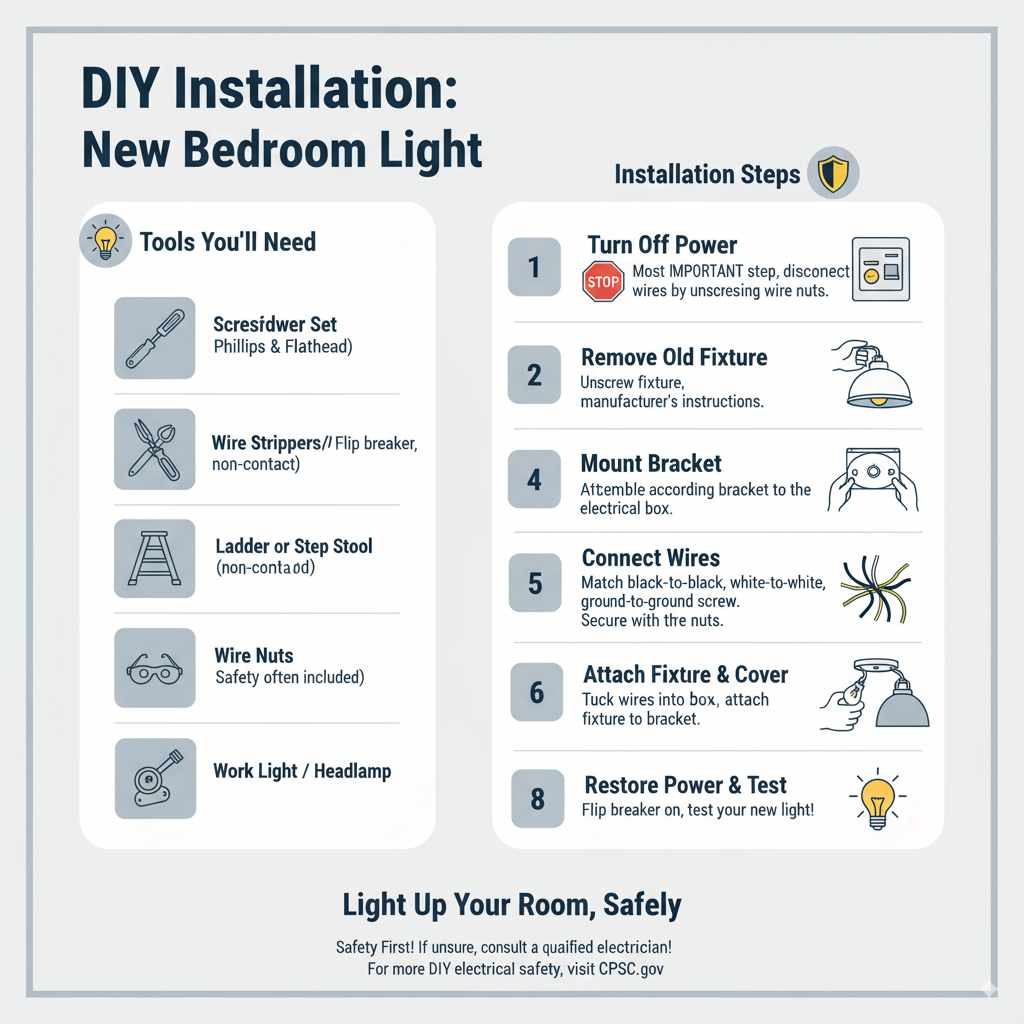
- Screwdriver set (Phillips and flathead)
- Wire strippers/cutters
- Voltage tester (non-contact is easiest)
- Ladder or sturdy step stool
- Safety glasses
- Wire nuts (usually included with the new fixture)
- Work light or headlamp
Installation Steps:
- Turn off Power: This is the MOST IMPORTANT step. Go to your circuit breaker box and switch off the power to the room you’re working in. Use a voltage tester to confirm the power is off at the ceiling box before touching any wires.
- Remove Old Fixture: Carefully unscrew and remove the old light fixture. Disconnect the wires by unscrewing the wire nuts.
- Prepare New Fixture: Assemble any parts of your new fixture according to the manufacturer’s instructions.
- Mount the Bracket: Attach the new mounting bracket to the electrical box in the ceiling.
- Connect Wires: Connect the wires from the ceiling box to the corresponding wires on your new fixture. Typically, this is black to black (hot), white to white (neutral), and green or bare copper to the ground screw. Use wire nuts to secure the connections.
- Attach the Fixture: Carefully tuck the wires back into the electrical box and attach the new light fixture to the mounting bracket.
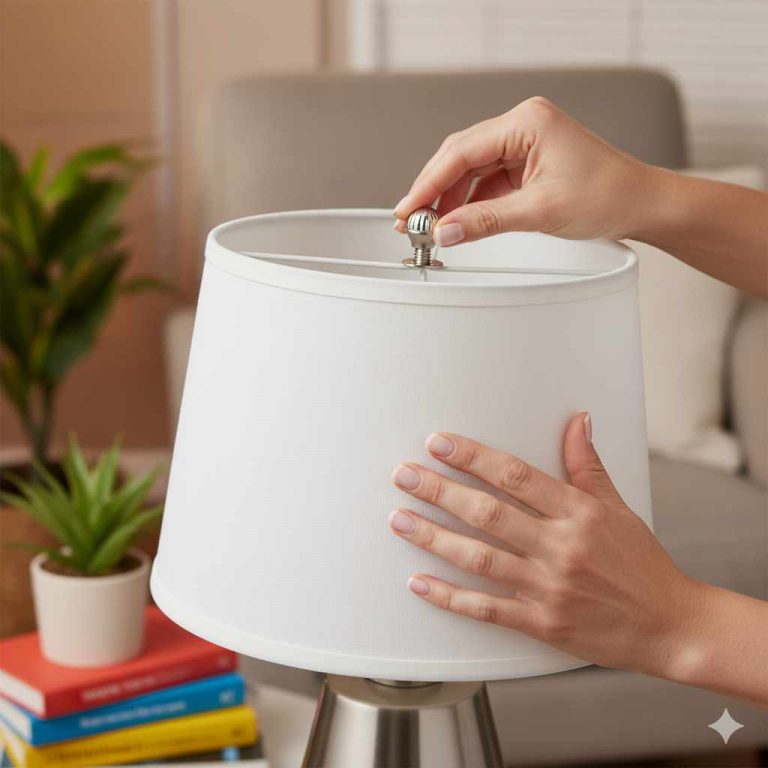
- Install Bulbs and Cover: Screw in the light bulbs and attach the fixture’s cover or shade.
- Restore Power and Test: Turn the power back on at the circuit breaker and test your new light.
If you’re ever unsure about any part of the electrical wiring, it’s always best to consult a qualified electrician. For more detailed DIY electrical safety, resources like those from The U.S. Consumer Product Safety Commission (CPSC) offer excellent guidance.
Frequently Asked Questions (FAQ)
Q1: What is the most common mistake people make when choosing a bedroom ceiling light size?
A1: The most common mistake is choosing a fixture that is either too small or too large for the room’s dimensions, leading to unbalanced lighting and an awkward visual scale.
Q2: Do I need a different size light for a bedroom with a king-size bed versus a queen-size bed?
A2: While bed size is a factor, the primary driver for ceiling light size is the overall room dimensions (length and width). However, a larger room typically accommodates a larger bed and thus a larger light fixture.
Q3: Can I use a pendant light as the main ceiling light in a bedroom?
A3: Yes, you can! A single, well-chosen pendant light can serve as the main light source, especially in rooms with higher ceilings. Ensure it’s sized appropriately for the room and hangs at a safe height.
Q4: How much clearance should there be between the bottom of a bedroom light fixture and the floor?
A4: For safety and to prevent bumping your head, the bottom of most light fixtures should be at least 7 feet from the floor. This is especially important in high-traffic areas or if you have tall family members.
Q5: What if my room is an odd shape? How do I calculate the light size?
A5: For irregularly shaped rooms, try to measure the longest dimension and the widest dimension to get a general idea. You can also break the room into smaller rectangular sections and calculate for each, then choose a fixture that fits the largest or most central section.
Q6: Should I consider dimmer switches for my bedroom light?
A6: Absolutely! Dimmer switches are a fantastic addition to any bedroom. They allow you to control the light intensity, creating different moods for relaxation, reading, or general illumination. This can make even a slightly oversized or undersized fixture more adaptable.
Q7: Are there any specific rules for lighting in very small bedrooms, like a dorm room?
A7: In very small spaces, like dorm rooms or small guest rooms, it’s best to stick to flush mount fixtures or very compact semi-flush mounts. Avoid anything that hangs down too far, as it can make the room feel smaller and potentially be a hazard.
Conclusion
Finding the right size ceiling light for your bedroom doesn’t have to be a guessing game. By taking simple measurements of your room’s length and width, and applying the easy rule of thumb—adding those feet together to get the recommended diameter in inches—you can confidently select a fixture that will illuminate your space beautifully and proportionally. Remember to also consider your ceiling height, the room’s layout, and your personal style to make the perfect choice.
A well-lit bedroom is a sanctuary, a place for rest and rejuvenation. With the right-sized light, you enhance its comfort, functionality, and aesthetic appeal. So, grab your tape measure, do a quick calculation, and get ready to transform your bedroom with the perfect ceiling light. You’ve got this!