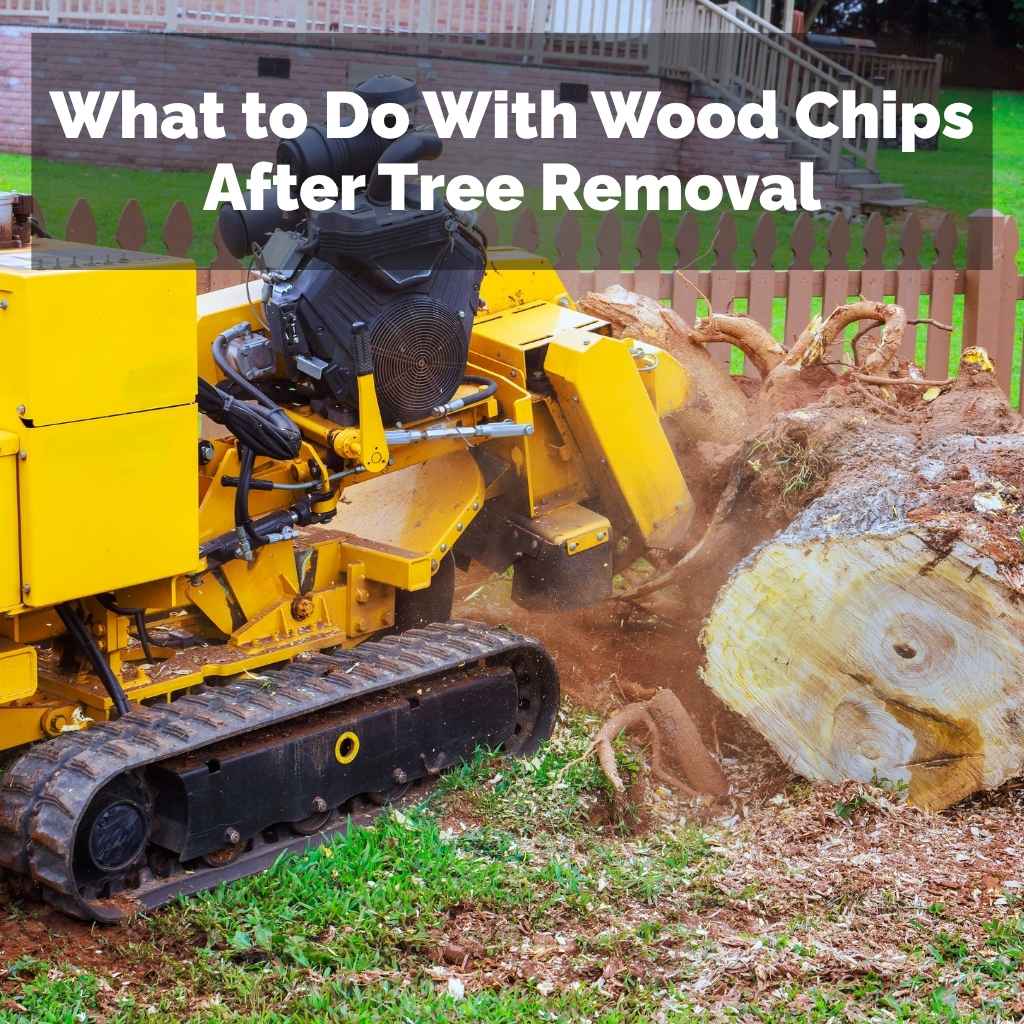
What to Do With Wood Chips After Tree Removal
When you remove a tree, you often end up with a lot of wood chips. For many folks, figuring out what to do with them can feel a bit tricky, especially if it’s your first time. It’s a common question, and it’s okay to feel unsure.
This guide will make it super simple. We’ll walk you through easy ways to use those chips right in your own yard and community. Get ready to see how useful these leftover wood chips can be!
Creative Uses for Wood Chips From Tree Removal
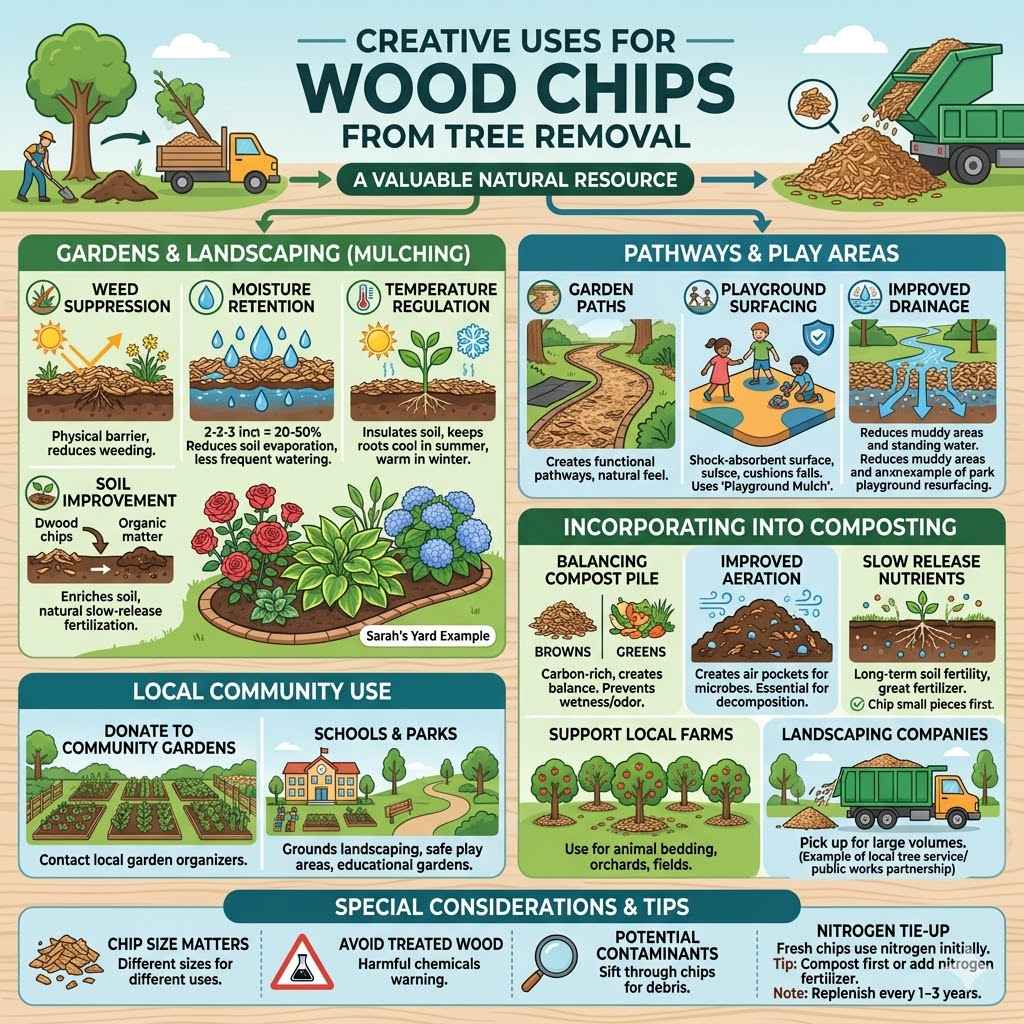
Getting rid of wood chips after tree removal might seem like a chore, but these chips are actually a fantastic natural resource. They can benefit your garden, your home, and even your local environment in many ways. This section explores some of the most popular and effective uses for wood chips, turning what might be seen as waste into a valuable asset for your property and beyond.
We’ll look at how they help your plants, improve your soil, and can be used around your home.
Wood Chips as Mulch for Gardens and Landscaping
Mulching is one of the best ways to use wood chips. Applying a layer of wood chips around your plants and in garden beds offers many benefits. It helps keep moisture in the soil, which means you water less often.
It also stops weeds from growing, so you spend less time pulling them. Plus, as the chips break down over time, they add nutrients to the soil, making your plants healthier.
Weed Suppression
Wood chips create a physical barrier that stops sunlight from reaching weed seeds. This prevents them from germinating and growing. A thick layer of mulch can significantly reduce the number of weeds in your garden, saving you a lot of effort.
It’s a natural way to keep your garden looking neat and tidy without using chemicals.
Moisture Retention
Soil can dry out quickly, especially during hot weather. Mulch acts like a blanket, covering the soil and reducing evaporation. This helps the soil stay moist for longer periods.
For gardeners, this means less frequent watering, saving water and your time. It’s especially helpful for plants that need consistent moisture.
Temperature Regulation
The ground temperature can swing a lot during the day and night. Mulch helps to keep the soil temperature more stable. It insulates the soil, keeping it cooler in the summer and warmer in the winter.
This stable environment is much better for plant roots, helping them grow strong without stress from extreme temperatures.
Soil Improvement
As wood chips decompose, they release organic matter into the soil. This process enriches the soil, making it more fertile and improving its structure. Over time, your soil will become healthier and better able to support plant life.
This natural fertilization is a slow and steady process that benefits your plants for years to come.
For example, a local homeowner named Sarah decided to mulch her entire front yard flower beds with wood chips after a large oak tree was removed. She applied a 3-inch layer around her roses, hostas, and hydrangeas. Within a few months, she noticed fewer weeds popping through and her plants seemed to thrive with less watering.
The beds also had a clean, finished look.
Using Wood Chips for Pathways and Play Areas
Wood chips are also great for creating attractive and functional pathways in your yard or garden. They provide a softer surface than gravel or pavement, making them pleasant to walk on. For areas where children play, wood chips offer a cushioned surface that can help reduce injuries from falls.
Creating Garden Paths
You can use wood chips to define and create pathways through your garden or around your property. Simply clear the area where you want the path, lay down a layer of landscape fabric to prevent weeds, and then spread a generous layer of wood chips. This gives your garden a rustic and natural feel while making it easier to move around.
Soft Surfaces for Playgrounds
Wood chips are a popular choice for backyard play areas and community playgrounds. They provide a soft, shock-absorbent surface that can help cushion falls. It’s important to use a specific type of wood chip, often referred to as playground mulch, which is processed to be safe and free of sharp edges or splinters.
Always check local safety guidelines for playground surfacing.
Improving Drainage
In areas that tend to get muddy or waterlogged, a layer of wood chips can help improve drainage. The porous nature of wood chips allows water to seep through, reducing standing water. This can be useful for creating paths in damp parts of your yard or around areas that need better water management.
A local park in my town used wood chips to resurface their aging playground. Before, it had hard-packed dirt. After, the playground had a soft, inviting wood chip surface.
This made it safer for kids playing on the swings and slides, and parents felt more comfortable letting their children explore. The park maintenance crew found it much easier to maintain than the dirt surface.
Incorporating Wood Chips into Composting
Wood chips can be a valuable “brown” material in your compost bin. Composting is a natural way to break down organic waste into nutrient-rich soil amendment. Wood chips are a carbon-rich material that helps balance the “green,” nitrogen-rich materials like food scraps and grass clippings.
They help create the right conditions for decomposition and improve the structure of your compost.
Balancing the Compost Pile
Composting works best when there’s a good mix of carbon-rich “browns” and nitrogen-rich “greens.” Wood chips are excellent browns. Adding them helps prevent your compost from becoming too wet or smelly. They provide the structure needed for air to circulate, which is vital for the composting microbes.
Improving Compost Aeration
As wood chips break down, they create air pockets in your compost pile. This aeration is critical for the aerobic bacteria that do the hard work of composting. Without enough air, decomposition slows down, and the pile can become anaerobic, leading to unpleasant odors.
The chips help maintain a healthy, crumbly texture.
Slow Release of Nutrients
While wood chips break down slower than other compost ingredients, they contribute to the long-term fertility of your compost. As they decompose, they release nutrients gradually into the soil. This makes your finished compost a great slow-release fertilizer for your garden.
To compost wood chips effectively, it’s best to chip them into smaller pieces. You can do this with a wood chipper or by breaking them up manually. Mix them thoroughly with your green materials.
Turn your compost pile regularly to ensure good aeration and speed up the decomposition process. It might take longer for wood chips to break down compared to leaves or grass clippings, but the result is a fantastic compost for your garden.
What to Do With Wood Chips After Tree Removal: Local Ideas for Community Use
Beyond your own yard, there are many local initiatives and community projects that can benefit from wood chips. Sharing these resources can help your neighborhood and foster a sense of community. Thinking locally is a great way to make a big impact.
These ideas can help you find uses for your wood chips right in your own town or city.
Donating to Community Gardens
Many community gardens rely on donations for materials like mulch. Wood chips can be a welcome contribution to help them maintain their beds and pathways. Contact your local community garden organizers to see if they accept wood chip donations.
They might have specific drop-off times or locations.
Offering to Local Schools and Parks
Schools and local parks often need materials for their grounds, playgrounds, or gardening programs. Wood chips can be used for landscaping, creating safe play surfaces, or as mulch in educational gardens. Reach out to your local park district or school administration to inquire about their needs.
Supporting Local Farms
Some local farms may use wood chips for animal bedding, composting, or in their orchards and fields. Smaller, organic farms, in particular, might appreciate this natural resource. Connect with local farmers through farmers’ markets or agricultural groups to see if they can use your chips.
Partnering with Landscaping Companies
Local landscaping businesses may have a use for excess wood chips. Some companies may even offer to pick them up if they are already working in your area. This can be a convenient option for disposing of a large volume of chips.
One successful local initiative involves a neighborhood tree service that partners with the town’s public works department. When they remove trees, they offer the resulting wood chips to residents and local organizations for free. This not only helps people use the chips but also reduces the amount of waste sent to landfills.
Residents often collect chips for their gardens, and the local parks department uses them for trails and landscaping.
Special Considerations and Tips for Using Wood Chips
While wood chips are very useful, there are a few things to keep in mind to ensure you’re using them safely and effectively. Understanding these points will help you get the most out of your wood chips and avoid any potential issues. These tips cover everything from chip size to potential contaminants.
Chip Size Matters
The size of the wood chips can affect how they are used. Smaller chips break down faster and are better for compost or as mulch in garden beds. Larger chips are more durable and are excellent for pathways or play areas where they won’t be disturbed as often.
If you have large chunks, you might want to run them through a chipper to get a more uniform size.
Avoid Treated Wood
Never use wood chips from treated lumber, such as that used for decks or fences. Treated wood contains chemicals that can be harmful to your plants, soil, and even your health. Always confirm that the wood chips are from natural, untreated trees.
Be Aware of Potential Contaminants
Wood chips from commercial tree services might occasionally contain small amounts of debris, like plastic or metal. It’s a good idea to sift through them if you’re concerned, especially if you’re using them in vegetable gardens or play areas. Reputable tree services usually strive to provide clean chips.
Nitrogen Tie-Up in Gardens
When wood chips are fresh and decompose, they can temporarily use nitrogen from the soil. This is known as nitrogen tie-up, and it can affect plant growth. To avoid this, either let the chips compost for a few months before adding them to garden beds or apply a nitrogen fertilizer along with the fresh chips.
Once they are partially decomposed, this is less of an issue.
A helpful statistic from the University of Cooperative Extension states that a 2-3 inch layer of wood chip mulch can reduce soil water loss by 20-50 percent. This highlights the significant water-saving benefits of using chips in your garden. Another point to consider is the lifespan of wood chips as mulch.
Typically, they need to be replenished every 1-3 years, depending on the type of wood and chip size.
What to Do With Wood Chips After Tree Removal: Local Ideas
This section specifically focuses on practical, local applications for wood chips resulting from tree removal. It emphasizes connecting with your immediate surroundings and community for the best use of these natural materials. We will explore how to find local resources and initiatives that can make use of your wood chips, turning a surplus into a community benefit.
This approach ensures the chips serve a purpose close to home.
Finding Local Resources for Wood Chips
Identifying where your wood chips can be most useful in your local area is key. This involves knowing your neighbors, community groups, and local services. Thinking locally means you can contribute to your immediate environment and often find the easiest and most convenient solutions.
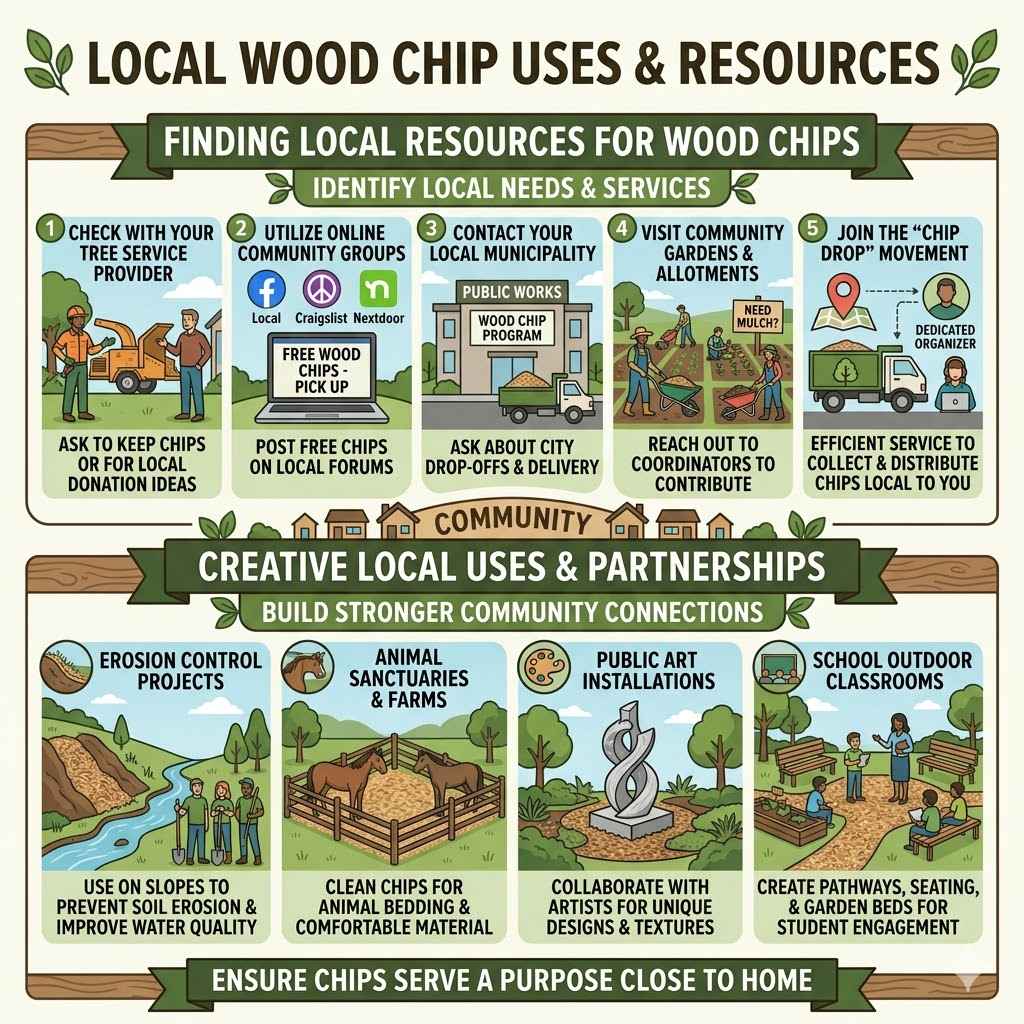
Check with Your Tree Service Provider
Often, the company that removed your tree will offer to haul away the chips. If you want to keep them, ask if they can deliver them to your property. Some companies also have relationships with local organizations and can direct you where to donate them if you have more than you need.
Utilize Online Community Groups and Forums
Websites like Craigslist, local Facebook groups, or Nextdoor are great places to post that you have free wood chips available. Many people in your neighborhood might be looking for mulch for their gardens or landscaping projects and would be happy to pick them up.
Contact Your Local Municipality or Public Works Department
Your town or city might have a program for distributing wood chips to residents or community projects. Some municipalities operate wood chip drop-off sites or offer delivery services for a small fee. This is a great way to ensure the chips stay within your community.
Visit Community Gardens and Allotments
These spaces are often run by passionate gardeners who are always in need of mulch. Reach out to the coordinators of local community gardens to see if they have a need for wood chips and if you can contribute. They usually have a system for collecting and distributing materials.
A real-life example is the “Chip Drop” movement that has gained traction in many cities. Tree care companies or dedicated organizations collect wood chips from removals and offer them to residents, often for a small delivery fee or even for free. This service connects chip providers with chip users efficiently, fostering local resource reuse.
Creative Local Uses and Partnerships
Beyond the typical uses, there are more creative ways to integrate wood chips into local projects and build partnerships within your community. These ideas can help you find unique solutions and strengthen local connections. They demonstrate that wood chips are more than just yard waste; they are a valuable resource.
Erosion Control Projects
Wood chips can be used in local efforts to prevent soil erosion, especially on slopes or near waterways. Community environmental groups or local conservation districts may have projects where wood chips are needed to stabilize soil and improve water quality. This is a great way to contribute to the health of your local ecosystem.
Animal Sanctuaries and Farms
Local animal shelters, horse farms, or petting zoos might use wood chips for animal bedding. This provides a comfortable and absorbent material for enclosures. It’s important to ensure the chips are clean and free from any potentially harmful elements if using them for animal care.
Public Art Installations
Some local artists or community art projects might incorporate wood chips into their designs. They can be used in landscaping around sculptures or as part of textured art pieces. Collaborating with local artists can lead to some very interesting and unexpected uses for your chips.
School Outdoor Classrooms
Schools are increasingly developing outdoor learning spaces. Wood chips can be used to create pathways, seating areas, or garden beds within these natural classrooms, providing an educational and engaging environment for students.
Consider a scenario where a neighborhood association organized a “Wood Chip Swap Day.” Residents who had tree removal services brought their chips to a central park. Other residents who needed mulch or pathway material could then collect them for free. This event not only distributed the chips efficiently but also brought neighbors together, fostering a strong sense of community action.
Frequently Asked Questions
Question: Are wood chips safe to use in vegetable gardens
Answer: Yes, wood chips are safe for vegetable gardens if they come from untreated wood. They help retain moisture and suppress weeds. However, fresh chips can temporarily use nitrogen from the soil as they decompose.
To avoid this, you can either compost them first or apply a nitrogen fertilizer when you use them as mulch.
Question: How much wood chip mulch should I use
Answer: A layer of 2 to 3 inches of wood chip mulch is generally recommended for most garden and landscape areas. Too thin a layer won’t be effective at suppressing weeds or retaining moisture. Too thick a layer can prevent water and air from reaching the plant roots properly.
Question: Can I use wood chips immediately after tree removal
Answer: You can use wood chips immediately after tree removal, especially for pathways or play areas. For garden mulch, especially around sensitive plants, it’s sometimes better to let them age for a few months or compost them first to avoid potential nitrogen tie-up and to ensure they are well-decomposed.
Question: Where can I find free wood chips locally
Answer: You can often find free wood chips by contacting local tree removal services, checking online community forums like Craigslist or Facebook groups, or inquiring with your municipal public works department. Some areas have “chip drop” services that deliver them to your home.
Question: Will wood chips attract pests
Answer: Properly applied wood chip mulch is unlikely to attract significant pest problems. In fact, it can sometimes deter certain pests by providing a less hospitable environment. However, if you notice an increase in pests, you may need to adjust the mulch layer or consider a different type of ground cover.
Summary
After tree removal, wood chips are a versatile resource. You can use them as mulch in gardens to keep soil moist and stop weeds. They make great paths and soft play areas.
Adding them to your compost helps create rich soil. Look for local groups like community gardens or parks that might need them. Always use untreated wood and consider chip size and potential nitrogen use.