What to Put on Wood to Keep Carpenter Bees Away
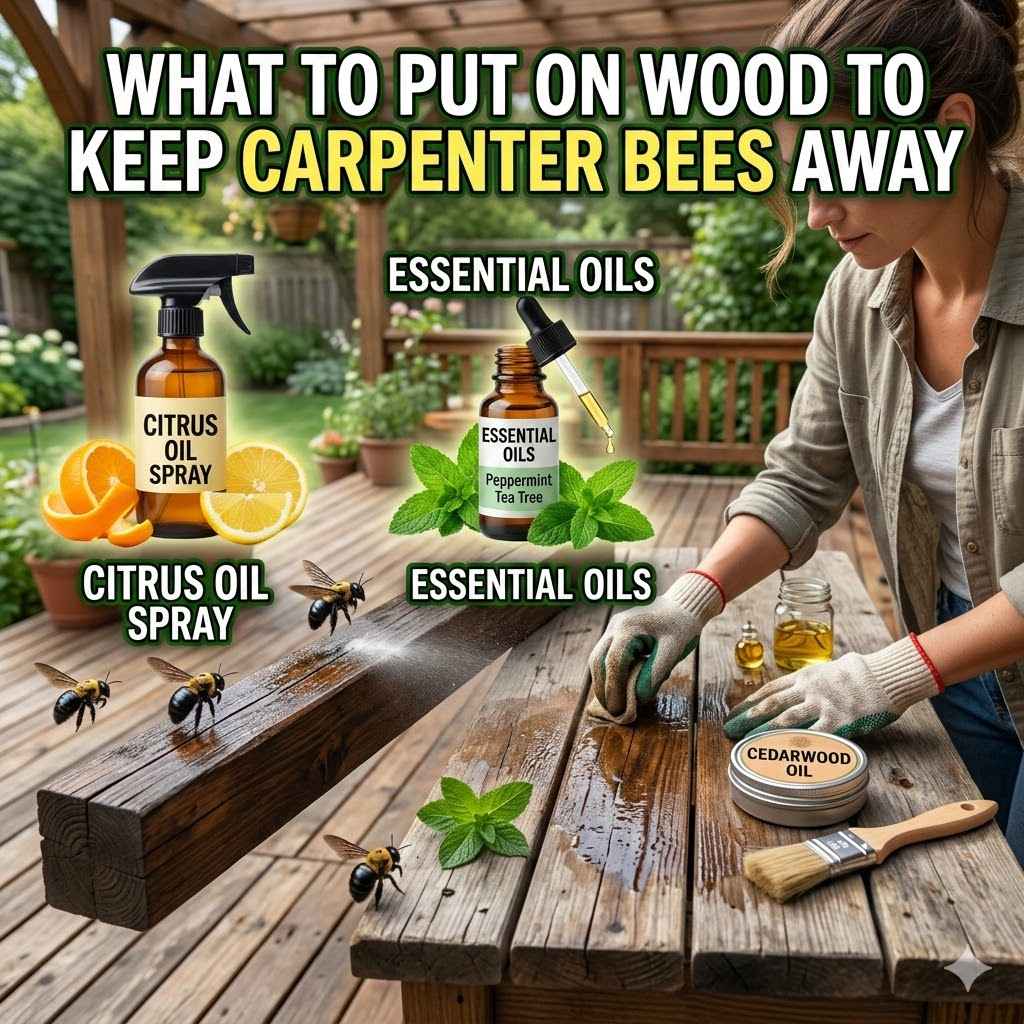
Dealing with carpenter bees can be a real headache, especially when you’re not sure what works. Many people wonder What to Put on Wood to Keep Carpenter Bees Away because these buzzing insects love to drill into wooden structures. It can seem complicated to figure out the best solutions.
But don’t worry, this guide breaks it down in a simple, step-by-step way so you can protect your home. We’ll cover easy methods to keep those bees from coming back.
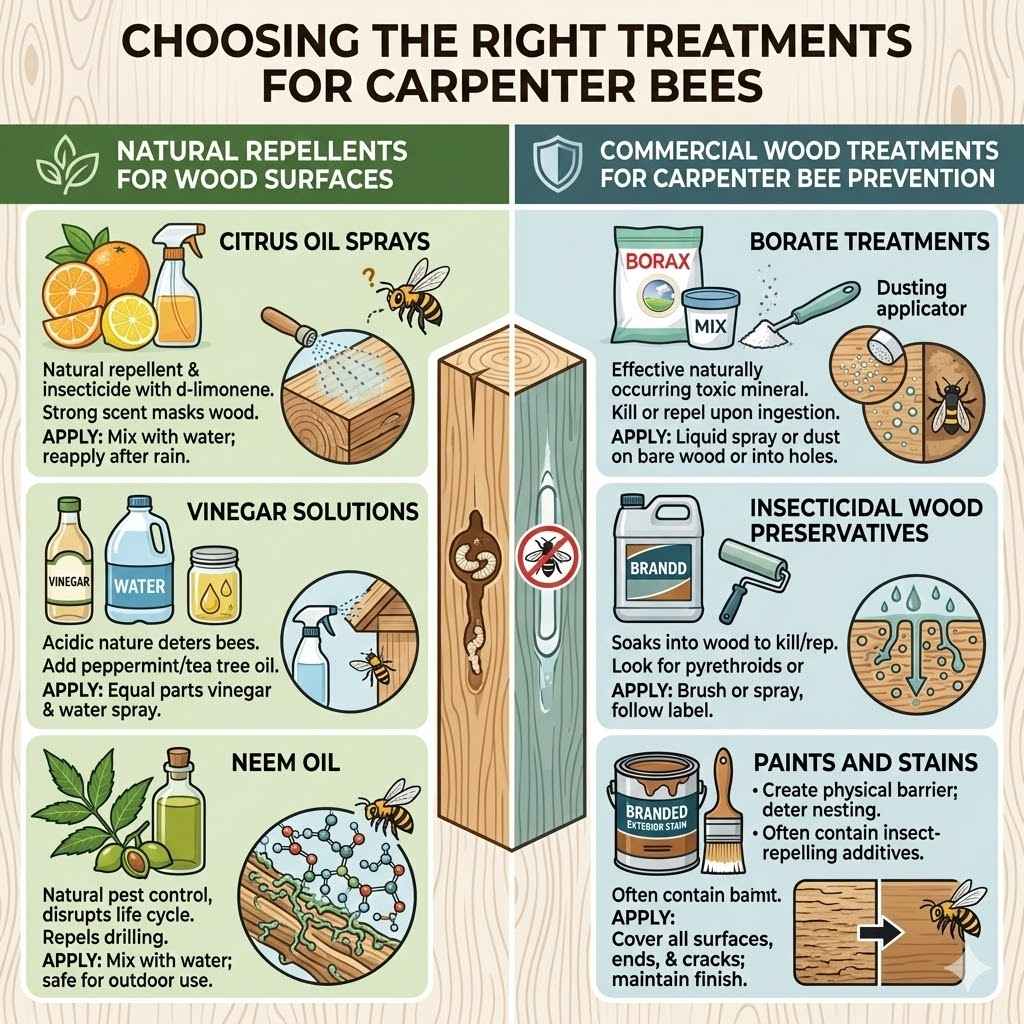
Choosing The Right Treatments For Carpenter Bees
This section explores the variety of products and methods you can use to deter carpenter bees from your wooden surfaces. It covers everything from natural remedies to more powerful chemical solutions, explaining how each works to protect your wood. You will learn which options are best for different situations and types of wood.
This will help you make informed choices to keep your property safe and sound from these determined borers.
Natural Repellents For Wood Surfaces
Many people prefer natural ways to keep carpenter bees away. These methods often use common household items or plant-based ingredients that are safe for families and pets. They are a good starting point before trying stronger chemicals.
Citrus Oil Sprays
Citrus oils, like orange or lemon oil, contain d-limonene. This is a natural insecticide and repellent that carpenter bees dislike. The strong smell masks the scent of the wood, which is what attracts the bees in the first place.
You can mix a few tablespoons of citrus oil with water and spray it directly onto wooden surfaces where you see bee activity. Reapply every few weeks, especially after rain, for continued protection.
Vinegar Solutions
Vinegar is another common household item that can help repel carpenter bees. Its acidic nature can deter them. A mixture of one part vinegar to one part water can be sprayed on wood.
Some people also add essential oils, like peppermint or tea tree oil, to the vinegar solution to boost its effectiveness. This creates an unpleasant scent and taste for the bees. Spray it liberally on decks, fences, and eaves.
Neem Oil
Neem oil comes from the neem tree and is a natural pest control agent. It works by disrupting the life cycle of insects and acting as a repellent. For carpenter bees, neem oil can be applied as a wood treatment.
Mix neem oil with water according to product instructions and apply it to any exposed wood. The smell and taste of treated wood deter bees from drilling. It is safe for many outdoor uses and breaks down naturally.
Commercial Wood Treatments For Carpenter Bee Prevention
When natural methods aren’t enough, commercial products offer more targeted and potent solutions. These are specifically designed to keep pests like carpenter bees away from wood. They often provide longer-lasting protection.
Borate Treatments
Borate treatments, often in the form of borax powder mixed with water, are very effective. Boron is a natural element that is toxic to insects when ingested or absorbed. Carpenter bees are attracted to wood, and when they try to bore into treated wood, they ingest the borate.
This can kill them or make them avoid the wood. Borate treatments can be applied as a liquid spray or a dust. They are also good for protecting wood from termites and other wood-boring insects.
Apply it to bare wood or into existing holes.
Insecticidal Wood Preservatives
Many wood preservatives contain insecticides that can deter carpenter bees. These products are designed to soak into the wood and kill or repel insects. Look for products that list pyrethroids or permethrin as active ingredients.
These are common insecticides effective against many pests. You can brush or spray these preservatives onto your wooden structures. They offer a good barrier against carpenter bee entry.
Always follow the label instructions carefully for application and safety.
Applying paint or stain to your wood can create a physical barrier that deters carpenter bees. They prefer bare, unpainted wood for nesting. A good quality exterior paint or stain can make the wood less appealing.
Some paints and stains also contain insect-repelling additives. Ensure you cover all exposed wood surfaces thoroughly, including the ends of boards and any small cracks or holes. Regular reapplication of paint or stain is key to maintaining this defense.
Effective Application Methods For Carpenter Bee Control
Knowing what to put on wood is only half the battle; how you apply it is just as important for success. Different treatments require different application techniques to ensure they reach the bees and protect the wood effectively. This section guides you through the best ways to apply repellents and treatments for maximum impact.
Treating Existing Carpenter Bee Holes
When carpenter bees have already started drilling holes, prompt action is needed. Treating these holes directly can kill any bees inside and prevent them from coming back. It’s a crucial step in stopping an infestation.
Insecticidal Dusts and Foams
Insecticidal dusts and foams are excellent for treating active carpenter bee holes. You can inject these products directly into the tunnels. The dust or foam will fill the hole, contacting the bees and any larvae inside.
Pyrethrin-based dusts or insecticidal foams designed for wood-boring insects are good choices. After application, it’s recommended to plug the holes. This traps the insects and prevents them from escaping or re-emerging.
Use a wood putty or dowel for sealing.
Essential Oils Injections
Some essential oils, like tea tree oil or eucalyptus oil, can also be injected into existing holes. Mix the oil with water or a carrier oil and use a syringe to inject the solution deep into the tunnels. The strong scent repels the bees and can even kill them.
This is a more natural approach to dealing with active nests. Ensure you get the mixture into as much of the tunnel as possible. Reapplication might be needed.
Sealing Holes After Treatment
Once you have treated the carpenter bee holes, sealing them is vital. Use wood putty, caulk, or wooden dowels to fill the holes. This prevents new bees from using the old tunnels and stops moisture from entering the wood, which could lead to rot.
Ensure the material you use blends well with the wood if appearance is a concern. Sealing should be done after the treatment has had time to work, typically 24-48 hours.
Preventative Treatments For Exposed Wood
Applying treatments before carpenter bees become a problem is the best defense. This proactive approach protects your wooden structures from the start. It involves treating areas where bees are likely to nest.
Spraying Eaves, Decks, And Railings
These areas are prime nesting spots for carpenter bees. Regularly spray these surfaces with a repellent solution, whether it’s a citrus oil mix, a vinegar solution, or a commercial repellent. Focus on the underside of eaves, the sides of decks, and the top surfaces of railings.
These treatments create an unpleasant environment for bees looking to bore into the wood. Apply the spray on a dry day for better adherence.
Treating Bare Wood And Cut Ends
Carpenter bees are particularly drawn to unfinished wood. Ensure all bare wood surfaces, especially new constructions or areas where wood has been cut, are treated. This includes the ends of boards, which absorb moisture and are softer.
Applying a wood preservative or a repellent solution to these areas makes them less attractive. This is a simple yet effective step in preventing them from starting their tunnels.
Creating A Physical Barrier
While not a chemical treatment, a physical barrier can deter carpenter bees. This can include installing fine mesh screens over potential entry points or ensuring wood surfaces are well-painted or stained. Well-maintained paint and stain layers are less appealing for boring than raw wood.
A smooth, durable finish makes it harder for bees to start their work.
Understanding Carpenter Bee Behavior And Prevention
To effectively keep carpenter bees away, it helps to know a little about their habits. Understanding why they choose certain wood and when they are most active allows for better prevention strategies. This knowledge helps in choosing the right methods and applying them at the right times.
When Are Carpenter Bees Most Active
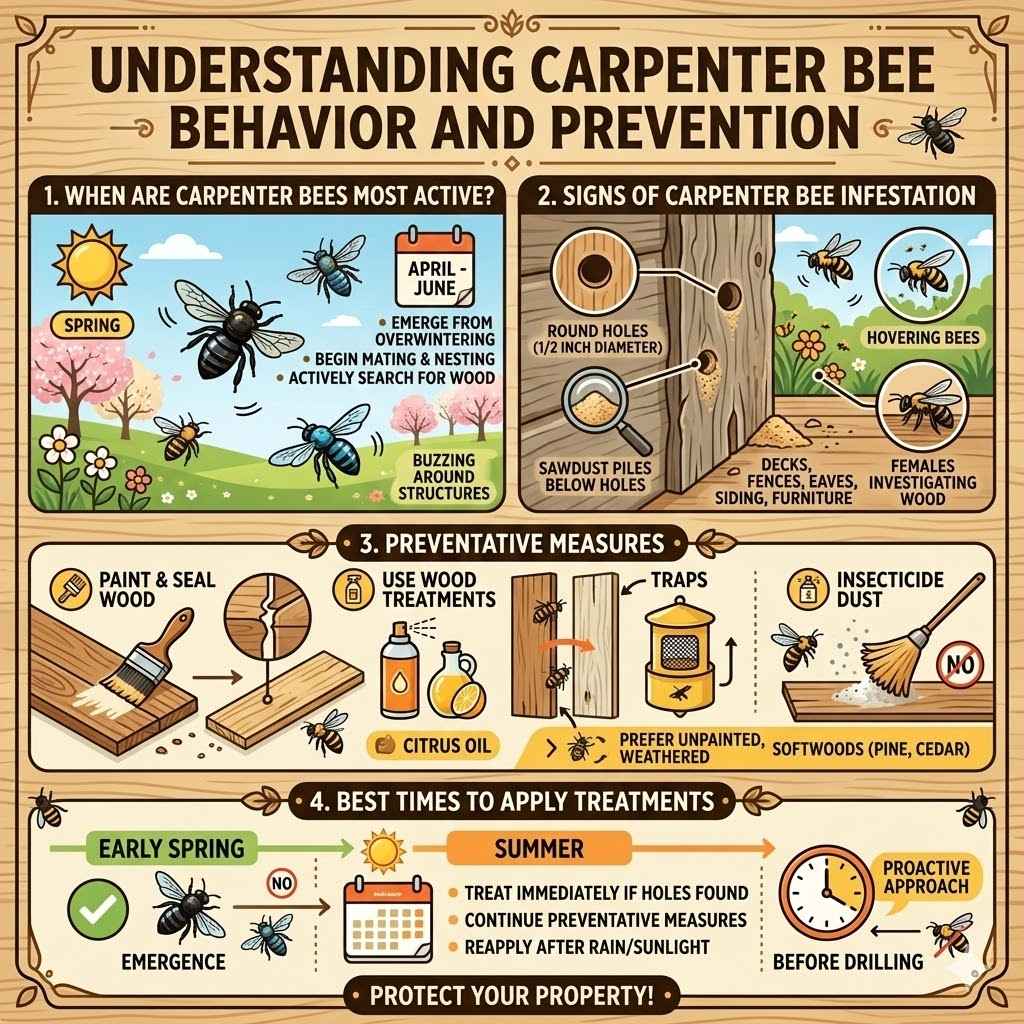
Carpenter bees are typically most active in the spring. This is when they emerge from their overwintering sites and begin mating and nesting. You’ll often see them buzzing around wooden structures from April through June.
During this period, they actively search for suitable wood to drill into. They prefer unpainted, weathered wood, especially softwoods like pine, fir, and cedar. The females bore the holes to lay their eggs.
Signs Of Carpenter Bee Infestation
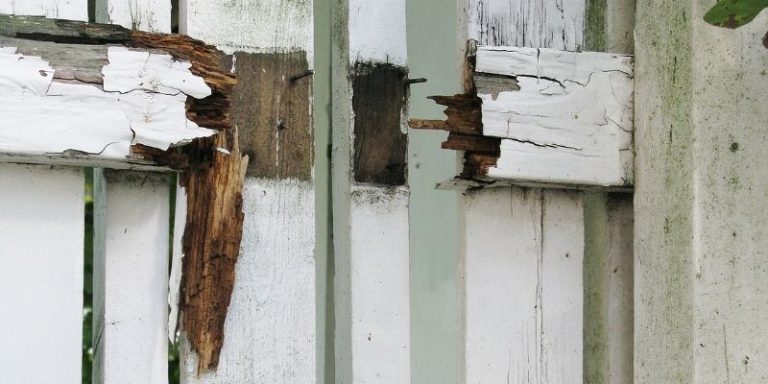
Recognizing the signs of a carpenter bee infestation is key to early intervention. The most obvious sign is the presence of perfectly round holes, about half an inch in diameter, in wooden surfaces. These holes are usually found on decks, fences, eaves, siding, and outdoor furniture.
You might also notice small piles of sawdust directly below these holes, which is from the bees drilling. Additionally, you may see the bees themselves hovering around wooden areas, especially on sunny days. Females are often seen investigating wood surfaces for suitable nesting sites.
Best Times To Apply Treatments
The best time to apply treatments is in the early spring, just as carpenter bees start to emerge. This proactive approach can deter them before they begin drilling. Treating wood surfaces before they become a target is highly effective.
If you notice activity, early spring is ideal. If you find holes later in the season, treat them immediately and continue with preventative measures throughout the summer. Reapplication of treatments, especially after rain or strong sunlight, is often necessary.
Frequently Asked Questions
Question: What is the fastest way to get rid of carpenter bees
Answer: The fastest way often involves treating existing holes with insecticidal dust or foam and then sealing them. For a quick deterrent, you can spray treated wood surfaces with a strong repellent like citrus oil or a commercial insecticide.
Question: Are carpenter bees harmful to humans
Answer: Carpenter bees are generally not aggressive towards humans. The males can be territorial and may buzz around you, but they cannot sting. Only the females can sting, but they rarely do so unless provoked or handled.
Question: Can I use WD-40 to repel carpenter bees
Answer: While WD-40 might deter some insects temporarily with its smell, it is not a recommended or effective long-term solution for repelling carpenter bees. It can also damage wood finishes and is not designed as an insecticide.
Question: How often should I reapply wood treatments
Answer: The frequency of reapplication depends on the product and weather conditions. Natural repellents like citrus oil may need to be reapplied every few weeks or after rain. Commercial products might last longer, but always check the product label for specific instructions.
Question: Will painting wood prevent carpenter bees
Answer: Yes, painting or staining wood provides a physical barrier that makes it less attractive to carpenter bees, as they prefer unfinished wood. Using exterior-grade paints or stains can offer good protection.
Conclusion
Protecting your wood from carpenter bees is achievable with the right treatments. Knowing What to Put on Wood to Keep Carpenter Bees Away empowers you to act. Simple solutions like citrus oil and vinegar, or stronger options like borate treatments and insecticidal paints, work effectively.
Applying them to existing holes and preventative areas stops these pests. Keep your wooden structures safe and sound with these practical tips.