Why Does My Toilet Not Flush: A Comprehensive Guide
Hey there! So, your toilet isn’t flushing properly, and you’re probably frustrated, right? I totally get it—I’ve been there myself, standing in the bathroom, plunger in hand, wondering what went wrong. A toilet that won’t flush can turn a simple trip to the bathroom into a mini crisis. But don’t worry, I’ve spent plenty of time figuring out this pesky problem, and I’m here to walk you through every possible reason why your toilet isn’t doing its job.
From simple fixes you can tackle in five minutes to more complex issues that might need a plumber, I’ve got you covered. Let’s dive into the reasons behind a toilet that refuses to flush and how you can get it working again.
A Clogged Toilet Is the Usual Suspect
Let’s start with the most common culprit: a clog. I can’t tell you how many times I’ve dealt with this one. Toilets get clogged when something—whether it’s too much toilet paper, a kid’s toy, or something else entirely—blocks the pipes. The water tries to go down, but it just swirls around or, worse, starts to rise. Yikes!
Most clogs happen in the toilet’s trap, that curvy part of the pipe right below the bowl. If the clog is minor, a good plunger can usually clear it. I always keep a flange plunger handy—it’s got that extra bit at the bottom that seals better than a regular plunger. Push and pull gently but firmly, and you’ll often hear a satisfying gurgle as the clog breaks free.
If plunging doesn’t work, you might have a deeper clog in the drain line. I once had to use a toilet auger, a tool that snakes through the pipes to break up stubborn blockages. It’s not as scary as it sounds, and you can grab one at any hardware store for about $20. Just be careful not to scratch the porcelain while you’re at it.
Sometimes, though, the clog is way down in the main sewer line. This happened to me a couple of years ago, and let me tell you, it’s not fun when every drain in the house starts backing up. If you suspect this, it’s time to call a plumber with a professional snake or camera to check the line.
Low Water Pressure in the Tank
Another reason your toilet might not flush properly is low water pressure in the tank. I learned this the hard way when my toilet was flushing weakly, barely moving anything down. The tank at the back of your toilet needs enough water to create the force for a good flush. If the water level is too low, you’re not getting that powerful whoosh.
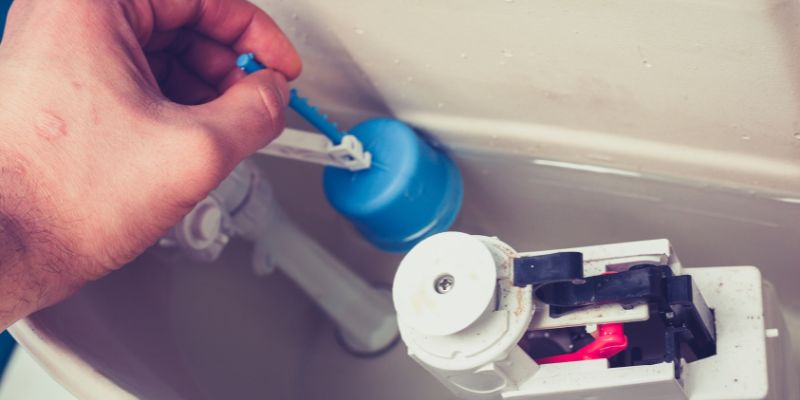
Check the water level in the tank—it should be about an inch below the top of the overflow tube. If it’s lower, the problem might be the fill valve. This little gadget controls how much water flows into the tank after each flush. Over time, fill valves can get clogged with mineral deposits or just wear out. I’ve replaced mine a couple of times, and it’s a pretty easy fix. A new fill valve costs about $10, and you can swap it out in under 30 minutes with a screwdriver and some pliers.
Another thing to check is the water supply line to the toilet. There’s a shut-off valve behind the toilet, and if it’s not fully open, it can restrict water flow. I once accidentally bumped mine while cleaning, and it took me forever to figure out why the tank wasn’t filling properly. Just give it a gentle turn to make sure it’s fully open.
A Faulty Flapper or Flush Valve
The flapper is that little rubber piece at the bottom of the tank that lifts up when you flush, letting water rush into the bowl. If it’s not working right, your flush will be weak or nonexistent. I’ve seen flappers get warped, cracked, or covered in gunk over time, which stops them from sealing properly. When this happens, water leaks out of the tank slowly, and there’s not enough left for a good flush.
To check the flapper, lift the tank lid and flush the toilet while watching it. If it doesn’t lift fully or closes too quickly, it’s probably the problem. Cleaning it might help if it’s just dirty, but replacing it is usually the best bet. A new flapper costs less than $5, and it’s a quick swap. Just make sure to get one that matches your toilet’s brand and model.
The flush valve itself—the part the flapper covers—can also be the issue. If it’s cracked or damaged, water won’t flow properly into the bowl. I had to replace a flush valve once, and while it’s a bit trickier than a flapper, it’s still doable with some basic tools and a YouTube tutorial.
Problems with the Toilet’s Jet Holes
Here’s something I didn’t know about until I started digging into toilet troubles: the jet holes under the rim of the bowl can get clogged. These tiny holes shoot water into the bowl during a flush, creating that swirling action. If they’re blocked by mineral buildup or debris, the flush won’t have enough force.
I’ve found that hard water is often the culprit here, especially if you live in an area with lots of minerals in the water. To clean the jet holes, grab a wire hanger or a small mirror to peek under the rim. I use a straightened hanger to poke through the holes gently, then pour some white vinegar into the tank and let it sit for an hour. Flush a couple of times, and you’ll usually see a big improvement. If it’s really bad, a toilet bowl cleaner with hydrochloric acid can help, but wear gloves and be careful—it’s strong stuff.
A Broken or Loose Handle
Sometimes the problem is as simple as the toilet handle. I’ve had this happen more than once—push the handle, and nothing happens, or it feels loose and wobbly. The handle is connected to the flapper by a chain or rod, and if that connection is broken or too loose, the flapper won’t lift properly.
Pop open the tank and take a look. If the chain is too slack, it might not pull the flapper up enough. If it’s too tight, the flapper might not seal properly after the flush. Adjust the chain so there’s just a tiny bit of slack—about a quarter-inch works for most toilets. If the handle itself is broken, you can replace it for a few bucks. I keep a spare in my toolbox because it’s such an easy fix.
Issues with the Sewer Line or Septic System
If you’ve tried everything and the toilet still won’t flush, the problem might be outside the toilet itself. I learned this when my whole house’s plumbing started acting up. If you’re on a municipal sewer system, a blockage in the main sewer line can stop your toilet from flushing. Tree roots, grease buildup, or even a collapsed pipe can cause this. You’ll usually notice other drains, like sinks or showers, backing up too.
If you have a septic system, the tank might be full or the drain field could be clogged. I had a neighbor whose septic tank hadn’t been pumped in years, and their toilet stopped flushing entirely. A professional septic service can pump the tank or diagnose drain field issues. It’s not cheap—pumping can cost $300 or more—but it’s a lot better than dealing with a backup.
Vent Stack Blockages
This one’s a bit less common, but it’s worth checking. Your plumbing system has a vent stack, usually on the roof, that lets air into the pipes to help water flow smoothly. If it gets blocked by leaves, a bird’s nest, or even snow, your toilet might not flush properly. I had this issue during a particularly snowy winter—ice had built up over the vent, and the toilet was gurgling like crazy.
You can check the vent stack yourself if you’re comfortable climbing onto the roof, but be careful. Look for debris covering the opening and clear it out. If you’re not sure or don’t want to risk it, a plumber can handle this with a long pole or snake.
Comparing Common Toilet Flush Issues
Here’s a quick table to help you figure out what might be wrong and how to fix it:
| Issue | Symptoms | Possible Fix | Cost |
|---|---|---|---|
| Clogged Toilet | Water swirls or rises, slow flush | Plunge or use toilet auger | $0-$20 |
| Low Tank Water | Weak flush, low water in tank | Adjust fill valve, check supply line | $10-$15 |
| Faulty Flapper | Weak flush, water leaks from tank | Clean or replace flapper | $5-$10 |
| Clogged Jet Holes | Weak swirl, slow flush | Clean with vinegar or wire | $0-$5 |
| Broken Handle | Handle feels loose, no flush | Adjust chain or replace handle | $5-$10 |
| Sewer/Septic Issue | Multiple drains back up, no flush | Call plumber or septic service | $100-$500+ |
| Blocked Vent Stack | Gurgling, slow flush | Clear vent on roof | $0-$100 |
When to Call a Plumber
I’m all about DIY fixes, but sometimes you need to call in the pros. If you’ve tried plunging, checked the tank, and cleaned the jet holes but the toilet still won’t flush, it’s probably time to get help. Sewer line issues, septic problems, or a cracked toilet bowl (rare but possible) are beyond most homeowners’ toolkits. A good plumber can diagnose the issue with a camera and save you a lot of headache. I’ve called one a couple of times, and while it’s not cheap—expect $100-$200 for a basic visit—it’s worth it for peace of mind.
Preventing Future Flush Problems
Once you’ve got your toilet flushing again, you’ll want to keep it that way. I’ve learned a few tricks over the years to avoid repeat issues. First, go easy on the toilet paper—less is more. If you’ve got kids, teach them not to flush toys or other random objects. I also flush a gallon of vinegar through the system every few months to keep mineral buildup at bay. If you’re on a septic system, get it pumped every 3-5 years, depending on usage. And if you live in an area with hard water, consider a water softener to reduce mineral deposits.
Conclusion
Dealing with a toilet that won’t flush can feel like a plumbing nightmare, but it’s usually something you can handle with a little know-how and elbow grease. I’ve been through this enough times to know that most issues—like clogs, faulty flappers, or low water pressure—are fixable without too much trouble. Start with the simple stuff, like plunging or checking the tank, before moving to bigger fixes like augers or calling a plumber. The key is to stay calm and work through the possibilities one by one.
With the tips I’ve shared, you’ll have your toilet back in action in no time, and you’ll feel like a plumbing hero. So, grab that plunger, roll up your sleeves, and let’s get that flush working again!
FAQs
Why is my toilet not flushing even after plunging?
If plunging doesn’t work, the clog might be deeper in the drain line or sewer. Try a toilet auger first. If that fails, check for issues like a blocked vent stack or a sewer line problem, which might need a plumber.
Can low water pressure cause a weak flush?
Yes, if the tank’s water level is too low, the flush won’t have enough force. Check the fill valve or supply line to make sure water is flowing properly into the tank.
How do I know if my flapper is bad?
Lift the tank lid and flush while watching the flapper. If it doesn’t lift fully, closes too soon, or looks warped, it’s likely the issue. Replacing it is a cheap and easy fix.
What’s the best way to clean jet holes in the toilet bowl?
Use a wire hanger to poke through the holes under the rim, then pour white vinegar into the tank and let it sit for an hour before flushing. This usually clears mineral buildup.
When should I call a plumber for a toilet that won’t flush?
If you’ve tried plunging, augering, and checking the tank but the problem persists, or if other drains are backing up, it’s time to call a plumber. They can check for sewer or septic issues.