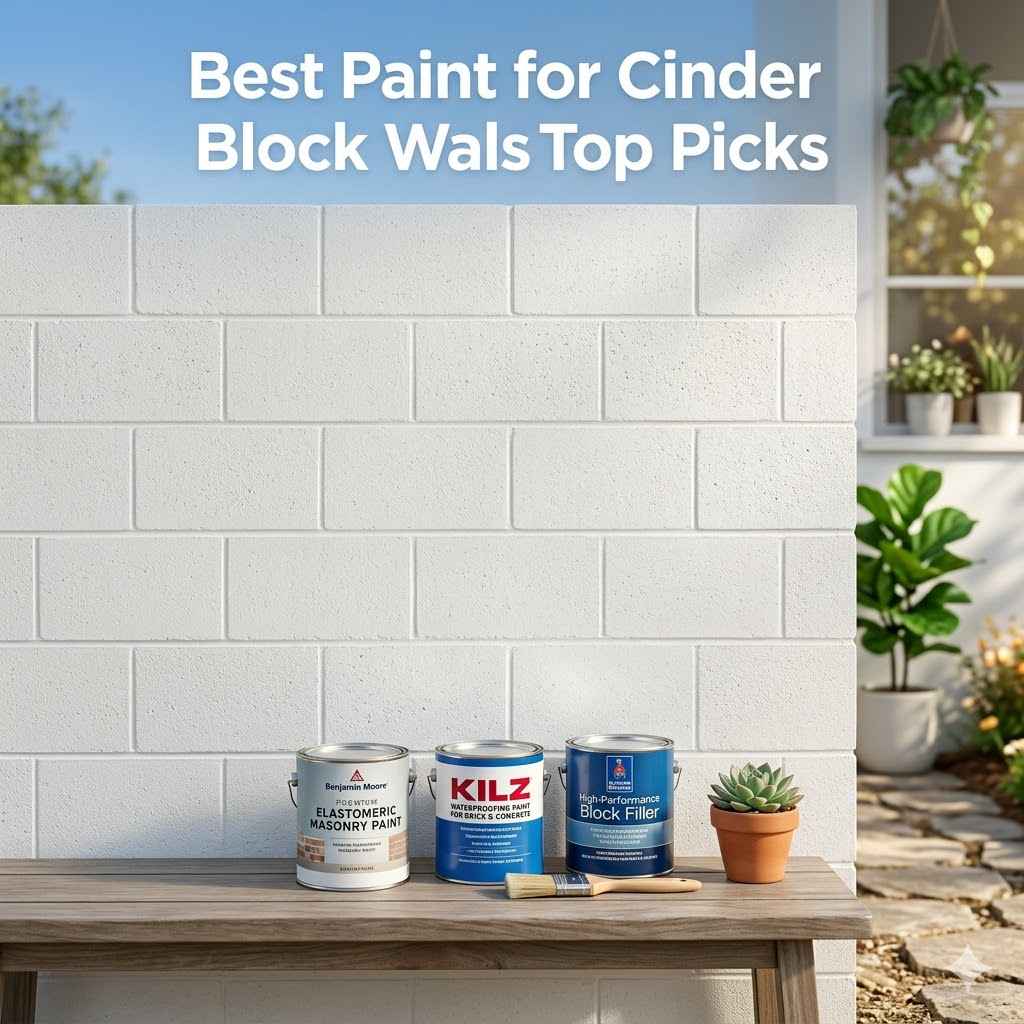
Best Paint for Cinder Block Walls Top Picks
Choosing the right paint for cinder block walls can seem tricky, especially if you’re new to DIY projects. These porous surfaces soak up paint differently than smooth walls, and picking the wrong type can lead to a streaky or peeling mess. But don’t worry!
We’ll make it simple and show you exactly what you need to know to get a great finish. Get ready to transform your cinder block spaces with our easy guide to the Best Paint for Cinder Block Walls (Top Picks). We’ll cover everything from preparation to picking the perfect paint, so you can tackle this project with confidence.
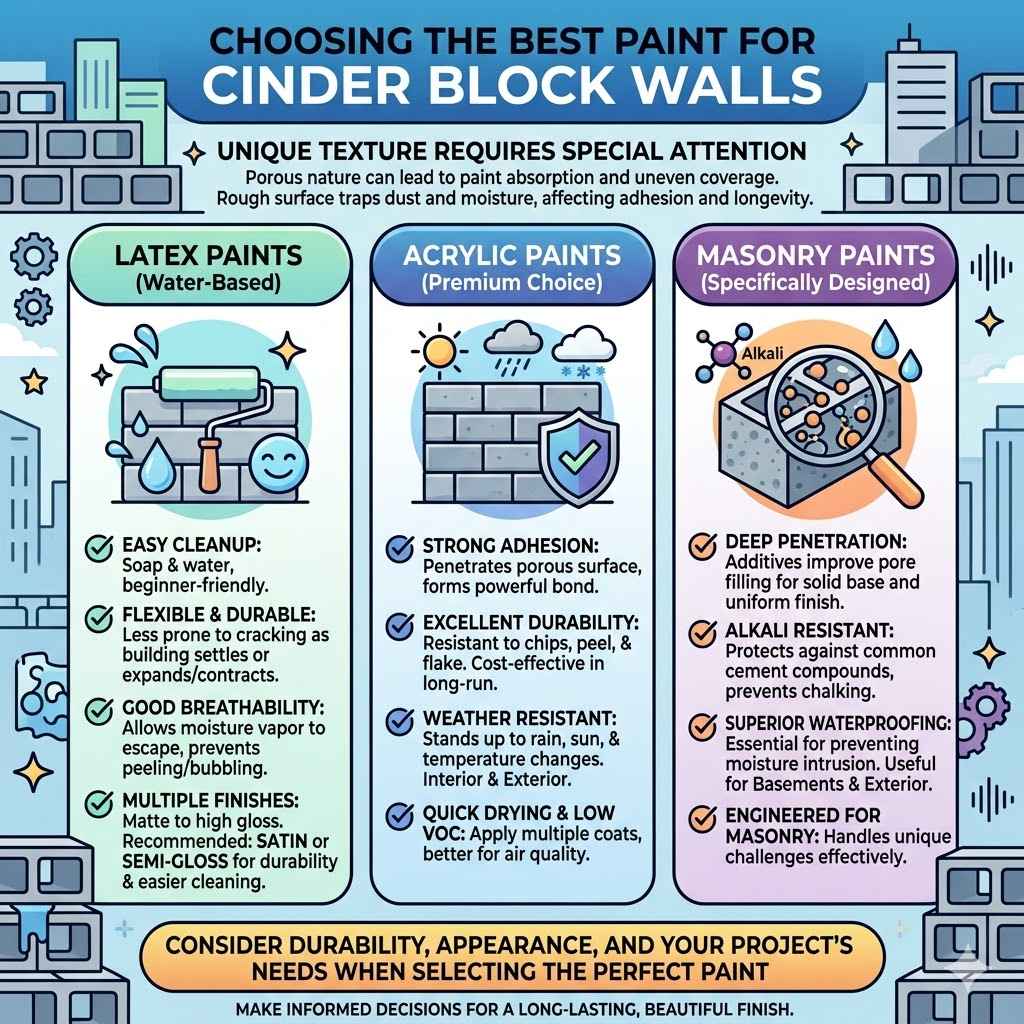
Choosing the Best Paint for Cinder Block Walls
Cinder block walls have a unique texture that needs special attention when it comes to painting. Their porous nature means they can absorb a lot of paint, potentially leading to wasted product and uneven coverage if not handled correctly. Furthermore, the rough surface can hold onto dust and moisture, which can affect paint adhesion and longevity.
Selecting the Best Paint for Cinder Block Walls (Top Picks) involves understanding these characteristics and choosing paints formulated to handle them. This section will explore the types of paint that perform best on cinder blocks and why they are ideal choices for durability and appearance.
Latex Paints for Cinder Blocks
Latex paints, also known as water-based paints, are a very popular choice for many home improvement projects, and they work well on cinder blocks. They are easy to clean up with soap and water, which is a big plus. This makes them user-friendly for beginners.
Latex paints are flexible and less prone to cracking as the building settles or experiences temperature changes. This is important for cinder block walls, which can sometimes expand and contract. The flexibility helps the paint stay adhered to the wall’s surface for a longer time, reducing the need for frequent repainting.
They offer good breathability, allowing moisture vapor to escape from the wall. This is critical for masonry surfaces like cinder blocks, which can trap moisture. Trapped moisture can lead to paint peeling or bubbling, and in more severe cases, can cause damage to the wall itself. Latex paints help prevent this by letting the wall breathe.
Latex paints come in a wide variety of finishes, from matte to high gloss. For cinder blocks, a satin or semi-gloss finish is often recommended because it’s more durable and easier to clean than a matte finish. The smoother surface of a satin or semi-gloss paint resists dirt and stains better, making it practical for high-traffic areas or basements.
Acrylic Paints for Durability
Acrylic paints are another excellent option, often considered a premium choice for masonry. They are known for their toughness and resistance to the elements, making them suitable for both interior and exterior cinder block applications. While they might cost a bit more upfront, their long-lasting performance can make them a cost-effective solution over time.
Acrylic paints form a very strong bond with porous surfaces like cinder blocks. This superior adhesion means the paint is less likely to chip, peel, or flake, even in challenging environments. This durability is a key factor when looking for the Best Paint for Cinder Block Walls (Top Picks), especially for areas that experience a lot of wear and tear.
They offer excellent weather resistance. If you are painting exterior cinder block walls, acrylics can withstand rain, sun, and temperature fluctuations much better than many other types of paint. This resistance helps maintain the wall’s appearance and integrity over many years, reducing maintenance costs and efforts.
Acrylic paints dry relatively quickly and have low VOC (Volatile Organic Compound) content, which is better for air quality. This makes them a safer and more pleasant choice for painting, especially in enclosed spaces like garages or basements. The fast drying time also means you can apply multiple coats in a single day if needed.
Masonry Paints Specifically Designed for Cinder Blocks
Specialty masonry paints are formulated with cinder blocks in mind. They often contain additives that improve adhesion, flexibility, and resistance to alkali, which is common in concrete and cement-based materials. These paints are designed to handle the unique challenges of masonry surfaces.
These paints are engineered to penetrate the pores of the cinder block effectively, creating a solid base for the topcoat. This deep penetration ensures better adhesion and a more uniform finish, preventing the blotchy look that can happen with standard paints on porous surfaces.
Many masonry paints are alkali-resistant, which is a significant advantage. Alkali is present in cement-based materials and can break down paint over time, causing it to chalk or fail. Alkali-resistant paints protect the integrity of the paint job, ensuring it lasts longer and maintains its color and finish.
These paints often provide superior waterproofing or water-repellency. This is especially useful for basement walls or exterior surfaces, where preventing moisture intrusion is crucial. Protecting the cinder blocks from water damage helps preserve the structure and prevent issues like mold or mildew growth.
Preparing Cinder Block Walls for Painting
Proper preparation is the most critical step for any painting project, and it’s absolutely essential when painting cinder blocks. Neglecting this phase can lead to premature paint failure, no matter how good the paint itself is. This part of the process ensures that the paint adheres well and lasts for years to come.
We’ll walk through the essential steps to get your cinder block walls ready for their new coat of paint, making sure you achieve professional-looking results.
Cleaning the Cinder Blocks
Before applying any paint, the cinder block walls must be thoroughly cleaned. Dust, dirt, cobwebs, and any other debris will prevent the paint from adhering properly. A clean surface is the foundation for a long-lasting paint job.
Start by sweeping or vacuuming loose debris. Use a stiff brush to scrub away stubborn dirt and grime. For more persistent stains, such as mildew or efflorescence (a powdery white deposit), a solution of one part bleach to three parts water can be effective. Always wear protective gear like gloves and eye protection when using cleaning solutions.
Rinse the walls thoroughly with clean water after cleaning. It’s important to remove all traces of cleaning solution, as any residue left behind can interfere with paint adhesion or cause discoloration. Allow the walls to dry completely before proceeding. This might take 24-48 hours, depending on humidity and airflow.
Inspect the walls for any mildew or mold. If found, treat it with a dedicated masonry cleaner or the bleach solution mentioned earlier. Ensuring the surface is free of organic growth prevents it from growing through the new paint layer later on. Proper cleaning also helps reveal any existing damage that needs repair.
Repairing Cracks and Holes
Cinder blocks can develop cracks or holes over time due to settling or impact. These imperfections need to be repaired to create a smooth, even surface for painting. Filling these areas will prevent paint from seeping into them and creating an uneven look, and it also strengthens the wall.
Use a concrete patching compound or masonry filler to fill any cracks or holes. For larger voids, you might need a hydraulic cement-based product that expands as it dries, ensuring a tight fill. Apply the filler using a putty knife, pressing it firmly into the damaged area to ensure it is completely filled.
Smooth the patched area flush with the surrounding wall surface. Once the filler has cured according to the product’s instructions, you may need to lightly sand the area to ensure it is perfectly level with the rest of the wall. This step is crucial for achieving a seamless paint finish.
Allow the patched areas to dry completely before painting. The drying time will vary based on the product used and environmental conditions. Check the manufacturer’s recommendations for the specific product to ensure it is fully cured before proceeding. Painting over uncured patches can lead to failure.
Priming the Cinder Blocks
Priming is a crucial step when painting cinder blocks. A good primer seals the porous surface, provides a uniform base for the paint, and improves adhesion. Without primer, the paint can soak unevenly into the blocks, requiring more coats and potentially resulting in a less durable finish.
Choose a high-quality masonry primer. These primers are specifically designed to adhere to concrete and masonry surfaces and seal the pores. Look for primers that are alkali-resistant and breathable to work well with cinder blocks. A good primer will block stains and prevent moisture issues.
Apply the primer evenly with a roller or a brush. Ensure you get the primer into all the nooks and crannies of the cinder block. A thick nap roller is often best for textured surfaces like cinder blocks. Follow the primer manufacturer’s instructions for application and drying times.
Allow the primer to dry completely before applying the paint. Most masonry primers need at least a few hours, and sometimes up to 24 hours, to dry fully and achieve their optimal sealing properties. Painting over damp primer will compromise the paint job. This priming step is key to making your chosen paint perform its best.
Applying the Best Paint for Cinder Block Walls
Once your cinder block walls are clean, repaired, and primed, it’s time for the exciting part: painting! Applying paint to cinder blocks requires a slightly different approach than painting smooth walls. The goal is to achieve an even, durable, and attractive finish that stands up to the test of time.
We will guide you through the best techniques and tips to ensure your painting project is a success, transforming your cinder block surfaces beautifully.
Choosing the Right Tools
The tools you use can significantly impact the quality of your paint job on cinder blocks. Because of their rough and porous texture, you’ll need specific tools that can effectively cover the surface and get into all the small crevices. Using the wrong tools can lead to streaky finishes, wasted paint, and a lot of frustration.
For applying paint to cinder blocks, a thick nap roller is highly recommended. These rollers have longer fibers that can reach into the pores and texture of the blocks, providing more even coverage than a standard roller. A 3/4-inch or 1-inch nap roller is usually a good choice.
A good quality masonry brush is also essential. Brushes are perfect for cutting in edges, getting into tight corners, and ensuring that the paint fully penetrates the block’s surface in detailed areas. A stiff-bristled brush designed for rough surfaces will work best.
Consider using a paint sprayer for larger areas if you have one available. Sprayers can provide a very uniform and fast application. However, they require more prep work to mask off surrounding areas and need careful technique to avoid overspray. If using a sprayer, ensure the paint is thinned appropriately for the specific sprayer model.
Techniques for Even Coverage
Achieving even coverage on cinder blocks can be a challenge due to their uneven surface. However, with the right techniques, you can ensure a smooth, consistent finish. This involves applying paint in a way that fills the pores and creates a uniform look.
Start by applying paint in a consistent pattern. Work in manageable sections, applying paint with long, overlapping strokes. Use your roller or brush to push the paint into the pores of the blocks. Don’t try to cover the entire block with one pass; build up the coverage gradually.
Apply paint in thin, even coats rather than one thick coat. Multiple thin coats will provide better adhesion and a more durable finish than a single heavy coat, which can sag or peel. Allow each coat to dry according to the manufacturer’s instructions before applying the next.
Use a technique called “cross-coating.” This involves applying the paint in one direction and then, after a short drying period, applying it in the perpendicular direction. This helps to ensure that all surfaces and pores are covered evenly and that there are no missed spots or thin areas.
Choosing the Right Finish
The finish you choose for your cinder block paint can affect both the appearance and the durability of your project. Different finishes have different properties, and some are better suited to the unique characteristics of cinder block walls than others. Selecting the right sheen is an important part of the Best Paint for Cinder Block Walls (Top Picks).
A satin or semi-gloss finish is generally recommended for cinder block walls. These finishes are more durable and easier to clean than flat or matte finishes. They reflect light more, which can help make the walls look cleaner and brighter, and they resist scuffs and stains better, making them ideal for basements, garages, or high-traffic areas.
A flat or matte finish can hide imperfections in the wall surface well, but it is also more porous and harder to clean. If you opt for a flat finish, ensure you have used a high-quality primer and that the wall is as smooth as possible. This finish can give a softer, more natural look but requires more careful maintenance.
High-gloss finishes are very durable and easy to clean but can highlight any imperfections on the wall. For cinder blocks, a high gloss might emphasize the texture too much unless that is the desired effect. Satin and semi-gloss offer a good balance of durability, cleanability, and aesthetic appeal for most cinder block applications.
Top Paint Brands and Products for Cinder Blocks
Selecting the right paint brand and product is crucial for a successful cinder block painting project. The market offers numerous options, but some brands consistently deliver superior performance on masonry surfaces. This section highlights some of the leading choices that stand out as the Best Paint for Cinder Block Walls (Top Picks), along with their key features and why they are highly regarded by DIYers and professionals alike.
Sherwin-Williams Products
Sherwin-Williams is a well-respected name in the paint industry, known for its high-quality products that offer excellent durability and coverage. They have several lines that are well-suited for painting cinder block walls, providing reliable performance for both interior and exterior applications.
Sherwin-Williams ConFlex® Drylok® is a popular choice for masonry. It’s a flexible, waterproof coating designed specifically for concrete and masonry surfaces. It can bridge hairline cracks and provides excellent resistance to water intrusion, making it ideal for basement walls or exterior foundations.
Another excellent option is Sherwin-Williams SuperPaint® Interior/Exterior Acrylic Latex. While not exclusively for masonry, its durable acrylic formula adheres well to primed surfaces and offers good washability and mildew resistance. For cinder blocks, ensure a proper masonry primer is used first.
Sherwin-Williams also offers masonry-specific primers like Loxon® Concrete & Masonry Primer. This primer is designed to seal porous surfaces and provide excellent adhesion for topcoats, ensuring a longer-lasting and more uniform finish on cinder blocks.
Benjamin Moore Products
Benjamin Moore is another top-tier paint manufacturer, recognized for its premium quality and extensive color selection. Their paints are known for their smooth application, excellent coverage, and lasting finish, making them a favorite among homeowners and professionals.
Benjamin Moore’s Dry Speed® Interior/Exterior Paint is a great option for masonry. It’s a premium quality, durable acrylic coating that offers excellent adhesion and resistance to alkali and efflorescence. It’s formulated to stand up to tough conditions found on cinder block walls.
For a more specific masonry solution, consider Benjamin Moore’s Fresh Start® Masonry Primer. This primer is designed to seal porous masonry surfaces, block efflorescence, and provide an excellent base for any Benjamin Moore topcoat, ensuring your paint job lasts.
Benjamin Moore’s Regal® Select Interior Paint, especially in a semi-gloss or satin finish, can also be used on primed cinder block walls. Its durable acrylic-latex formula provides good washability and a smooth finish, making it a versatile choice for interior applications.
Behr Products
Behr paints, available at Home Depot, offer a great balance of quality and affordability. They have a strong reputation for durability and ease of use, making them a popular choice for DIY projects. Their masonry-specific products are particularly effective for cinder blocks.
Behr Premium Plus® Masonry, Stucco & Brick 100% Acrylic Coating is an excellent choice for cinder blocks. It’s formulated to penetrate and seal masonry surfaces, offering superior durability, moisture resistance, and mildew protection. It comes in various sheens suitable for this application.
Behr also offers Behr Premium Plus® Interior/Exterior Masonry, Stucco & Brick Primer. This product is specifically designed to seal porous concrete and masonry, providing excellent adhesion and blocking stains. It’s a necessary step for achieving the best results on cinder blocks.
For a more general-purpose but still effective option, Behr Premium Plus® Interior/Exterior Paint in an Acrylic Latex formula can work well on primed cinder blocks. Its durability and washability make it a good choice for many interior applications.
Maintaining Your Painted Cinder Block Walls
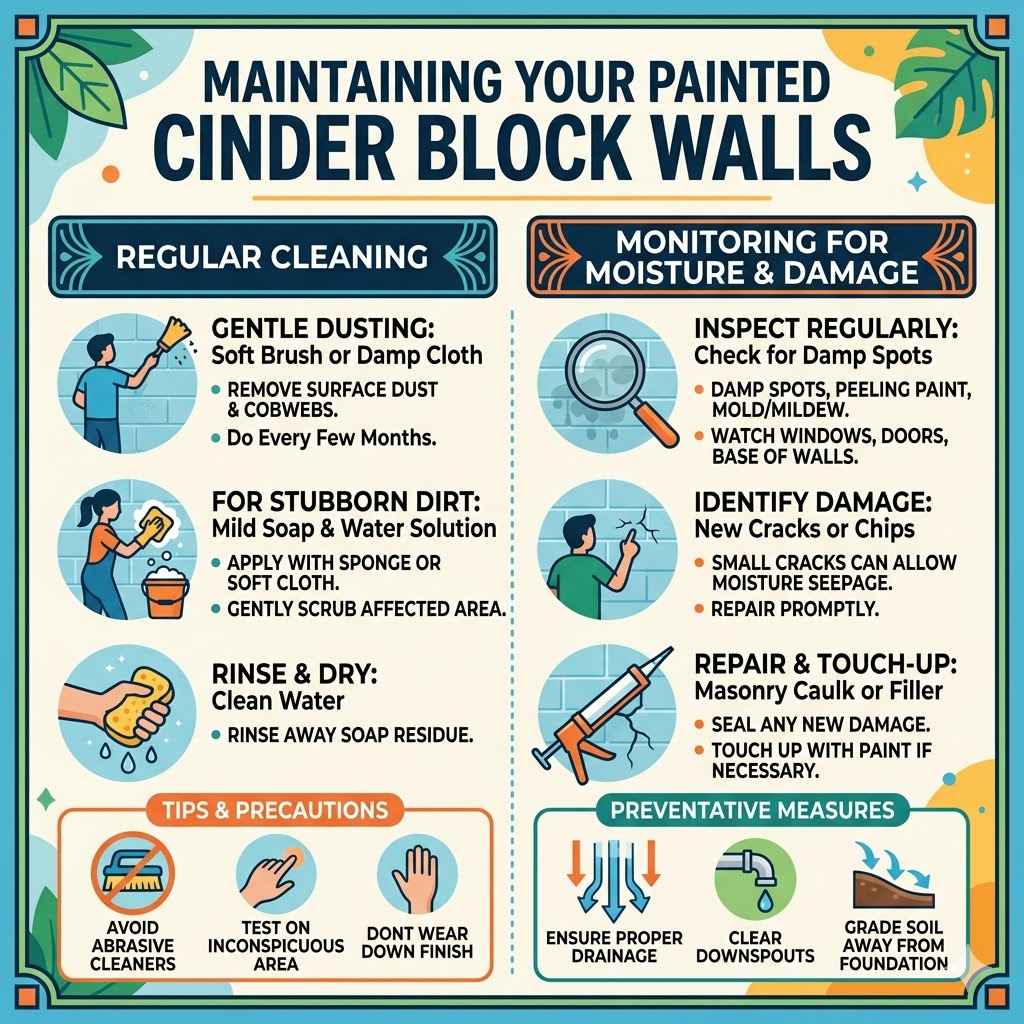
Once you’ve invested the time and effort into painting your cinder block walls using the Best Paint for Cinder Block Walls (Top Picks), it’s important to know how to keep them looking their best. Proper maintenance will ensure the longevity of your paint job and protect the walls from potential damage. These simple tips will help you preserve the beauty and integrity of your newly painted surfaces.
Regular Cleaning
Regular cleaning is key to keeping your painted cinder block walls looking fresh and new. Dust and grime can accumulate on the textured surface, dulling the color and making the walls appear less appealing over time. A gentle cleaning routine can prevent the need for more intensive measures later on.
For routine cleaning, a soft brush or a damp cloth is usually sufficient. Gently wipe down the walls to remove surface dust and cobwebs. This can be done every few months or as needed, depending on the environment.
For more stubborn dirt or scuff marks, use a mild soap and water solution. Apply it with a sponge or soft cloth, and gently scrub the affected area. Be sure to rinse the area with clean water afterward to remove any soap residue.
Avoid using abrasive cleaners or harsh scrubbing pads, as these can damage the paint finish and wear down the texture of the cinder blocks. Always test any cleaning solution on an inconspicuous area first to ensure it doesn’t affect the paint color or integrity.
Monitoring for Moisture and Damage
Cinder blocks, especially those in basements or exterior walls, can be prone to moisture issues. It’s important to regularly inspect your painted walls for any signs of moisture penetration or damage. Early detection can prevent more significant problems down the line.
Periodically check for damp spots, peeling paint, or the appearance of mold or mildew. These can be indicators of water leaks or condensation issues that need to be addressed. Pay close attention to areas near windows, doors, and the base of the walls.
Look for any new cracks or chips in the paint or the blocks themselves. Small cracks can allow moisture to seep in, so it’s best to repair them promptly. Use a matching masonry caulk or filler to seal any new damage, then touch up with paint if necessary.
Ensure that exterior drainage is functioning correctly if your cinder blocks are exposed to the elements. Proper grading of the soil away from the foundation and clear downspouts are essential for preventing water from accumulating against the walls.
Frequently Asked Questions
Question: What type of paint is best for cinder block walls?
Answer: The best paints for cinder block walls are typically high-quality exterior or interior latex or acrylic masonry paints. These are formulated to adhere well to porous surfaces, offer good breathability, and provide durable, long-lasting finishes.
Question: Do I need to prime cinder block walls before painting?
Answer: Yes, priming cinder block walls is highly recommended. A good masonry primer will seal the porous surface, prevent excessive paint absorption, improve adhesion, and provide a uniform base for your topcoat, ensuring a better and more durable finish.
Question: Can I paint cinder blocks in a damp basement?
Answer: Yes, you can paint cinder blocks in a damp basement, but it’s crucial to address the moisture issue first. Use a moisture-curing primer and a breathable, alkali-resistant masonry paint. Ensure good ventilation during and after painting to help the paint cure properly.
Question: How many coats of paint do I need for cinder blocks?
Answer: Typically, two coats of paint are recommended for cinder blocks after priming. This ensures even coverage, rich color, and durability. Some very porous or textured blocks might require a third coat for optimal results.
Question: Can I use regular wall paint on cinder blocks?
Answer: While regular interior latex or acrylic paint can be used on well-primed cinder blocks, it’s best to use paints specifically designed for masonry. These paints are formulated to handle the porosity, alkalinity, and potential moisture issues associated with cinder blocks, leading to a more durable and long-lasting finish.
Summary
Choosing the Best Paint for Cinder Block Walls (Top Picks) involves understanding their porous nature. Proper preparation, including cleaning, repairing, and priming with masonry-specific products, is vital. High-quality latex, acrylic, or specialty masonry paints from brands like Sherwin-Williams, Benjamin Moore, or Behr will provide the most durable and attractive results.
Applying paint with the right tools and techniques ensures even coverage and a lasting finish. Regular cleaning and monitoring for damage will keep your painted cinder block walls looking great for years.