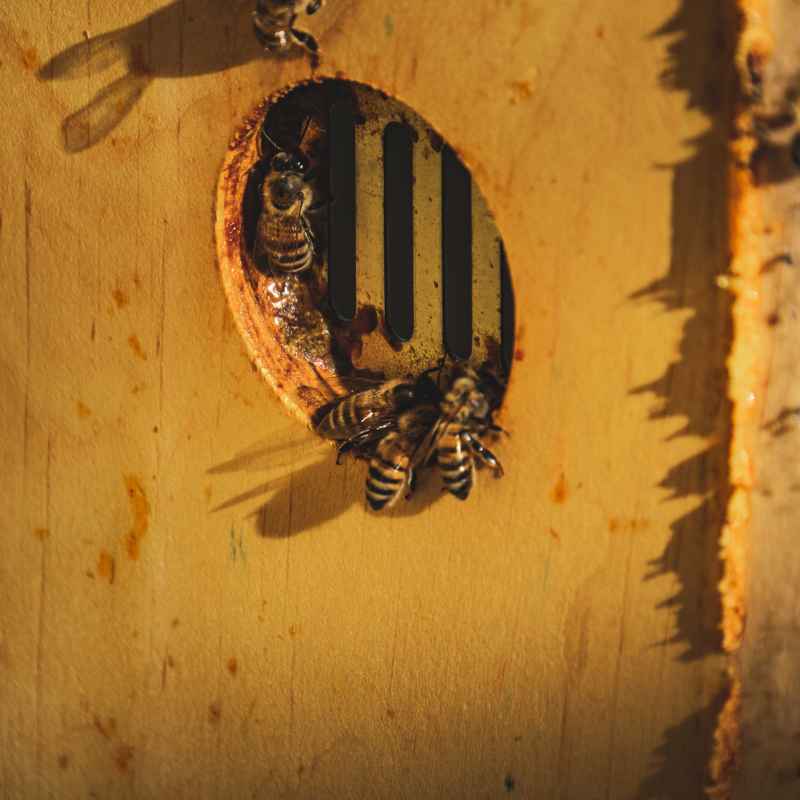
Do Male Or Female Carpenter Bees Drill Holes? Here’S The Truth
This is a natural curiosity. You want to understand the pest to better manage it. The answer might surprise you a little. It involves understanding the roles of both male and female carpenter bees. Let’s dive into what’s really going on with these wood-boring bees.
The truth is, only female carpenter bees drill the holes. Male carpenter bees do not have stingers and therefore cannot drill into wood. Females use their strong mandibles to bore tunnels for nesting and laying eggs.
Understanding Carpenter Bee Behavior
Carpenter bees are solitary bees. This means each female builds her own nest. They don’t live in large colonies like honeybees or bumblebees. They are often called “wood bees” because of their habit. They are also sometimes called “bumblebees” because they look similar. But they are quite different in how they live.
These bees are drawn to soft, unpainted, or weathered wood. This is their preferred building material. They will tunnel into it to create galleries. These galleries are where they lay their eggs. It’s a crucial part of their life cycle. This tunneling is what causes the visible damage.
The activity usually starts in the spring. This is when the bees emerge from their overwintering sites. They are looking for a place to make a new home. They also need a place to raise their young. The look of the wood matters to them. Smoother, unfinished surfaces are easier to work with.
The Role of the Female Carpenter Bee
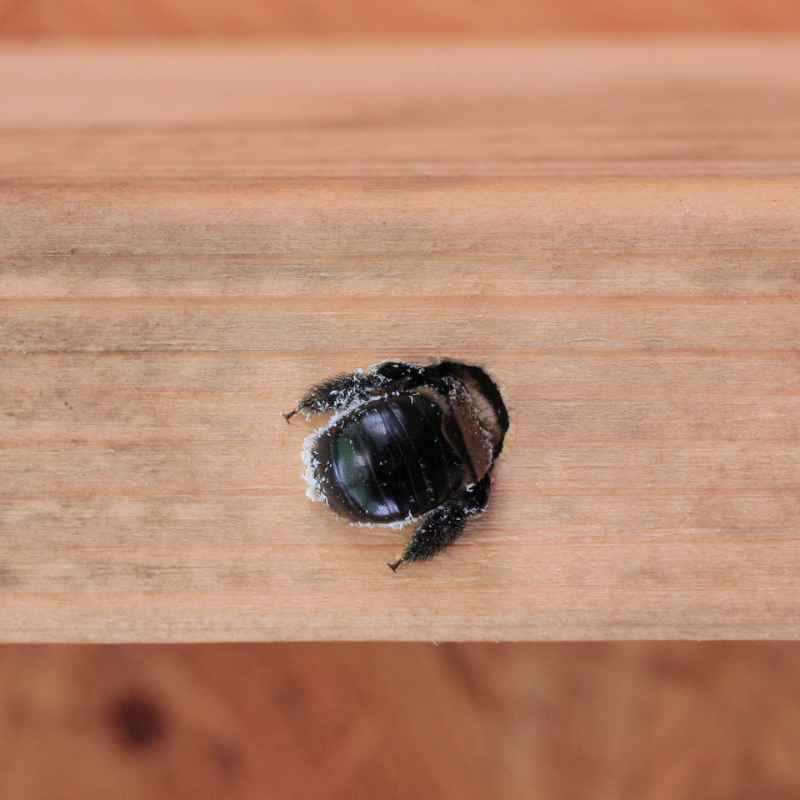
When it comes to drilling, the female carpenter bee is the sole architect. She has the physical tools and the instinct to do this work. Her mouthparts, called mandibles, are strong. They are specially adapted for chewing through wood fibers.
She chooses a spot on a wooden surface. This might be an overhang, a railing, or even a fence post. She then begins to gnaw away at the wood. This process creates a perfect, round hole. The hole is typically about a half-inch in diameter. It’s just the right size for her to enter and exit.
Once the entrance is made, she excavates a tunnel. This tunnel can be several inches long. It goes with the grain of the wood. Inside this tunnel, she creates cells. She lays a single egg in each cell. She also provisions each cell with pollen and nectar. This food source is for the developing larva.
The female’s life is dedicated to reproduction. She spends her time creating this safe nursery. She is also the one who defends the nest. But remember, her defense mechanism is not drilling. It’s something else entirely.
Why Male Carpenter Bees Don’t Drill
This is where a common misconception often arises. Male carpenter bees are often seen hovering around the nesting sites. They can appear quite assertive. They might fly towards people or pets. This behavior can be mistaken for aggressive drilling.
However, male bees lack stingers. Their primary role in reproduction is to find mates. They patrol areas where females are active. They also engage in aerial courtship displays. Their buzzing and darting movements can be intimidating. But they pose no physical threat in terms of stinging or drilling.
Think of it this way: the female is the builder and the mother. The male is the protector and the partner. He doesn’t have the physical anatomy to bore into wood. His job is more about ensuring the survival of the species through mating and guarding the territory.
So, when you see a carpenter bee inspecting a piece of wood, if it’s trying to drill, it’s a female. If it’s just buzzing around aggressively, it could be a male looking for a mate. But neither male behavior causes the actual holes.
Carpenter Bee Life Cycle Snapshot
Emergence: Spring, when temperatures warm up.
Nesting: Female drills holes and excavates tunnels.
Egg Laying: Female lays eggs in cells, provisioning them with food.
Larval Stage: Young bees develop inside the tunnel cells.
Adult Stage: New generation emerges, mates, and the cycle repeats.
New adults typically live for about a year.
My First Encounter with Carpenter Bees
I remember one summer, I was relaxing on my back porch. The sun was setting, and it was a beautiful evening. I noticed a bee on one of the wooden posts. It was larger than a honeybee, and it had that familiar fuzzy look. At first, I thought it was just a bumblebee visiting. But then it landed and started moving its head in a strange way.
I watched, a little curious and a little wary. The bee then started to chew at the wood. It was so focused. I could actually see little wood shavings falling away. My heart sank a little. I knew what this meant. It meant holes were about to appear. I felt a wave of annoyance. This was a new wooden fence I had just put up!
I wasn’t sure if it was a male or female. I had heard that male bees were the aggressive ones. I was almost hoping it was a male, so it would just fly away and leave my fence alone. But it kept working. The precise, almost surgical way it carved into the wood was fascinating, albeit destructive. That’s when I really understood that the drilling action was a deliberate act of creation, not just a random behavior.
It made me realize that these bees weren’t just visiting; they were planning to stay. And the female was the one doing all the hard work to make that happen. It was a moment of learning by observation, and it stuck with me.
What the Holes Actually Look Like
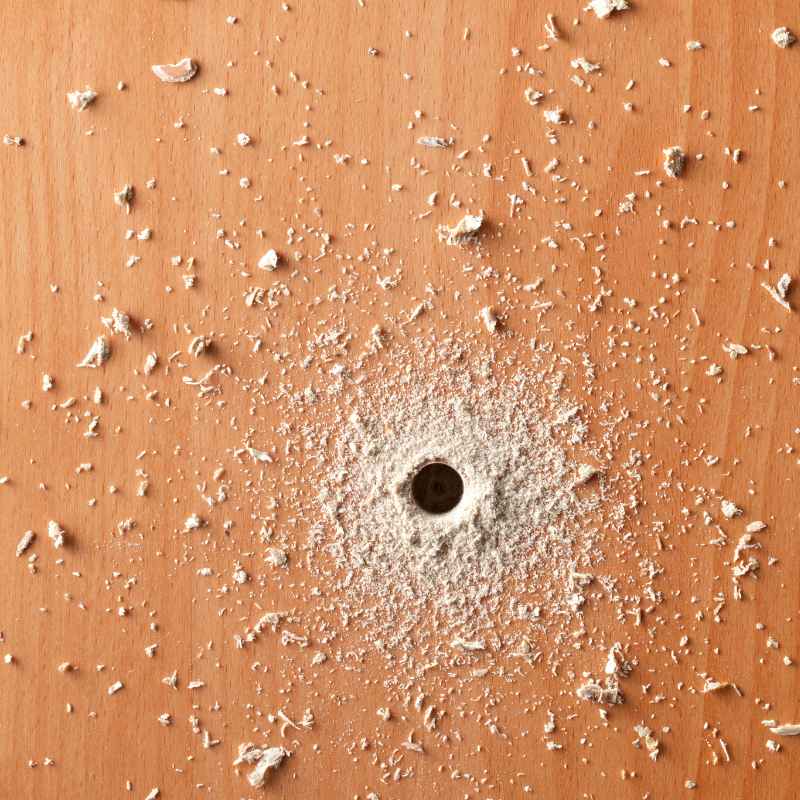
Carpenter bee holes are quite distinctive. They are almost perfectly round. They measure about half an inch in diameter. This size is important. It’s large enough for the bee to get in and out. It’s also large enough to be noticeable.
Often, you’ll see a pile of fine sawdust directly beneath the hole. This is what the female bee has excavated. It’s a clear sign that drilling is happening or has recently occurred. The tunnels themselves are dug parallel to the wood grain. They can extend several inches into the wood. Each tunnel is a separate living space, a nursery for eggs.
Sometimes, you might see a yellowish stain or streak near the hole. This is bee excrement. It’s another indicator of recent activity. The female bee will plug the entrance hole with wood pulp and her own saliva. This plug is usually flush with the surface. But it can sometimes be slightly raised.
These holes are not just cosmetic issues. They can weaken wooden structures over time. Especially if there are many of them. They can also allow moisture to enter the wood. This can lead to rot and further structural damage. This is why identifying the source is key.
Signs of Carpenter Bee Activity
Round Holes: Approximately 1/2 inch in diameter.
Sawdust: Fine wood shavings beneath holes.
Yellow Stains: Excrement near tunnel entrances.
Buzzing Sounds: May hear faint buzzing from within wood.
Why Do They Choose Certain Wood?
Carpenter bees are picky. They prefer wood that is not treated or painted. Softwoods like pine, fir, and cedar are common targets. This is because they are easier for the female to penetrate. Hardwoods are much more difficult to tunnel through.
Weathered wood is also attractive. Over time, wood can become softer and more porous. This makes it an ideal nesting material. Wood that is exposed to the elements is often more appealing than newly installed, pristine lumber.
Unpainted surfaces are a big factor. The smooth, hard surface of paint makes drilling much harder for the bee. If your wood has a good coat of paint, it’s less likely to be chosen. This is a simple defense many homeowners use.
The location also matters. Areas that are protected from harsh weather are good choices. This includes eaves, soffits, and decks. These spots offer shelter for the nest. They also provide a stable environment for the developing young. The bee is essentially looking for a safe place to raise her family.
Male vs. Female: A Visual Clue
While both male and female carpenter bees look very similar, there’s one key difference. It’s visible if you look closely. The abdomen of the female carpenter bee is black and shiny. It looks almost polished.
The male carpenter bee’s abdomen is typically duller. It often has yellow or tan markings on it. This is a reliable way to tell them apart. But this visual cue doesn’t change who does the drilling.
Remember, the female is the one with the power to bore. Her shiny black abdomen is a sign of her strength and purpose. The male, with his more patterned or dull abdomen, is focused on other tasks.
Identifying Male vs. Female
Female:
- Abdomen: Shiny black
- Role: Drills holes, lays eggs, cares for young
Male:
- Abdomen: Dull, often with yellow/tan markings
- Role: Mates, patrols territory
- Cannot sting or drill wood
Can Male Carpenter Bees Sting?
This is a very important point. Male carpenter bees cannot sting. They do not possess a stinger. Their anatomy is different from that of the female. This is true for many bee species.
The stinger is a modified ovipositor. It’s an organ that the female uses for laying eggs. In bees, this organ has evolved into a defensive weapon. Males, not needing to lay eggs, do not develop stingers.
Their aggressive behavior is territorial. It’s a way to ward off perceived threats. This includes you or me if we get too close to their area. But their “attack” is just a bluff. They might buzz right past your head. They might even bump into you. But they cannot harm you with a sting.
It’s natural to fear a sting. That’s why many people panic when a bee acts aggressively. Knowing that the male cannot sting is reassuring. It helps you distinguish between a real threat and a harmless display.
The Female’s Defense Mechanism
While the male buzzes and hovers, the female has her own way of defending her territory. If she feels threatened, she can sting. However, she is generally not aggressive. She will only sting if she feels her nest or herself is in immediate danger.
This is a key difference from some other stinging insects, like wasps. Carpenter bees are typically quite docile. They are focused on their nesting and foraging duties. They usually try to avoid confrontation.
The sting of a female carpenter bee is not considered medically significant for most people. It’s similar to a bee sting. It can cause local pain, redness, and swelling. But it’s usually not a severe reaction, unless you are allergic.
So, while the female can sting, her primary interaction with your property is drilling. Her sting is a last resort defense. It’s not her main tool for survival or reproduction.
When to Worry About Carpenter Bee Holes
Most of the time, a few carpenter bee holes are not a major structural concern. A single hole here or there might just be an annoyance. You can often repair these easily.
However, you should worry if you see extensive damage. This is especially true for load-bearing wooden structures. If you notice many holes grouped together. Or if the wood appears weakened or crumbly, it’s time to take notice.
Persistent activity year after year can also be a problem. Old tunnels can be reused. New tunnels can be dug nearby. Over time, this can compromise the integrity of the wood. This is more common in older homes or structures that have not been well-maintained.
Pay attention to areas that are prone to moisture. Wood that stays damp is more susceptible to damage. This can include areas under eaves or around leaky gutters. These spots become prime real estate for nesting females.
When Holes Become a Concern
Extensive Damage: Many holes in a concentrated area.
Structural Weakness: Wood feels soft, crumbly, or sagging.
Load-Bearing Areas: Damage to critical support beams or posts.
Recurring Problems: Holes appear year after year, worsening.
Moisture Issues: Damage in damp or rotting wood.
Preventing Carpenter Bee Infestations
Prevention is always better than cure. There are several ways you can make your wooden structures less appealing to carpenter bees. The goal is to make drilling difficult or impossible.
Paint or Varnish: The most effective method is to keep wood well-painted or varnished. A good, thick coat of paint creates a smooth, hard surface. This is very difficult for females to bore into. Pay attention to unpainted edges and ends of boards.
Use Hardwood: If you are building new structures, consider using hardwoods. These are much more resistant to drilling than softwoods. Though they are more expensive.
Seal Existing Holes: Fill any existing holes with wood putty or caulk. This prevents them from being reused. You can also drive a wooden dowel into the hole. Then sand it smooth. Do this before painting.
Regular Maintenance: Inspect your wooden structures regularly. Early detection can prevent minor issues from becoming major problems. Address any signs of damage promptly.
Natural Deterrents: Some people use citrus oil or almond oil sprays. These can deter bees from landing and drilling. However, their effectiveness can be temporary. And they need frequent reapplication.
Quick Fixes for Existing Holes
If you’ve already found holes, don’t despair. You can often fix them yourself. The key is to do it at the right time.
Timing is Key: The best time to treat is in the fall or early spring. In the fall, the bees are finishing their life cycle. In early spring, before they start drilling new holes, is also good. You can also treat holes in the summer.
Insecticide Dust: You can inject an insecticide dust into the holes. Use a nozzle or a puffer. This dust will kill any eggs or larvae inside. Follow product instructions carefully.
Seal the Holes: After treating, wait a day or two. Then, seal the holes with wood putty, caulk, or a wooden dowel. This prevents new bees from using them. It also stops the treated bees from escaping.
Professional Help: If you have a large infestation or are uncomfortable doing it yourself, call a pest control professional. They have the tools and expertise to handle it safely and effectively.
Remember, the goal of treatment is to eliminate the current generation and prevent future ones. It’s a multi-step process for best results.
Frequently Asked Questions About Carpenter Bees
Are carpenter bees aggressive?
Male carpenter bees can appear aggressive by flying around you. But they cannot sting. Female carpenter bees can sting if provoked, but they are generally not aggressive and will usually avoid contact.
Do carpenter bees damage my house?
Yes, they can damage wooden structures by drilling tunnels. While a few holes might not be serious, many holes can weaken wood over time. This can lead to structural issues and rot if not addressed.
What kind of wood do carpenter bees prefer?
They prefer soft, unpainted, unfinished, or weathered wood. Common targets include pine, fir, and cedar. They avoid hardwoods and painted surfaces.
How can I tell if it’s a carpenter bee and not a bumblebee?
Carpenter bees are typically all black and shiny on their abdomen. Bumblebees are usually black and yellow and have fuzzy abdomens. Carpenter bees are also solitary, while bumblebees live in colonies.
Can I just fill the holes without killing the bees?
It’s best to treat the holes first, especially if you suspect larvae or eggs are inside. Filling them without treatment might trap live bees or larvae, or they may drill new holes nearby. Treating then filling is most effective.
When is the best time to treat carpenter bee holes?
The ideal times are late fall or early spring. This is when bees are overwintering or just emerging. Summer treatment can also be effective if you see active drilling, but ensure you treat before sealing.
The Final Word on Drilling Bees
So, the mystery is solved. It’s the female carpenter bee who drills those tell-tale holes. She’s the one building the nest for her future family. The male carpenter bee, though sometimes intimidating with his aerial displays, doesn’t have the tools or the drive to bore into wood.
Understanding this distinction is helpful. It guides how we approach these bees. It helps us know when to be cautious. It also helps us know when our wooden structures are truly at risk. By keeping wood painted and performing regular checks, you can keep these industrious female bees from making your home their own.
Sponsored / affiliate links. As an Amazon Associate I earn from qualifying purchases. I may earn additional commission from eligible campaigns.