Does Fiber Cement Siding Need To Be Painted? Answered
It’s a common question for homeowners: does fiber cement siding need to be painted? You’ve invested in this durable material, and you want to keep your house looking its best. Let’s dive into what you need to know about painting and maintaining your fiber cement siding.
We’ll break it down simply so you can feel confident about your choices.
The short answer is: no, fiber cement siding does not always need to be painted. Many types come pre-colored. However, painting can enhance its look, offer extra protection, and refresh its appearance over time. Your decision depends on the product, your goals, and its age.
Understanding Fiber Cement Siding and Paint
Fiber cement siding is a popular choice for good reason. It’s made from wood fibers, cement, and sand. This mix gives it strength.
It also stands up well to weather. Pests like termites usually leave it alone. It’s also fire-resistant, which is a big plus for safety.
Manufacturers offer fiber cement siding in many forms. Some pieces are designed to look just like wood. Others mimic stucco or stone.
This variety means you can get the look you want for your home. It offers a great balance of beauty and tough performance. This makes it a smart choice for many homeowners across the U.S.
Pre-Colored vs. Paintable Siding
When you buy fiber cement siding, you’ll find two main types. Some siding comes already colored. This is often called “color-through” or “pre-finished” siding.
The color is mixed into the material itself. This means scratches are less noticeable. The color goes all the way through each piece.
Other types of fiber cement siding are made to be painted. These are usually primed at the factory. They are often a neutral color, like white or gray.
This primer helps the paint stick well. This gives you a blank canvas to create any color scheme you desire. It’s a flexible option for custom home designs.
Does Pre-Colored Siding Need Painting?
If your fiber cement siding is pre-colored, painting is usually optional. The color is baked on or mixed in. This means it’s very durable.
It can last for many years without fading or peeling. The original color can look great for a long time.
However, even pre-colored siding can benefit from a fresh coat of paint eventually. Years of sun exposure can cause some fading. Heavy rain or snow can also affect its look.
If you want to change the color of your home, you can paint over pre-colored siding. You just need to use the right paint and primer. This gives you a way to update your home’s appearance without replacing the siding.
When to Consider Painting Paintable Siding
If you chose paintable fiber cement siding, it likely came primed. This means it’s ready for paint. You might be asking, “When do I actually need to paint it?” The answer depends on a few things.
The quality of the primer is one factor. The climate where you live also plays a role.
In milder climates, a good paint job might last 10 to 15 years. In harsh weather areas, you might need to repaint sooner. Salt air near the coast can be tough on paint.
Intense sun in hot, dry regions can also cause fading. Look for signs of wear and tear. This includes chalking, dulling, or small cracks.
The Role of Primer
Primer is super important for fiber cement siding. It acts as a bridge. It helps the paint stick to the siding material.
Without primer, paint might not adhere well. It could peel or flake off later. Always use a high-quality exterior acrylic primer.
This is made for fiber cement or masonry surfaces.
Make sure the primer is completely dry before you paint. Read the manufacturer’s instructions. They will tell you the best drying times.
This step ensures your paint job will last much longer. It protects your investment in the siding. A good primer is key to a beautiful, lasting finish.
Choosing the Right Paint
Not all paints are the same. For fiber cement siding, you need a high-quality exterior acrylic latex paint. These paints are flexible.
They can expand and contract with the siding. This is important because siding naturally moves a bit with temperature changes. Acrylic paints also resist fading and cracking well.
Avoid oil-based paints. They tend to get brittle over time. They can crack when the siding moves.
Look for paints with good UV protection. This will help keep the color vibrant for longer. Always check the paint manufacturer’s recommendations.
They will confirm if their paint is suitable for fiber cement. This detail can make a big difference.
The Painting Process: A Simple Guide
Painting fiber cement siding involves a few steps. First, clean the siding thoroughly. Use a pressure washer on a low setting or a stiff brush with a mild detergent.
Rinse it well. Make sure all dirt, chalk, and mildew are gone. Allow the siding to dry completely.
This might take a day or two, depending on the weather.
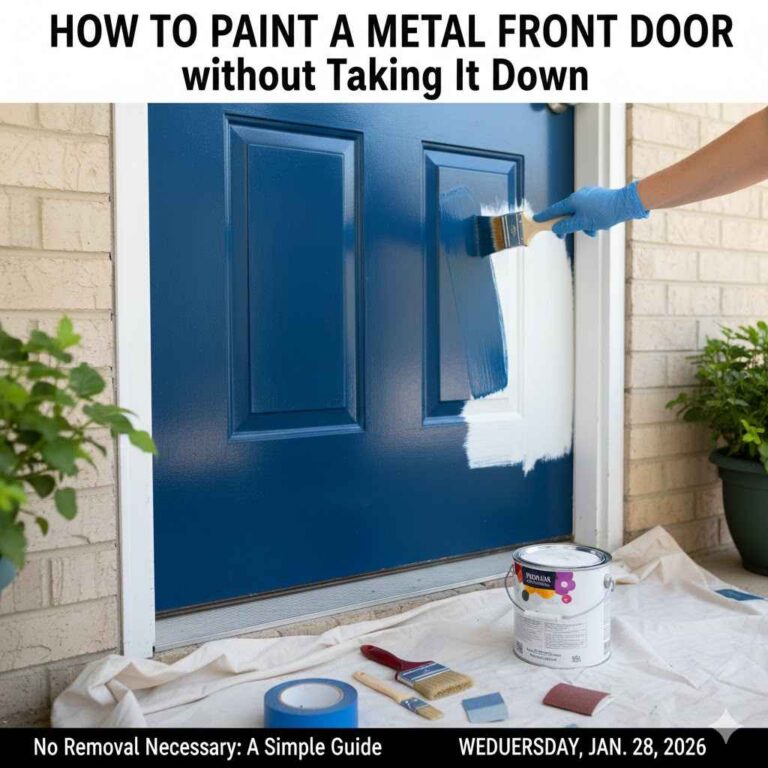
Next, apply the primer. Use a brush, roller, or sprayer. Make sure to cover the entire surface evenly.
Let the primer dry according to the product directions. Then, apply your first coat of paint. Again, work evenly.
Let it dry fully. Apply a second coat of paint. This ensures full coverage and the best protection.
Most projects need two coats for a solid finish.
Can You Spray Fiber Cement Siding?
Yes, you can spray fiber cement siding. Spraying is often the quickest way to paint. It gives a smooth, even finish.
You’ll need to use a paint sprayer designed for exterior projects. Make sure to use the correct tip size for the paint you are using.
When spraying, you must protect surrounding areas. Cover windows, doors, and landscaping. You’ll need masking tape and plastic sheeting.
Work in thin, even coats. Overlap your spray passes slightly. This prevents streaks.
Spraying is efficient, but proper preparation is essential for a good outcome.
My Own Experience with a Fading Home
I remember visiting a friend’s house a few years ago. They had chosen a beautiful deep blue fiber cement siding for their home. It looked amazing when it was first installed.
But over about seven years, living in a sunny spot in Arizona, that blue had faded quite a bit. It looked almost purple in some areas.
They were so disappointed. They thought the siding would last forever without any issues. We chatted about it, and I explained that while the material itself is tough, the color can fade over time.
They decided to repaint. We picked a lighter gray color. The process involved a lot of cleaning and prep work.
But once they applied the new paint, their house looked brand new again. It really shows how painting can revive older siding.
Pre-Colored vs. Paintable: Key Differences
Pre-Colored:
- Color is part of the material.
- Scratches show the same color underneath.
- Good fade resistance.
- Painting is optional for color change or refresh.
Paintable (Primed):
- Needs a coat of paint.
- Offers full color customization.
- Paint quality affects lifespan.
- Regular maintenance is expected.
Maintenance for Longevity
Regardless of whether your siding is pre-colored or painted, good maintenance is key. Regular cleaning is the easiest way to keep it looking good. Wash your siding at least once a year.
Use mild soap and water. Rinse thoroughly.
Check for any damage. Small cracks or chips can allow moisture to get in. If you find any, repair them promptly.
For painted siding, keep an eye on the paint job. If you see peeling or fading, it might be time for a repaint. Proper care extends the life of your siding and your home’s curb appeal.
Fiber Cement Siding in Different Climates
The climate where you live impacts how your siding holds up. In very wet areas, like the Pacific Northwest, moisture is a concern. Ensure good drainage around your home.
Fiber cement is water-resistant, but water trapped behind it can cause problems.
In hot, sunny regions, like the Southwest, UV rays are strong. This can cause paint to fade faster. It can also make materials brittle over time.
Choosing UV-resistant paint is important here. In cold climates with freeze-thaw cycles, siding expands and contracts more. This puts stress on the paint and siding itself.
When is Fiber Cement Siding a Good Choice?
- Durability: It lasts a long time.
- Low Maintenance: Easier to care for than wood.
- Pest Resistant: Termites and other bugs don’t eat it.
- Fireproof: Adds safety to your home.
- Variety: Many styles and looks available.
- Weather Tough: Handles rain, sun, and wind well.
What to Look For: Signs It Needs Attention
Even with the best materials, siding needs checking. Look closely at your fiber cement siding. Are there dull spots where the color seems washed out?
Is the paint chalking? This means it’s rubbing off easily when you touch it. That’s a sign the paint is breaking down.
Do you see any hairline cracks? These can appear over time. Small chips or dents are also things to note.
If your siding has been up for 10-15 years, it’s a good time to inspect it closely. Early detection of issues makes repairs simpler and cheaper.
The Cost of Painting vs. Replacing
Painting fiber cement siding is much cheaper than replacing it. Replacing siding can cost thousands of dollars. Painting, while an investment, is a fraction of that cost.
It’s a way to refresh your home’s look without a major renovation.
The cost of painting depends on the size of your home. It also depends on whether you hire professionals or do it yourself. Professional painters will charge for labor and materials.
Doing it yourself saves on labor but requires your time and effort. Either way, it’s a smart investment in your home’s value and appearance.
Painting Fiber Cement Siding: Myth vs. Reality
Myth: Once painted, fiber cement siding will peel like old wood.
Reality: With proper prep, primer, and the right paint, fiber cement siding is very resistant to peeling. The material itself is stable and doesn’t expand or contract as much as wood.
Myth: You can use any exterior paint.
Reality: You must use a high-quality acrylic latex exterior paint. This is crucial for flexibility and adhesion to the fiber cement surface.
Myth: Pre-colored siding never needs repainting.
Reality: While very durable, pre-colored siding can fade over time due to sun exposure. Painting is an option to refresh the color or change it.
DIY Painting: What You Need to Know
If you plan to paint your fiber cement siding yourself, plan carefully. Gather all your supplies. This includes primer, paint, brushes, rollers, extension poles, drop cloths, and cleaning supplies.
Safety is also a big factor. You might be working on ladders. Consider a safety harness if you’re working at heights.
Read all product labels carefully. Follow the manufacturer’s instructions for drying times and application methods. Take your time.
Rushing can lead to mistakes. It’s better to do it right the first time. Watch videos online for tips on painting siding.
Many resources can help you get a professional-looking finish.
When to Call the Professionals
Sometimes, hiring professionals is the best choice. If your home is very large or has many stories, it can be dangerous to paint yourself. Professionals have the right equipment and experience.
They know how to handle heights safely. They also have access to commercial-grade paints and tools.
If you have little painting experience, a pro can ensure a better result. They can also finish the job much faster than you could. Get quotes from a few different painting companies.
Ask for references. Ensure they have experience with fiber cement siding. A professional job will look great and last a long time.
Quick Checklist for Painting Fiber Cement Siding
- Clean Thoroughly: Remove all dirt, chalk, and mildew.
- Repair Damage: Fix any cracks or chips.
- Prime Correctly: Use a high-quality exterior primer.
- Choose the Right Paint: Use 100% acrylic latex exterior paint.
- Apply Even Coats: Two coats of paint are usually needed.
- Proper Drying: Allow adequate drying time between coats.
- Safety First: Use ladders and safety gear carefully.
My Own Home’s Siding Story
When we bought our current home, the fiber cement siding was a very light beige. It was in good condition but looked a bit dated. The house was built in the early 2000s.
The siding was likely original. We debated painting it right away. But we decided to live with it for a year first.
During that year, we noticed a few areas where the paint looked a little faded. Especially on the south-facing wall. It wasn’t drastic, but it was there.
We also saw some slight chalking. That’s when we decided it was time for a change. We chose a warm gray color that really updated the house’s look.
The prep work was the most time-consuming part. But the final result made the effort totally worth it. It made our house feel brand new again.
Understanding Warranties
Many fiber cement siding manufacturers offer warranties. These warranties cover defects in the material. Some also cover the factory-applied finish.
It’s important to understand what your warranty covers. It might have specific requirements for maintenance.
If you paint your siding, check if this affects the warranty. Some manufacturers may void the warranty if you use the wrong type of paint. Or if the paint job is done improperly.
Always read the warranty details. Keeping records of when you painted and what products you used can be helpful.
The Environmental Impact
Fiber cement siding is often considered an eco-friendly choice. The materials used are abundant. The manufacturing process is generally efficient.
When painted with low-VOC (volatile organic compound) paints, it can have a lower environmental impact.
Choosing to repaint rather than replace siding also has environmental benefits. It reduces waste going to landfills. It also conserves the resources needed to manufacture new siding.
Extending the life of your existing siding is a good step for the planet.
Comparing Siding Materials: Fiber Cement vs. Others
Fiber Cement:
- Pros: Durable, fire-resistant, pest-proof, low maintenance.
- Cons: Can be heavy, requires specific painting techniques.
Vinyl Siding:
- Pros: Affordable, easy to install, low maintenance.
- Cons: Can fade, susceptible to damage from hail or impact, less upscale appearance.
Wood Siding:
- Pros: Natural beauty, good insulator.
- Cons: High maintenance, prone to rot and pests, requires frequent painting.
What This Means for Your Home
Knowing whether your fiber cement siding needs painting helps you plan. If it’s pre-colored and looks good, you might not need to do anything for years. Enjoy the low maintenance.
If it’s paintable, you have a great opportunity to customize your home’s look. Or to refresh it when it starts to look tired.
The main takeaway is that fiber cement is a long-lasting material. But like any exterior finish, it can benefit from care. Understanding its needs ensures your home looks its best and stays protected.
When is it Normal for Color to Change?
It’s normal for the color of any exterior material to change slightly over time. Sun exposure is the biggest factor. UV rays break down the binders in paint.
They can also affect the pigments. This causes fading. Rain and dirt can also make the surface appear duller.
For pre-colored siding, minor fading over 10-15 years is typical. It’s not a sign of failure. It’s just the material responding to its environment.
For painted siding, significant fading or chalking within 5-7 years might suggest an issue with the paint or application. Always compare different sides of your house. One side might get more direct sun.
When Should You Worry?
You should worry if you see significant peeling or cracking of the paint. This suggests the paint is not adhering well. It could be due to moisture problems or improper prep work.
Also, watch for deep cracks in the siding itself. These can allow water to get behind the material.
If you notice mold or mildew growth that won’t wash off, that’s a concern. It might indicate moisture is trapped. Any signs of rot or degradation in the material mean you should get it checked.
These issues go beyond just a cosmetic repaint.
Simple Checks You Can Do
Periodically, walk around your house. Look up at the siding. Use binoculars if needed.
Check for any obvious signs of wear. Run your hand over a painted section. Does paint come off on your hand?
That’s chalking. Gently tap the siding. Does it sound hollow or soft anywhere?
Check where the siding meets windows and doors. Are the seals intact? Or are they cracked and dry?
These small checks can help you catch problems early. They help you decide if it’s time for maintenance or a fresh paint job.
Quick Fixes and Maintenance Tips
For minor chips or scratches on pre-colored siding, some touch-up paint might be available. Check with the manufacturer. For painted siding, small touch-ups can be done with the original paint color.
Always clean the area first.
Regular washing is the best preventative maintenance. It removes dirt and grime that can dull the finish. It also helps you spot potential issues early.
If you live near trees, trim branches away from your house. This reduces the risk of physical damage and prevents mildew growth from constant shade.
Frequently Asked Questions
Do I need to prime fiber cement siding before painting?
Yes, it is highly recommended to prime fiber cement siding before painting. A high-quality exterior acrylic latex primer will ensure proper adhesion of the paint and a more durable finish. Manufacturers often specify this step.
How often does fiber cement siding need to be painted?
If your siding is pre-colored, it may not need painting for 10-20 years, if ever, depending on fading. If it’s paintable (primed), it typically needs repainting every 10-15 years, but this can vary based on paint quality, climate, and sun exposure.
Can I paint over pre-colored fiber cement siding?
Yes, you can paint over pre-colored fiber cement siding. You will need to clean it thoroughly and apply a suitable primer designed for fiber cement before applying your chosen exterior paint. This allows you to change the color or refresh the appearance.
What is the best paint for fiber cement siding?
The best paint for fiber cement siding is a high-quality 100% acrylic latex exterior paint. These paints offer good flexibility, durability, and resistance to chalking and fading. Always check the paint manufacturer’s recommendations for suitability.
How do I clean fiber cement siding before painting?
Before painting, clean your fiber cement siding thoroughly with a solution of mild detergent and water. You can use a soft brush or a pressure washer on a low setting. Rinse the siding completely and allow it to dry fully for at least 24-48 hours before priming.
Will painting my fiber cement siding void its warranty?
This depends on the manufacturer and their warranty terms. Most manufacturers allow painting with specific types of paint and proper preparation. However, using the wrong products or incorrect application methods could void the warranty.
Always check your siding’s warranty documentation.
Final Thoughts on Painting Your Siding
Fiber cement siding is a smart investment for your home. Whether pre-colored or paintable, it offers lasting beauty and protection. Understanding its needs, like occasional cleaning or repainting, helps you maintain its appearance.
It also ensures it continues to protect your home for years to come. You’ve got this!
Sponsored / affiliate links. As an Amazon Associate I earn from qualifying purchases. I may earn additional commission from eligible campaigns.