How Long Does Paint Last On Aluminum Siding? Find Out
It’s a question many homeowners ponder: how long does paint last on aluminum siding? You’ve likely seen homes with vibrant, fresh-looking siding and others where the paint looks faded and chalky. It’s not just about looks, though. The paint on your aluminum siding does more than make your house pretty.
It also protects the metal underneath from rust and damage. Understanding its lifespan helps you plan for maintenance and avoid bigger problems down the road.
The typical lifespan for quality paint on aluminum siding in the US is about 5 to 10 years. This can vary greatly based on paint quality, application, and environmental conditions. Proper preparation and maintenance are key to extending this duration.
Understanding Paint Longevity on Aluminum Siding
Paint on aluminum siding acts as a shield. It keeps the elements at bay. Think of rain, sun, wind, and even tiny bits of dirt and pollution. These things constantly try to wear down the siding. The paint is the first line of defense. When it’s in good shape, it keeps the aluminum underneath looking good and staying strong.
The type of paint used makes a big difference. High-quality exterior paints made for metal are designed to be tough. They need to stick well to aluminum. They also need to flex a bit when the metal expands and contracts with temperature changes. Cheaper paints might crack or peel much sooner. This lets water get underneath. That’s never good for any siding.
The way the paint is applied is also super important. A professional job with the right primers and multiple coats will last longer. A rushed job or DIY attempt that misses crucial steps might fail quickly. We’ll touch on those steps later.
Finally, where your house sits plays a huge role. A home in a sunny desert might have paint fade faster from the strong UV rays. A home near the coast could see paint wear down from salty air. A house in a very humid area might deal with mold and mildew more often. All these things test the paint’s endurance.
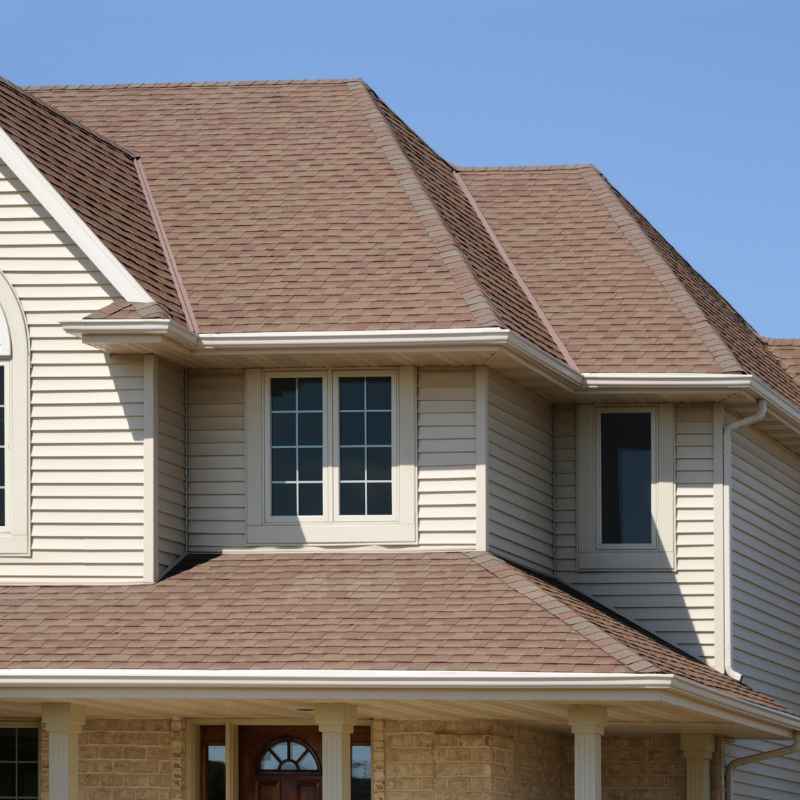
My Own Siding Saga: When Paint Fails
I remember a few years back, I was helping my parents with their old house. They’d lived there for decades. The aluminum siding was original, and so was the paint. It had seen better days, to say the least. It was a light beige color when new, but now it looked dull and splotchy. There were dark streaks running down from the edges of the windows. Some spots looked almost powdery.
My dad had always been a “if it’s not broken, don’t fix it” kind of guy. But I could see the metal underneath in a few places where the paint had completely chipped off. It wasn’t rusty yet, thankfully, but I worried. I felt a pang of anxiety because I knew that neglected siding could lead to bigger, more expensive issues like water damage or structural problems.
One weekend, I spent hours scrubbing at those dark streaks. It felt like I was taking off layers of grime. But under some of the streaks, the paint was peeling. It was a wake-up call. We realized that paint on aluminum siding doesn’t last forever. We needed to figure out what caused it to fail so we could prevent it on other houses. It’s a lesson learned through a bit of elbow grease and a lot of worry.
Key Factors Affecting Paint Life
Several things impact how long paint stays on your aluminum siding:
- Paint Quality: Premium paints with good adhesion and flexibility last longer.
- Surface Preparation: Thorough cleaning and priming are crucial.
- Climate: Harsh sun, rain, snow, and salt air wear paint down faster.
- Color Choice: Darker colors absorb more heat, which can stress the paint.
- Application: Proper techniques and number of coats matter.
- Maintenance: Regular cleaning helps preserve the paint’s integrity.
The Science Behind Siding Paint
Aluminum siding itself is quite durable. It doesn’t rust like steel. But it can corrode. Paint provides a barrier against moisture and chemicals. This stops corrosion. It also keeps UV rays from breaking down the aluminum’s protective oxide layer.
Most exterior paints used on aluminum siding are acrylic-based. Acrylic paints are known for their flexibility. This is important because aluminum expands and shrinks with temperature changes. A flexible paint can move with the metal. This prevents cracking. Good paints also contain pigments that resist fading from sunlight.
Primer is like the foundation for your paint job. It helps the topcoat stick to the aluminum surface. It also seals the metal. This prevents moisture from reaching it. Without a good primer, the paint might start peeling or blistering. This is because the paint doesn’t have a strong bond.
The topcoat provides the color and the main protection. High-quality exterior paints have binders that form a strong film. They also have additives. These additives can help resist mildew, chalking, and fading. Chalking is when the paint binder breaks down. It leaves a powdery residue on the surface.
Real-World Scenarios: Where Does Paint Wear Out?
The lifespan of paint on aluminum siding isn’t uniform across the entire house. Certain areas tend to show wear and tear much faster. Understanding these spots can help you keep an eye on your siding’s condition.
Think about the side of your house that faces the most direct sun. In the U.S., this is often the west or south side. The constant exposure to UV rays is like a slow-cooking process for paint. It can cause fading. It can also make the paint brittle over time. This leads to cracking and peeling.
Areas around windows and doors can also be trouble spots. These areas see more action. They are touched more often. They might get more rain splash. The seals around windows can fail, allowing moisture to seep behind the siding. This moisture can lift the paint.
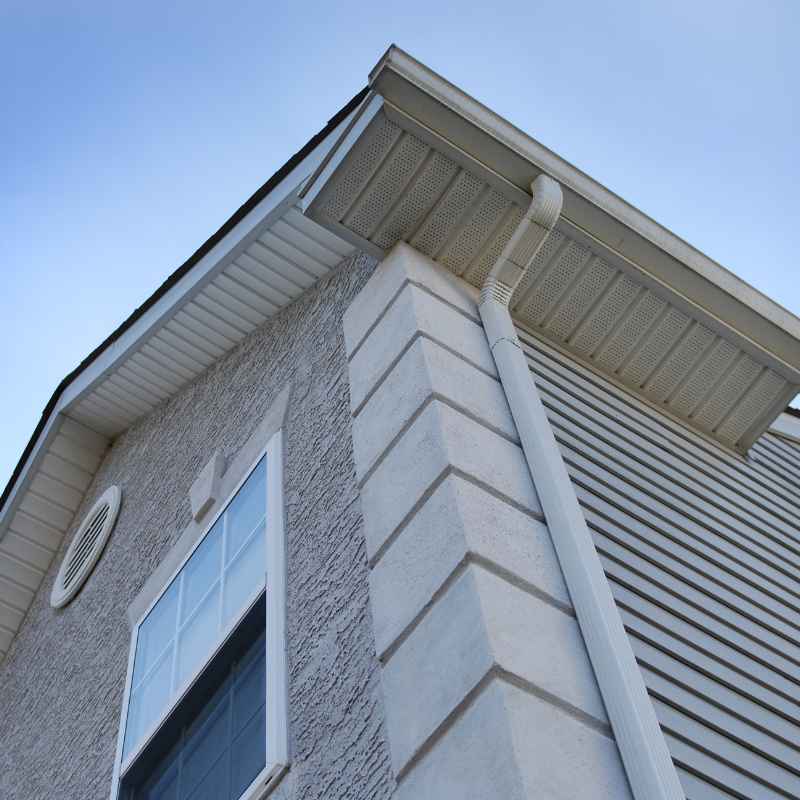
Eaves and soffits are often shaded. This might seem like a good thing. But they can trap moisture. This can lead to mildew growth. Mildew is a fungus that can discolor and damage paint. It can also weaken the paint’s bond to the surface.
Down near the ground, especially on the north side of a house, can be a damp place. Plants can grow close to the siding. This traps moisture. It can also cause abrasion. This all wears down the paint faster.
A Contrast in Siding Wear
Myth vs. Reality: Siding Paint
Myth: All paint is the same.
Reality: Different paint formulations offer vastly different levels of durability, flexibility, and UV resistance.
Myth: Once painted, siding is protected forever.
Reality: Paint is a protective coating that needs regular inspection and maintenance to perform optimally.
Myth: Faded paint means the siding is ruined.
Reality: Fading is often a cosmetic issue. The underlying aluminum may still be protected. Repainting can restore its look and function.
Myth: Any color will last the same amount of time.
Reality: Darker colors absorb more heat, which can accelerate paint degradation compared to lighter shades.
What Your Siding Paint Says About Your Home
The condition of your aluminum siding paint can tell you a lot. It’s not just about curb appeal. It’s also about the health of your home’s exterior. When paint starts to look worn, it’s a signal. It means something needs attention.
If you see chalking, it means the paint’s binder is breaking down. The color might look dull. This is a sign that the protective layer is weakening. While it might still be protecting the aluminum from major damage, it’s on its way out. This is a good time to consider repainting.
Peeling or blistering paint is a more serious issue. This often means moisture has gotten behind the paint. Or, the paint never bonded properly to the surface. Blisters can pop. This leaves bare spots. Peeling paint looks bad. It also exposes the aluminum to the elements. This can lead to corrosion.
Fading is common, especially on darker colors or homes that get a lot of sun. While not as urgent as peeling, it means the UV protection in the paint is diminishing. The color won’t look as vibrant. It’s a visual cue that the paint has served its time and might need refreshing.
Cracking can happen due to extreme temperature swings or if the paint lost its flexibility. Small hairline cracks might not be an immediate threat. But they can let moisture in. Larger cracks mean the paint is failing and needs to be addressed.
Quick Checks You Can Do at Home
You don’t need to be a painting expert to check your siding. A simple walk-around can tell you a lot. Look at your siding closely. Run your hand over a few spots.
First, notice the color. Is it still even? Or are there dark streaks from rain? Are some panels noticeably lighter than others? This might be fading.
Next, look for any signs of damage. Do you see any bubbles or blisters? Are there any pieces of paint flaking off? Gently try to scratch a tiny spot with your fingernail. If paint comes off easily, it’s a sign of poor adhesion.
Feel the surface. Does it feel chalky or powdery when you wipe it? This chalking means the paint is breaking down. It’s a sign that it’s time to think about repainting.
Check around windows, doors, and vents. These areas often show wear first. Look for gaps where paint might have pulled away from the trim.
And finally, look at the bottom of your siding, near the ground. This area can be prone to moisture and dirt. See if the paint looks different or is peeling there.
The Lifespan Breakdown: A Quick Scan
Siding Paint Life Expectancy Table
| Factor | Typical Impact on Paint Life | Why it Matters |
|---|---|---|
| Paint Quality | Shortened by low-quality paint. Extended by premium paint. | Better adhesion, flexibility, and UV resistance. |
| Surface Prep | Severely shortened by poor prep. Extended by thorough prep. | Ensures paint bonds correctly to the aluminum. |
| Climate Exposure | Reduced lifespan in harsh sun, high humidity, or salt air. | Elements break down paint binders and pigments faster. |
| Color | Dark colors may fade or degrade faster than light colors. | Heat absorption from dark colors can stress paint. |
| Maintenance | Shortened by neglect. Extended by regular cleaning. | Removes contaminants that etch or damage paint. |
The Role of Environment and Habits
The place where your house is located has a big say in how long the paint lasts. Living in a region with intense sunshine means your paint will face more UV radiation. This radiation breaks down the paint’s chemical bonds. It makes it fade and become brittle.
Homes in coastal areas often deal with salty air. Salt can be corrosive. It can eat away at protective coatings. It might also cause the paint to blister.
If you live in an area with lots of rain or high humidity, your siding paint might face more challenges. Constant moisture can lead to mold and mildew growth. These can stain and damage paint. They can also weaken the paint’s bond.
Your own habits matter too. How often do you clean your house? Regular washing removes dirt, pollen, and other grime. This prevents them from sitting on the paint and causing damage. If you have trees or bushes growing very close to your siding, their shade might keep that area damp. Their branches might also rub against the paint. This causes abrasion.
Extending the Life of Your Siding Paint
The good news is that you can do things to help your aluminum siding paint last longer. It’s not just about waiting for the inevitable.
One of the best things you can do is regular cleaning. A gentle wash once or twice a year can make a huge difference. Use a soft brush or cloth. Use a mild detergent mixed with water. Rinse thoroughly. This removes dirt and grime before it can damage the paint.
Avoid using harsh chemicals or abrasive cleaners. These can strip away the paint. They can also scratch the surface. Pressure washers can be too strong for painted siding. They can force water under the edges. They can also blast away paint. Use them with extreme caution, and at a very low setting.
Keep your gutters clean. Overflowing gutters can cause water to run down the side of your house. This can saturate the siding. It can lead to paint damage and even water stains.
Trim back trees and shrubs. Make sure they aren’t constantly touching your siding. This prevents abrasion and allows the siding to dry out. It also helps improve air circulation.
When to Worry: Signs It’s Time for a Change
While fading and chalking are signs of wear, there are more urgent signals. If you see any of these, it’s time to seriously consider repainting or repairing.
Red Flags for Your Siding Paint
- Extensive Peeling or Blistering: This shows a failure of the paint’s adhesion. It indicates moisture is present.
- Deep Cracks: Large cracks mean the paint is no longer flexible. They allow significant water entry.
- Visible Corrosion: If you see white powdery spots (oxidation) or any signs of rust-like discoloration on the aluminum itself, the paint has failed.
- Mold or Mildew Stains That Won’t Wash Off: Persistent stains suggest the paint surface is porous or damaged, allowing organic growth.
- Loose or Damaged Siding Panels: Paint failure can sometimes lead to siding panels becoming loose or warped, indicating a more significant issue.
If the aluminum itself starts to look dull or chalky, that’s a direct sign the protective paint layer has given up. This is when you risk the aluminum corroding. Corrosion can weaken the siding. It can lead to more costly repairs.
Repainting Aluminum Siding: A Quick Look
Repainting aluminum siding is a project that can significantly extend its life. It involves more than just slapping on a new coat of paint. Proper preparation is key.
First, the old paint must be cleaned thoroughly. Any loose or peeling paint needs to be scraped off. Then, the surface should be washed. A good detergent should be used. Rinsing is essential.
Next comes priming. A high-quality acrylic exterior primer designed for metal is crucial. It helps the new paint adhere. It also provides an extra layer of protection.
Then, apply two coats of a high-quality exterior acrylic paint. These paints are formulated for metal. They offer good flexibility and durability. Using a paint specifically made for aluminum siding is best.
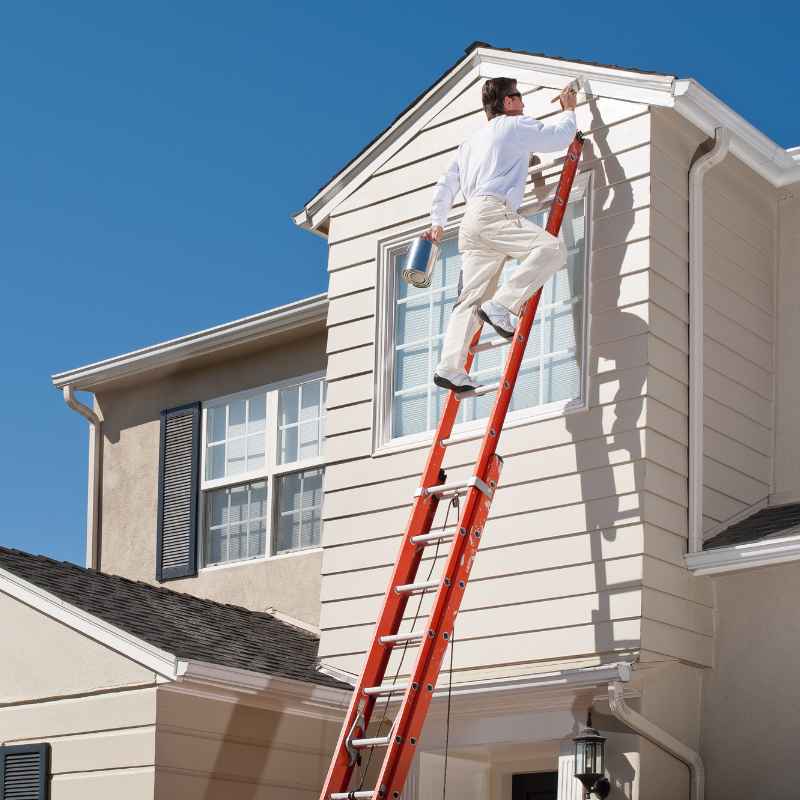
While it’s a DIY-friendly job for some, many people choose to hire a professional. They ensure the job is done right. They have the right tools and experience. They can assess the siding’s condition and recommend the best approach.
Frequently Asked Questions About Siding Paint
How often should aluminum siding be repainted?
Aluminum siding typically needs repainting every 5 to 10 years. This depends on the paint quality, climate, and maintenance. Some high-quality jobs may last longer, while harsh conditions can shorten the lifespan.
Can I paint over old, chalky paint?
Yes, but it’s not ideal. You must clean off the chalking completely. Then, use a special primer for chalky surfaces.
A high-quality acrylic topcoat is also recommended. It’s best to remove as much chalk as possible for the best adhesion.
What’s the best type of paint for aluminum siding?
High-quality 100% acrylic exterior latex paint is generally the best choice. Look for paints specifically designed for metal siding. They offer good flexibility, durability, and resistance to chalking and fading.
Does the color of the paint affect how long it lasts?
Yes, color can affect paint longevity. Darker colors absorb more heat from the sun. This can cause the paint to expand and contract more, leading to premature wear.
Lighter colors often last longer due to less heat absorption.
How do I clean my aluminum siding without damaging the paint?
Use a soft brush or cloth with a mild detergent and water solution. Rinse thoroughly. Avoid abrasive cleaners or high-pressure washers, as these can damage the paint or force water underneath the siding.
Is it worth repainting old aluminum siding?
Repainting can be very much worth it! It can save you money by preventing more costly repairs like siding replacement. It also greatly improves your home’s appearance and protects the underlying metal.
However, if the siding is severely damaged, replacement might be the better option.
Conclusion: Keeping Your Home Looking Great
So, to wrap things up, how long does paint last on aluminum siding? Generally, expect about 5 to 10 years for a good paint job. But this is not a fixed rule. It’s a guideline. Many factors come into play, from the sun beating down to the type of paint you chose.
Paying attention to your siding is smart. Regular cleaning and watching for those warning signs can help you catch problems early. This can save you a lot of money and hassle. Whether you decide to tackle a repaint yourself or hire a pro, a fresh coat of paint can make your home look new again. It also adds a valuable layer of protection. Your aluminum siding will thank you for it.
Sponsored / affiliate links. As an Amazon Associate I earn from qualifying purchases. I may earn additional commission from eligible campaigns.