How To Clean A Paint Roller With Dried Paint (Easy Fix)
Cleaning a paint roller with dried paint is possible with the right techniques. This guide shows you simple, effective methods to remove hardened paint, making your rollers usable again. You’ll save money and be ready for your next DIY task.
Understanding Dried Paint on Rollers
Dried paint on a roller can seem like a permanent problem. Paint hardens when it’s exposed to air. This happens quickly once you’re done painting. The longer it sits, the tougher the paint becomes. Different paint types behave differently. Latex paint is usually easier to clean than oil-based paint.
The key is to rehydrate the dried paint. This loosens its grip on the roller fibers. You’re not trying to magically make the paint disappear. You’re softening it so it can be washed away. Think of it like soaking a tough stain.
Why Paint Dries on Rollers
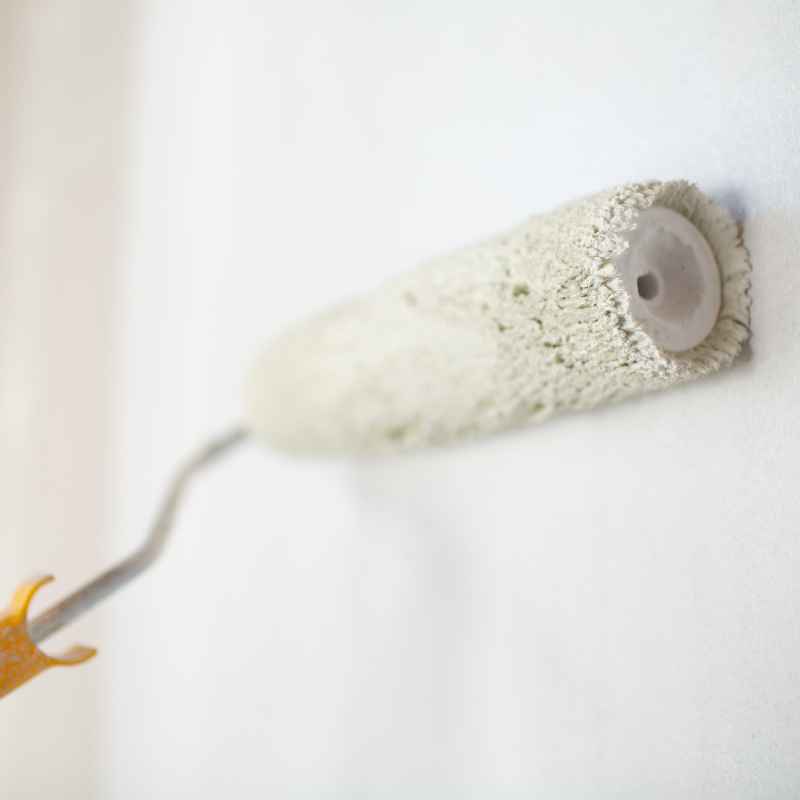
When you paint, you dip the roller into the paint tray. This covers the roller cover with a wet film. As you roll on the wall, some paint stays in the cover. When you stop painting, this paint is still wet. If you leave the roller like this, the air hits it. The water in latex paint evaporates. The oil in oil-based paint also dries out.
This leaves behind the solid colorants and binders. These stick to the fuzzy fibers of the roller. They become a hard shell. This shell makes the roller stiff and unusable. It can’t pick up new paint well. It might even leave streaks.
How Dried Paint Affects Your Roller
A roller with dried paint becomes rough. The fibers get stiff and clumped. This means it won’t apply paint smoothly. You might see drips or uneven coverage. It can also be hard to get into tight spots. The roller won’t conform to the surface as well.
Worse, dried paint can leave behind tiny particles. These can get into your new paint job. This means extra work to fix it. It’s like finding little bits of old color in your fresh white paint. Nobody wants that!
My Own Roller Revival Story
I remember one time, I was painting my son’s bedroom. It was late. I was tired. I finished the last coat and was so relieved. I just put the roller down. I meant to clean it right away. But then the phone rang. It was a friend needing help. Next thing I knew, it was morning.
I went back to my painting supplies. My roller looked like a fuzzy brick. The paint was completely dry. It was a bright blue, and it was rock solid. I thought, “Oh no, I’ll have to buy a new one.” I hated wasting supplies. I looked at it, feeling a bit defeated. But then I thought, “Maybe I can save it.” I grabbed some warm water and soap. It didn’t do much at first. Then I remembered a tip about soaking. I let it sit for a while. Slowly, bits of paint started to peel off. It took time. But eventually, I got most of it off. It wasn’t perfect, but it was usable again! That day taught me a lot.
Essential Tools for Cleaning
Before you start, gather what you need. Having everything ready makes the job much easier. You don’t want to stop halfway to search for a tool.
Tools You’ll Need
Here’s a simple list:
- Warm water: The key to softening paint.
- Dish soap or detergent: Helps break down paint.
- A sturdy brush: For scrubbing. An old toothbrush works for small areas.
- A putty knife or scraper: For gently lifting thick paint.
- Gloves: To protect your hands.
- A bucket or sink: For soaking and rinsing.
- Optional: Paint thinner or mineral spirits (for oil-based paints). Always use these in a well-ventilated area.
Methods for Different Paint Types
The best way to clean depends on the paint you used. Latex and water-based paints are generally easier. Oil-based paints need stronger solvents.
Cleaning Latex Paint
Latex paint is water-based. This makes it simpler to remove. The main goal is to rehydrate it.
Step-by-Step for Latex Paint
Follow these steps:
- Initial Scrape: Use a putty knife to gently scrape off any loose, thick chunks of dried paint. Don’t press too hard. You don’t want to damage the roller fibers.
- Soak in Warm Water: Fill a bucket or sink with warm water. Add a good squirt of dish soap. Submerge the roller completely. Let it soak for at least 30 minutes. For very dry paint, you might need to soak it longer, even a few hours.
- Scrub Gently: After soaking, use a stiff brush. Work the brush into the roller fibers. Gently scrub away the softened paint. Rinse the roller under running water frequently. This washes away loosened paint.
- Repeat if Needed: If paint remains, repeat the soaking and scrubbing steps. Sometimes, a second or third soak is necessary. Be patient.
- Final Rinse and Dry: Once most paint is gone, give the roller a thorough rinse. Squeeze out excess water. Let it air dry completely. Hang it up or lay it flat.
Cleaning Oil-Based Paint
Oil-based paints are tougher. They require solvents to break them down. Always work in a well-ventilated area when using these.
Method for Oil-Based Paint
This needs careful handling:
- Ventilation is Key: Open windows and doors. Work where fresh air can circulate freely.
- Protective Gear: Wear chemical-resistant gloves.
- Scrape First: Like with latex, scrape off any thick, loose bits of paint.
- Use a Solvent: Pour some paint thinner or mineral spirits into a metal container. Do not use plastic, as solvents can degrade it.
- Soak and Agitate: Submerge the roller in the solvent. Let it sit for about 10-15 minutes. Then, use a brush to agitate the paint. Work it into the fibers.
- Rinse with Solvent: Rinse the roller with more solvent. You can do this by dunking it in a separate container or by running solvent through it.
- Wash with Soap and Water: After most of the oil paint is removed by the solvent, wash the roller with warm, soapy water. This removes any remaining solvent and paint residue.
- Final Rinse and Dry: Rinse thoroughly with plain water. Squeeze out excess water. Let it air dry completely.
Advanced Techniques and Tips
Sometimes, standard methods need a little extra help. Here are some tricks that can make a difference.
The “Rolling Out” Trick
This is a great way to start removing paint before any soaking. It works best if the paint is not completely rock hard.
How to Roll Out Paint
Try this for fresh or slightly dried paint:
- Get a Clean Surface: Use a piece of cardboard or an old newspaper.
- Roll Vigorously: Press the roller onto the surface. Roll it back and forth. The goal is to press out as much paint as possible.
- Watch it Come Off: You’ll see paint transfer from the roller to the cardboard. Keep rolling until little or no paint comes off.
- Then Wash: After this, proceed with your regular washing steps. This step helps remove the bulk of the paint first.
Using a Roller Cage Cleaner
These tools are designed to help. They often use water pressure.
Roller Cage Cleaner Explained
What it is and how it helps:
- What it is: A metal cage that fits onto your roller handle. It has a frame that holds the roller.
- How it works: You connect a hose to it. When you turn on the water, it sprays the roller. The cage spins the roller. This action combined with water pressure helps blast away paint.
- Best for: This works best for latex paints. It is very effective when the paint isn’t completely dried hard.
When to Consider Replacing
There are times when cleaning isn’t worth the effort. Or when the damage is too great.
Signs It’s Time to Replace
Know when to let go:
- Severely Damaged Fibers: If the roller fibers are matted, torn, or balled up beyond repair.
- Stubborn, Deep Stains: If paint has seeped into the core of the roller and won’t budge.
- Oil Paint Residue: If you used harsh solvents and the roller still feels gummy or degraded.
- Cost vs. Benefit: If a new roller costs very little and cleaning takes too long. Your time has value too!
Real-World Scenarios
Let’s think about where and when this happens. It’s usually in a home setting.
The Garage Project Mishap
You’re painting the garage. You get interrupted by a phone call. You leave the roller leaning against a can. Hours later, you come back. The paint is dry. It’s likely a sturdy enamel. This will be a tougher clean. You’ll need that solvent. You might find yourself wishing you had cleaned it right away. This is a common mistake. People underestimate how fast paint dries.
The Weekend Warrior’s Dilemma
Someone is painting a weekend project. Maybe a dresser or a fence. They finish on Sunday. They plan to clean the roller Monday. But Monday gets busy. By Tuesday, the roller is a solid block. They might have used a specific color. They might want to reuse the roller for touch-ups. This is where cleaning becomes important. They need to know the best method for the paint used.
Design and Material Factors
The type of roller cover matters. A cheap, thin cover might just fall apart when you try to clean it. High-density covers with more naps can hold more paint. They also require more effort to clean. The plastic core inside the roller can also get damaged by solvents. Always check the material.
What This Means for You
Knowing how to clean a roller can save you money. It also means you’re ready for your next painting task faster. You don’t need to run to the store for a new one.
When Cleaning is Normal
Cleaning is expected for most latex paints. If you clean it soon after use, it’s usually quite easy. A quick rinse and scrub will do. Even if it sits for a few hours, it’s often salvageable.
When to Worry
Don’t worry too much if a bit of paint remains. A slight discoloration won’t affect your next paint job. Worry if the roller is stiff. Or if the fibers are clumpy and won’t smooth out. This means it won’t apply paint evenly. Also, worry if you used oil-based paint and the cleaning is difficult. It might be time to let that one go.
Simple Checks
After cleaning, give the roller a good squeeze. It should feel somewhat pliable. Roll it in your hand. The fibers should move freely. They shouldn’t feel stiff or sticky. If it feels rough or uneven, it might not be perfect. But it could still be okay for a less critical job.
Quick Tips for Easier Cleaning
Prevention is always better than cure. But when cleaning is needed, these tips help.
Clean Promptly
The best tip is to clean the roller as soon as you finish. Don’t wait. Even a quick rinse can make a big difference.
Use a Roller Spinner
A roller spinner is a fantastic tool. It attaches to your drill. You put the roller in it. The drill spins the roller fast. It throws off excess paint and water. It speeds up drying too.
Store Properly After Cleaning
Once clean, squeeze out as much water as possible. Hang the roller to dry. This prevents mold and keeps the fibers in shape. Don’t leave it flat where it can flatten on one side.
Frequently Asked Questions
Here are some common questions people have.
Can I really clean a roller that has been dry for days?
Yes, it’s often possible. The longer the paint sits, the harder it is. But with soaking and patience, you can usually remove most dried latex paint. Oil-based paint is much harder and may not be salvageable after several days.
What’s the easiest way to clean paint rollers?
The easiest way is to clean them immediately after use. For latex paint, a quick rinse under warm water followed by a gentle scrub with soap works well. If the paint is already dry, longer soaking is needed.
Will cleaning a roller damage the fibers?
Aggressive scrubbing or using harsh solvents improperly can damage fibers. Always be gentle. For oil-based paints, use solvents as directed and rinse thoroughly afterward. If the fibers become matted or torn, the roller is likely ruined.
Can I reuse a roller with a little bit of dried paint left on it?
Yes, if the roller is mostly clean and the remaining paint is minimal. A little bit of residue might not affect your next paint job. However, if the roller is stiff or uneven, it’s best to replace it.
Is it better to buy new rollers or clean old ones?
It depends on the cost of new rollers and the time it takes to clean. Cheap rollers are often not worth the effort to clean. More expensive, higher-quality rollers are usually worth cleaning and reusing.
What should I do if my roller has dried oil-based paint?
For dried oil-based paint, you’ll need paint thinner or mineral spirits. Work in a well-ventilated area. Soak the roller, then scrub gently. Follow up with soap and water. Be aware that this can be a difficult process.
Conclusion
Don’t despair if your paint roller has dried paint on it. With a bit of effort and the right approach, you can often save it. Understanding the type of paint and using patient techniques will help you clean it effectively. This saves you money and keeps you ready for your next creative project.
Sponsored / affiliate links. As an Amazon Associate I earn from qualifying purchases. I may earn additional commission from eligible campaigns.
 Foampro 2” Fine Finish Paint Roller Kit | 1 Plastic Paint Tray, 1 Roller Handle, 10 Foam Rollers | Mini Foam Roller Kit w/Roller Pan | Home Painting Supplies & Paint Tools, 162 (162KIT)
 Sponge Paint Roller Set Foam Painting Brushes Sponge Rollers Painters Handle Kit Small Roller for Kids DIY Art Supplies 4PCS Seal Paint for Kids Foam Painting Brushes