How Far Away from Upper Cabinets Should Recessed Lights Be?
Hey there! If you’re planning a kitchen remodel or just sprucing up your space, you’ve probably wondered about recessed lighting. Specifically, how far should those recessed lights be from your upper cabinets to get that perfect balance of function and style? I’ve spent a lot of time researching this, experimenting in my own home, and talking to experts to figure out what works best. Let me walk you through everything I’ve learned to help you make your kitchen both beautiful and practical. We’ll cover the ideal spacing, why it matters, and how to make your lighting pop—literally!
When I first tackled this question, I was overwhelmed by all the opinions out there. Some folks swore by exact measurements, while others just went with what “felt right.” After diving deep into the topic, I realized there’s a sweet spot that depends on a few key factors like cabinet height, ceiling height, and the vibe you’re going for in your kitchen. Let’s break it all down so you can confidently plan your lighting layout.
Why Recessed Lighting Placement Matters
Let’s start with the basics—why does it even matter where you place recessed lights in relation to your upper cabinets? Well, the placement of your lights can make or break the functionality and mood of your kitchen. If the lights are too close to the cabinets, you might end up with harsh shadows or uneven lighting on your countertops. Too far away, and you could lose the focused task lighting you need for chopping veggies or reading recipes.
I remember when I first installed recessed lights in my kitchen. I didn’t think much about placement and just followed a generic grid pattern. Big mistake! The lights were too close to the cabinets, casting weird shadows that made it hard to see what I was doing. After some tweaking, I learned that proper placement is about balancing aesthetics and practicality. You want your kitchen to feel bright, welcoming, and easy to work in.
Good lighting placement also enhances the look of your cabinets. If you’ve invested in gorgeous cabinetry, you want to show it off, not hide it in dim spots or glare. Plus, well-placed lights can make your kitchen feel bigger and more open, which is a win for any home.
General Guidelines for Recessed Light Placement
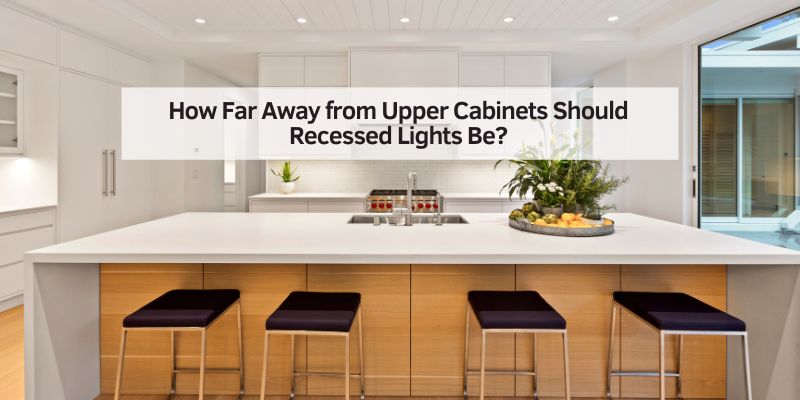
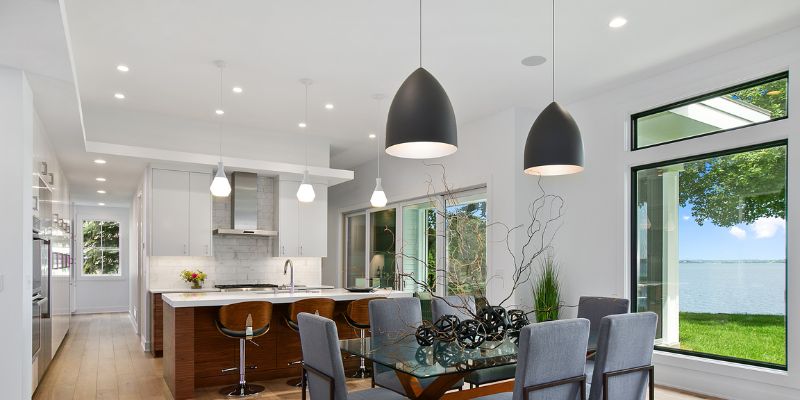
So, how far should recessed lights be from your upper cabinets? As a general rule, recessed lights should be placed 12 to 18 inches away from the face of the upper cabinets. This distance ensures that the light spreads evenly across your countertops without creating shadows or glare. But this isn’t a one-size-fits-all answer. The exact distance depends on a few factors, like the height of your ceilings, the size of your lights, and how you use your kitchen.
In my own kitchen, I have 8-foot ceilings, and I found that placing the lights about 15 inches from the cabinets worked perfectly. It gave me enough light for cooking and prepping while keeping the space cozy. If you have higher ceilings, like 9 or 10 feet, you might need to adjust the placement slightly to avoid losing light intensity.
Here’s a quick reference table to help you plan:
| Ceiling Height | Recommended Distance from Cabinets | Notes |
|---|---|---|
| 8 feet | 12–15 inches | Ideal for standard kitchens; provides focused task lighting. |
| 9 feet | 15–18 inches | Slightly farther to account for higher ceilings. |
| 10+ feet | 18–24 inches | Ensures light spreads evenly without losing intensity. |
This table is a starting point, but don’t be afraid to tweak it based on your specific setup. Let’s dive deeper into the factors that influence this decision.
Factors That Affect Recessed Light Placement
When I was planning my kitchen lighting, I realized there’s no universal formula. Every kitchen is unique, and several factors come into play when deciding where to place your recessed lights. Here’s what you need to think about:
Ceiling Height
The height of your ceiling is a big deal. In kitchens with standard 8-foot ceilings, you can usually stick with the 12–15-inch range. But if your ceilings are taller, like 9 or 10 feet, you’ll need to move the lights a bit farther from the cabinets to get good coverage. I learned this the hard way when I helped a friend with a 10-foot ceiling kitchen. We initially placed the lights too close, and the countertops ended up dimmer than we wanted.
For taller ceilings, aim for 18–24 inches from the cabinets. This ensures the light spreads out properly and doesn’t get “lost” in the extra height.
Cabinet Depth and Height
Upper cabinets typically have a depth of 12 inches, but some custom designs can be deeper, like 15 or 18 inches. The deeper the cabinets, the farther out you’ll want your lights to avoid shadows. In my kitchen, my cabinets are the standard 12 inches deep, so placing the lights about 15 inches out worked well.
Cabinet height also matters. Standard upper cabinets are 30–36 inches tall, but if yours are taller or extend all the way to the ceiling, you might need to adjust the light placement to ensure the countertops are well-lit. Taller cabinets can cast longer shadows, so experiment with moving the lights a bit farther out.
Light Beam Angle and Size
Recessed lights come in different sizes (usually 4, 5, or 6 inches in diameter) and beam angles (narrow, medium, or wide). The beam angle affects how the light spreads. A narrow beam (20–30 degrees) focuses light directly downward, which is great for task lighting but might require closer placement to the cabinets. A wider beam (40–60 degrees) spreads light over a larger area, so you can place the lights a bit farther out.
When I chose my recessed lights, I went with 6-inch lights with a medium beam angle. They gave me a nice balance of focused light for cooking and ambient light for the whole kitchen. If you’re unsure about beam angles, check the specs of your lights or ask your electrician for advice.
Kitchen Layout and Workflow
Think about how you use your kitchen. Are you a master chef who needs bright, focused light over the prep area? Or do you mostly use your kitchen for casual meals and snacks? Your workflow matters. For example, if your main prep area is directly under the cabinets, you’ll want lights closer to the 12-inch mark to ensure bright, shadow-free lighting.
In my kitchen, I do a lot of baking, so I made sure the lights over my main countertop were positioned to avoid shadows when I’m rolling out dough or measuring ingredients. If your kitchen has an island, you might need additional lights centered over it, which could affect the overall layout.
How to Measure and Plan Your Lighting Layout
Now that you know the factors to consider, let’s talk about how to actually plan your lighting layout. This is where things get fun! I love sketching out plans for home projects, and lighting is no exception. Here’s how I approached it:
First, grab a tape measure and a piece of graph paper (or use a free online design tool if you’re tech-savvy). Measure the length and width of your kitchen, noting the placement of your upper cabinets. Mark where your main work areas are, like the sink, stove, and primary countertop.
Next, decide how many recessed lights you need. A good rule of thumb is one light every 4–6 feet of countertop space. For example, my kitchen is about 12 feet long, so I used three recessed lights along the counter, spaced about 4 feet apart. This gave me even lighting without any dark spots.
Once you know how many lights you need, measure 12–18 inches out from the face of the cabinets (adjust based on your ceiling height and other factors). Mark these spots on your sketch. If you’re working with an electrician, they can help fine-tune the placement, but having a rough plan makes the process smoother.
One tip I learned: stand at your countertop and have someone hold a flashlight at the planned light positions. This lets you see how the light falls and whether it creates shadows. It’s a simple way to test your layout before committing to drilling holes in your ceiling!
Common Mistakes to Avoid
I’ve made my fair share of lighting mistakes, so let me save you some trouble. Here are the most common pitfalls to watch out for:
Placing Lights Too Close to Cabinets
If the lights are too close (less than 12 inches), you’ll get shadows on your countertops, especially if you’re working with tall items like cutting boards or appliances. I made this mistake in my first attempt, and it was frustrating to have dark spots right where I needed light the most.
Ignoring Dimmer Switches
Recessed lights can be bright, which is great for tasks but can feel harsh for casual evenings. Installing dimmer switches is a game-changer. I added dimmers to my kitchen lights, and now I can adjust the mood depending on whether I’m cooking or hosting a dinner party.
Overloading with Too Many Lights
More isn’t always better. Too many recessed lights can make your kitchen feel like an operating room. Stick to the 4–6-foot spacing rule, and you’ll get plenty of light without overdoing it. My neighbor went overboard with lights every 2 feet, and it was way too bright—plus, it drove up their electric bill!
Forgetting About Ambient Lighting
Recessed lights are great for task lighting, but don’t rely on them for all your kitchen lighting. Pair them with under-cabinet lights, a pendant over an island, or a chandelier for a layered look. In my kitchen, I added under-cabinet LED strips, and they make a huge difference for both function and ambiance.
Tips for Enhancing Your Kitchen Lighting
Once you’ve nailed the placement of your recessed lights, there are a few extra tricks to make your kitchen shine. Here’s what I’ve found works well:
- Use LED Bulbs: They’re energy-efficient, long-lasting, and come in various color temperatures. I chose warm white (2700K) for a cozy feel, but you can go with cooler tones (3000–3500K) for a modern look.
- Consider Trim Styles: The trim around your recessed lights can affect the look. I went with simple white trim to blend with my ceiling, but baffle or reflector trims can reduce glare and add style.
- Test Different Heights: If you’re unsure about placement, use adjustable recessed lights that let you tilt the beam. This gives you flexibility to fine-tune the direction of the light.
- Add Layers of Light: Combine recessed lights with other sources, like under-cabinet lighting or pendants, to create a warm, inviting space. My under-cabinet lights are my favorite feature—they make late-night snack runs so much easier!
My Personal Experience with Recessed Lighting
When I remodeled my kitchen last year, I was determined to get the lighting right. I spent hours researching, measuring, and even visiting friends’ kitchens to see what worked for them. My biggest takeaway? Don’t rush the planning phase. Taking the time to sketch out my layout and test the light placement made all the difference.
I ended up with three 6-inch recessed lights spaced about 4 feet apart, 15 inches from my upper cabinets. I paired them with under-cabinet LED strips and a dimmer switch, and the result is a kitchen that’s both functional and inviting. Whether I’m chopping veggies or hosting friends, the lighting always feels just right.
Conclusion
Figuring out how far recessed lights should be from your upper cabinets might seem like a small detail, but it’s one that can transform your kitchen. By placing your lights 12–18 inches from the cabinets (adjusting for ceiling height and other factors), you’ll get bright, even lighting that makes cooking, cleaning, and hanging out a joy. Take the time to plan your layout, consider your kitchen’s unique needs, and don’t be afraid to experiment a little. With the right placement, your kitchen will not only look amazing but also feel like the heart of your home.
I hope my experience and tips help you create a space you love. Lighting can feel tricky, but once you get it right, it’s like giving your kitchen a warm, glowing hug. So grab that tape measure, sketch out your plan, and get ready to shine!
FAQs
How many recessed lights do I need in my kitchen?
It depends on the size of your kitchen and countertops. A good rule is one light every 4–6 feet of countertop space. For example, a 12-foot-long counter might need three lights. Make sure to space them evenly for consistent lighting.
Can I install recessed lights myself?
If you’re handy and comfortable with electrical work, you can install recessed lights yourself. But I’d recommend hiring a licensed electrician, especially for cutting into the ceiling and wiring. Safety first!
What size recessed lights are best for a kitchen?
Most kitchens use 4-inch or 6-inch recessed lights. I chose 6-inch lights for my kitchen because they provide broader coverage. Smaller 4-inch lights work well for smaller spaces or more focused task lighting.
Should I use warm or cool light bulbs?
Warm white bulbs (2700–3000K) create a cozy, inviting vibe, perfect for kitchens. Cooler bulbs (3500–4000K) give a modern, crisp look. I went with warm white for a homey feel, but it’s all about your style!
Do I need a dimmer for recessed lights?
Dimmers aren’t required, but they’re a fantastic addition. They let you adjust the brightness for different tasks or moods. I love dimming my lights for dinner parties—it makes the space feel so welcoming.