How Long Does It Take Concrete Stain to Dry?
How long does it take concrete stain to dry is a crucial question for anyone undertaking a concrete staining project, whether it’s a patio, garage floor, or decorative walkway. Proper drying time ensures the stain penetrates effectively, creating a durable and beautiful finish. Rushing this process can lead to uneven coloration, premature wear, and a compromised final look.
This post will break down the factors influencing concrete stain drying times, provide realistic estimates, and offer tips to ensure your project achieves optimal results. Understanding these nuances will save you time, effort, and potentially costly rework.
Simply put, concrete stain typically takes 12-24 hours to dry to the touch, but 48-72 hours before applying a sealer. Full curing can take several weeks, depending heavily on environmental conditions like temperature, humidity, and airflow.
Key Takeaways
- Concrete stain drying time is influenced by various factors, including stain type, temperature, humidity, and airflow.
- Water-based and solvent-based stains have different drying characteristics.
- Surface preparation and proper application are critical for even drying.
- Allowing adequate drying and curing time prevents premature wear and ensures a beautiful finish.
- Always check manufacturer instructions for specific drying and recoating times.
What is Concrete Stain and How Does It Work?
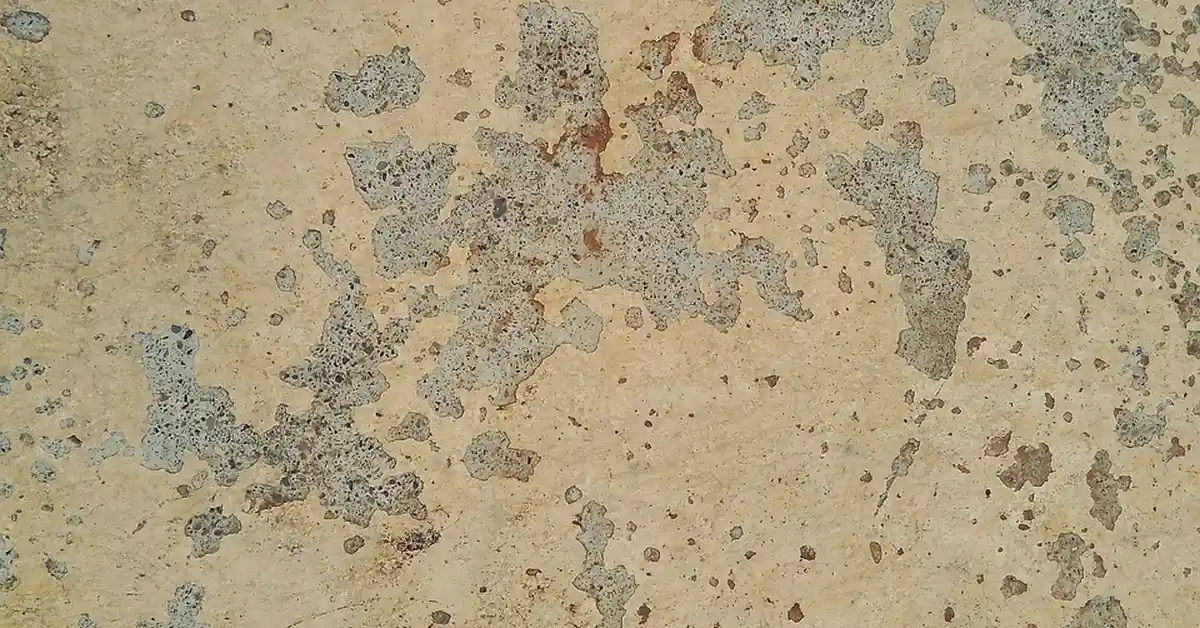
Concrete stain is a liquid coloring agent that penetrates the porous surface of concrete, imparting a translucent, variegated hue. Unlike paint, which forms a film on the surface, stain chemically reacts with the concrete’s elements (like lime) or simply soaks into its pores. This creates a natural, stone-like appearance that can range from subtle earth tones to vibrant, bold colors.
The penetration depth and the chemical reaction dictate the final look, which is often unique to each application.
There are two primary types of concrete stains: acid-based and water-based. Acid stains use a metallic salt solution that reacts with the concrete’s alkaline elements. This reaction is permanent and creates marbled, variegated effects that are unpredictable yet beautiful.
Water-based stains, on the other hand, contain pigments or dyes suspended in a water or solvent carrier. They offer a wider range of colors and are easier to control, often providing a more opaque or solid color effect, depending on the formulation.
The working mechanism of these stains is what leads to their distinct drying and curing processes. Acid stains require a longer reaction time, which indirectly affects the drying period as the residue needs to be neutralized and cleaned off. Water-based stains dry more like conventional liquids, with the carrier evaporating to leave the pigment behind.
Understanding these differences is key to managing expectations regarding how long it takes for concrete stain to dry.
Factors Affecting Concrete Stain Drying Time
Several environmental and application-specific factors play a significant role in how quickly concrete stain dries. The most influential among these are ambient temperature, relative humidity, and airflow. Warmer temperatures generally accelerate the evaporation of the carrier liquid (water or solvent) from the stain, leading to faster drying.
Conversely, cooler temperatures slow down this evaporation process, extending the drying time considerably.
Humidity is another critical factor. High humidity means there is already a lot of moisture in the air, which makes it harder for the stain’s liquid carrier to evaporate. In very humid conditions, drying can be significantly delayed, even if the temperature is moderate.
Proper airflow is also essential. A gentle breeze or the use of fans can help to move humid air away from the surface and introduce drier air, promoting quicker evaporation and thus faster drying.
Beyond environmental conditions, the type of stain itself is a major determinant. Water-based stains, especially those with a higher solvent content, tend to dry faster than traditional acid stains. Acid stains require a chemical reaction and subsequent cleaning, which adds steps and time.
The porosity of the concrete also matters; a more porous surface will absorb the stain more readily and may dry faster, whereas a denser, less porous surface might hold more liquid on top, slowing down evaporation.
Environmental Conditions Comparison
| Condition | Impact on Drying Time | Explanation |
|---|---|---|
| High Temperature | Faster Drying | Increases evaporation rate of liquid carrier. |
| Low Temperature | Slower Drying | Decreases evaporation rate. |
| High Humidity | Slower Drying | Air is saturated with moisture, hindering evaporation. |
| Low Humidity | Faster Drying | Air readily accepts moisture. |
| Good Airflow | Faster Drying | Removes humid air, replaces with drier air. |
| Poor Airflow | Slower Drying | Moist air lingers, slowing evaporation. |
These environmental factors are paramount to consider when planning your staining project to achieve the best possible drying outcomes.
How Long Does Water-Based Concrete Stain Take to Dry?
Water-based concrete stains typically dry faster than their acid-based counterparts. Once applied, the water carrier begins to evaporate. In ideal conditions – warm temperatures (around 70°F or 21°C), low humidity, and good airflow – you can expect the surface to be dry to the touch within 2 to 6 hours.
This means you can lightly walk on it with clean shoes or proceed with a second coat if necessary.
Recoating times for water-based stains are often quite short. Many manufacturers recommend waiting 4 to 12 hours between coats. This allows the first coat to adequately set and bond.
However, it’s crucial to remember that “dry to the touch” does not mean fully cured. Even though the surface feels dry, the stain is still undergoing chemical changes and needs more time to reach its full durability.
Full curing, which is when the stain has achieved its maximum hardness and resistance to wear and chemicals, can take anywhere from 48 hours to several days, or even up to a week, depending on the specific product and environmental conditions. It’s generally advised to avoid heavy traffic, furniture placement, or cleaning for at least 72 hours after the final coat is applied, and ideally for up to a week.
- Ideal Drying Conditions: 70-80°F (21-27°C), 30-50% humidity, good airflow.
- Dry to Touch: 2-6 hours.
- Recoating Time: 4-12 hours.
- Ready for Light Traffic: 24-48 hours.
- Ready for Sealing: 48-72 hours.
- Full Cure: 7-14 days.
How Long Does Acid-Based Concrete Stain Take to Dry?
Acid-based stains involve a chemical reaction, which means their “drying” process is a bit more complex than simply waiting for a liquid to evaporate. After application, the stain reacts with the concrete for a period, typically 6 to 12 hours. During this time, it’s crucial to keep the surface moist if recommended by the manufacturer to ensure an even reaction, which can paradoxically slow down surface drying.
Once the reaction period is complete, the excess stain and residue must be neutralized and thoroughly cleaned off. This cleaning process itself can take several hours, involving rinsing, scrubbing, and sometimes the use of a neutralizing agent. After the concrete is completely rinsed and clean, it needs to dry completely before any subsequent steps can be taken.
This post-cleaning drying phase is where the typical “drying time” metrics apply, similar to water-based stains but often with a longer wait due to the initial reaction and cleaning.
You can generally expect the concrete to be dry to the touch within 12-24 hours after the final rinse and neutralization. However, recoating is not applicable in the same way as with water-based stains; acid stains are permanent. The critical waiting period before sealing is usually longer for acid stains, often a minimum of 48 hours, and sometimes up to 72 hours, to ensure all moisture from the cleaning process has evaporated from within the concrete’s pores.
Full curing can take just as long as or longer than water-based stains, typically 7-14 days, as the chemical reaction continues to stabilize.
Acid Stain Process & Timing Overview
| Stage | Typical Duration | Notes |
|---|---|---|
| Stain Reaction | 6-12 hours | May require keeping surface moist; ensures color development. |
| Neutralizing & Cleaning | 3-6 hours | Thorough rinsing is essential to remove residue. |
| Surface Drying (Post-Clean) | 12-24 hours | Concrete needs to be dry before sealing. |
| Ready for Sealer | 48-72 hours | Ensures all moisture has evaporated for proper sealer adhesion. |
| Full Cure | 7-14 days | Stain and sealer achieve maximum hardness and durability. |
The extended process for acid stains means patience is key for a lasting finish.
How to Speed Up Concrete Stain Drying Time
While you can’t force concrete stain to dry instantaneously, you can significantly speed up the process by controlling the environment. The most effective way to hasten drying is by maximizing airflow. Open doors and windows in enclosed spaces, and use oscillating fans or industrial blowers to circulate air across the stained surface.
This continuously removes the humid air that’s in contact with the concrete and replaces it with drier air, promoting faster evaporation.
Temperature also plays a critical role. Staining on warmer days (ideally between 60-85°F or 15-30°C) will naturally lead to quicker drying compared to cooler conditions. If working indoors and concerned about temperature, consider using space heaters to slightly warm the area, but be cautious not to overheat and create condensation.
Conversely, avoid staining in direct, harsh sunlight during the hottest part of the day, as this can sometimes cause the stain to dry too quickly on the surface, leading to blotchiness before it can properly penetrate.
Reducing humidity is also vital. If you’re in a naturally humid climate or working in a basement, a dehumidifier can be a lifesaver. Running one for 24-48 hours before, during, and after staining can dramatically lower the moisture content in the air, making it much easier for the stain to evaporate and dry.
Always refer to the specific product’s instructions, as some manufacturers may have specific recommendations for accelerating the drying process.
- Maximize airflow with fans and ventilation.
- Work during warmer hours of the day.
- Use a dehumidifier in humid environments.
- Avoid direct, intense sunlight during peak heat.
- Ensure the concrete surface is clean and properly prepared.
- Consider light misting with water only if the stain manufacturer recommends it for even penetration (this is rare for simple drying acceleration).
What to Do After Staining: Sealing and Curing
Once the concrete stain has dried sufficiently – meaning it’s dry to the touch and no longer looks wet or feels tacky – the next critical step is applying a sealer. A sealer protects the stained concrete from stains, abrasion, chemicals, and UV damage. It also enhances the color and sheen of the stain, bringing out its full aesthetic potential.
The type of sealer you choose (acrylic, epoxy, polyurethane, or silicate-based) will also have its own drying and curing times, which must be followed diligently.
The time you need to wait before sealing is directly related to the stain’s drying time and the concrete’s porosity. For water-based stains, waiting 48-72 hours after the final coat is a common recommendation before applying an acrylic or polyurethane sealer. For acid stains, after thorough cleaning and drying, a 48-72 hour wait is also standard practice before sealing.
This waiting period ensures that any residual moisture within the concrete can escape, preventing issues like sealer blushing (cloudiness) or delamination.
Curing is the process where the sealer fully hardens and reaches its maximum durability. This is distinct from drying, which is when the surface feels dry. While many sealers are dry to the touch within a few hours and can accept light foot traffic in 24 hours, full curing can take anywhere from 3 to 7 days, or even longer for some high-performance coatings like epoxy.
During the curing period, it’s vital to keep the surface protected from heavy use, spills, and harsh cleaning. Respecting these timelines for both stain drying and sealer curing is paramount to achieving a beautiful, long-lasting, and durable concrete finish.
Sealer Type Drying & Curing Comparison
| Sealer Type | Dry to Touch | Light Foot Traffic | Full Cure | Notes |
|---|---|---|---|---|
| Acrylic Sealers | 1-2 hours | 4-6 hours | 2-3 days | Common, economical, good for UV resistance. |
| Polyurethane Sealers | 2-4 hours | 8-12 hours | 5-7 days | More durable than acrylic, better chemical resistance. |
| Epoxy Coatings (often used with stain) | 4-8 hours | 24 hours | 7-10 days | Very durable, high gloss, can yellow with UV exposure. |
Understanding the cure times for your chosen sealer is as important as the stain drying times for the longevity of your project.
Common Mistakes When Staining Concrete
One of the most common mistakes people make is not properly preparing the concrete surface before staining. Stains will not penetrate effectively if the concrete is dirty, oily, waxed, or previously sealed. Any contaminants will prevent the stain from reaching the concrete, leading to patchy color and poor adhesion.
Thorough cleaning, degreasing, and potentially etching or grinding the surface are essential steps that should never be skipped.
Another frequent error is applying the stain too thickly or unevenly. Stains are designed to penetrate, not sit on the surface like paint. Applying too much product at once can lead to pooling, streaking, and an uneven appearance.
This is particularly true for acid stains, where controlling the reaction is key. Using the wrong applicator or applying inconsistent pressure can also result in an undesirable finish. For water-based stains, multiple thin coats are often better than one thick one.
Impatience is also a major culprit for project failure. This includes not allowing adequate drying time between coats or before sealing, and not waiting for the full curing period before putting the surface into service. Rushing these stages can lead to a stained or damaged sealer, premature wear of the stain, and a need for costly repairs.
Always read and follow the manufacturer’s instructions precisely, as they are tailored to the specific chemistry of their product and provide the best guidance for achieving optimal results.
- Insufficient surface preparation (dirt, grease, old sealers).
- Applying stain too thickly or unevenly.
- Using the wrong application tools or inconsistent pressure.
- Not allowing adequate drying time between coats.
- Sealing too soon after staining.
- Ignoring manufacturer instructions.
- Staining in unfavorable weather conditions (extreme heat, cold, or humidity).
Frequently Asked Questions
How long does it take concrete stain to dry to the touch?
Generally, concrete stain takes between 2 to 24 hours to dry to the touch. Water-based stains typically dry faster, often within 2-6 hours, while acid stains, after the cleaning process, can take 12-24 hours to feel dry on the surface.
Can I walk on stained concrete after 24 hours?
For water-based stains, light foot traffic with clean shoes is usually permissible after 24-48 hours, provided the surface is dry to the touch and recoating has occurred. For acid stains, it’s best to wait at least 48 hours after cleaning and drying before allowing light traffic. Always consult the specific product’s guidelines.
What happens if I seal the concrete too soon after staining?
Sealing too soon can lead to problems like sealer blushing (cloudiness caused by trapped moisture), poor adhesion, peeling, or premature wear. The residual moisture in the concrete prevents the sealer from bonding correctly and can compromise the entire finish.
Does temperature affect how long it takes concrete stain to dry?
Yes, temperature significantly affects drying time. Warmer temperatures accelerate the evaporation of the liquid carrier in the stain, leading to faster drying. Cooler temperatures slow down evaporation and thus extend drying times.
How can I tell if the concrete is completely dry and ready for sealing?
The surface should feel dry to the touch, with no tackiness. A good test is to place a small piece of plastic wrap (about 1ft x 1ft) on the concrete surface and tape down the edges. If, after 24 hours, there is no condensation visible on the underside of the plastic, the concrete is likely dry enough to seal.
This test is particularly useful for checking for moisture still within the concrete pores.
Final Thoughts
Understanding how long does it take concrete stain to dry is more than just a waiting game; it’s about ensuring the longevity and beauty of your project. By considering stain type, environmental factors, and proper application techniques, you can achieve optimal results. Always prioritize patience, follow manufacturer guidelines, and allow sufficient time for drying, sealing, and curing for a finish that lasts.
Sponsored / affiliate links. As an Amazon Associate I earn from qualifying purchases. I may earn additional commission from eligible campaigns.