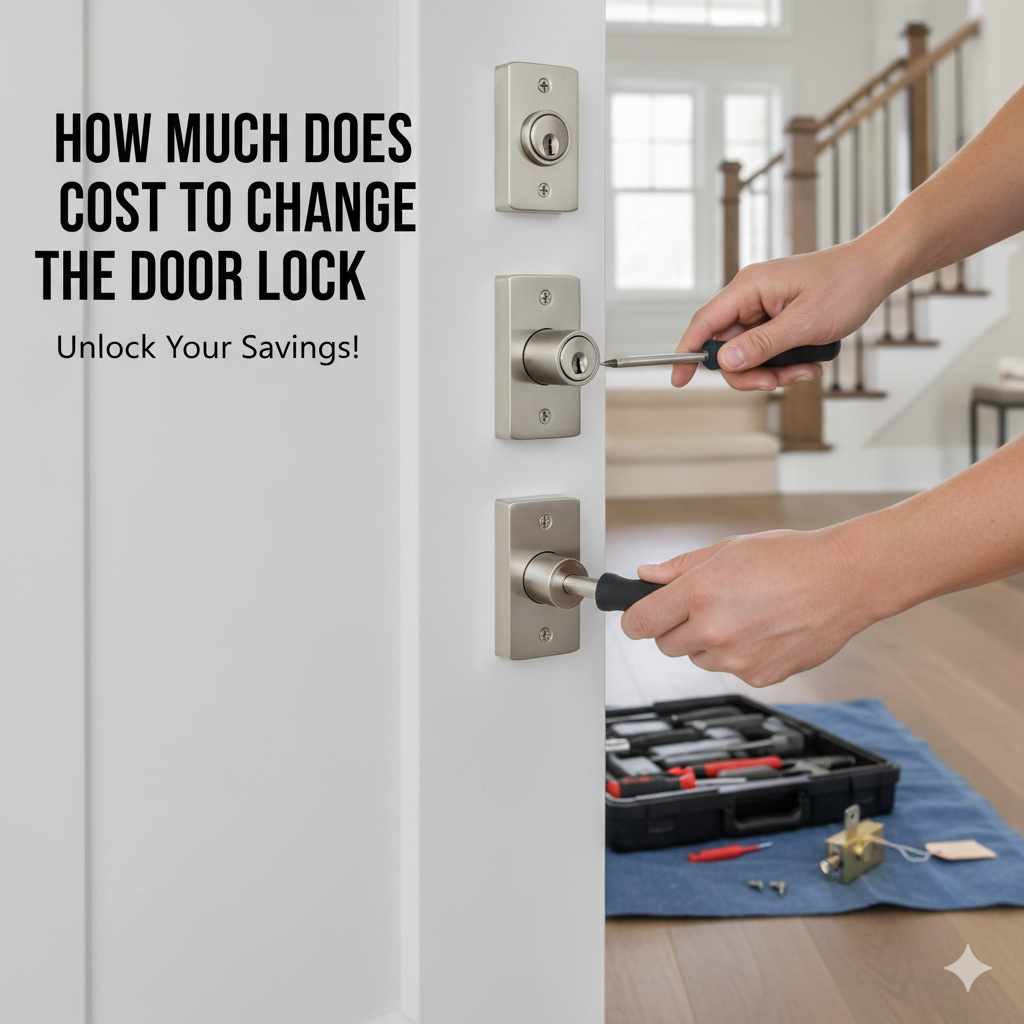
How Much Does It Cost To Change The Door Lock: Essential Guide
How much does it cost to change a door lock? Expect to pay anywhere from $100 to $400 for parts and professional installation, with DIY options costing significantly less. This guide breaks down all the factors influencing the price, helping you budget wisely for a more secure home.
Ever found yourself wondering about the cost of a new door lock? It’s a common question, especially when you’ve just moved into a new place, misplaced a key, or simply want to upgrade your home’s security. The good news is that changing a door lock doesn’t have to be a budget-buster. With a little know-how, you can get a clear picture of what to expect. We’ll walk you through everything, from the different types of locks and their associated costs to whether you should tackle this project yourself or call in a professional. Get ready to feel confident about your next home security upgrade!
Understanding the Factors That Influence Door Lock Replacement Costs
When you’re looking into how much it costs to change a door lock, it’s helpful to know that several things can nudge the price up or down. Think of it like buying anything else – the fancier, more complex, or more specialized it is, the more you’ll likely pay. But don’t worry, we’ll break it all down so you can make an informed decision. We’re talking about the lock itself, who installs it, and any little extras that might come into play.
1. Type of Door Lock
The most significant factor in the cost is the kind of lock you choose. From basic deadbolts to smart locks with all the bells and whistles, each has a different price tag. Here’s a look at some common types and their general price ranges:
| Lock Type | Typical Price Range (Parts Only) | Key Features & Considerations |
|---|---|---|
| Standard Keyed Lockset (e.g., Knob or Lever) | $20 – $75 | Common for interior doors or as a basic exterior lock. Offers standard security. |
| Deadbolt Lock | $30 – $150+ | Provides superior security against forced entry. Essential for exterior doors. Prices vary based on brand, material, and security ratings (e.g., ANSI Grade 1 is highest). |
| Smart Lock | $100 – $400+ | Offers keyless entry via smartphone app, keypad, fingerprint, or voice. Features can include remote access, activity logs, and integration with smart home systems. |
| High-Security Locks | $100 – $500+ | Designed with advanced features to resist picking, bumping, and drilling. Often have unique keyways to prevent unauthorized duplication. |
| Electronic/Keypad Locks | $50 – $250+ | Allow entry via a numeric code. Good for convenience without the full smart home integration. |
2. Brand and Quality
Just like with many products, well-known brands often come with a higher price tag. Brands like Schlage, Kwikset, Baldwin, and Yale are popular for a reason – they offer reliability and durability. Higher-quality locks are usually made with more robust materials (like solid brass or stainless steel) and have better internal mechanisms, making them last longer and perform better. While a budget lock might work for a while, investing a bit more in a reputable brand can save you money and hassle in the long run.
3. Installation Costs (Professional vs. DIY)
This is a big one! If you hire a professional locksmith or handyman, you’ll be paying for their expertise and time. The cost for labor can range significantly:
- Locksmith: Typically charges between $75 and $200 for a standard lock replacement, plus the cost of the lock itself. Emergency calls or complex installations can increase this rate.
- Handyman: May charge a slightly lower hourly rate, often around $50 to $150 per hour, depending on your location and the complexity of the job.
On the other hand, if you’re comfortable with basic tools and following instructions, you can save a considerable amount by doing it yourself (DIY). The cost then is just the price of the new lock, usually ranging from $20 to $400+. Many modern locks are designed for easy DIY installation, often requiring just a screwdriver.
4. Complexity of the Installation
Sometimes, changing a lock isn’t as simple as swapping out one for another. Factors that can make installation more complex (and thus potentially more expensive if hiring a pro) include:
- Door Preparation: If your door doesn’t have the correct pre-drilled holes for the new lock, a professional will need to drill them, which takes extra time and skill.
- Door Material: Installing a lock on a metal door or a very thick or unusual door might be more challenging than on a standard wooden door.
- Existing Hardware: If you’re replacing an old lock that’s rusted, stuck, or has had components break off inside, removal can be difficult.
- Smart Lock Integration: Installing a smart lock might involve connecting it to your home’s Wi-Fi network, downloading an app, and setting up user access, which a locksmith might charge extra for if they’re doing the setup.
5. Location
Labor costs vary greatly depending on where you live. In major metropolitan areas, you’ll generally find that locksmiths and handymen charge more than in rural or suburban areas. This is due to higher costs of living and operating a business in those regions.
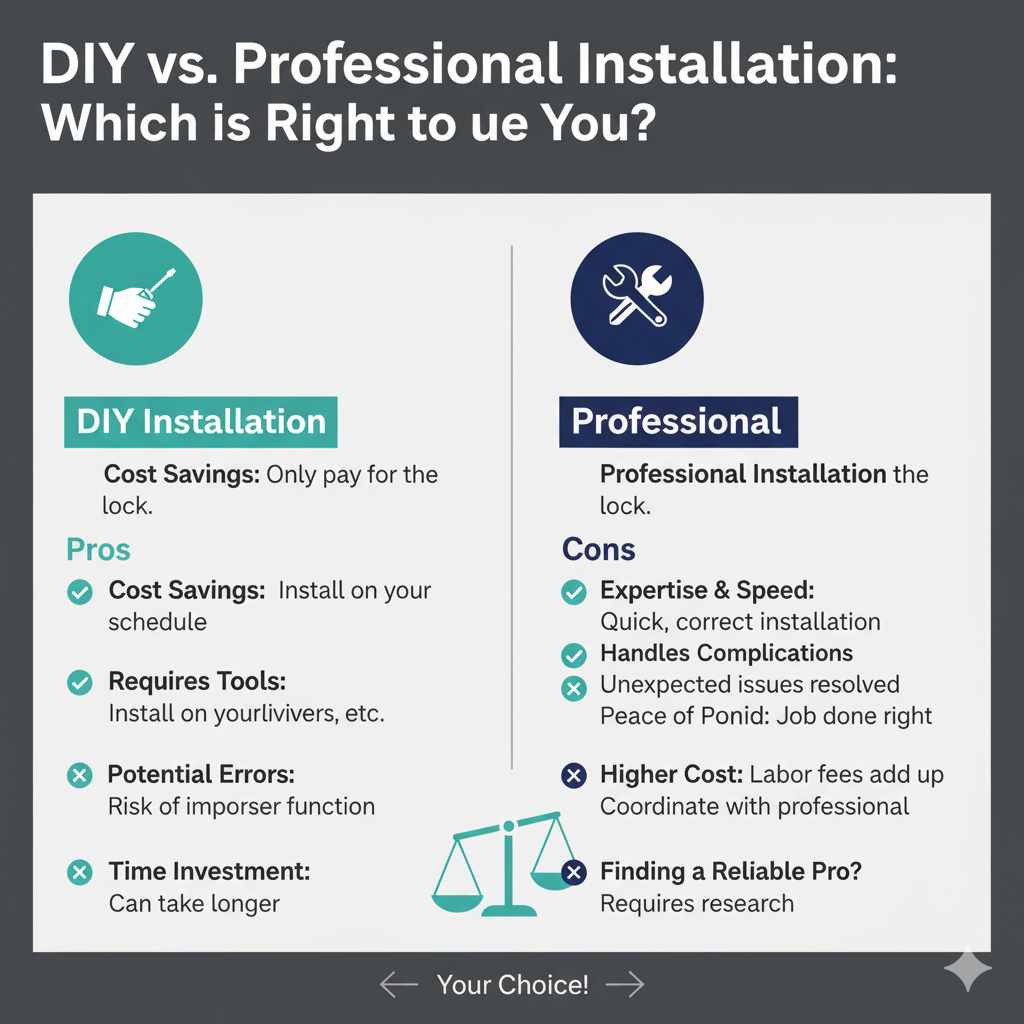
DIY vs. Professional Installation: Which is Right for You?
Deciding whether to change your door lock yourself or hire a professional is a key part of understanding the overall cost. Let’s weigh the pros and cons:
DIY Installation
Pros:
- Cost Savings: You only pay for the lock itself, saving on labor fees.
- Flexibility: You can choose the best time for the installation without scheduling around a professional.
- Sense of Accomplishment: It’s rewarding to complete a home improvement task yourself!
Cons:
- Requires Tools: You’ll need basic tools like a screwdriver.
- Potential for Errors: If not done correctly, the lock might not function properly, or you could damage the door.
- Time Investment: It might take longer than it would for a professional, especially if it’s your first time.
Professional Installation
Pros:
- Expertise and Speed: Professionals can install locks quickly and correctly.
- Handles Complications: They can deal with any unexpected issues, like misaligned doors or the need for new drilling.
- Peace of Mind: You know the job is done right, ensuring your home’s security.
Cons:
- Higher Cost: Labor fees add significantly to the overall expense.
- Scheduling: You need to arrange a time that works for both you and the professional.
- Finding a Reliable Professional: It can take time to find a trustworthy and skilled locksmith or handyman.
Step-by-Step Guide to Changing a Standard Door Lock (DIY)
Changing a standard door lock is a very achievable DIY project! Most modern locks are designed for straightforward installation. Here’s how you can do it:
Tools You’ll Need:
- New door lock (ensure it’s compatible with your door’s existing bore holes and backset)
- Phillips head screwdriver
- Flathead screwdriver (sometimes needed for prying or alignment)
- Measuring tape (to confirm backset and hole sizes if unsure)
- Pencil (for marking if needed)
Steps:
-
Remove the Old Lock:
- Locate the screws on the interior side of the door handle or deadbolt.
- Unscrew these screws. You might need to hold the exterior part of the lock in place to prevent it from falling.
- Once the screws are out, gently pull the interior and exterior lock components away from the door.
- Next, remove the strike plate on the door frame and the latch mechanism inside the edge of the door by unscrewing the screws holding them in place.
-
Prepare the Door for the New Lock:
- If your new lock requires different hole sizes or positions than your old one, you might need to do some minor adjustments. However, most standard replacements use the same dimensions.
- Ensure the door edge is clear for the new latch.
-
Install the New Latch Mechanism:
- Insert the new latch assembly into the hole on the edge of the door. Make sure the latch bolt is facing the correct direction (the bevel should face the direction the door closes).
- Secure the latch with the provided screws.
-
Install the New Lockset:
- Insert the exterior part of the new lock through the large hole in the door, making sure the latch bolt goes through the hole in the latch mechanism.
- Align the interior part of the lock with the exterior part and the latch mechanism.
- Secure the two halves of the lock together using the longer screws that go through the interior and exterior pieces and into the latch mechanism. Tighten them firmly but don’t overtighten, which could strip the screws or damage the lock.
-
Install the New Strike Plate:
- Align the new strike plate on the door frame with the latch bolt.
- Screw the new strike plate into place.
-
Test the Lock:
- Open and close the door a few times.
- Test the lock by turning the knob/lever or using the key from both sides. Ensure it operates smoothly and the bolt extends and retracts fully.
- If the bolt doesn’t align perfectly with the strike plate, you might need to slightly adjust the strike plate’s position or the door frame using a file or by repositioning the plate.
For more detailed instructions, always refer to the manufacturer’s guide that comes with your new lock. For smart locks, there will be additional steps involving battery installation, app pairing, and network setup.
Cost Breakdown: Parts and Labor Estimates
Let’s put some numbers to it. Here’s a more detailed look at what you might expect to pay, combining lock costs with typical labor rates.
Scenario 1: Basic DIY Replacement
- Lock Cost: $20 (basic keyed knob) to $75 (quality deadbolt)
- Labor Cost: $0
- Total Estimated Cost: $20 – $75
Scenario 2: DIY Smart Lock Installation
- Lock Cost: $100 (entry-level smart lock) to $300 (feature-rich smart lock)
- Labor Cost: $0 (assuming you’re comfortable with the tech setup)
- Total Estimated Cost: $100 – $300
Scenario 3: Professional Installation of a Standard Lock
- Lock Cost: $30 (basic deadbolt) to $150 (high-quality deadbolt)
- Labor Cost: $75 (simple swap) to $200 (minor adjustments needed)
- Total Estimated Cost: $105 – $350
Scenario 4: Professional Installation of a Smart Lock
- Lock Cost: $100 (entry-level smart lock) to $400 (premium smart lock)
- Labor Cost: $100 (basic installation) to $250 (includes app setup and Wi-Fi integration)
- Total Estimated Cost: $200 – $650+
These figures are estimates and can vary. It’s always a good idea to get a few quotes if you plan to hire a professional.
When to Call a Professional Locksmith
While many lock changes are simple DIY tasks, there are definitely times when calling a professional locksmith is the smartest move. Trusting an expert ensures the job is done right and your home remains secure. Here are some situations where a pro is recommended:
- You’re unsure about the process or lack the right tools. If you’re not confident in your DIY skills, it’s better to pay for expertise than risk making a mistake.
- The existing lock is old, damaged, or stuck. Removing a stubborn or broken lock can be difficult and might require specialized tools.
- You need to drill new holes in the door. This requires precision to ensure the lock is installed correctly and the door functions properly.
- You’re upgrading to a high-security or complex smart lock system. These often have specific installation requirements and network setup needs.
- The door frame or lock mechanism is damaged. A locksmith can assess the damage and recommend the best repair or replacement options.
- You’ve lost all copies of your keys and need a lock rekeyed or replaced immediately. Locksmiths can often rekey existing locks or provide quick replacements.
When choosing a locksmith, look for someone certified by organizations like the Associated Locksmiths of America (ALOA) or similar reputable bodies. This can help ensure you’re hiring a qualified professional.
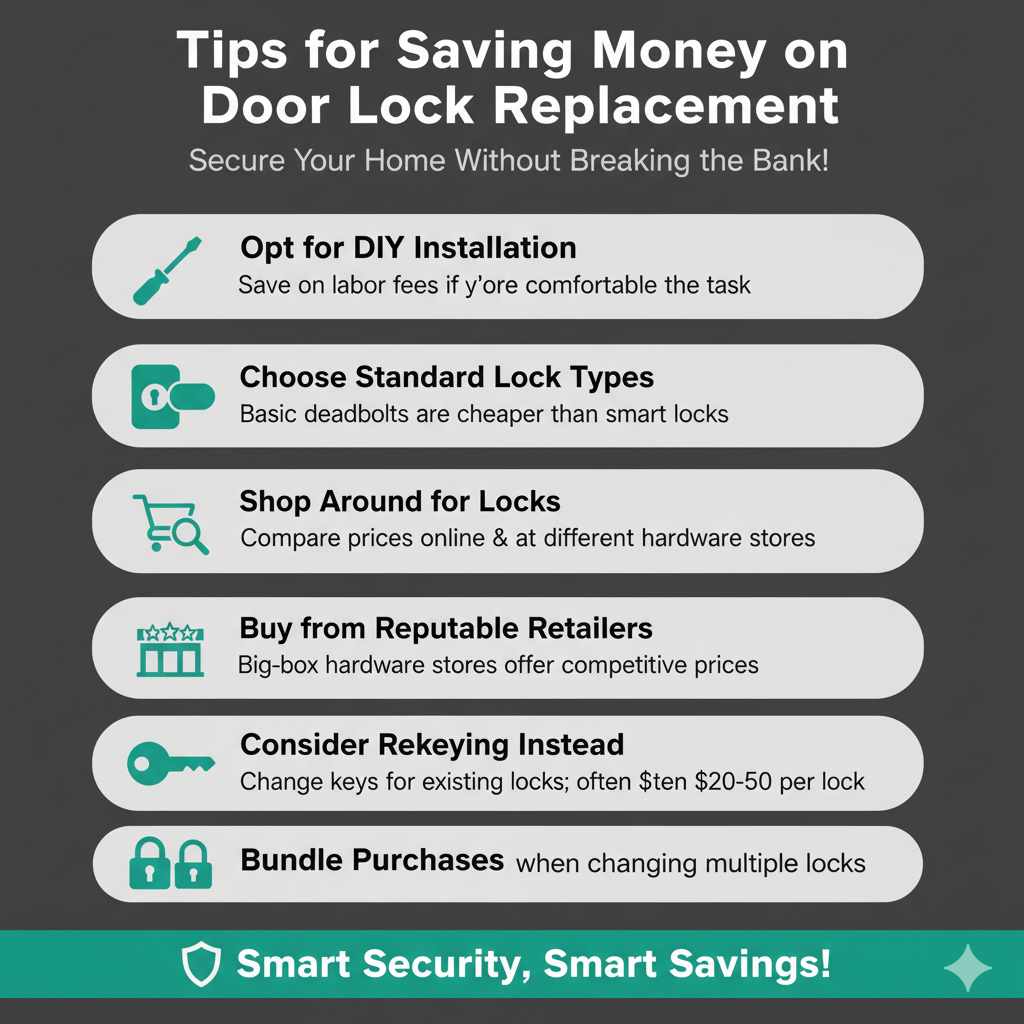
Tips for Saving Money on Door Lock Replacement
Worried about the cost? Here are some smart ways to keep your expenses down while still getting a secure and reliable new lock:
- Opt for DIY Installation: As we’ve discussed, this is the biggest money-saver if you’re comfortable with the task.
- Choose Standard Lock Types: While smart locks offer convenience, basic deadbolts and keyed knob sets are significantly cheaper.
- Shop Around for Locks: Compare prices online and at different hardware stores. Look for sales or clearance items.
- Buy from Reputable Retailers: While specialized locksmith shops might have the best selection, big-box hardware stores often have competitive pricing on common lock brands.
- Consider Rekeying Instead of Replacing: If your current lock is in good condition and you’ve simply lost keys or want to change access for a new tenant, rekeying the existing lock is often cheaper than buying a whole new lockset. A locksmith can do this for around $20-$50 per lock.
- Bundle Purchases: If you need to change multiple locks, ask if a locksmith offers a discount for bulk work.
Frequently Asked Questions (FAQ)
Q1: How long does it take to change a door lock?
A: A simple DIY lock change typically takes about 30-60 minutes. A professional locksmith can usually complete the job in 30 minutes or less for a standard lock, though more complex installations or smart lock setups might take longer.
Q2: Can I change just the lock cylinder without replacing the whole lock?
A: Yes, this is called rekeying. If your lock hardware is still in good condition, a locksmith can change the pins inside the cylinder so that your old keys no longer work, and new ones do. This is often cheaper than buying a new lock.
Q3: What is a “backset” and why is it important for lock installation?
A: The backset is the distance from the edge of the door to the center of the hole drilled for the lock mechanism. The most common backset for residential doors is 2-3/8 inches or 2-3/4 inches. Your new lock must match your door’s backset for proper installation.
Q4: Are smart locks worth the extra cost?
A: For many people, yes! Smart locks offer enhanced convenience, security features like remote access and activity logs, and can integrate with smart home systems. However, they are more expensive and require power (batteries) and potentially a stable Wi-Fi connection.
Q5: What’s the difference between a Grade 1, Grade 2, and Grade 3 lock?
A: These are ANSI (American National Standards Institute) grades indicating lock durability and security. Grade 1 is the highest (most durable, best for exterior doors), Grade 2 is good for most residential applications, and Grade 3 is the lowest (best for interior doors or light-duty use).
Q6: How do I know if I need a new lock or if the old one can be repaired?
A: If the lock is sticking, difficult to turn, or feels loose, it might be repairable. However, if it’s significantly damaged, rusted, or broken, replacement is usually the more reliable and cost-effective long-term solution.
Conclusion
So, how much does it cost to change a door lock? As you can see, the answer is quite flexible, ranging from a modest $20 for a DIY basic lock to $650 or more for a professionally installed smart lock. By understanding the types of locks available, the impact of brand and quality, and the difference between DIY and professional installation, you’re well-equipped to make the best choice for your budget and security needs. Whether you decide to grab a screwdriver and tackle it yourself or call in a trusted professional, knowing the potential costs involved removes a lot of the guesswork. Upgrading your door locks is a smart investment in your home’s safety and peace of mind, and now you have the essential guide to make it happen confidently!