How to Auger a Toilet (Step-by-Step Guide)
A toilet auger clears clogs a plunger can’t reach by threading a protected steel cable past the trap — insert the curved tip down, crank clockwise until it meets resistance, then pull back to snag or break up the blockage. Forcing the cable can crack porcelain. This guide covers the correct insertion angle, 3-foot versus 6-foot cable choices, and when a plunger is still the faster first move.
Quick Answer
To auger a toilet: put on gloves, guide the auger’s curved rubber-sleeved tip into the bowl opening pointing down, crank the handle clockwise while feeding cable until you hit resistance, then keep cranking while pulling back gently to break up or hook the clog. Retract slowly, rinse the cable, and flush to confirm the water drains normally.
What Is a Toilet Auger?
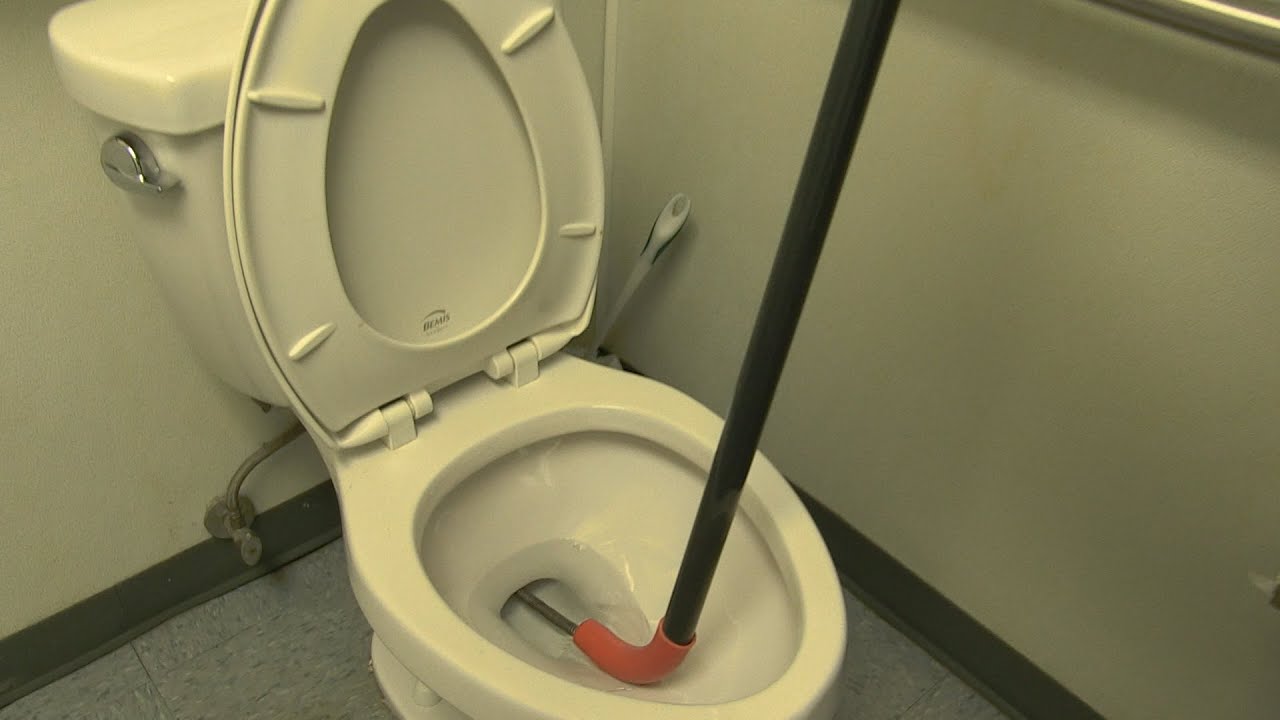
A toilet auger — also called a closet auger or toilet snake — is a hand tool that pushes a flexible, vinyl-coated steel cable through the toilet’s internal trap to break up or hook clogs a plunger can’t move. The vinyl sleeve at the tip keeps the bare cable from scratching porcelain. Use it once a plunger has failed, or when the clog is a solid object rather than soft waste or paper.
Tools You’ll Need
- Toilet auger (closet auger) — 3-foot for bowl-only clogs, 6-foot to reach past the trap into the branch drain
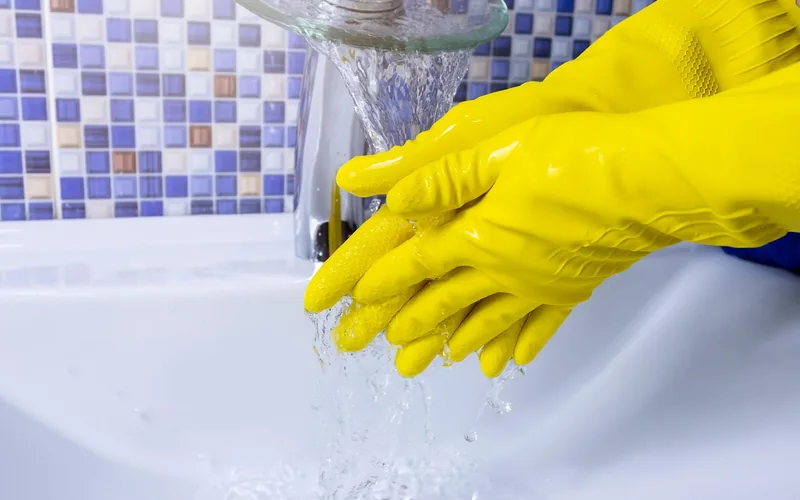
- Rubber gloves — protects hands from contaminated water
- Bucket — catches overflow or bailed water
- Plunger — try this first for soft, paper-based clogs
- Old towels — for spills around the base
- Safety goggles — shields eyes from splashback
- Flashlight — helps confirm the bowl is clear before you start
Safety Precautions
Put on rubber gloves and safety goggles before touching the auger — toilet water can carry bacteria, and splashback happens more often than you’d expect. Keep the bathroom floor dry so you don’t slip, and never leave the auger’s sharp cable end lying where kids or pets could reach it.
Move slowly with the auger — fast, forceful cranking is what cracks porcelain or bends the cable, not gentle steady pressure. Wash your hands with soap when you’re done, rinse and dry the auger before storing it, and wipe up any spills so the floor isn’t slippery afterward.
Toilet Auger vs. Plunger: Which Should You Try First?
A plunger should almost always be your first move — it’s faster and clears most everyday clogs caused by toilet paper or waste. Reach for the auger only once the plunger has failed or you suspect a solid object is stuck in the trap.
| Tool | Works Best For | Best For |
|---|---|---|
| Plunger | Soft clogs — toilet paper, organic waste, minor buildup near the drain opening | First attempt on any clog |
| 3-ft toilet auger | Clogs inside the bowl’s own trap that a plunger couldn’t move | Solid objects lodged in the bowl |
| 6-ft toilet auger | Blockages that sit past the trap, in the branch drain line | Recurring or deep clogs |
Best Toilet Auger Pick
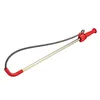
RIDGID 59787 K-3 Toilet Auger – $45.97
A 3-foot bulb-head auger built for the bowl-only clogs this guide’s insertion steps cover — the bulb head is designed to navigate water-conserving toilet traps without scratching.
- Best for: Standard household toilets with a clog inside the bowl trap
- Why we picked it: Trusted plumbing-tool brand, bulb head matches the “insert curved tip down” step above
- Main drawback: 3-foot cable won’t reach clogs past the trap — size up to a 6-foot model for those
Compare more toilet auger options
 Budget Pick HimaPro 3-Ft Closet Auger – $35.99
|
 Longer Reach Klein Tools 6-Ft Steel Auger – $59.98
|
 Drill-Powered 6-Ft Closet Auger (Drill Compatible) – $64.98
|
As an Amazon Associate we earn from qualifying purchases.
Preparing the Area
Clear rugs and bath mats away from the toilet base so nothing gets splashed. If the bowl is more than half full, bail some water into a bucket first — a full bowl is what causes an overflow once the auger displaces the clog. Open a window or turn on the fan, and keep a towel within reach for drips.
How to Auger a Toilet: Step-by-Step
- Position the auger: Hold the handle firmly and guide the curved, rubber-sleeved tip into the bowl’s drain opening with the curve pointing down.
- Seat the tip: Push gently until the sleeve rests against the opening — this protects the porcelain from the bare cable underneath.
- Crank clockwise: Turn the handle slowly and steadily, feeding cable into the trap. Stop and back off slightly if you meet firm resistance rather than forcing it.
- Work the clog: Keep cranking while gently pulling back — this either hooks the object or breaks the blockage apart so water can pass.
- Retract slowly: Pull the cable out the way it went in. If it snags, twist gently rather than yanking.
- Rinse and test: Hose off the cable, wipe it down, then flush the toilet to confirm water drains at normal speed with no gurgling.
“The K-6P’s vinyl guard is specifically designed to protect porcelain bowl surfaces from scratching during use, with the cable extending first to 3 feet for bowl clearing, then to 6 feet to clear beyond the trap.”
Removing the Auger Safely
Pull the handle back slowly. If you feel resistance, something may still be caught — twist the handle gently to free it rather than rushing, which is what causes damage. Keep retracting until the full cable is out, then rinse it with clean water, wipe away debris, and check for bent wires before drying and storing it.
Testing the Flush
Pour a cup of water into the bowl and watch how it drains — it should flow smoothly with no gurgling. Check that the tank’s water level sits at the marked fill line, since a low level also causes a weak flush that can look like a clog. If drainage is still slow, repeat the auger steps above before assuming the blockage is fully cleared.
Alternative Methods to Try
If you don’t have an auger on hand yet, two other methods can work for softer clogs — though neither reaches as deep into the trap as a cable does.
Using a Plunger
Fill the bowl enough to cover the plunger’s rubber cup so it can form a seal. Press down firmly, then push and pull with steady force for 15-20 seconds. If the water drains freely afterward, the clog is gone; if not, move on to the auger. See our full toilet plunging guide for the correct push-then-pull technique.
Chemical Drain Cleaners
Enzyme or chemical cleaners can dissolve soft organic clogs over time, but they work slowly and can be harmful to skin and older pipe seals if used incorrectly. Always follow the label’s wait time and wear gloves — and never mix cleaning chemicals together in the bowl.
Preventing Future Clogs
Most repeat toilet clogs come down to what’s being flushed, not the toilet itself. Keeping an auger on hand for occasional maintenance helps, but proper disposal habits prevent most clogs before they start.
📊 So-called “flushable” wipes are a major cause of sewer blockages — the EPA notes non-dispersible materials like wipes contribute directly to clogs and sewer backups, and a 2019 industry analysis of 58 wipe products found no clear technical difference between wipes labeled “flushable” and those that aren’t. — Source: EPA WaterSense
Proper Disposal Practices
Never flush wipes — even ones labeled “flushable” — along with floss, cotton balls, or feminine hygiene products; throw these in the trash instead. Check our guide on whether paper towels are safe to flush if you’re unsure about a specific item. Teaching kids what belongs in the trash versus the toilet prevents a large share of household clogs.
Regular Maintenance Tips
Clean the bowl weekly to stop mineral and waste buildup along the rim — see our toilet bowl cleaning guide for a step-by-step routine. Avoid harsh chemical cleaners used constantly, since they can degrade wax seals and rubber gaskets over time. If your household deals with frequent clogs despite good habits, inspect the plumbing system or a call a plumber to rule out a venting or slope issue.
Frequently Asked Questions
What Is the Purpose of Augering a Toilet?
Augering a toilet clears blockages a plunger can’t handle by reaching past the bowl’s trap with a protected steel cable. It’s the standard next step for solid-object clogs or repeat soft clogs that plunging alone hasn’t fixed, and regular use can prevent bigger plumbing problems down the line.
How Do You Use a Toilet Auger?
Insert the curved, sleeve-protected tip into the bowl pointing down, then crank the handle clockwise to feed the cable into the trap. Apply gentle, steady pressure — never force it — and once you feel the blockage give, retract the cable slowly and flush to confirm the water drains normally.
Can a Toilet Auger Damage the Toilet?
Yes, if used incorrectly — the bare steel cable can scratch or crack porcelain if you force it or skip the vinyl-sleeved tip. Used gently and with a real toilet auger (not a household drain snake meant for sinks), damage is uncommon. If you meet hard resistance that won’t budge, stop and call a plumber rather than pushing harder.
Should I Get a 3-Foot or 6-Foot Toilet Auger?
A 3-foot auger clears clogs inside the toilet’s own trap, which covers most household clogs. A 6-foot auger extends past the trap into the branch drain line, which is worth the extra length if clogs keep coming back in the same toilet after a 3-foot auger clears them.
Toilet Auger or Plunger — Which Should I Try First?
Try the plunger first. It clears the majority of everyday clogs from toilet paper or waste in under a minute with no risk to the bowl. Move to the auger only once plunging has failed or you suspect a solid object is lodged in the trap.
How Often Should You Auger a Toilet?
There’s no fixed schedule — auger only when a plunger has already failed to clear a clog. Households with frequent clogs despite good flushing habits should treat that as a sign to check for a venting problem or a partial blockage further down the line, not a reason to auger on a routine basis.
Conclusion
Augering a toilet is a straightforward fix once you know the correct angle and pressure: curved tip down, crank clockwise, ease off at resistance instead of forcing it. Try a plunger first for everyday clogs, keep an auger on hand for the tougher ones, and stick to good flushing habits so you need either tool less often. If clogs keep returning after augering correctly, that’s your sign to check the branch drain or explore other toilet unclogging methods rather than repeating the same step.
Sponsored / affiliate links. As an Amazon Associate I earn from qualifying purchases. I may earn additional commission from eligible campaigns.