How To Build Double Doors For Sheds
Building double doors for your storage shed might sound tricky, especially if you’re new to DIY projects. Many people wonder if they can really do it themselves. This guide will show you just how simple it can be.
We’ll walk through everything step-by-step, making How to Build Double Doors for a Storage Shed easy to follow. You’ll be able to create a great-looking and functional upgrade for your shed in no time.
Planning Your Double Shed Doors
This section is all about getting ready before you cut any wood. Good planning makes the building process much smoother. We will cover measuring, choosing materials, and thinking about the design.
Proper preparation prevents mistakes and ensures your new doors fit perfectly and work well.
Measuring Your Shed Opening
Accurate measurements are the first step to success. You need to know the exact size of the opening where your new double doors will go. Measure the width and height of the shed’s doorway.
- Measure the width at the top, middle, and bottom of the opening. Use the smallest measurement.
- Measure the height from the floor to the top of the opening. Again, take three measurements and use the smallest.
- Measure the depth of the shed wall.
This helps account for any slight variations in the framing. A wider opening might seem like more space, but the doors must fit within the actual gap.
This ensures the doors don’t rub the floor or hit the header. It’s better to have a tiny gap at the bottom that you can seal later than doors that are too tall.
This is important for knowing how thick your doors need to be and what kind of hinges will work best. It also helps you plan for any trim or weather stripping you might add later.
Choosing Door Materials
The wood you choose impacts durability, appearance, and cost. For shed doors, you want something that can handle outdoor weather.
- Plywood is a budget-friendly option. Use exterior-grade plywood, at least 1/2 inch thick.
- Solid wood like pine or cedar is more durable and looks nicer.
- Consider treated lumber for the frame.
It’s strong and relatively lightweight, making it easier to handle. Plywood comes in large sheets, so you can often get both doors from one or two pieces.
Pine is affordable but can warp if not sealed well. Cedar is naturally resistant to rot and insects, making it a great choice for outdoor projects, though it costs more.
This is especially important if your doors will sit close to the ground or get a lot of rain. Treated wood resists decay and insect damage, extending the life of your doors.
Door Design and Style
Think about how you want your doors to look and function. Double doors can be simple flat panels or have decorative elements.
- Flat panel doors are the easiest to build.
- Z-brace doors add strength and style.
- Consider a slight overhang at the top.
These are just a solid piece of wood or plywood cut to size. They offer a clean, simple look that fits most shed styles.
These have horizontal and diagonal braces on the back of the door, which adds rigidity and a classic look. The “Z” pattern is created by one diagonal brace connecting two horizontal ones.
A small overhang can help shed water away from the door, protecting the wood from rain and extending its life.
Building the Door Frames
Creating a sturdy frame is key to well-functioning doors. The frame gives the doors their shape and support. We will build two identical frames for each door.
Cutting Your Lumber for Frames
You’ll need lumber for the top, bottom, and sides of each door frame. The size depends on your shed opening measurements.
- Cut two pieces for the vertical sides of each door. These should be the height of your door opening minus the thickness of your top and bottom pieces.
- Cut two pieces for the horizontal top and bottom of each door. These should be the width of each door.
- For Z-brace doors, cut two diagonal braces for each door.
For example, if your opening is 72 inches high and you use 3/4-inch thick wood for the top and bottom, each side piece would be 72 – (0.75 + 0.75) = 70.5 inches.
Since you have double doors, divide your total opening width by two. For instance, if your opening is 60 inches wide, each door would be roughly 30 inches wide.
Measure from one corner to the opposite corner of your frame. These braces add significant strength.
Assembling the Door Frames
Now, let’s put the pieces together. You can use screws, nails, or both for a strong connection.
- Lay out the pieces for one door frame on a flat surface.
- Secure the frame.
- Add Z-braces if you’re building them.
Position the two vertical side pieces parallel to each other. Place the horizontal top and bottom pieces between the sides, forming a rectangle.
Use wood glue on the joints before screwing or nailing them together. Drive screws or nails through the side pieces into the ends of the top and bottom pieces.
Place the diagonal brace across the back of the frame, from one corner to the opposite. Secure it with glue and screws or nails. This bracing prevents sagging.
Attaching the Door Panels
Once your frames are built, it’s time to add the panels that will form the actual doors. This is where the shed opening starts to take shape.
Cutting the Door Panels
Measure your assembled door frames carefully. The panels should be the same size as the frames.
- Cut your chosen material (plywood or solid wood) to the exact dimensions of each door frame.
- Ensure the panels are square.
It’s often best to cut slightly larger and then trim down for a perfect fit. This ensures there’s no gap around the edges.
A square panel will lie flat and prevent the door from warping. Double-check your measurements before cutting.
Securing Panels to Frames
Now, attach the flat panels to the front of the door frames. This step creates the solid surface of your doors.
- Apply wood glue along the front edges of the door frame.
- Carefully place the door panel onto the glued frame.
- Use screws or nails to attach the panel to the frame.
This creates a strong bond between the frame and the panel.
Make sure the edges line up perfectly.
Drive fasteners every 6-8 inches around the perimeter and also into the brace on the back of the frame for added stability.
Hanging the Double Doors
This is a critical step that requires precision. Properly hung doors will open smoothly and close tightly.
Choosing the Right Hinges
The type and number of hinges you use are important for door support and operation.
- Strap hinges or T-hinges are common for shed doors.
- Use at least two hinges per door.
- Consider the door weight.
These are strong and provide good support for heavier doors. They attach to the face of the door and the shed’s frame.
For larger or heavier doors, three hinges might be necessary for even better support and to prevent sagging over time.
Heavier doors need stronger, larger hinges. Lighter doors can use smaller, less robust hinges. Always check the weight capacity of the hinges.
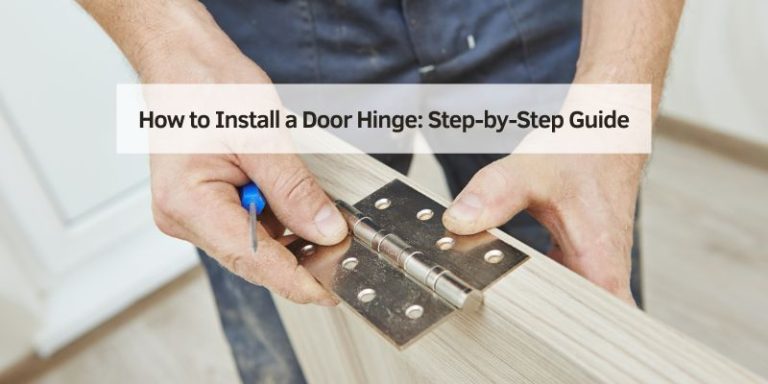
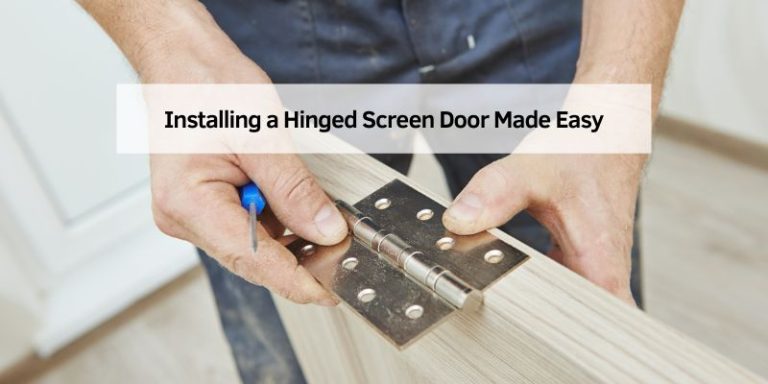
Attaching Hinges to Doors
First, attach the hinges to the doors themselves. This makes it easier to position them on the shed.
- Position the hinges on the edge of each door.
- Screw the hinges securely to the door frame.
Typically, one hinge is placed at the top, and another at the bottom, with a third centered if needed. Make sure they are spaced evenly.
Pre-drilling pilot holes can prevent the wood from splitting, especially with screws.
Mounting Doors to the Shed
This is where your shed starts to look complete. Aligning the doors correctly is key.
- Have a helper hold one door in place against the shed opening.
- Mark the screw holes for the hinges on the shed’s door frame.
- Screw the hinges to the shed frame.
This makes it much easier to mark and drill.
Ensure the door is plumb (perfectly vertical) and has even gaps on the sides and top.
Again, pilot holes are recommended. Repeat for the second door, ensuring the two doors meet in the middle without a large gap.
Finishing Touches and Hardware
Once the doors are hung, you’ll want to add hardware and finish them to protect them and make them easy to use.
Installing Latches and Handles
These are essential for keeping your shed secure and for easy access.
- Choose a latch that suits your needs.
- Attach handles for easy opening.
Simple slide bolts, barrel bolts, or a more substantial gate latch can work. For double doors, you’ll likely need a latch on each door, or a mechanism that secures both.
Handles can be simple pull handles or knobs. Position them at a comfortable height for opening.
Weatherproofing and Sealing
Protecting your new doors from the elements is vital for their longevity.
- Sand all surfaces smooth.
- Apply exterior-grade paint or sealant.
- Consider adding weather stripping.
This prepares the wood for paint or sealant. Remove any rough edges or splinters.
Use a product designed for outdoor use. Apply at least two coats, ensuring all edges and ends are covered. This prevents water from soaking into the wood.
Weather stripping around the edges of the doors can help keep out rain, wind, and insects.
Adjusting Doors for a Perfect Fit
Sometimes, doors need a little tweaking to hang and operate perfectly.
- Check for rubbing or sticking.
- Ensure they close tightly.
If a door is sticking, you might need to shave a small amount off the edge or adjust the hinges slightly.
A snug fit helps keep your stored items protected from weather and pests.
Frequently Asked Questions
Question: How wide should each door be for a 6-foot wide shed opening
Answer: For a 6-foot (72-inch) wide opening, you would typically divide the width by two for each door, making each door approximately 36 inches wide. However, you’ll need to account for the overlap of the doors in the center and the gaps around the edges, so each door might be slightly less than 36 inches.
Question: What is the best type of wood for outdoor shed doors
Answer: Cedar or redwood are excellent choices because they are naturally resistant to rot and insects. Pressure-treated pine is also a durable and cost-effective option. Exterior-grade plywood is a good budget-friendly choice if properly sealed and painted.
Question: How many hinges do I need for double shed doors
Answer: For most standard-sized shed doors, two hinges per door is sufficient. If the doors are particularly large or heavy, or if you want extra support to prevent sagging, consider using three hinges per door.
Question: Can I build double doors without Z-braces
Answer: Yes, you can build double doors without Z-braces, especially if you are using a strong material like thick exterior-grade plywood and robust frames. However, Z-braces add significant structural integrity and help prevent warping, which is highly recommended for longevity.
Question: What kind of finish is best for shed doors
Answer: An exterior-grade paint or a high-quality exterior sealant is best for shed doors. Ensure the product is waterproof and UV-resistant. Proper preparation, including sanding, and applying multiple coats will give the best protection against weather damage.
Summary
You have learned how to build double doors for your storage shed. We covered planning your project with accurate measurements, choosing the right materials, and assembling sturdy door frames. You also learned how to attach the panels, hang the doors with the correct hinges, and add essential hardware.
Finally, we discussed weatherproofing and making those final adjustments. Now you have the knowledge to give your shed a practical and attractive upgrade.