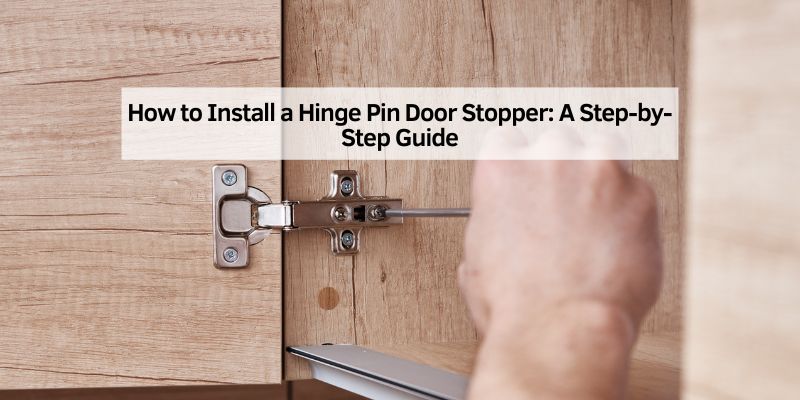
How to Install a Hinge Pin Door Stopper: A Step-by-Step Guide
Hey there! If you’ve ever cringed at the sound of a door slamming into a wall or noticed those annoying dents behind your doorknob, you’re in the right place. Installing a hinge pin door stopper is one of those small home improvement projects that can make a big difference. It’s simple, affordable, and something I’ve done in my own home to protect my walls and keep things quiet. I’m excited to walk you through the process of installing a hinge pin door stopper, sharing tips I’ve learned along the way. Whether you’re a seasoned DIYer or just starting out, this guide will help you get it done with confidence. Let’s dive in and make your home a little more peaceful!
What Is a Hinge Pin Door Stopper?
Let’s start with the basics. A hinge pin door stopper is a small device that attaches to the hinge of your door. It prevents the door from swinging too far and hitting the wall or furniture behind it. I love how discreet these stoppers are—they blend right into the hinge, unlike those bulky floor or wall-mounted stoppers that can be an eyesore. They’re made up of a pin that replaces the existing hinge pin and a small arm that stops the door at a set angle.
When I first discovered hinge pin door stoppers, I was amazed at how simple yet effective they are. They’re perfect for homes with kids who love to fling doors open or for anyone who wants to protect their walls without sacrificing style. Plus, they’re super easy to install, which I’ll walk you through step by step.
Why Choose a Hinge Pin Door Stopper?
You might be wondering why I’d pick a hinge pin door stopper over other types, like spring stoppers or wall-mounted ones. Here’s why I’m a fan. First, they’re incredibly space-saving. Since they attach to the hinge, they don’t take up floor space or require drilling into your walls. Second, they’re adjustable, so you can set the door’s stopping point exactly where you want it. Third, they’re durable—made of metal or strong plastic, they can handle years of use.
In my house, I’ve got a mix of door stoppers, but the hinge pin ones are my go-to for high-traffic areas like the kids’ rooms and the bathroom. They’re less likely to get kicked or tripped over, and they don’t leave marks on the floor. If you’re looking for a low-maintenance, stylish solution, this is it.
Tools and Materials You’ll Need
Before we get started, let’s gather everything you need. I always like to have my tools ready so I’m not scrambling mid-project. Here’s what I used when I installed my hinge pin door stoppers:
| Item | Purpose |
|---|---|
| Hinge pin door stopper | The main component to stop the door from swinging too far. |
| Screwdriver (flathead) | To pry out the existing hinge pin. |
| Hammer | To gently tap the hinge pin out or back in. |
| Pliers | For gripping and pulling the hinge pin if it’s stubborn. |
| Measuring tape | To check the door’s swing and stopper placement (optional). |
| Cleaning cloth | To wipe down the hinge for a clean installation. |
| Lubricant (optional) | To ease the hinge pin removal if it’s stuck. |
You can find hinge pin door stoppers at any hardware store or online. They usually cost between $5 and $15, depending on the material and brand. I picked up a pack of three for about $10, and they’ve been worth every penny. Make sure the stopper you buy matches your door’s hinge size—most are universal, but it’s worth double-checking.
Step-by-Step Guide to Installing a Hinge Pin Door Stopper
Now, let’s get to the fun part—actually installing the door stopper. I’ve done this a few times, and it’s honestly a quick project that takes about 10-15 minutes per door. Here’s how I do it:
Step 1: Choose the Right Hinge
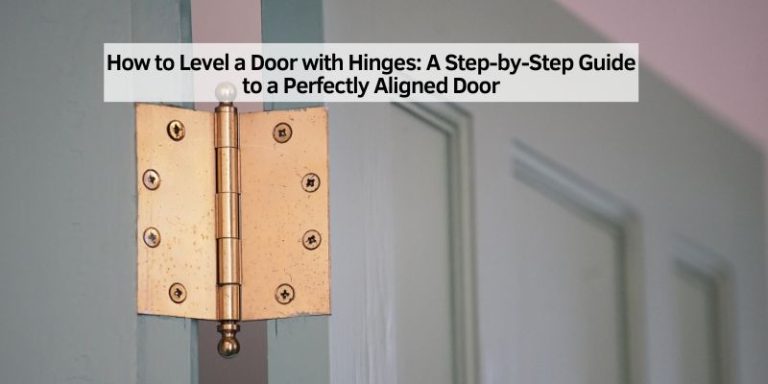
Not every hinge on your door needs a stopper, so let’s pick the best one. I usually go for the top hinge because it’s easier to access and provides solid support. The middle hinge works too, but I avoid the bottom hinge since it’s closer to the floor and can be trickier to work with. If your door is heavy, like a solid wood or exterior door, the top hinge is definitely your best bet.
Take a quick look at your door’s hinges. Make sure they’re in good condition—no rust or loose screws. If the hinge looks worn out, you might want to tighten the screws or replace the hinge before installing the stopper.
Step 2: Remove the Existing Hinge Pin
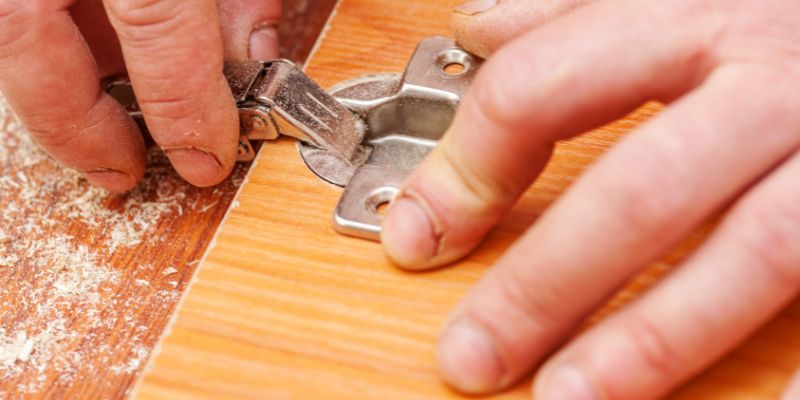
This part can feel a little intimidating at first, but it’s easier than it looks. Grab your flathead screwdriver and hammer. Place the screwdriver under the head of the hinge pin (that’s the little round part sticking out at the top of the hinge). Gently tap the screwdriver with the hammer to push the pin upward. It should start to slide out.
If the pin is stubborn—like one of mine was in an older door—use pliers to grip the pin and pull it out. Sometimes a little lubricant, like WD-40, helps loosen things up. Be patient and wiggle the pin gently to avoid damaging the hinge. Once the pin is out, set it aside in case you need it later.
Step 3: Clean the Hinge
Before installing the new stopper, I like to give the hinge a quick wipe with a cleaning cloth. Over time, hinges can collect dust or grime, and a clean surface makes the installation smoother. This step is optional, but I find it helps everything look neat and professional.
Step 4: Insert the Hinge Pin Door Stopper
Now, take your hinge pin door stopper. It’ll have a new pin attached to the stopper arm. Slide the new pin into the hinge where the old one was. You might need to tap it gently with the hammer to get it fully seated. Make sure the stopper arm is facing the right direction—toward the door or the wall, depending on your model’s design.
I remember the first time I did this, I wasn’t sure if the pin was in all the way. Just give it a gentle tug to confirm it’s secure. It should feel snug and not wobble.
Step 5: Adjust the Stopper
Most hinge pin door stoppers are adjustable, which is one of my favorite features. The stopper arm usually has a screw or knob that lets you set how far the door can open. Open the door to where you want it to stop—far enough to let people through comfortably but not so far that it hits the wall. Then, tighten the screw or adjust the knob to lock the stopper in place.
I tested this by opening and closing the door a few times to make sure it stopped where I wanted. If it’s not quite right, loosen the screw and tweak it until it’s perfect.
Step 6: Test the Door
Now comes the satisfying part—testing your work! Open and close the door a Facetune your document in a more conversational tone, like you’re explaining it to a friend sitting next to you. Here’s how you can install a hinge pin door stopper to keep your walls safe and your home peaceful.
What Is a Hinge Pin Door Stopper?
First things first, let’s talk about what this little gadget is. A hinge pin door stopper is a small device that attaches to your door’s hinge. Its job? To stop the door from swinging too far and banging into your walls or furniture. I love how these stoppers are almost invisible—they tuck right into the hinge, so they don’t mess with your home’s aesthetic like those clunky floor or wall stoppers. They consist of a pin that replaces your existing hinge pin and an arm that blocks the door at a specific angle.
When I first found out about hinge pin door stoppers, I was blown away by how simple yet effective they are. They’re perfect for homes with kids who slam doors or for anyone who wants to protect their walls without losing style points. Plus, they’re a breeze to install, and I’m going to walk you through it step by step.
Why Choose a Hinge Pin Door Stopper?
You might be wondering why I’d pick a hinge pin stopper over other options like spring stoppers or wall-mounted ones. Here’s the deal. For one, they save space. Since they attach to the hinge, they don’t clutter up your floor or require drilling into your walls. They’re also adjustable, so you can decide exactly how far your door opens. And they’re built to last—usually made of metal or sturdy plastic, they can take a beating for years.
In my home, I’ve tried different door stoppers, but hinge pin ones are my favorite for busy spots like the kids’ rooms or the bathroom. They don’t get kicked or tripped over, and they don’t leave marks on your floor. If you want a low-maintenance, sleek solution, this is the way to go.
Tools and Materials You’ll Need
Before we jump in, let’s make sure you’ve got everything ready. I always like to have my tools lined up so I’m not digging through drawers mid-project. Here’s what I used when I put in my hinge pin door stoppers:
| Item | Purpose |
|---|---|
| Hinge pin door stopper | The star of the show—stops the door from swinging too far. |
| Flathead screwdriver | For prying out the existing hinge pin. |
| Hammer | To tap the hinge pin out or back in gently. |
| Pliers | For grabbing and pulling the pin if it’s being stubborn. |
| Measuring tape | To check the door’s swing and stopper placement (optional). |
| Cleaning cloth | To wipe down the hinge for a clean install. |
| Lubricant (optional) | To loosen a stuck hinge pin if needed. |
You can grab hinge pin door stoppers at any hardware store or online. They usually run between $5 and $15, depending on the material and brand. I snagged a pack of three for about $10, and they’ve been worth every cent. Just make sure the stopper matches your door’s hinge size—most are universal, but it doesn’t hurt to check.
Step-by-Step Guide to Installing a Hinge Pin Door Stopper
Alright, let’s get to the good stuff—installing the door stopper. I’ve done this a handful of times, and it’s a quick project, maybe 10-15 minutes per door. Here’s how I do it:
Choose the Right Hinge
Not all hinges are created equal for this job. I usually pick the top hinge because it’s easier to reach and gives solid support. The middle hinge is fine too, but I steer clear of the bottom one since it’s low and can be a pain to work with. If your door is heavy—like a solid wood or exterior door—the top hinge is your best choice.
Take a peek at your door’s hinges. Make sure they’re in good shape—no rust or loose screws. If a hinge looks rough, tighten the screws or replace it before adding the stopper.
Remove the Existing Hinge Pin
This part might feel a bit daunting at first, but it’s simpler than it seems. Grab your flathead screwdriver and hammer. Place the screwdriver under the head of the hinge pin—that’s the round bit sticking out at the top of the hinge. Tap the screwdriver lightly with the hammer to nudge the pin up. It should start sliding out.
If the pin’s being stubborn—like one was in my old house—use pliers to grip and pull it. A dab of lubricant, like WD-40, can help if it’s really stuck. Be gentle and wiggle it to avoid messing up the hinge. Once it’s out, set the old pin aside in case you need it later.
Clean the Hinge
Before popping in the new stopper, I like to wipe the hinge with a cleaning cloth. Hinges can get grimy over time, and a clean surface makes everything smoother. This step’s optional, but I find it gives a polished look.
Insert the Hinge Pin Door Stopper
Now, grab your hinge pin door stopper. It’ll have a new pin attached to the stopper arm. Slide the new pin into the hinge where the old one was. You might need to tap it lightly with the hammer to get it fully in place. Make sure the stopper arm is facing the right way—toward the door or wall, depending on your model.
The first time I did this, I wasn’t sure if the pin was fully seated. Just give it a gentle tug to check it’s secure. It should feel solid, not wobbly.
Adjust the Stopper
Here’s where the magic happens. Most hinge pin door stoppers are adjustable, which I love. The stopper arm usually has a screw or knob to set how far the door opens. Swing the door to where you want it to stop—wide enough for easy access but not so far it hits the wall. Then tighten the screw or adjust the knob to lock it in place.
I tested mine by opening and closing the door a few times to get the stop just right. If it’s off, loosen the screw and tweak it until it’s perfect.
Test the Door
Now for the fun part—testing it out! Open and close the door to make sure the stopper works as expected. The door should stop smoothly at the point you set, protecting your walls without any fuss. If it feels off, double-check the stopper’s adjustment or make sure the pin is fully inserted.
When I installed mine, I was amazed at how such a small change made such a big difference. No more dents in the wall or loud bangs when the kids burst through the door!
Common Mistakes to Avoid
I’ve made a few slip-ups installing these, so let me save you some trouble. First, don’t force the hinge pin out or in—it can damage the hinge or door frame. If it’s stuck, use lubricant and take your time. Second, don’t skip testing the door’s swing after installation. You want to make sure the stopper stops the door before it hits anything. Third, double-check that you’re using the right size stopper for your hinge. A mismatch can make the pin loose or hard to install.
One time, I rushed and put the stopper arm facing the wrong way. The door wouldn’t open properly, and I had to redo it. Take a moment to check the instructions that come with your stopper—they’re usually clear and helpful.
Benefits of Using a Hinge Pin Door Stopper
After installing these in my home, I noticed some real perks. My walls are dent-free, which saves me from patching and repainting. The stoppers are subtle, so they don’t clash with my decor. They’re also super durable—I’ve had mine for years, and they’re still going strong. Plus, they’re adjustable, so I can tweak the door’s swing if I rearrange furniture.
Another bonus? They’re kid- and pet-friendly. No small parts on the floor for little ones to grab or for the dog to chew. And they’re low-maintenance—no need to replace or adjust them often.
Where to Use Hinge Pin Door Stoppers in Your Home
I’ve found these stoppers work great in high-traffic areas. In my house, I put them on the kids’ bedroom doors, the bathroom door, and the door to the garage. They’re perfect for any door that gets flung open a lot or risks hitting something valuable, like a glass shower door or a piece of furniture. I even added one to my front door to keep it from banging into the entryway table.
If you’ve got a small apartment or tight spaces, these are a lifesaver since they don’t take up extra room. They’re also great for rental properties since they don’t require drilling or permanent changes.
Maintenance and Long-Term Care
One thing I love about hinge pin door stoppers is how little upkeep they need. Every six months or so, I check the adjustment screw to make sure it’s tight. If the door starts to feel loose or the stopper isn’t holding, a quick tweak usually fixes it. I also give the hinge a wipe-down now and then to keep it clean.
If you notice the stopper arm getting loose or the pin starting to wobble, it might be time to tighten everything or replace the stopper. But honestly, I’ve had mine for years with no issues.
Where to Buy Hinge Pin Door Stoppers
You can find these at most hardware stores like Home Depot or Lowe’s. Online, Amazon has a huge selection, and I’ve seen good deals on sites like Walmart or Wayfair. Look for brands like Schlage or Baldwin—they’re reliable and well-made. I usually check reviews to make sure the stopper fits standard hinges and has clear instructions.
Pro tip: If you’re buying online, double-check the hinge size and whether the stopper is adjustable. Some cheaper ones aren’t, which can be a hassle if you need flexibility.
A Quick Note on Safety
When installing, be careful not to overtighten screws or force the pin, as it can strip the hinge or damage the door. If you’re working on a heavy door, have someone hold it steady while you swap the pin—it makes things easier and safer. And if you’re using a hammer, tap gently to avoid dents or scratches.
I once got a little overzealous with the hammer and left a small mark on the hinge. It wasn’t a big deal, but a lighter touch would’ve saved me the touch-up paint.
Conclusion
Installing a hinge pin door stopper is one of those small projects that feels like a big win. It’s quick, affordable, and saves your walls from damage while keeping your home quieter and safer. I’ve loved the peace of mind these stoppers bring to my house—no more worrying about dents or loud slams when the kids are running around. With just a few tools and a little patience, you can tackle this project in no time. It’s a simple way to add function and style to your home, and I’m confident you’ll love the results as much as I do. So grab a stopper, follow these steps, and enjoy a dent-free, stress-free home!
Frequently Asked Questions
Can I install a hinge pin door stopper on any door?
Yes, most hinge pin door stoppers work with standard hinges. Just check that the stopper’s pin size matches your door’s hinge. Some older or custom hinges might need a specific size, so measure first.
How long does it take to install a hinge pin door stopper?
It usually takes me about 10-15 minutes per door. If the hinge pin is stuck, it might take a bit longer, but it’s still a quick project.
Do hinge pin door stoppers damage the door or hinge?
Not if you install them carefully. Avoid forcing the pin or overtightening screws, and you shouldn’t have any issues. I’ve never had a problem with damage in my installations.
Can I adjust the stopper after installing it?
Absolutely! Most hinge pin door stoppers have an adjustable arm. Just loosen the screw or knob, move the arm to your desired stop point, and tighten it back up.
Are hinge pin door stoppers safe for homes with kids?
Yes, they’re great for kid-friendly homes. They’re high up on the hinge, so there’s nothing for kids to grab or play with, and they help prevent doors from slamming.