How to Lock a Hotel Door: Deadbolt, Chain & Portable Lock Guide
A hotel door is only fully locked when the deadbolt and privacy latch are both engaged — the main lever lock alone stops casual, not forced, entry. A demagnetized keycard or a thin privacy chain can leave your room accessible in seconds. This guide covers the correct lock order, ANSI-rated backup tools like portable door locks, and what to do the moment a lock feels loose.
What Is “How to Lock a Hotel Door”?
Locking a hotel door means engaging every layer the door offers, not just closing it. Hotel doors ship with a self-latching lever lock, but that lock alone is rated for convenience, not forced entry — the deadbolt and privacy latch are what actually resist someone pushing or kicking the door. For a full breakdown of the deadbolts, chains, and smart locks covered across the site, see our door hardware and locks guide. If you ever need the reverse skill, our guide on opening a hotel door latch explains how the same hardware works from the other side.
Why Hotel Door Security Matters
Hotels are high-traffic buildings with housekeeping staff, maintenance crews, and hundreds of guests moving through shared hallways every day. A fully engaged lock is what actually stops a wrong key card, a maintenance override, or a simple mistaken room assignment from turning into someone walking in on you. It also protects whatever you leave behind — a laptop, a passport, prescription medication — while you’re out for the day.
Types of Hotel Door Locks
Hotel doors use several different lock mechanisms, often layered on the same door. Here are the most common:
- Keycard Locks: An electronic reader unlocks the main lever when you swipe or tap a programmed card.
- Deadbolts: A solid bolt slides deep into the door frame and can only be thrown from inside the room.
- Privacy/Chain Latches: A short metal chain or slide guard limits how far the door opens, even with a working key (the same style covered in our bedroom door lock guide).
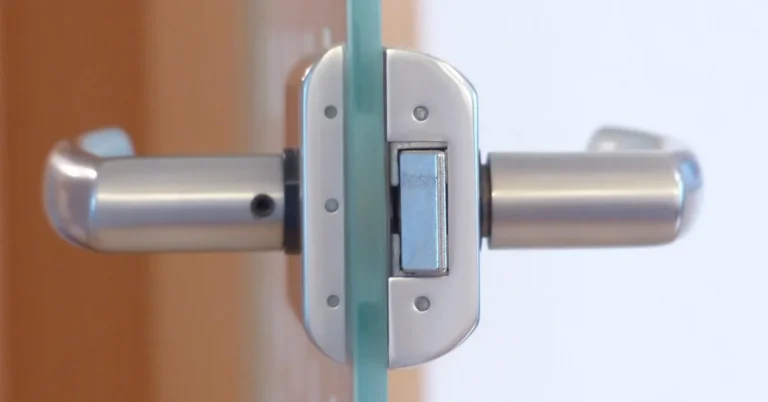
- Manual Lever Locks: The base lock built into the handle — usually self-latching when the door closes, but the weakest layer on its own.
Each layer resists a different kind of entry attempt — stacking two or three at once is what actually keeps a room secure.
Hotel Door Lock Types at a Glance
| Lock Type | How It Works | Pros | Cons |
|---|---|---|---|
| Keycard Lock | Swipe or tap to unlock | Easy to use, no physical key | Demagnetizes near phones or other cards |
| Deadbolt | Bolt slides into the frame | Most resistant to forced entry | Only operable from inside |
| Privacy/Chain Latch | Chain or slide guard limits door travel | Fast extra layer | Thin metal can be pried or cut |
| Manual Lever Lock | Turn or push the handle to lock | Simple, self-latching on most doors | Least secure used alone |
How to Lock a Hotel Door: Step-by-Step
Locking your hotel door properly takes under 15 seconds once you know the order. Follow these four steps every time you’re in the room for the night.
- Check the Main Lock: Close the door and confirm the lever lock clicks shut on its own — most hotel doors self-latch.
- Engage the Deadbolt: Turn the deadbolt knob until it stops. It should slide fully into the door frame, not just partway.
- Set the Privacy Latch or Chain: Fasten the chain or slide guard so the door can’t open more than a few inches, even with a key.
- Test the Door: Push and pull the handle firmly. A properly locked door should not move or rattle.
These four steps take seconds but close nearly every gap a hotel lock has on its own.
How to Secure a Lock for Your Hotel Room Beyond the Deadbolt
Securing a hotel room beyond the built-in lock means adding a mechanical backup that works no matter who else has a key or keycard. A portable door lock, a rubber door wedge, or a soft door jammer each physically block the door from swinging open past a couple of inches, independent of the room’s own hardware.
Installation takes under 10 seconds on most inward-opening doors: slide the metal or rubber tab into the gap between the door and frame near the strike plate, then push the door shut until it seats. Compare that to a fixed home deadbolt and the tradeoff is clear — portable locks trade permanence for something that fits in a jacket pocket.
📊 Grade 1 deadbolts — the standard most commercial hotel locks are built to — must withstand 250,000 open-close cycles and pass forced-entry impact testing under ANSI/BHMA A156.5. A portable door lock adds a second, independent barrier that doesn’t depend on that hardware being properly maintained. Source: ANSI Blog, 2026
If you don’t have a dedicated device on you, a hand towel looped over the privacy latch before you engage it adds friction that makes the latch harder to slip with a card or shim — a real backup, though not a substitute for a proper portable lock on a longer trip. Similar low-tech tricks work when a lock feels flimsy, like wedging a sturdy fork behind the door lever.
Tools to Boost Hotel Door Security
Sometimes the built-in locks aren’t enough on their own. These three tools are small enough to pack and add a real second layer:
- Portable Door Lock: A small device that fits most inward-opening doors and stops them from opening even with a working key.
- Door Stopper Alarm: A wedge that blocks the door and sounds an alarm if someone tries to force it open.
- Travel Door Jammer: A bar that braces the door against the floor for doors a portable lock can’t grip.
These tools are cheap, pack flat, and work even if the hotel’s own lock is worn out or faulty.
Hotel Door Security Tools Compared
| Tool | Cost (Approx.) | Ease of Use | Features |
|---|---|---|---|
| Portable Door Lock | $10–$25 | Very easy, no tools | Fits most inward-opening doors |
| Door Stopper Alarm | $15–$25 | Easy | Blocks door, sounds alarm |
| Travel Door Jammer | $20–$30 | Moderate | Strong brace, adjustable height |
Best Portable Hotel Door Lock Pick
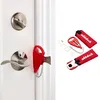
Addalock The Original Portable Door Lock – $24.95
Installs in the same under-10-second motion this guide walks through above — slides into the strike-plate gap and holds even if someone has a working key or keycard.
- Best for: travelers who want the most established, widely-reviewed portable lock brand
- Why we picked it: works on the same inward-opening doors covered in the step-by-step above, no tools needed
- Main drawback: needs about 3mm of gap between door and frame to seat properly
Compare more hotel door security options
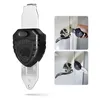 Option 1 Guard Dog Security Blocklock – $13.99
|
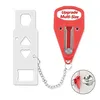 Option 2 AceMining Portable Door Lock – $10.79
|
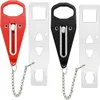 Option 3 Rerishom 2-Pack Portable Door Lock – $14.99
|
As an Amazon Associate we earn from qualifying purchases.
Benefits of Locking Your Hotel Door Well
A fully secured door keeps you safe from an unexpected intrusion and protects valuables like your phone, wallet, or laptop while you sleep or step out. It also means you can relax and actually rest instead of half-listening for the door all night. Backup tools like a portable lock keep working even if the hotel’s own hardware fails.
Drawbacks of Relying Only on Hotel Locks
Hotel locks can fail in ordinary ways. Keycards stop working when the magnetic strip demagnetizes near a phone or another card in your wallet. Chain locks are thin enough to be pried or cut. Some older doors don’t have a deadbolt at all, only the lever lock. That’s why a portable lock is worth packing regardless of what the room already has.
Other Ways to Secure Your Hotel Room
Besides the door itself, a few habits close other gaps:
- Use the Hotel Safe: Store passports, cash, and jewelry in the room’s safe rather than leaving them out.
- Check the Windows: Confirm window latches are engaged, especially on ground-floor or easily-reached rooms.
- Request a Higher Floor: Rooms above the second floor are harder to reach from outside.
In a pinch, household items work too — see how to lock a door with a belt or a fork when you have zero backup tools on hand.
My Personal Tips for Hotel Door Safety
After years of hotel stays, a few habits stick:
- Inspect the Lock First: Check the door lock the moment you arrive. If it looks damaged, ask for a different room before you unpack.
- Carry a Portable Lock: It’s small, cheap, and works on almost any inward-opening door.
- Avoid Ground-Floor Rooms: They’re the easiest for a stranger to reach from outside.
“I check the lock the second I walk into a room — if the deadbolt doesn’t turn smoothly or the chain plate is bent, I call the front desk before I unpack. A portable lock has been in my carry-on for years since a chain lock failed to fully catch in an older motel room.”
Common Hotel Door Mistakes and Fixes
| Mistake | Fix |
|---|---|
| Not testing the lock after closing | Push and pull the door before you settle in |
| Skipping the chain or privacy latch | Always engage it when you’re inside |
| Leaving valuables out in the open | Store them in the hotel safe |
| Trusting the keycard as the only lock | Add the deadbolt or a portable lock every night |
More Safety Ideas for Travelers
A few extra habits add more peace of mind:
- Keep the “Do Not Disturb” Sign On: It signals the room is occupied even when you’re out.
- Know the Exits: Locate the nearest fire exit as soon as you check in.
- Share Your Plans: Send your hotel name and room details to a friend or family member.
Frequently Asked Questions
How Do I Know If My Hotel Door Is Locked?
Push or pull the door gently after locking it — it should not move at all. Check that the main lever lock has clicked shut, the deadbolt is fully extended into the frame, and the privacy latch or chain is engaged. If anything feels loose or grinds instead of clicking, ask the front desk to fix it or switch rooms.
Can I Use a Portable Door Lock on Any Hotel Door?
Most portable door locks fit inward-opening hotel doors with a standard strike plate, which covers the large majority of U.S. hotel rooms. They generally won’t work on outward-swinging doors or doors with less than about 3mm of gap between the door and frame. Check the product listing’s compatibility notes before you travel.
Are Hotel Keycard Locks Safe?
Keycard locks are generally reliable, but the magnetic strip can demagnetize near a phone or another card, and some older RFID models have had documented cloning vulnerabilities. Always back up a keycard lock with the deadbolt or privacy latch — the keycard should never be your only line of defense.
What’s the Best Tool for Hotel Door Security?
A portable door lock is the top pick for most travelers — it costs about $10 to $25, installs in seconds without tools, and holds even if someone has a working key or keycard. A door stopper alarm is a good second layer since it also alerts you if someone tries to force the door.
Can Someone Break Into a Locked Hotel Room?
It’s uncommon but not impossible — thin privacy chains can be pried or cut, and a demagnetized keycard sometimes gets re-issued to the wrong guest by mistake. Engaging the deadbolt plus a portable lock closes both of those gaps, and storing valuables in the room safe limits what’s worth taking even if someone does get in.
What If My Hotel Door Lock Is Broken?
Report it to the front desk immediately and ask for a different room rather than waiting on a repair. Until you’re moved, use a portable door lock or a door stopper wedge as a temporary backup — never treat a broken lock as good enough for the night.
Do Hotel Room Doors Lock Automatically When You Close Them?
Most modern hotel doors have a self-latching lever lock that engages automatically when the door swings shut, but that’s only the base lock — it doesn’t extend a deadbolt or engage the privacy latch. Always manually check and set the deadbolt and chain yourself; don’t rely on the door closing alone.
Conclusion
Locking a hotel door properly means engaging all three layers — the lever lock, the deadbolt, and the privacy latch or chain — every single time, not just closing the door and walking away. A $10–$25 portable lock or door stopper alarm closes the gap when any one of those layers is worn out, demagnetized, or missing. Check the lock the moment you arrive, use the hotel safe for valuables, and pack a backup tool on your next trip.
Sponsored / affiliate links. As an Amazon Associate I earn from qualifying purchases. I may earn additional commission from eligible campaigns.