How to Open a Locked Door with a Screwdriver Safely
When you find yourself locked out, it can feel like a big problem, especially if you don’t have a key handy. Many people wonder about how to open a locked door with a screwdriver safely. This can seem tricky if you’ve never done it before, and it’s important to approach it the right way. Don’t worry, though. This guide will walk you through simple steps to help you get through that door without causing damage. We will cover everything you need to know to make this process as easy as possible.
How to Open a Locked Door with a Screwdriver Safely
Learning how to open a locked door with a screwdriver safely is a useful skill for various situations. It’s a common topic because unexpected lockouts happen to almost everyone at some point. For beginners, the challenge often lies in understanding the mechanics of the lock and how to apply the right pressure without breaking anything. Many people worry about damaging the door or the lock itself, which is a valid concern.
This section will explore the fundamental principles behind this technique, making it accessible even if you’re new to such tasks. We’ll break down what makes a lock tick and how a simple tool like a screwdriver can interact with it.
Understanding the Lock Mechanism
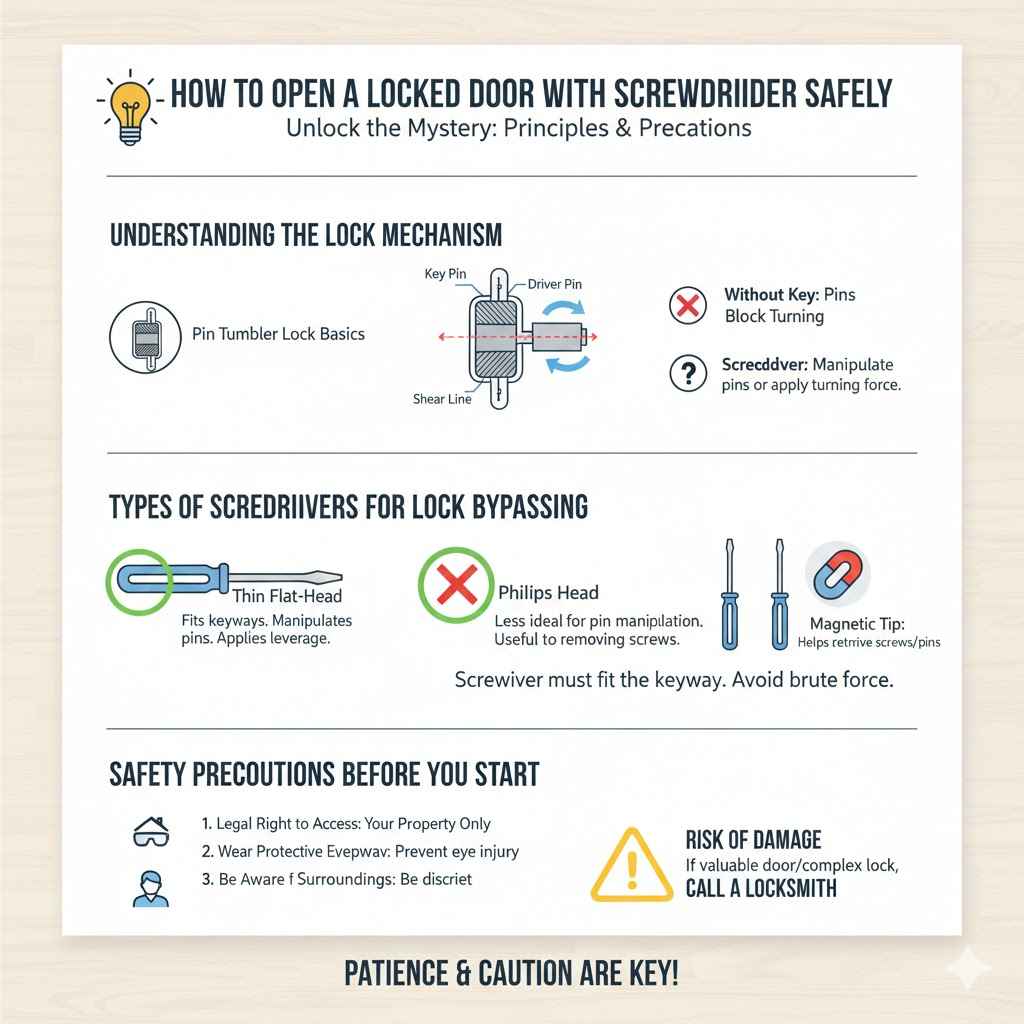
To successfully learn how to open a locked door with a screwdriver safely, you first need a basic grasp of how most common door locks work. The most prevalent type is the pin tumbler lock, found in many doorknobs and deadbolts. Inside the lock cylinder, there are sets of pins, each made of two parts: a key pin and a driver pin. When the correct key is inserted, the cuts on the key align these pins so that the gap between the two parts of each pin lines up perfectly with the shear line of the cylinder. This alignment allows the cylinder to turn freely. Without the key, the driver pins push down, preventing the cylinder from rotating.
A screwdriver can be used to manipulate these pins or to apply turning force. The goal is often to trick the lock into thinking the correct key is present or to bypass the locking mechanism entirely. For example, in some simpler locks, a thin, flat screwdriver can be inserted into the keyway and jiggled to try and align the pins. In other methods, the screwdriver might be used to apply tension while other tools gently prod the pins. It’s about understanding the weak points and applying just enough force in the right places. This requires patience and a delicate touch, rather than brute strength.
Types of Screwdrivers for Lock Bypassing
Not all screwdrivers are created equal when it comes to potentially opening a locked door. The effectiveness of your tool depends heavily on the type of lock and the specific method you plan to use. For most common household doors, you’ll likely be dealing with pin tumbler locks, which often respond best to certain types of screwdrivers. The key is to have a tool that can fit into the lock mechanism or apply leverage effectively without causing damage.
A thin, flat-head screwdriver is frequently recommended for several reasons. Its slim profile allows it to be inserted into narrow keyways, which is essential for manipulating pins or applying a turning force. The flat edge can also be useful for prying or applying consistent pressure.
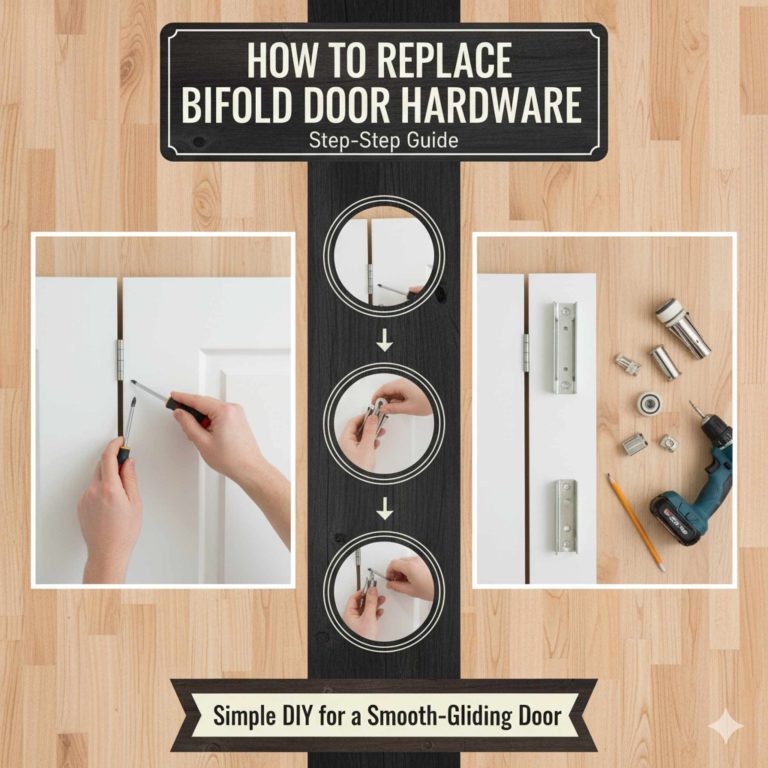
A Phillips head screwdriver might be less ideal for directly interacting with the pins inside a lock cylinder, but it could be used in situations where you need to remove screws securing the lock hardware from the door.
Consider the length and thickness of the screwdriver. A screwdriver that is too thick will not fit into the keyway. One that is too long might be difficult to control. A screwdriver with a magnetic tip can be helpful for retrieving dropped pins or screws, but it doesn’t directly aid in the lock bypassing process itself.
Safety Precautions Before You Start
Before attempting any method to open a locked door, it’s crucial to prioritize safety. You don’t want to end up with a more significant problem than a locked door. First, ensure you are on your property and have the legal right to access the door. Never attempt to open a door that does not belong to you.
Second, wear protective eyewear. Small metal pieces or spring tension can cause them to fly out, and you don’t want to injure your eyes. Gloves can also protect your hands from splinters or sharp edges.
Third, be aware of your surroundings. If you are in a public area, draw less attention to yourself by being discreet. If you are dealing with an emergency, call for professional help.
Fourth, understand that some methods can damage the lock or door. If the door is valuable or the lock is complex, it might be better to seek professional assistance from a locksmith. This guide aims for safe methods, but mistakes can happen.
How to Open a Locked Door with a Screwdriver Safely Using Common Techniques
This section provides step-by-step guidance on how to open a locked door with a screwdriver safely. These methods are generally for simpler locks, like those found on interior doors or older, less secure exterior doors. It is important to remember that these techniques may not work on high-security locks, and attempting them on such locks could cause damage. Always proceed with caution and gentleness.
Method 1 The Jiggle Method for Simple Interior Locks
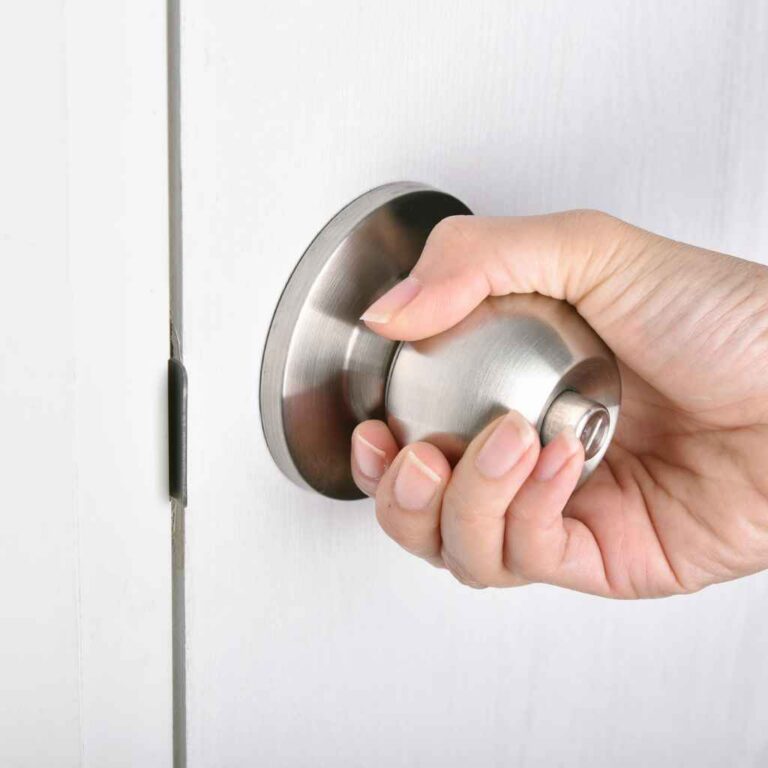
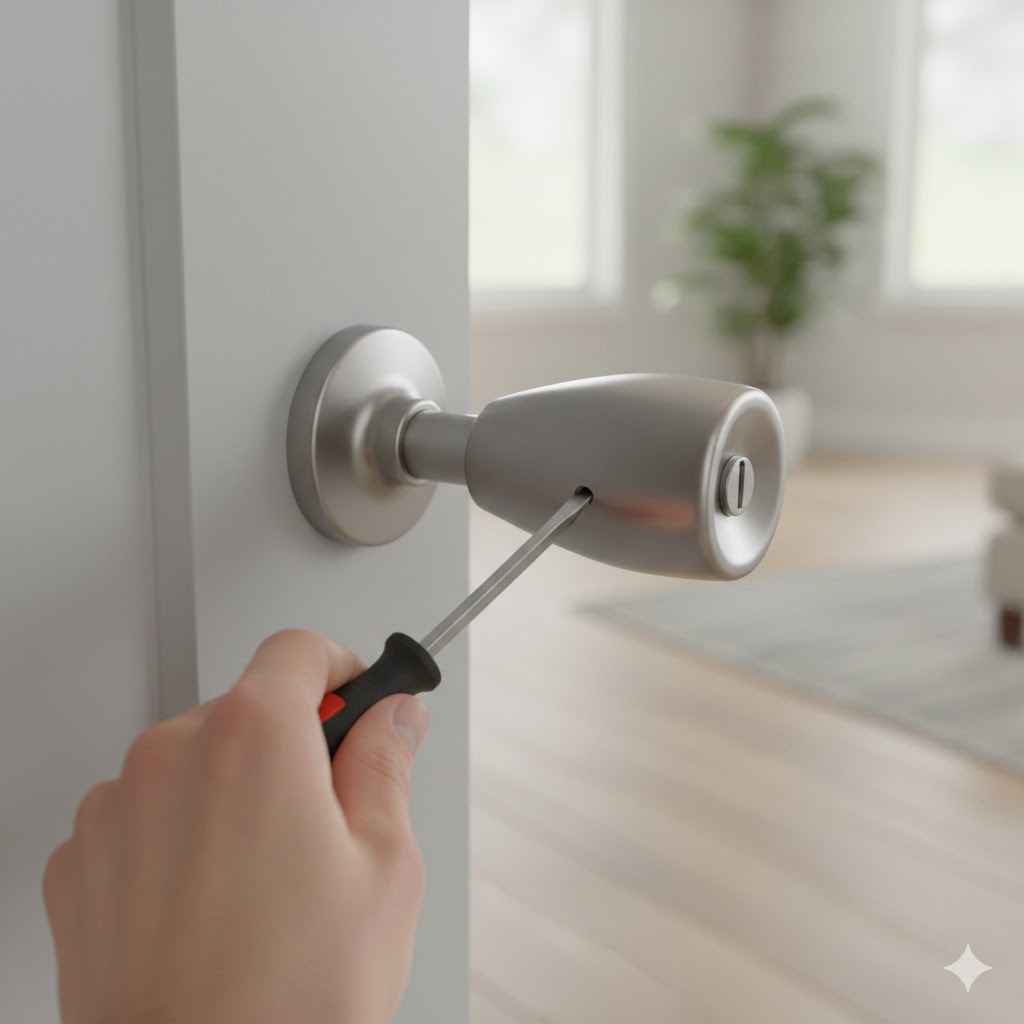
This technique is best for very basic interior doorknobs that have a small hole on the outside handle. These are often found on bathrooms or bedrooms. The hole is usually there for emergency access by design.
1. Find a thin, flat-head screwdriver or a similar thin, stiff object like a paperclip straightened out. It needs to be small enough to fit into the hole.
2. Insert the tip of the screwdriver into the small hole on the outside of the doorknob.
3. Gently push the screwdriver straight in. You should feel some resistance.
4. As you push, try to twist the doorknob slightly or apply gentle turning pressure with the screwdriver. The goal is to depress a small mechanism inside.
5. If it doesn’t open immediately, try wiggling the screwdriver slightly while applying gentle pressure. You are essentially trying to find the sweet spot that disengages the lock.
6. Once you feel a click or the knob turns, the door should open. This method relies on the simple spring-loaded latch mechanism common in interior doors.
Example Scenario 1
Sarah was getting ready for work and accidentally shut her bedroom door, locking her keys inside. The doorknob had the familiar small hole on the exterior side. She grabbed a thin flat-head screwdriver from her toolbox. She inserted it into the hole and felt it connect with something. With a slight twist and wiggle, she heard a click, and the doorknob turned, allowing her to retrieve her keys.
Method 2 Bypassing a Spring Latch Lock
This method is for doors that use a spring latch rather than a deadbolt and requires a thin, flexible tool. This can work on some older exterior doors or interior doors with a more robust latch. The idea is to slide the latch back into the door.
1. Obtain a thin, stiff, but flexible piece of material. A credit card, loyalty card, or a thin shim of plastic can work well. Avoid using anything too flimsy that will bend completely.
2. the latch is located.
3. Angle the card downwards, towards the latch mechanism.
4. Apply steady inward pressure on the card while also pushing the door inwards slightly. You are trying to force the beveled edge of the latch to retract into the door jamb.
5. Wiggle the card and the door. You might need to try inserting the card at a slightly different angle or applying pressure on the door from different sides.
6. If successful, the latch will slide back, and the door will open. This works best when the door is not tightly shut against the frame.
Real-Life Example 1
John’s cat managed to push the kitchen door shut from the inside, locking it. The door had a spring latch but no deadbolt. John, remembering a trick he’d seen, took an old gift card. He slid it into the gap between the door and the frame near the latch. By angling the card and pushing the door in a bit, he managed to retract the latch, and the door swung open, freeing his feline friend.
Method 3 Manipulating a Simple Pin Tumbler Lock (Non-Destructive Attempt)
This is a more advanced technique and requires patience. It’s an attempt to pick a simple pin tumbler lock using a screwdriver. This is rarely as effective as using proper lock-picking tools but can sometimes work on very basic locks. This method is focused on a flat-head screwdriver acting as a tension wrench.
1. You will need a flat-head screwdriver that fits snugly into the keyway of the lock. It should be thin enough to get in but sturdy enough to apply turning pressure.
2. You will also need a very thin, rigid tool to act as a pick. A bobby pin, a small metal shim, or a sturdy paperclip bent into a pick shape can work.
3. Insert the flat-head screwdriver into the bottom of the keyway. Apply very light turning pressure in the direction you would turn the key to unlock the door. This is called tension.
4. Insert your makeshift pick into the top of the keyway, above the screwdriver.
5. Gently probe the pins inside the lock. Try to feel for the individual pins and push them upwards.
6. When you lift a pin to the shear line, you should feel a slight click or give. The tension from the screwdriver should hold that pin in place.
7. Continue this process for each pin. If done correctly, once all pins are set at the shear line, the cylinder will turn under the tension applied by the screwdriver, and the lock will open.
Case Study 1
A student was locked out of their dorm room. The door had a standard pin tumbler lock. Lacking a key and not wanting to wait for maintenance, they attempted to bypass it. Using a thin flat-head screwdriver for tension and a straightened bobby pin as a pick, they carefully worked on the pins. After about fifteen minutes of gentle manipulation and feeling for the pins to set, they felt the cylinder turn, and the door unlocked. This saved them from having to call for assistance and wait.
When to Call a Professional Locksmith
It’s important to know when to stop attempting to open a lock yourself and to call for professional help. If you’ve tried the above methods and they haven’t worked, or if you’re dealing with a deadbolt, a high-security lock, or a valuable door, it’s time to call a locksmith. Forcing a lock or door can lead to expensive repairs. A locksmith has specialized tools and expertise to open locks with minimal or no damage. They can also rekey or replace the lock if necessary. For emergencies, especially if someone is locked inside a dangerous situation, professional help is the fastest and safest option.
Key Considerations for Safely Opening a Locked Door
When you’re in a situation where you need to open a locked door with a screwdriver safely, a few key considerations can make the difference between success and causing damage. Thinking ahead about the type of lock and the tools you have available is crucial. Even with the right intentions, using excessive force can turn a minor inconvenience into a costly repair. This section will highlight important factors to keep in mind to ensure you handle the situation responsibly and effectively.
Assessing the Lock Type
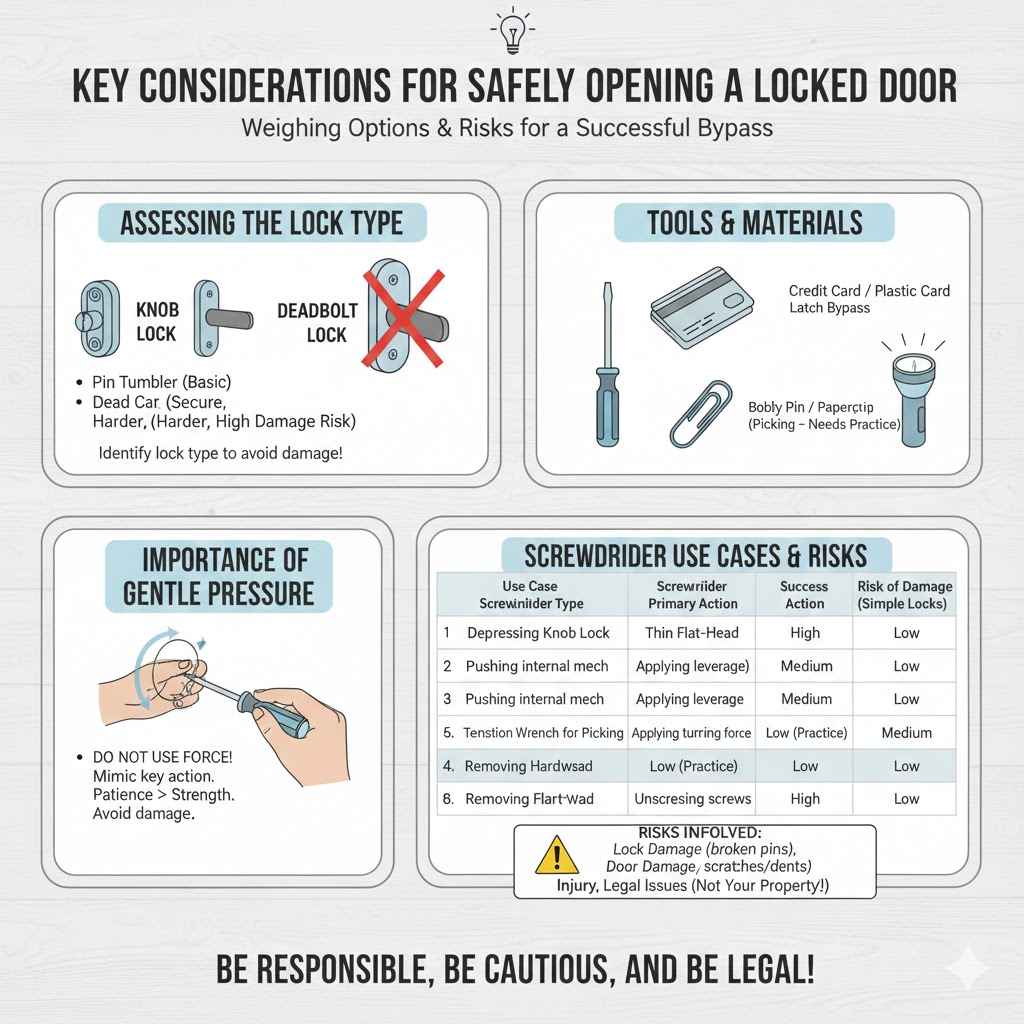
Before you even pick up a screwdriver, take a moment to identify the type of lock you are dealing with. This is perhaps the most critical step in determining if and how you can proceed. The methods described earlier are generally suitable for basic pin tumbler locks, common on interior doors, and some older or less robust exterior doors.
A deadbolt lock, for instance, is significantly more secure. It usually requires a key to lock and unlock from both sides, and its mechanism is designed to resist tampering. Trying to force a deadbolt with a screwdriver is highly likely to damage the lock and possibly the door, and it’s unlikely to be successful.
Another important distinction is between knob locks and deadbolts. Knob locks often have simpler mechanisms, sometimes with an emergency release hole on the exterior knob. Deadbolts have a solid bolt that extends deep into the door frame, making them much harder to bypass without specialized tools.
Knowing the lock type helps you manage your expectations and avoid attempting methods that are not suited for your situation. If you can identify a brand name or model number, a quick online search might give you more information about its specific design and potential vulnerabilities.
Tools and Materials for the Job
When aiming to learn how to open a locked door with a screwdriver safely, having the right tools is important, but it’s also about using them correctly. For the methods discussed, a few common household items can be surprisingly effective.
A basic set of screwdrivers is a good start. You’ll want a variety of sizes, but the most useful for lock bypassing are typically thin, flat-head screwdrivers. A very thin blade is needed to insert into narrow keyways or to slide into the gap between a door and its frame.
Beyond screwdrivers, a thin, stiff, yet slightly flexible item is invaluable for latch bypass. This could be an old credit card, a loyalty card, a plastic gift card, or even a sturdy piece of plastic cut from packaging. The key is that it should be thin enough to slide into the door jamb but rigid enough to apply pressure and hopefully push back the latch.
For more intricate lock manipulation, sometimes referred to as picking, a bobby pin or a strong paperclip bent into a pick shape can be used in conjunction with a tension wrench (often a thin flat-head screwdriver). However, these methods require significant practice and a delicate touch.
It’s also wise to have a flashlight handy, especially if you are working in low light conditions. Sometimes seeing exactly where the tool is going can prevent mistakes.
Statistics on Lock Bypassing Incidents
While specific statistics on successful screwdriver bypasses are hard to find because they are often not reported as such, data on lock security and residential break-ins offer some context. According to FBI data, a significant percentage of burglaries involve unlawful entry without force, suggesting many entry points are not as secure as homeowners believe. For instance, a 2020 report indicated that forced entry accounted for only about 57% of residential burglaries, meaning over 40% were entered through unlocked doors or windows, or via bypass methods. This highlights that many common locks are not as resistant to simple manipulation as one might assume.
Comparison of Screwdriver Use Cases
| Use Case | Screwdriver Type | Primary Action | Success Likelihood (Simple Locks) | Risk of Damage (Simple Locks) |
|---|---|---|---|---|
| Depressing Knob Lock | Thin Flat-Head | Pushing internal mechanism | High | Low |
| Bypassing Spring Latch | Thin Flat-Head (as lever) | Applying leverage to push latch | Medium | Low |
| Tension Wrench for Picking | Thin Flat-Head | Applying turning force | Low (without practice) | Medium |
| Removing Hardware | Phillips or Flat-Head | Unscrewing screws | High | Low |
Importance of Gentle Pressure
One of the most important, yet often overlooked, aspects of trying to open a locked door with a screwdriver safely is the application of gentle pressure. Many people assume that if something doesn’t open easily, more force is needed. This is rarely true when dealing with locks. Applying too much force can bend or break the tool inside the lock, making the situation much worse. It can also damage the internal components of the lock, requiring a full replacement.
When using a screwdriver to manipulate pins, for example, you are trying to feel for subtle clicks and movements. This requires a light touch. If you are trying to bypass a spring latch with a card, you are trying to slide the latch back, not pry the door off its hinges. The goal is to mimic the action of the key or the latch itself, which is a precise rather than a forceful action.
Think of it like this: a key doesn’t require brute strength to turn a lock; it requires the correct alignment. Your screwdriver or other tool is attempting to create that alignment or bypass. Therefore, patience and a delicate hand are far more valuable than raw strength.
Understanding the Risks Involved
While learning how to open a locked door with a screwdriver safely can be a valuable skill, it’s essential to be aware of the risks involved. The primary risk is damage to the lock or the door itself.
If you try to force a lock mechanism, you can bend or break internal pins, springs, or tumblers. This could render the lock inoperable, meaning it won’t open even with the correct key, and will require replacement. A bent screwdriver or pick stuck in the keyway can also be a problem that may require a locksmith to remove.
Furthermore, if you are not careful, you could scratch or dent the door, especially if you are using a screwdriver to pry. The door frame can also be damaged if you’re attempting to bypass a latch with a card and apply too much force.
Another risk, though less common with simple methods, is accidental injury. Sharp tools can slip, and if you’re applying a lot of force, you could injure your hand.
Finally, there’s the legal and ethical risk. You should never attempt to open a door that you do not own or have permission to access. Misusing this knowledge can have serious consequences. Always ensure you are authorized to open the door before attempting any bypass methods.
Conclusion
Learning how to open a locked door with a screwdriver safely is achievable for many common lock types. By understanding your lock and using gentle techniques, you can often resolve lockout situations without damage. Remember to assess your lock, use appropriate tools like thin flat-head screwdrivers or cards, and apply minimal force. When in doubt, calling a professional locksmith is the safest route.
Frequently Asked Questions
Question: Can I use a screwdriver to open any locked door?
Answer: No, you can only use a screwdriver to open certain types of simple locks, like interior doorknobs or basic spring latches. High-security locks or deadbolts are much harder to bypass this way and could be damaged.
Question: What is the biggest risk when trying to open a door with a screwdriver?
Answer: The biggest risk is damaging the lock or the door itself. Applying too much force can break internal parts of the lock or scratch the door surface.
Question: Which type of screwdriver is best for opening simple locks?
Answer: A thin, flat-head screwdriver is usually best because it can fit into narrow keyways and apply turning pressure or manipulate small mechanisms.
Question: How do I know if I’m using too much force?
Answer: If you are having to push or twist very hard, you are likely using too much force. Lock bypassing often relies on finesse and the right alignment, not brute strength.
Question: When should I call a locksmith instead of trying myself?
Answer: You should call a locksmith if the lock is a deadbolt, a high-security lock, if you are not authorized to open the door, or if you are uncomfortable with the process and want to avoid damage.
Wrap Up
This guide explained how to open a locked door with a screwdriver safely for basic locks. You learned about lock types and tools. Gentle pressure and the right approach are key. Always prioritize safety and avoid damaging the lock or door. If you’re unsure, a locksmith is always an option.