How To Protect Acacia Wood Outdoor Furniture Year-Round
Acacia wood outdoor furniture can last for years with proper care. Protecting it year-round involves regular cleaning, sealing, and strategic placement. This guide explains how to keep your furniture beautiful through all seasons.
Understanding Acacia Wood
Acacia wood is a popular choice for outdoor furniture. It comes from acacia trees. These trees grow in many parts of the world. They are known for their hardness and durability. Acacia wood has a beautiful grain. It often has rich, warm colors. This makes it very attractive.
But like all natural wood, it needs care. Especially when it sits outside. The elements can cause damage. This includes fading, cracking, and rotting. Understanding these risks helps us protect it. Acacia wood is naturally resistant to some things. It can handle moisture better than some other woods. It’s also pretty good against insects. But it’s not invincible.
The sun’s UV rays are a big problem. They can bleach the wood. This makes it look dull and gray. Rain can soak into the wood. This can lead to swelling. Then, when it dries, it can crack. Freezing temperatures can also cause damage. Moisture inside the wood can freeze. This expands and cracks the wood. Dirt and debris can also build up. This can lead to mold and mildew.
My Own Struggle with Acacia Wood
I remember my first set of acacia wood patio chairs. I bought them on a whim. They looked so chic on my porch. I thought, “Wood furniture outside, how hard can it be?” I put them right out there. I admired them for a few weeks. Then, the summer sun beat down. I started noticing the color fading. It wasn’t drastic at first. Just a little less vibrant.
Then came a few heavy rainstorms. I didn’t think much of it. The chairs looked a bit damp. But the real problem started in the fall. Leaves piled up. I brushed them off. But some dampness remained. By winter, the chairs looked sad. The beautiful golden-brown was now a dull, silvery-gray. There were even a few small cracks starting to form. I felt a pang of regret. I had spent good money. Now they looked old and worn. I thought I had made a bad choice. I almost decided to buy plastic furniture. But then I decided to research. I learned that I could have prevented much of this. I just needed to know how.
Quick Acacia Wood Care Checklist
Before the Season Starts:
- Clean thoroughly.
- Check for damage.
- Apply a protective sealant.
During the Season:
- Wipe spills quickly.
- Rinse off dirt.
- Check sealant.
At Season’s End:
- Deep clean.
- Reapply sealant if needed.
- Store properly.

Protecting Your Furniture: The Core Steps
Keeping acacia wood furniture looking good year-round isn’t super hard. It just needs a few regular steps. Think of it like taking care of a pet or a plant. A little attention goes a long way. The main goal is to shield the wood from harsh elements. This means water, sun, and temperature changes.
The first big step is cleaning. You need to do this often. Dirt and grime can damage the wood. They can also make it look bad. A good cleaning removes these things. It also lets you check for any problems. You might find a loose screw or a small scratch. Fixing these early stops bigger issues.
Next is sealing. This is very important. Sealant acts like a shield. It stops water from soaking in. It also blocks harmful UV rays. Many outdoor wood products need sealing. Acacia wood is no different. A good sealant makes the wood water-repellent. It also helps keep its color longer.
Then, you need to think about where you put your furniture. Location matters a lot. Is it in full sun all day? Or under a covered porch? This makes a difference. Sometimes, moving furniture can help. Especially during harsh weather.
Year-Round Protection Strategies
Let’s break down how to protect your acacia wood furniture through each season. This makes it feel less overwhelming.
Spring: Awakening Your Furniture
Spring is the time to get your furniture ready. After a long winter, it needs a good refresh. Start with a thorough cleaning. Use a soft brush or cloth. You can use mild soap and water. Avoid harsh chemicals. They can strip away natural oils. Rinse the furniture well. Make sure no soap residue is left.
Let the wood dry completely. This is key before you do anything else. You can check for any damage. Look for cracks or splinters. Sand down any rough spots. This makes the surface smooth.
Now is the time to seal it. Apply a good quality outdoor wood sealant. Look for one that offers UV protection. Follow the product’s instructions. Usually, you apply a thin coat. Let it dry. Then, you might need a second coat. This builds up the protection.
Spring Cleaning Tips for Acacia Wood
What to Use:
- Soft bristle brush
- Mild soap (like dish soap)
- Water
- Clean cloths
- Sandpaper (fine grit)
What to Avoid:
- Pressure washers
- Harsh solvents
- Steel wool
Process:
- Dust off loose debris.
- Wash with soapy water.
- Rinse thoroughly.
- Allow to air dry completely.
- Sand any rough areas.
Summer: Battling the Sun and Heat
Summer is tough on outdoor furniture. The sun is strong. Heat can also cause issues. The main enemy here is UV radiation. It fades and dries out the wood. Sealing helps a lot. But you can do more.
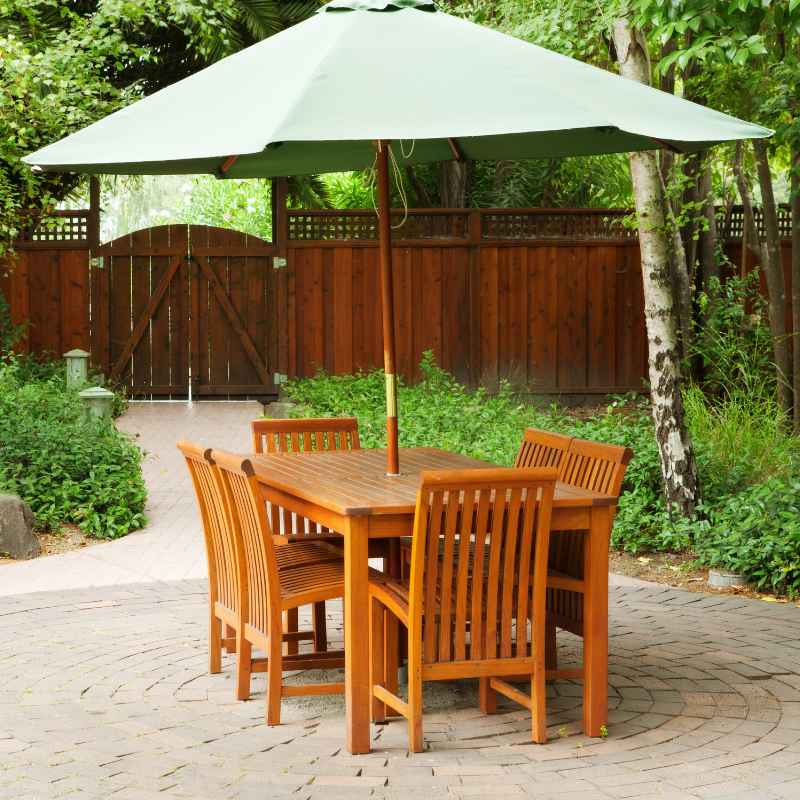
If possible, place some furniture under shade. A covered patio or an umbrella helps. This reduces direct sun exposure. Wipe up spills immediately. Drinks can leave rings. Even water can sit on the surface. Wiping it away prevents marks.
Regularly check your sealant. Does water still bead up on the surface? If not, it might be time for another coat. This is especially true for furniture in full sun.
Keep an eye out for insect activity. While acacia is resistant, some bugs might still try to infest it. If you see any signs, address it quickly.
Fall: Preparing for Cooler Weather
Fall brings beautiful colors. But it also brings more moisture. And leaves start to fall. Leaves can trap moisture. This can lead to mold and mildew. So, keeping your furniture clean is vital.
Brush or sweep off leaves and debris regularly. Don’t let them sit there. If you have a rainstorm, check the furniture afterward. Wipe it down if it’s soaked.
You might want to reapply sealant in the fall. Especially if you live in an area with wet falls. This adds an extra layer of defense. It ensures the wood is ready for winter.
Consider covering your furniture. Even if you plan to store it. A good quality outdoor cover protects from dust and dew. It also prevents accidental scratches.
Fall Furniture Prep: Key Actions
- Leaf Removal: Regularly sweep or brush off all fallen leaves.
- Moisture Check: Wipe down furniture after heavy rain.
- Sealant Boost: Consider an extra coat of sealant.
- Cover Up: Use breathable covers to protect from dew and dust.
Winter: The Dormant Season
Winter is the most challenging time. Depending on where you live, this means snow, ice, and freezing temperatures. The best way to protect acacia wood in winter is storage.
If you have space, store your furniture indoors. A garage, shed, or basement is ideal. This completely shields it from the elements. Make sure it’s clean and dry before storing. This prevents mold growth in storage.
If indoor storage isn’t an option, use heavy-duty outdoor covers. These should be waterproof and breathable. Breathability is important. It stops moisture from getting trapped. This can lead to mold. Secure the covers well. You don’t want them blowing off.
Avoid placing furniture directly on wet ground. If storing outdoors, use pallets or blocks. This keeps the bottom off the damp surface. This is crucial for preventing rot.
Choosing the Right Sealant
The type of sealant you use matters. You want something made for outdoor wood. And it should protect against UV rays.
Oil-based sealants are popular. They penetrate the wood. This gives good protection. They often enhance the wood’s natural color. You might need to reapply them more often.
Water-based sealants form a protective layer on top. They can offer good UV protection. Some are very durable. Check the product label carefully.
Look for sealants that explicitly mention UV protection. This is vital for preventing color fade. Also, ensure it’s water-repellent. Many products are both.
Always test a small, inconspicuous area first. This ensures you like the color. It also helps you see how the wood reacts. Apply sealants in a well-ventilated area. Wear gloves and follow all safety instructions.
Sealant Buying Guide
Key Features to Look For:
- UV Protection: Prevents fading and sun damage.
- Water Repellency: Stops moisture from soaking into the wood.
- Mold & Mildew Resistance: Helps prevent growth.
- Durability: How long will the protection last?
- Finish: Natural, tinted, or glossy? Choose what you like.
Application Tips:
- Apply thin, even coats.
- Allow adequate drying time between coats.
- Work in good ventilation.
Common Mistakes to Avoid
People often make a few common mistakes. These can reduce the life of their acacia wood furniture.
One big mistake is not cleaning enough. Dirt and grime are abrasive. They can wear down the wood. They also hold moisture. This leads to rot.
Another error is using harsh cleaners. Bleach or strong solvents can damage the wood. They strip away natural oils. This leaves the wood dry and weak.
Many people neglect sealing. They think the wood is durable enough on its own. But even tough wood needs protection from UV and water. Especially outdoors.
Not storing furniture properly in winter is also an issue. Leaving it exposed to snow and ice can cause severe damage. Even with covers, some moisture can get in.
Finally, waiting too long to fix damage. A small crack can grow larger. A loose screw can cause a joint to fail. Regular checks help prevent this.
When to Worry and What to Do
Most issues with acacia wood furniture are fixable. But some signs mean you should pay closer attention.
Normal Wear and Tear
Slight color fading: This is normal with sun exposure. A good reseal can often restore some color.
Minor surface scratches: These can happen from daily use. Light sanding can often remove them.
Wood feeling dry: This means it needs more oil or sealant.
Signs You Should Act
Deep cracks: If cracks go deep into the wood, they weaken the structure. You might need to use wood filler. If severe, consult a professional.
Warping: If parts of the furniture are bending or twisting, it’s a sign of uneven moisture. This can be hard to fix.
Soft spots or rot: If you can easily push a finger into the wood, or it feels spongy, it’s rotting. This often means the furniture is beyond repair.
Mold or mildew growth: While often cleanable, persistent mold means high moisture. You need to address the cause.
If you see signs of rot, it’s time to consider
The Benefits of Consistent Care
Taking care of your acacia wood furniture pays off. It’s an investment. Treating it well means it lasts much longer. You get to enjoy its beauty for years.
Longevity: Well-maintained furniture can last decades.
Appearance: It always looks attractive. It enhances your outdoor space.
Cost Savings: Replacing furniture often is expensive. Caring for it saves money.
Environmental Friendliness: Less replacement means less waste.
Putting It All Together: A Yearly Plan
Let’s make a simple yearly plan.
March/April: Spring Tune-Up. Clean thoroughly. Inspect for damage. Sand rough spots. Apply a fresh coat of UV-protective sealant. Check all hardware.
May-August: Summer Maintenance. Wipe spills quickly. Rinse off dirt. Keep furniture under shade if possible. Check sealant periodically.
September/October: Fall Preparation. Sweep off leaves. Wipe down after rain. Consider an extra sealant coat. Use breathable covers.
November-February: Winter Protection. Store indoors if possible. If not, use heavy-duty, waterproof, breathable covers. Elevate furniture off the ground.
This routine might seem like a lot at first. But once you do it, it becomes natural. It’s a small amount of work for a big reward.

Frequently Asked Questions
How often should I seal my acacia wood furniture?
You should seal your acacia wood furniture at least once a year. If it’s in direct sunlight or a very wet climate, you might need to do it twice a year. Check if water still beads on the surface. If it soaks in, it’s time to reseal.
Can I use a pressure washer on acacia wood?
No, it’s best not to use a pressure washer. The high-pressure spray can damage the wood fibers. It can also force water deep into the wood, causing swelling and cracking. A soft brush and mild soap are much safer.
What is the best way to clean mildew off acacia wood?
Mix a solution of mild soap and water. For tougher mildew, you can add a little white vinegar or a dedicated wood cleaner. Scrub gently with a soft brush. Rinse thoroughly and let the furniture dry completely in the sun. Then, reapply sealant.
Will my acacia wood furniture turn gray?
Yes, acacia wood will naturally turn a silvery-gray color if left untreated in the sun. This is called weathering. While not harmful, it means the wood is drying out. Sealing and regular maintenance will help preserve its original color.
Can I paint my acacia wood furniture?
Yes, you can paint or stain acacia wood furniture. However, for outdoor furniture, it’s often better to use a sealant that enhances the wood’s natural beauty. If you choose to paint, use an outdoor-specific primer and paint. Proper prep work, including sanding and cleaning, is crucial.
How do I protect acacia wood from freezing temperatures?
The best protection against freezing is to store the furniture indoors in a garage or shed. If that’s not possible, use a heavy-duty, waterproof, and breathable outdoor cover. Make sure the furniture is dry before covering it to prevent moisture buildup.
Final Thoughts on Caring for Your Furniture
Caring for your acacia wood outdoor furniture is straightforward. It’s about consistency. A little effort spread throughout the year makes a big difference. You protect your investment. You keep your outdoor space looking beautiful. Enjoy your furniture for many years to come.
Sponsored / affiliate links. As an Amazon Associate I earn from qualifying purchases. I may earn additional commission from eligible campaigns.