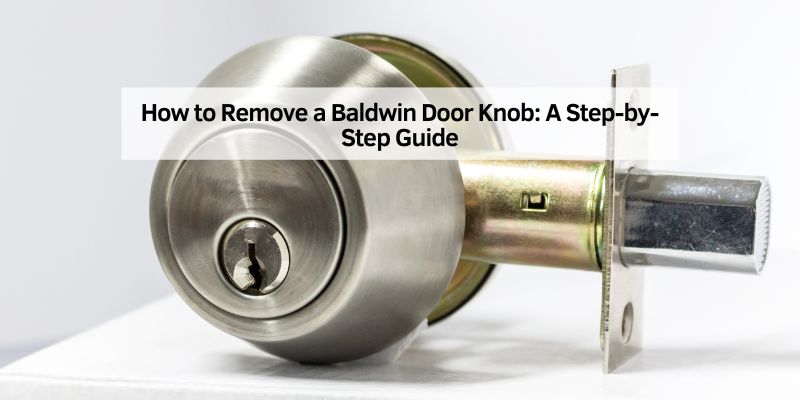
How to Remove a Baldwin Door Knob: A Step-by-Step Guide
Hey there, friend! So, you’ve got a Baldwin door knob that’s seen better days, or maybe you’re just ready to swap it out for a fresh, shiny new one. Either way, you’re in the right place. I’ve tackled this task myself a few times, and let me tell you, removing a Baldwin door knob isn’t as tricky as it might seem at first. With a little patience and the right tools, you’ll have that knob off in no time. In this guide, I’m going to walk you through the entire process, step by step, sharing all the tips and tricks I’ve learned along the way. Whether you’re a DIY newbie or a seasoned home improver, this article is packed with everything you need to know to get the job done right. Let’s dive in!
Baldwin door knobs are known for their elegance and durability, but like any hardware, they sometimes need replacing or repairing. Maybe your knob is sticking, or perhaps you’re upgrading to a new style to match your home’s vibe. Whatever the reason, removing a Baldwin door knob is a straightforward task if you know what to expect. I’ve broken it down into clear, easy-to-follow steps, and I’ll share some insider tips to make the process smooth. Plus, I’ll cover common issues you might run into and how to handle them like a pro. Ready to get started? Grab your tools, and let’s do this!
Understanding Your Baldwin Door Knob
Before we get our hands dirty, let’s take a moment to understand what we’re working with. Baldwin door knobs come in a variety of styles, from classic to modern, and they’re built to last. But not all Baldwin knobs are the same. Some are part of a simple passage set, while others might be privacy or keyed entry knobs with more complex mechanisms. Knowing your knob type is key because it affects how you’ll remove it.
When I first tried removing a Baldwin knob, I didn’t realize there were different types, and I ended up fumbling around for longer than I’d like to admit. Most Baldwin knobs fall into three categories: passage (for doors without locks, like closets), privacy (for bathrooms or bedrooms with a push-button or turn-lock), and keyed entry (for exterior doors with a key). Each type has a slightly different removal process, but don’t worry—I’ll guide you through the specifics.
The first thing you’ll want to do is check if your knob has a visible set screw or if it’s a concealed mount. Older Baldwin models often have a small screw on the base of the knob or the rose (that’s the round plate behind the knob). Newer models might hide the screws under the rose for a sleeker look. Take a close look at your door knob. If you see a tiny hole or slot, that’s likely where the set screw or release pin is hiding. If not, you’re probably dealing with a concealed mount, which we’ll cover in a bit.
Tools You’ll Need
Let’s talk tools. One thing I love about removing a Baldwin door knob is that you don’t need a fancy toolbox. Most of the items you’ll need are probably already lying around your house. Here’s what I used when I last did this:
| Tool | Purpose |
|---|---|
| Flathead screwdriver | To pry off the rose or cover plate and access hidden screws. |
| Phillips screwdriver | To remove screws holding the knob or latch assembly in place. |
| Allen wrench (hex key) | For set screws, if your Baldwin knob uses them (check the size, usually 3/32″). |
| Needle-nose pliers | Handy for gripping small parts or removing stubborn pins. |
| Paperclip or pin | For pressing release pins on some Baldwin models. |
| Rag or cloth | To protect the door’s finish and clean up any mess. |
I always keep a small container nearby to hold screws and small parts. Trust me, losing a tiny screw in the middle of the job is a headache you don’t want. If you’re missing any of these tools, you can find them at any hardware store for a few bucks. Now that you’ve got your tools ready, let’s move on to the main event.
Step-by-Step Guide to Removing a Baldwin Door Knob
Alright, let’s get to the good stuff. I’m going to break this down into clear steps so you can follow along easily. I’ve done this enough times to know where things can go wrong, so I’ll point out those pitfalls as we go. Here’s how to remove your Baldwin door knob like a pro.
Step 1: Identify the Knob Type and Mechanism
First, figure out what kind of Baldwin knob you’re dealing with. Is it a passage, privacy, or keyed entry knob? This matters because privacy and keyed knobs have extra components, like a latch or lock cylinder, that you’ll need to handle carefully. Take a close look at the knob and rose. If you see a small hole on the base of the knob or rose, you’re likely dealing with a set screw or release pin. If everything looks smooth, you’ve got a concealed mount, which means the screws are hidden under the rose.
When I removed a keyed entry Baldwin knob from my front door, I made the mistake of assuming it was a simple passage knob. Big mistake! I ended up struggling with the lock cylinder until I realized it needed a special key to release it. So, double-check your knob type before you start unscrewing anything.
Step 2: Remove the Set Screw or Release Pin
If your knob has a visible set screw, grab your Allen wrench or screwdriver (depending on the screw type) and loosen it. Turn counterclockwise until the screw is out, but don’t force it—Baldwin screws are small and can strip easily. If there’s a tiny hole instead of a screw, you’ve got a release pin. Straighten a paperclip or use a small pin and push it into the hole until you feel a click. This releases the knob from the spindle.
I remember my first time dealing with a release pin. I was poking around with a paperclip, feeling like a detective, until I heard that satisfying click. Once the pin is pressed, gently pull the knob away from the door. It should come off easily, but if it’s stuck, wiggle it a bit while pressing the pin.
Step 3: Detach the Rose or Cover Plate
If your knob has a concealed mount, the screws are hiding under the rose or a decorative cover plate. This part can be a little tricky, but it’s doable. Use a flathead screwdriver to gently pry the rose away from the door. Start at the edge and work your way around, being careful not to scratch the door. Some Baldwin models have a small notch where you can insert the screwdriver to pop the rose off.
When I did this on my bedroom door, the rose was stubborn, and I was worried about damaging the paint. A little patience and a soft cloth between the screwdriver and the door saved the day. Once the rose is off, you’ll see two or three screws holding the knob assembly in place.
Step 4: Unscrew the Knob Assembly
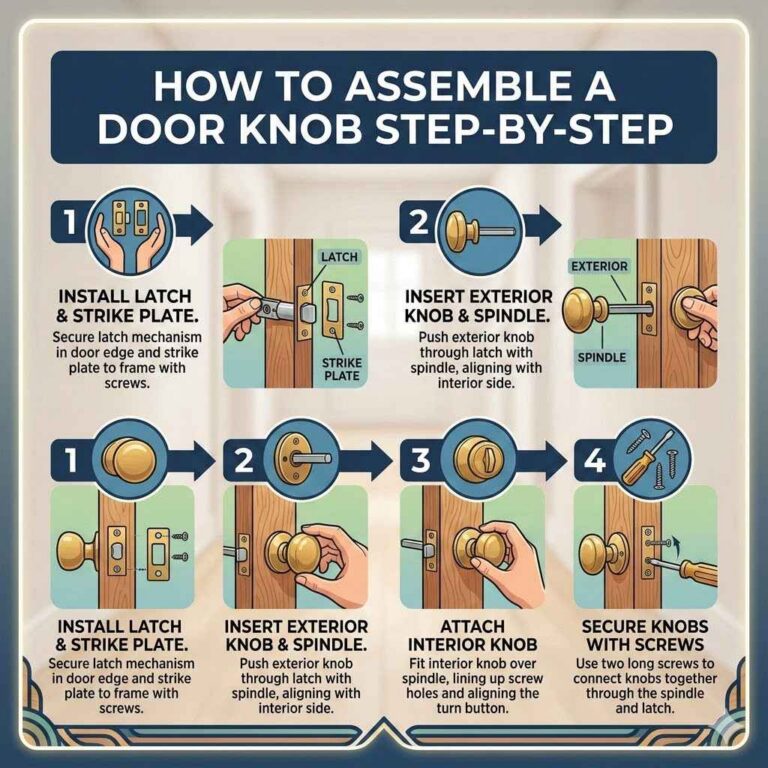
Now that the rose is out of the way, you’ll see the screws that hold the knob and latch mechanism together. Grab your Phillips screwdriver and remove these screws. There are usually two, one on each side of the door, but some models might have three. Keep them in your container so they don’t roll away.
This step is usually smooth, but I’ve run into rusty screws before, especially on older doors. If the screws won’t budge, a little penetrating oil (like WD-40) can help. Just spray a tiny bit, let it sit for a minute, Invasion and try again. Once the screws are out, you should be able to pull the knob assembly apart from both sides of the door.
Step 5: Remove the Latch Mechanism
With the knob assembly off, you’ll see the latch mechanism—the part that goes into the door’s edge and catches the strike plate. There are usually two screws holding the latch in place. Unscrew them with your Phillips screwdriver, and gently pull the latch out of the door.
When I was working on an exterior door, the latch was a bit sticky because of years of paint buildup. I used my flathead screwdriver to carefully pry it out, and it came free without much fuss. If your latch is stuck, don’t force it—just wiggle it gently until it slides out.
Step 6: Handle Keyed or Privacy Locks (If Applicable)
If you’re dealing with a keyed or privacy knob, there might be an extra step. For keyed entry knobs, you’ll need to remove the lock cylinder, which might require a special key (sometimes included with the knob) or a small tool to release it. Check the Baldwin manual if you have it, or look for a small slot near the cylinder to insert your tool.
Privacy knobs often have a push-button or turn-lock mechanism. These usually come off with the knob assembly, but if there’s a separate lock component, you might need to press a release pin or unscrew an additional part. I learned this the hard way when I tried to yank a privacy knob off without releasing the lock first. Take your time here to avoid breaking anything.
Step 7: Clean Up and Inspect
Once the knob and latch are off, take a moment to clean the area. Wipe down the door with a rag to remove any dust or grime. Check the latch hole and screw holes for any damage. If you’re planning to install a new knob, now’s a good time to make sure everything is in good shape.
I always inspect the door for any dents or scratches at this point. If you’re reusing the same knob, check it for wear and tear. Sometimes, a sticky knob just needs a good cleaning or a bit of lubricant to work like new again.
Common Issues and How to Fix Them
Even with the best intentions, things can go wrong. Here are some problems I’ve run into and how to handle them:
- Stripped Screws: If a screw won’t turn, don’t force it. Use a screw extractor kit or try gripping the screw with needle-nose pliers to turn it out.
- Stuck Knob: If the knob won’t come off after releasing the pin or screw, check for hidden clips or adhesive. Gently wiggle and pull while applying steady pressure.
- Rusty Latch: If the latch is stuck, apply penetrating oil and let it sit for a few minutes. Use pliers to grip and pull if needed.
- Misaligned Parts: If the knob or latch doesn’t fit right when you reassemble, double-check that all parts are aligned properly. Sometimes, the spindle needs a slight twist to seat correctly.
Tips for a Smooth Removal Process
Here are a few extra tips I’ve picked up over the years:
- Work in a well-lit area so you can see small screws and pins clearly.
- Take photos as you go. This helps you remember how everything fits together when you’re ready to reassemble or install a new knob.
- Be gentle with older doors. The wood can be fragile, and you don’t want to split it by forcing screws or parts.
- If you’re replacing the knob, make sure the new one is compatible with your door’s thickness and latch size. Baldwin knobs usually fit standard doors, but it’s worth checking.
Why Choose Baldwin Door Knobs?
You might be wondering why Baldwin knobs are worth the effort. I’ve always been a fan of Baldwin because their knobs are built to last and add a touch of class to any door. They’re made with high-quality materials, and their designs range from vintage to sleek and modern. Whether you’re keeping your Baldwin knob or upgrading to a new one, you’re working with hardware that’s designed to impress.
When I replaced the knobs in my home, I stuck with Baldwin because they feel solid and reliable. Plus, their customer support is great if you need help with specific models or replacement parts. If you’re removing your knob to repair it, you might be able to order parts directly from Baldwin to keep it in top shape.
Conclusion
And there you have it, friend—a complete guide to removing your Baldwin door knob like a pro! I hope this step-by-step walkthrough has made the process feel less daunting and maybe even a little fun. From gathering your tools to tackling those tricky concealed mounts, you’re now equipped to handle this home improvement task with confidence. I’ve been there, fumbling with tiny screws and stubborn latches, but with a bit of patience and the right approach, it’s a job anyone can do.
Whether you’re swapping out an old knob for a shiny new one or just giving your door some TLC, you’ve got this. Take your time, keep those screws safe, and don’t be afraid to double-check your work. If you run into any hiccups, just refer back to this guide, and you’ll be back on track in no time. Now go make your door proud!
Frequently Asked Questions
Why is my Baldwin door knob stuck and won’t turn?
If your knob is stuck, it could be due to a misaligned latch, rust, or a broken internal mechanism. Try lubricating the latch with a bit of WD-40 and gently wiggle the knob. If that doesn’t work, remove the knob and check the spindle and latch for damage. You might need to replace the latch or the entire knob set.
Can I remove a Baldwin door knob without any tools?
It’s tough to remove a Baldwin knob without tools. At the very least, you’ll need a screwdriver or Allen wrench for screws and possibly a paperclip for release pins. Having the right tools makes the job much easier and prevents damage to the door or knob.
How do I know if my Baldwin knob is a concealed mount?
Look at the rose or base of the knob. If you don’t see any visible screws or holes, it’s likely a concealed mount. You’ll need to pry off the rose or cover plate to access the screws underneath. Check for a small notch or slot to start prying.
What should I do if I lose a screw during removal?
If you lose a screw, check your local hardware store for a replacement. Baldwin uses standard screw sizes, but it’s best to bring the remaining screws to match the size and thread. You can also contact Baldwin’s customer service for replacement parts specific to your model.
Is it hard to install a new Baldwin door knob after removal?
Installing a new Baldwin knob is usually straightforward if you follow the instructions in reverse. Make sure the new knob is compatible with your door’s thickness and latch size. Align the latch and spindle properly, and tighten screws evenly to avoid misalignment.