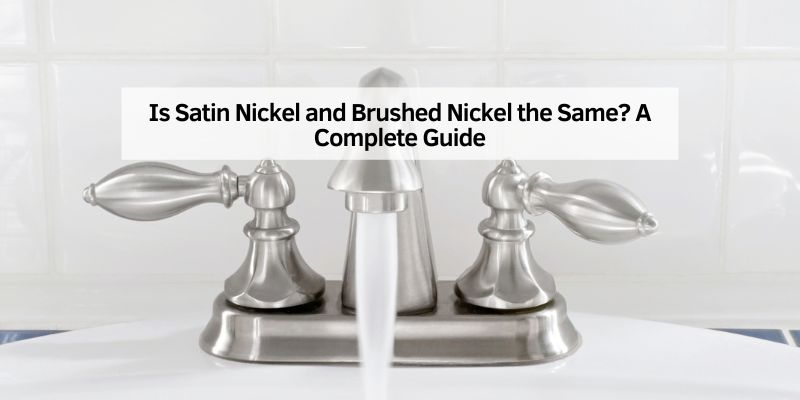
Is Satin Nickel and Brushed Nickel the Same? A Complete Guide
Hey there! If you’re wondering whether satin nickel and brushed nickel are the same, you’re not alone. I’ve asked myself this question plenty of times while shopping for car accessories, door handles, or even home fixtures. It’s confusing, right? Both finishes look sleek and modern, but are they the same thing? I’ve dug into this topic to figure out the differences, and I’m excited to share what I’ve learned with you. In this guide, I’ll break down everything you need to know about satin nickel and brushed nickel, especially when it comes to automotive applications like interior trim or custom hardware.
Whether you’re sprucing up your car’s interior or just curious about these finishes, I’ll walk you through it step by step. Let’s clear up the confusion and make sure you pick the perfect finish for your ride!
Understanding Metal Finishes in Automotive Design
Let’s start with the basics. Metal finishes are all about how a metal surface looks and feels. In cars, finishes are used on things like door handles, gear shifters, dashboard accents, and even custom wheels. I’ve always loved how a good finish can make a car’s interior feel luxurious or rugged, depending on the vibe you’re going for. Satin nickel and brushed nickel are two popular finishes because they’re stylish, durable, and don’t show fingerprints as much as shiny chrome. But to understand if they’re the same, we need to look at what each one is and how it’s made. Trust me, once you get the hang of it, choosing the right finish for your car will be a breeze.
What Is Satin Nickel?
Satin nickel is one of those finishes that gives off a soft, elegant vibe. I first noticed it on a friend’s car door handles—it had this smooth, almost velvety look that wasn’t too shiny. Satin nickel is created by electroplating a thin layer of nickel onto a metal surface, like brass or steel. After that, it’s given a light brushing or sanding to create a smooth, low-luster finish. The result is a slightly matte appearance that’s warm and understated.
In cars, satin nickel is often used for interior trim, like around the infotainment system or on custom shift knobs. I’ve seen it in mid-range sedans and even some luxury models because it’s classy without being over-the-top. It’s also great at hiding smudges and scratches, which is a big plus if you’re driving a car every day. The process makes it corrosion-resistant, so it holds up well in humid or salty environments, which is something I always consider when living near the coast.
What Is Brushed Nickel?
Now, let’s talk about brushed nickel. At first glance, it looks a lot like satin nickel, but there’s a subtle difference. Brushed nickel also starts with a nickel-plated surface, but it’s treated with a wire brush or abrasive pad to create fine, linear scratches or lines. I remember running my fingers over a brushed nickel gear shifter in a friend’s SUV—it had a super satisfying and slightly textured feel. The brushing gives it a distinctive grainy look, almost like tiny scratches in a straight pattern.
In the automotive world, brushed nickel is popular for things like pedal covers, door sills, or even aftermarket wheel accents. It’s got a modern, industrial vibe that works well in sporty or rugged vehicles. Like satin nickel, it’s durable and resists corrosion, but the textured surface makes it even better at hiding minor wear and tear. I’ve noticed it’s a go-to choice for car enthusiasts who want a custom look without the maintenance of polished metals.
Are Satin Nickel and Brushed Nickel the Same?
Here’s the big question: are they the same? I used to think they were, but after some research and hands-on experience, I’ve learned they’re not quite identical. The main difference comes down to how they’re made and how they look. Satin nickel has a smoother, more uniform finish with a soft, matte sheen. Brushed nickel, on the other hand, has those visible linear marks that give it a textured, almost hand-crafted feel.
To make it clearer, here’s a quick comparison:
| Feature | Satin Nickel | Brushed Nickel |
|---|---|---|
| Appearance | Smooth, matte, low-luster | Textured with fine linear marks |
| Texture | Silky, almost velvety | Slightly grainy, tactile |
| Manufacturing | Lightly sanded or brushed | Wire-brushed for visible lines |
| Common Uses in Cars | Interior trim, shift knobs, handles | Pedal covers, door sills, wheel accents |
| Maintenance | Easy, hides fingerprints | Slightly easier, hides scratches better |
I’ve found that the choice between the two often depends on the look you’re going for. Satin nickel feels a bit more refined, while brushed nickel has a rugged edge. In my car, I went with satin nickel for the interior trim because it matched the sleek vibe of the cabin, but I’ve seen brushed nickel look amazing in off-road builds.
How These Finishes Are Used in Cars
Let’s dive into where you’ll see satin nickel and brushed nickel in vehicles. Car manufacturers love these finishes because they’re versatile and durable. I’ve spent hours browsing aftermarket parts and visiting auto shows, and I’ve noticed both finishes pop up in similar places, but with different effects.
Satin nickel is often used in places where you want a clean, polished look. Think of the trim around your car’s touchscreen, the accents on your steering wheel, or even the handles on a luxury sedan. I once test-drove a car with satin nickel accents on the center console, and it made the whole interior feel upscale without being flashy. It’s also common in aftermarket shift knobs or custom interior kits because it’s easy to clean and doesn’t show every little smudge.
Brushed nickel, on the other hand, is a favorite for parts that need to look tough and stylish. I’ve seen it on pedal covers in performance cars, where the textured finish adds grip and a sporty feel. It’s also popular for door sill plates, especially in trucks or SUVs, because it can handle scuffs from boots or cargo. One of my buddies added brushed nickel accents to his Jeep’s interior, and it gave the whole cabin a rugged, custom vibe.
Pros and Cons of Satin Nickel in Automotive Applications
Let’s break down the good and the not-so-good about satin nickel. I’ve worked with this finish in a few car projects, so I can share what I’ve learned.
Pros:
- Elegant Look: Satin nickel has a soft, sophisticated sheen that elevates any car’s interior. It’s perfect for luxury or semi-luxury vehicles.
- Low Maintenance: It hides fingerprints and smudges better than polished chrome or stainless steel. I barely have to wipe down my satin nickel trim.
- Corrosion Resistance: The nickel plating protects against rust, which is great if you live in a humid or coastal area.
- Versatility: It works well with both modern and classic car designs, so it’s a safe choice for most projects.
Cons:
- Less Texture: If you want a tactile, rugged look, satin nickel might feel too smooth. It doesn’t have the same grip as brushed nickel.
- Can Show Scratches: While it hides fingerprints, deeper scratches can stand out on the smooth surface. I’ve had to be careful when cleaning mine.
- Cost: Satin nickel parts can be pricier than basic chrome or plastic, especially for aftermarket upgrades.
Pros and Cons of Brushed Nickel in Automotive Applications
Now, let’s look at brushed nickel. I’ve used this finish in a couple of custom builds, and it’s got its strengths and weaknesses.
Pros:
- Rugged Aesthetic: The linear marks give it a tough, industrial look that’s perfect for trucks, SUVs, or sporty cars.
- Hides Wear: The textured surface is great at masking minor scratches and scuffs. My brushed nickel pedal covers still look great after years of use.
- Grip and Feel: The slight texture adds grip, which is ideal for parts like pedals or shift knobs.
- Durability: Like satin nickel, it’s corrosion-resistant and holds up well in tough conditions.
Cons:
- Dust Magnet: The textured surface can trap dust or dirt, especially in crevices. I have to clean my brushed nickel parts more often.
- Less Polished: If you’re going for a sleek, luxury look, brushed nickel might feel too rugged.
- Installation Complexity: Some brushed nickel parts, like custom wheels, can be trickier to install due to their weight or finish.
How to Choose Between Satin Nickel and Brushed Nickel
Choosing between these two finishes can be tough, especially when you’re staring at a catalog of car parts. I’ve been there, flipping through options and wondering which one will look best. Here’s how I make the decision:
- Consider Your Car’s Style: If your car has a sleek, modern interior, satin nickel might be the way to go. For rugged or sporty vehicles, brushed nickel usually fits better. My sedan looks great with satin nickel trim, but my friend’s truck rocks brushed nickel accents.
- Think About Maintenance: Both are low-maintenance, but brushed nickel hides scratches better, while satin nickel is easier to wipe clean. If you’re rough on your car, go with brushed.
- Match Your Aesthetic: Want a soft, elegant vibe? Choose satin nickel. Prefer a bold, textured look? Brushed nickel is your friend.
- Test the Look: If you can, check out samples at an auto parts store or showroom. I once held a satin nickel shift knob next to a brushed one, and seeing them in person made the choice clear.
Caring for Satin Nickel and Brushed Nickel Finishes
Once you’ve picked your finish, you’ll want to keep it looking sharp. I’ve learned a few tricks to maintain both satin and brushed nickel parts in my car.
For satin nickel, I use a soft, damp cloth to wipe away smudges. Avoid abrasive cleaners or scrubbers—they can scratch the smooth surface. A mild soap solution works great for tougher spots. I clean my satin nickel trim about once a month, and it still looks brand new.
Brushed nickel needs a bit more attention because of its texture. I use a soft brush, like an old toothbrush, to get dust out of the linear marks. A damp cloth with a drop of dish soap does the trick for cleaning. Be gentle to avoid dulling the finish. I also avoid wax-based cleaners, as they can leave a residue in the texture.
For both finishes, dry them thoroughly after cleaning to prevent water spots. I learned this the hard way when I left water on a satin nickel handle, and it looked spotty for weeks.
Where to Find Satin Nickel and Brushed Nickel Parts
If you’re ready to add these finishes to your car, you’ve got plenty of options. I’ve spent hours browsing for parts, so here’s where I recommend looking:
- Auto Parts Stores: Places like AutoZone or Advance Auto Parts carry satin and brushed nickel accessories, like shift knobs or pedal covers.
- Online Retailers: Amazon and eBay have a huge selection of aftermarket parts. Just double-check the finish before ordering—some listings mix up satin and brushed.
- Custom Shops: If you want something unique, like brushed nickel wheel accents, check out local custom shops or online retailers like AmericanMuscle or CarID.
- Dealerships: Some car brands offer satin or brushed nickel trim as factory options or upgrades. I’ve seen them in brands like Ford, Chevy, and BMW.
Always read reviews and check return policies when buying online. I once ordered a “satin nickel” part that turned out to be chrome, so lesson learned!
Why These Finishes Matter in Automotive Design
You might be wondering why finishes like these are such a big deal. For me, it’s all about the details. A well-chosen finish can make your car feel like an extension of your personality. Satin nickel gives off a refined, understated vibe, while brushed nickel screams rugged individuality. Plus, both are practical choices for daily drivers since they’re durable and low-maintenance. I’ve seen how a small upgrade, like swapping out plastic trim for brushed nickel, can transform a car’s interior. It’s like giving your ride a mini makeover without breaking the bank.
Conclusion
So, are satin nickel and brushed nickel the same? Not quite, but they’re close cousins in the world of automotive finishes. Satin nickel brings a smooth, elegant look that’s perfect for sleek interiors, while brushed nickel adds a textured, rugged charm that suits sporty or off-road vibes. I’ve loved experimenting with both in my car projects, and I hope this guide has helped you understand the differences.
Whether you’re upgrading your car’s trim, pedals, or handles, choosing the right finish comes down to your style and practical needs. Both are durable, stylish, and great at hiding wear, so you can’t go wrong. Now that you know the ins and outs, go ahead and pick the one that speaks to you. Your car deserves to shine, and I’m rooting for you to nail that perfect look!
Frequently Asked Questions
What’s the main difference between satin nickel and brushed nickel?
Satin nickel is smoother with a matte sheen, while brushed nickel has visible linear marks for a textured look.
Which finish is better for a luxury car interior?
Satin nickel is usually better for luxury cars because it has a refined, elegant appearance.
Do satin nickel and brushed nickel require different cleaning methods?
They’re similar, but brushed nickel needs a soft brush to clean the texture, while satin nickel just needs a damp cloth.
Can I use satin or brushed nickel parts in any car?
Yes, both finishes work in any car, but choose based on your car’s style—satin for sleek, brushed for rugged.
Are these finishes durable for daily driving?
Absolutely! Both are corrosion-resistant and hide wear well, making them great for everyday use.
Where can I buy satin or brushed nickel car parts?
Check auto parts stores, online retailers like Amazon, custom shops, or your car’s dealership for options.