Kilz 2 vs Kilz 3: Which Primer Should You Use?
Kilz 2 is a general-purpose primer for light stains, odors, and new drywall, while Kilz 3 uses a thicker, low-VOC formula built for heavy stains, mold, and moisture — unless you’re priming glossy trim or bare metal, where neither one bonds well without sanding first. Using the lighter Kilz 2 on a water-stained ceiling often lets the stain bleed back through within weeks. This guide compares real coverage, VOC content, dry time, and price, then breaks down which one fits your project.
Primer Basics: What Kilz 2 and Kilz 3 Actually Do
A primer seals a porous or stained surface so paint adheres evenly instead of soaking in unevenly or letting old marks bleed through. Kilz 2 and Kilz 3 are both water-based, multi-surface primer-sealer-stainblockers from KILZ (a Behr-owned primer and paint brand), but they’re built for different severity levels of the same problem.
The short version: Kilz 2 is the everyday, general-purpose option for new drywall, light water marks, and mild odors. Kilz 3 is the step up for tannin bleed, smoke damage, mold-prone bathrooms, and anywhere low emissions matter as much as coverage. Both improve paint adhesion and both need a fully cured coat before topcoating — skipping that step is the most common reason a stain reappears after painting.
Kilz 2 Features
Kilz 2 is a water-based acrylic/latex primer built for general-purpose priming. It has a mild odor, dries fast, and cleans up with soap and water. It’s the primer most homeowners reach for on a plain new-drywall wall with no major staining to hide.
Apply it with a brush, roller, or sprayer. Make sure the surface is clean and dry first, and plan on two coats for tougher stains — one coat is usually enough for bare drywall or a light water mark.
Kilz 2 works well on drywall, wood, plaster, masonry, and primed metal. It doesn’t bond well to glossy, unsanded surfaces or bare glass — scuff-sand glossy trim first, or use a dedicated bonding primer instead.
Kilz 3 Premium Features
Kilz 3 uses a thicker acrylic formula with added stain-blocking and adhesion polymers. It hides heavier stains — water damage, smoke, tannin bleed from knotty wood — in fewer coats than Kilz 2, and it resists mildew significantly better, which is why it’s the usual pick for bathrooms and kitchens (see also: using drywall primer on already-painted walls).
It applies the same way as Kilz 2 — brush, roller, or sprayer — and dries to a smooth, paintable surface on interior or exterior jobs. It handles a wider range of weather conditions once cured, which makes it the more common choice for exterior siding with visible staining.
Kilz 3 covers wood, metal, drywall, masonry, and concrete for both indoor and outdoor projects. Like Kilz 2, it still needs a scuff-sanded surface on anything glossy.
Coverage, VOC, and Price Compared
Both Kilz 2 and Kilz 3 cover roughly 300–400 square feet per gallon on primed drywall — the gap between them isn’t coverage area, it’s how many coats you’ll need. Kilz 3’s thicker formula hides a heavy stain in one coat where Kilz 2 often needs two, which can make Kilz 3 the more efficient choice on badly stained surfaces even though the can costs more.
| Feature | Kilz 2 All-Purpose | Kilz 3 Premium |
|---|---|---|
| Best for | Light to medium stains, new drywall, general priming | Heavy stains, smoke, mold, high-moisture rooms |
| Coverage per gallon | 300–400 sq ft | 300–400 sq ft (less on porous surfaces — thicker formula) |
| Dry to touch | ~30 minutes | ~30 minutes |
| Ready to recoat | ~1 hour | ~1 hour |
| VOC content | Under 50 g/L | Under 5 g/L |
| Typical retail price/gallon | $20–$50 | $40–$60+ |
| Mildew resistance | Good | Better — formulated for moisture-prone rooms |
📊 Kilz 3 Premium is rated under 5 g/L VOC, while Kilz 2 All-Purpose is rated under 50 g/L VOC — a 10x difference in emissions, tested to ANSI/ASHRAE Standard 62.1. That’s the real reason Kilz 3 is the better call for bathrooms, nurseries, and other rooms where low odor and low emissions matter as much as stain-blocking. Source: KILZ 3 Premium product data, KILZ (Behr Process Corporation)
Durability and Moisture Resistance
Kilz 2 blocks light to medium stains and holds up fine in normal indoor conditions. Kilz 3 is the stronger choice against moisture and mold — its lower-VOC, higher-adhesion formula is specifically built for the humidity swings in bathrooms, laundry rooms, and basements.
If mold or mildew has already been an issue in the room, Kilz 3 is worth the upgrade. For a dry, low-traffic space with no history of moisture problems, Kilz 2 is enough.
Drying Time
Both primers dry to the touch in about 30 minutes and are ready for a topcoat in about an hour under normal indoor conditions (68–77℃F, moderate humidity). Cold, humid, or poorly ventilated rooms slow both of them down — when in doubt, wait the full hour rather than topcoating early, since paint applied over a not-quite-dry primer is the most common cause of a tacky or peeling finish.
How to Apply Kilz Primer
Both primers go on the same way. Follow these steps for either one:
- Clean the surface: Wipe down dust, grease, and loose debris so the primer bonds directly to the substrate.
- Scuff glossy areas: Lightly sand any glossy paint or trim so the primer has something to grip — neither Kilz 2 nor Kilz 3 bonds well to slick gloss.
- Stir, don’t shake: Stir the primer to an even consistency; shaking introduces air bubbles that show up in the finish.
- Apply in one even coat: Use a brush for trim, a roller for walls, or a sprayer for large areas — apply in one direction to avoid lap marks.
- Wait the full recoat time: Let it dry to the touch (~30 minutes) and sit the full hour before topcoating, even if it looks dry sooner.
- Spot-check stains before topcoating: If a stain is still visible through the primer, apply a second coat over that spot only rather than repainting the whole wall.
Ease of Use
Both primers spread evenly with a brush or roller and clean up with warm water and soap while still wet — once cured, both need mineral spirits or a dedicated primer remover to strip off tools. Beginners generally find Kilz 2 slightly easier to work with simply because it’s thinner and drags less on the roller.
Choosing the Right Primer for Your Project
Pick Kilz 2 for a plain new-drywall wall, a light water mark, or any general-purpose interior job where odor and cost matter more than maximum stain-blocking. Pick Kilz 3 for bathrooms, kitchens, water-damaged ceilings, smoke odor, or any surface with a stain that’s already bled through one coat of a lighter primer. See also: what happens if you don’t paint over primer and how Kilz Original compares to Kilz 3.
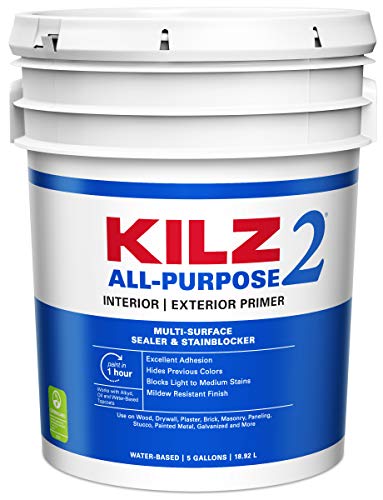
“KILZ 2 ALL-PURPOSE Primer is a fast drying, water-based, multi-surface primer-sealer-stainblocker with excellent adhesion, mildew resistance, sealing properties and very mild odor.”
Best All-Purpose Pick
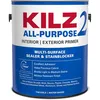
KILZ 2 All-Purpose Primer, 1 Gallon – $72.50
The general-purpose gallon this guide recommends for light to medium stains and new drywall — the same water-based acrylic/latex formula covered in the Kilz 2 Features section above.
- Best for: New drywall, light water stains, low-odor indoor jobs
- Why we picked it: Matches the coverage and dry time this guide’s comparison table cites for Kilz 2
- Main drawback: Not enough stain-blocking power for heavy smoke, tannin, or mold damage — step up to Kilz 3 for those
Compare more Kilz primer options
 Heavy-Stain Pick KILZ 3 Premium Primer, 1 Gallon – $154.84
|
 Glossy-Surface Pick KILZ Adhesion Primer, 1 Quart – $45.88
|
 Small-Job Pick KILZ Original Low Odor Primer, 1 Quart – $27.80
|
As an Amazon Associate we earn from qualifying purchases.
Frequently Asked Questions
What is the difference between Kilz 2 and Kilz 3?
Kilz 2 is a general-purpose water-based primer for light to medium stains, odors, and new drywall. Kilz 3 uses a thicker acrylic formula with stronger stain-blocking and mildew resistance, and is rated under 5 g/L VOC versus Kilz 2’s under 50 g/L — making Kilz 3 the better choice for bathrooms, kitchens, and water-damaged areas.
Is Kilz 3 worth the extra cost over Kilz 2?
Yes, if you’re dealing with heavy stains, mold, smoke damage, or a high-moisture room. Kilz 3’s lower VOC content and stronger stain-blocking justify the higher price for bathrooms and kitchens. For a plain new-drywall wall with no stains, Kilz 2 does the job for less.
Can you mix Kilz 2 and Kilz 3?
No. Mixing different primer formulas can change the dry time, coverage, and stain-blocking performance of both products in unpredictable ways. Use one product per project, or apply Kilz 2 in one room and Kilz 3 in another rather than blending them in the same can.
What is the strongest Kilz primer?
Kilz Restoration is KILZ’s strongest stain-blocking formula, built for the most severe fire, smoke, and water damage. For most home projects, Kilz 3 Premium is the strongest primer you’ll actually need — it handles the majority of heavy stains without Restoration’s industrial-strength odor.
What is Kilz 3 used for?
Kilz 3 is used to seal porous surfaces, block heavy stains (water, smoke, tannin, ink), and resist mold and mildew before painting. It’s commonly used on new drywall in bathrooms and kitchens, water-damaged ceilings, and exterior siding with stubborn staining.
Conclusion
Kilz 2 and Kilz 3 solve the same core problem — sealing a surface and blocking stains before you paint — at two different strength levels. Kilz 2 is the cheaper, lower-odor choice for general priming and light stains. Kilz 3 costs more but earns it with a 10x lower VOC rating and stronger mold and stain resistance, which is why it’s the better call for bathrooms, kitchens, and anywhere water damage has already been a problem.
Whichever you choose, let it dry the full hour before topcoating, and scuff-sand any glossy areas first — that’s what actually determines whether the finish holds up, not which of the two cans you picked.
Sponsored / affiliate links. As an Amazon Associate I earn from qualifying purchases. I may earn additional commission from eligible campaigns.