Lumber/Plywood Cart Essentials for Safer, Faster Moves
When choosing a lumber or plywood cart, start with the load: sheet goods generally call for a low deck, a high load rating, and wheels around 6 inches or larger. Narrow-shop moves may need swivel-lock casters instead of larger fixed wheels. A poor match tips panels, bends decks, and wears wheels fast. This guide shows which cart features fit your workflow, floor type, and failure risks.
Must-have
The three non-negotiables are a stable frame and base, casters or wheels that match the floor, and a load rating with real safety margin. If any one of those is wrong, the cart can tip, drag, or fail under a stack of 4×8 plywood, MDF, OSB, or bundled dimensional lumber.
Stable frame and base
A lumber/plywood cart moves sheet goods and dimensional lumber without letting panels slide off or rails rack under load. For that job, the frame needs a wide footprint, low center of gravity, and enough stiffness that a tall stack of sheets does not walk when the cart turns.
For sheet goods, the base matters more than raw deck size. 4×8 plywood panels, MDF, and OSB all punish a narrow cart because their weight sits high and far from the wheels. MDF and OSB also sag sooner than plywood when they are unsupported, so side rails or a clamp-style support help keep panels flat and controlled.
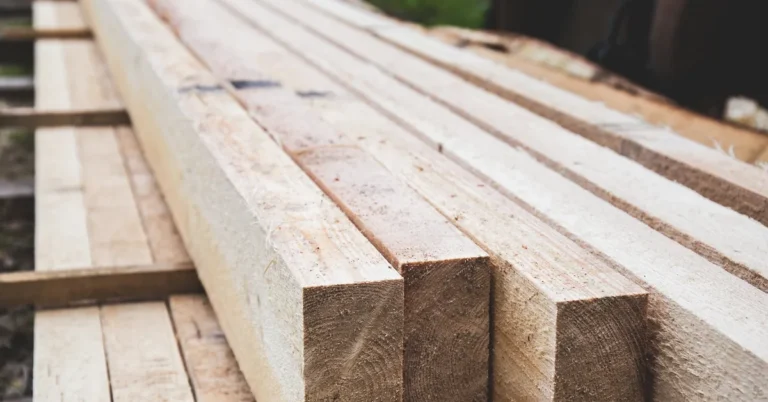
Dimensional lumber is different. Lumber is wood processed into uniform, useful sizes such as beams, planks, or boards, and carpenters extensively use dimensional lumber in framing wooden buildings. Those bundles stack well, but long lengths shift under braking, so a cart should control fore-and-aft movement as well as side sway.
Casters and wheels: the minimum specs that prevent hang-ups and overloads
Casters should be rated above the expected load, not equal to it. That extra margin helps when a cart hits a threshold, one wheel crosses debris first, or one corner carries more weight during a turn. Small wheels may roll fine on a smooth shop floor, then hang up the first time they meet sawdust, grit, or cracked concrete.
Casters can be locking or non-locking, and swivel or fixed. Swivel casters steer tightly in a garage shop or saw station. Fixed casters track straighter on long moves. Locking casters matter when the cart is parked for loading, because a cart that rolls during a lift can dump a panel or pinch fingers.
Wheel type also changes how the cart fails. Rubber wheels roll well on smooth surfaces and soften vibration. Plastic wheels are light and cheap, but they transmit shock and can skate on dust. Polyurethane usually gives the best blend of grip and wear resistance, especially when a cart must cross debris or rough concrete.
Load rating with margin: how to size for plywood, MDF, OSB, and lumber bundles
What weight capacity should a lumber cart have? As a rule, the cart should cover the heaviest realistic load with room left over for fasteners, clamps, and uneven stacking. The purchasing table highlights weight capacity as a key feature to check, and that check should include the risk of overload, not just a printed maximum.
For plywood, MDF, and OSB, weight is only part of the story. A smaller stack that sits high can be harder to manage than a heavier stack that sits low and centered. For bundled 2x4s or 2x6s, length and balance matter as much as total pounds because an overhanging bundle can lever the cart onto two wheels.
| Use case | Load class | Minimum caster type | Wheel diameter | Locking need | Tipping risk |
|---|---|---|---|---|---|
| Garage shop | Medium | Swivel, preferably with at least two locks | 5-6 in | Load-and-park | Moderate |
| Saw station | Medium to heavy | Swivel front, fixed rear or all-swivel with brakes | 6 in | Yes, for loading | High if sheets stand tall |
| Job site | Heavy | Large-diameter polyurethane or solid rubber | 6-10 in | Yes, for slopes and parking | High on debris and thresholds |
📊 84 Lumber says it is the nation’s largest privately held supplier of building materials. Source: 84lumber.
How do I choose the right cart for my workflow?
Pick the cart to fit where the load starts, how far it moves, and what the floor does to the wheels. A garage shop rewards tight steering and compact storage. A saw station rewards fast loading and easy sheet access. A job site needs clearance over debris, better moisture tolerance, and more braking control.
Garage shop setup: tight turns, clean floors, and storage space
In a garage shop, the cart usually lives near a wall, bench, or lumber rack. That means compact width, good swivel control, and a frame that does not waste floor space when empty. A moderate load rating is often enough, but the cart still needs a stable base so a sheet stack does not lean into a parked car or tool chest.
Open designs work well here because access matters more than dust control. Adjustable compartments can store materials of various sizes, which helps when the same cart carries trim, plywood offcuts, and a few sheet-good scraps between projects.
Saw station or assembly area: short moves and frequent loading
At a saw station, the cart should shorten handling time and reduce the number of lifts. A low deck, secure side supports, and easy-rolling casters matter more than extra storage. If the cart feeds a table saw or track saw area, the top edge should not force awkward shoulder height when placing sheets.
This is also where sheet flex shows up. Thin plywood, MDF, and OSB can bow if the cart support points are too far apart. A cart with better panel support or an expandable deck is safer than one that leaves the middle of the sheet hanging in air.
Job-site use: debris, thresholds, moisture, and rough concrete
On a job site, the failure modes are harsher. Cracked slabs, plywood scraps, mud, and threshold lips can stop a small wheel cold. Moisture also matters, because wet sheets swell and steel hardware corrodes faster when the cart lives in the truck or on an open slab.
For this use, the frame should be simple, easy to clean, and tolerant of hard knocks. Steel or aluminum are great choices for durability, but steel needs corrosion control and aluminum needs thoughtful reinforcement if the cart will see repeated impacts or long sheet loads.
What wheels and casters work best?
The best wheels keep the cart moving when the surface gets ugly. Swivel casters help with steering in tight spaces. Fixed casters help tracking. Locking wheels matter for parking and loading. Large-diameter polyurethane usually beats small hard wheels on debris because it bridges cracks and resists hang-ups better.
Swivel vs fixed casters for steering and tracking
Swivel casters are easier to steer when the cart must turn in place, line up with a rack, or move around benches. Fixed casters keep the cart from wandering on long straight runs. Many carts benefit from a mixed setup: swivel in the front for control, fixed in the rear for tracking, or all-swivel with a brake when maneuverability matters most.
If the load is tall, too much swivel can make the cart feel loose. That matters with sheet goods because the load’s center of gravity is already high. A cart that is easy to pivot can also be easy to tip if the wheels caster too freely under an uneven pull.
Locking vs non-locking wheels for loading and parking
Locking wheels are not optional when a cart is used as a loading station. They prevent roll-away when lifting panels on or off, and they reduce the chance of the cart drifting on a slope. Non-locking wheels are fine for occasional moves, but they make loading riskier in a busy shop or on concrete with any pitch.
Brake placement matters too. If only one side locks, the cart can still rotate during a side load. Two braking casters help, and four-wheel locking is better when the cart will sit loaded for a while.
Why large-diameter polyurethane usually beats small hard wheels on debris
Large wheels roll over grit, chips, and rough patches with less shock transferred into the frame. That helps protect sheet edges and reduces the chance that a wheel catches and twists the cart. Polyurethane is usually the safest middle ground because it grips better than hard plastic while wearing better than soft rubber on rough concrete.
Rubber wheels are a solid choice on smooth floors. The article recommends rubber wheels for smooth surfaces. Plastic wheels can work for light duty, but they are the first to complain on debris, expansion joints, and threshold strips. For rough floors, wheel diameter usually matters as much as material.
What is a lumber/plywood cart used for?
A lumber/plywood cart moves sheet goods and dimensional lumber through a shop, garage, or job site without repeated lifting. It typically features sturdy wheels and a sturdy frame, which helps the load stay controlled while moving 4×8 plywood, MDF, OSB, trim, or bundled framing stock.
That utility is why the cart belongs in the workflow, not at the end of it. It moves material from truck to rack, rack to saw, and saw to assembly without forcing one person to deadlift awkward panels or long boards that can twist and strike nearby tools.
What should I look for in a heavy-duty sheet goods cart?
Look for a wide, stiff frame; a deck or support area that keeps sheet goods from sagging; casters with enough diameter and load rating; and locking hardware that keeps the cart from wandering when parked. Heavy-duty carts also need replacement parts, because one failed wheel should not retire the whole unit.
Open vs enclosed design matters here. Open carts are faster to load and easier to inspect. Enclosed designs help with dust and moisture, especially around MDF and OSB, but they can slow access and make it harder to see whether the stack is leaning or binding against a rail.
 As an Amazon Associate we earn from qualifying purchases. Prices and availability are accurate as of the date shown and are subject to change.

VEVOR Drywall Cart Dolly fits the heavy-duty sheet-goods category well on paper. The 1800 lbs rating, expandable deck, and two braking casters address the three common problems: overload, panel width, and parking stability. The drawback is that its wider, more capable setup may be bulkier than a compact garage-shop cart.
As an Amazon Associate we earn from qualifying purchases. Prices and availability are accurate as of the date shown and are subject to change.

VEVOR Panel Dolly is the lower-cost option when rough terrain matters more than maximum capacity. Its 10 inch rubber wheels are a good sign for thresholds and uneven ground, and the adjustable clamp helps with mixed panel sizes. The tradeoff is that its 1000 lbs rating and clamp-style layout are less ideal for very large or awkward stacks.
How do I keep a lumber cart from tipping over?
Keep the load low, centered, and restrained. A lumber cart tips when a tall stack shifts, a wheel hits an obstacle, or the cart turns while the load is off-center. A wide base, proper caster spacing, and a load rating above the real working weight all reduce that risk.
Sheet stops, tie points, and correct loading order help too. Put the heaviest material lowest. Keep long lumber centered over the wheel line. Never stack so high that the top sheets act like a sail when the cart turns or stops abruptly.
Can I use a lumber cart for other materials besides wood?
Yes. A lumber cart can carry drywall, doors, sheet metal, panel stock, mattress cores, and similar flat or long materials when the support and clamp layout fit the load. The key is whether the cart’s frame, wheel type, and restraints match the material’s weight, surface sensitivity, and tendency to shift.
For mixed-use shops, that flexibility can be handy. But it also raises the chance of incompatible loading. A cart meant for plywood may damage finished panels, and a cart meant for mattresses may not have the stiffness needed for dense MDF or a stack of framing lumber.
Nice-to-have
Nice-to-have features improve workflow, but they should come after the load and wheel decisions. Handle height, tie points, sheet stops, and modular hardware do not fix a bad frame or undersized caster. They do make a good cart safer and easier to live with over time.
As an Amazon Associate we earn from qualifying purchases. Prices and availability are accurate as of the date shown and are subject to change.

Lomive Steel Panel Truck Cart is a strong fit for users who need brute capacity and a controlled load path. The 2500 lbs rating and removable 3-sided handrails help with large stacks, and the TPR swivel wheels should be kinder on finished floors than hard plastic. The drawback is size: a 36×24 in deck is not the easiest answer for a very tight shop.
As an Amazon Associate we earn from qualifying purchases. Prices and availability are accurate as of the date shown and are subject to change.

Ninoso 5 inch Caster Wheels are a useful modular upgrade when a cart needs better floor protection and a sturdy mounting plate. The 350 lb per caster figure gives a strong base for lighter carts, and the rubber wheel material should behave well on hard floors. The downside is obvious: these are small casters, so they are not the best answer for debris or rough job sites.
As an Amazon Associate we earn from qualifying purchases. Prices and availability are accurate as of the date shown and are subject to change.

WHARSTM 3 inch locking swivel casters make sense for light-duty carts, portable work tables, or storage units that need to park securely. The locking brakes on all four casters are a plus, and the non-marring wheels are suitable for finished floors. Their drawback is simple: 3 inch wheels are a poor fit for rough concrete and thresholds.
Consumables and spares
Consumables and spares keep the cart useful after the first season of wear. Bolts loosen, bearings dry out, and wheel treads wear down faster than many buyers expect. Replacement parts matter because a lumber cart is a moving load tool, not a fixed shelf.
Bolts, washers, and locking hardware to keep joints tight
Check bolts at the caster plates, handrails, and frame joints. Washers spread the load and help prevent elongation of holes in steel or wood-mounted parts. Corrosion-resistant hardware is worth the extra attention on job sites, especially if the cart rides in a damp truck bed or unheated garage.
Locking hardware should be easy to inspect. If a nut backs off or a pin loosens, the cart can start to sway long before anything breaks outright.
Caster wear items, bearings, and wheel replacements
Casters are wear parts. Bearings get noisy, wheels flat-spot, and swivel action gets sticky when dust and grit work into the race. Replacing a bad wheel promptly is cheaper than replacing a bent frame after a loaded cart drags sideways.
The article advises replacing damaged wheels or broken handles promptly. That is not cosmetic maintenance; it is load control. A cart with one weak caster can become hard to steer and unpredictable under a tall stack.
Corrosion control for steel frames and fasteners
Steel frames are durable, but rust starts where scratches, fastener heads, and weld seams trap moisture. Keep the frame clean, touch up exposed metal, and inspect fasteners that sit near wet lumber or outdoor job-site grime. Aluminum resists rust better, but it still needs inspection at joints and mounts.
Replacement parts should be part of the buying decision. A cart with odd-size hardware or nonstandard casters can become disposable when one wheel fails, which turns a low-price purchase into a bad long-term deal.
Budget setups
Budget carts can work if they protect against the common failure modes: tipping, wheel hang-up, and overload. Spend first on the wheels, then the frame, then extra features. A cheap cart is fine for light, occasional use. It becomes a false economy when it carries tall panels, lives on rough concrete, or parks on a slope.
| Setup | Best use | Spend first on | What to avoid | Price |
|---|---|---|---|---|
| Starter | Light garage-shop use, short moves, stored indoors | Stable base and locking casters | Small hard wheels and tall, narrow frames | $9.99–$39.93 |
| Mid | Regular plywood and trim movement, mixed shop floors | Better wheel diameter and stronger hardware | Underrated load capacity | $66.90–$176.90 |
| Serious | Frequent sheet-goods handling, job-site duty, heavy loads | High capacity, wide base, quality brakes | Low-cost wheels and flimsy joint hardware | $299.99 |
Where to spend first: wheels, frame, or load rating
Spend first on load rating and wheels. A strong frame is useless if the casters bind on grit or the deck sits too high for safe loading. After that, look for corrosion-resistant fasteners and a base that stays stable when the cart is half loaded or parked on a slight slope.
For a serious cart, the frame material matters too. Steel or aluminum are great choices for durability, but steel is heavier and better at absorbing abuse, while aluminum saves weight and resists rust better. The right choice depends on whether the cart lives indoors or spends time on a job site.
Buyer checklist by use case
Use this one-page checklist to compare carts side by side before buying. Score each item from 0 to 2 points: 0 if it fails the need, 1 if it is marginal, 2 if it fits well. The cart with the higher total is usually the better match for the workflow, not just the higher-capacity badge.
- Identify the use case: garage shop, saw station, or job site.
- Estimate the heaviest realistic load, including sheet stack height and lumber length.
- Check load class and safety margin against that load.
- Confirm caster type: swivel, fixed, locking, or a mix.
- Measure wheel diameter and wheel material for the floor conditions.
- Check sheet-goods capacity for 4×8 panels, MDF, and OSB.
- Score tipping risk based on base width, deck height, and load position.
- Inspect hardware: bolts, washers, locking hardware, and replacement-part availability.
For garage shops, give extra points to maneuverability and floor protection. For saw stations, score access and sheet restraint higher. For job sites, weight capacity, wheel diameter, and brake quality should carry the most weight because debris and rough concrete punish weak carts first.
Frequently asked questions
How do I choose the right plywood cart for my workshop?
Match the cart to the floor, the load, and the path it travels. Tight garage turns favor swivel casters, while long straight moves may favor fixed wheels. If you handle tall sheet stacks, prioritize a low deck, wide base, and locking casters over extra storage or accessories.
What weight capacity should a lumber cart have?
Pick a cart with a rating above the heaviest load you expect to move, not just the average one. That extra margin helps when the load shifts, one wheel crosses debris, or the cart turns under a tall stack. Overloading a cart increases tipping risk and shortens wheel life.
What wheels are best for a plywood cart on rough floors?
Large-diameter polyurethane or solid rubber wheels are usually the best choice on rough floors, debris, and thresholds. They roll over cracks better than small hard wheels and reduce shock into the frame. On smooth shop floors, rubber wheels can work very well and protect finished surfaces.
How do I maintain the wheels and frame on a lumber cart?
Inspect bolts, caster plates, and wheel bearings regularly, especially after heavy loads or rough job-site use. Clean grit from the wheels, tighten loose hardware, and replace damaged wheels or broken handles promptly. On steel frames, watch for rust at scratches and fasteners; on aluminum, check for loosened joints and wear at mounts.
Sponsored / affiliate links. As an Amazon Associate I earn from qualifying purchases. I may earn additional commission from eligible campaigns.