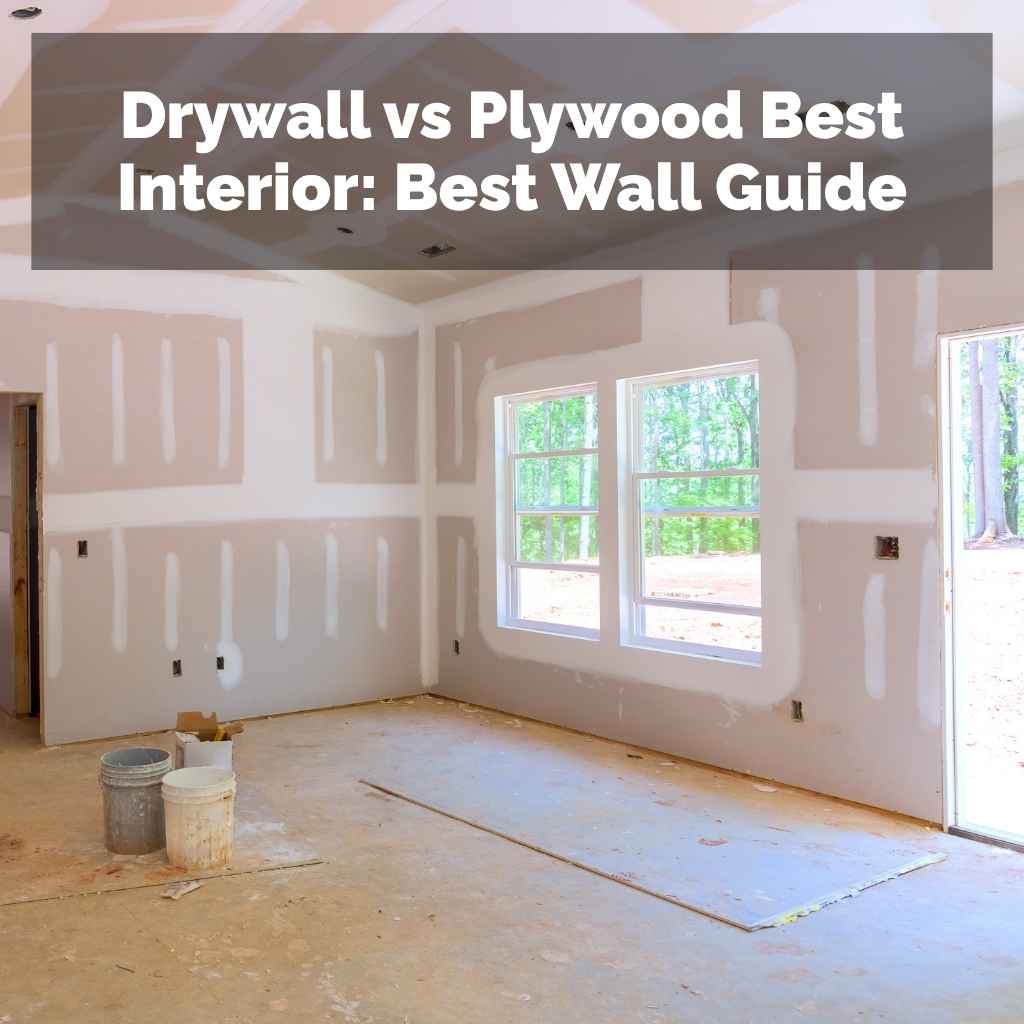
Drywall vs Plywood Best Interior: Best Wall Guide
Choosing the right material for your interior walls can feel tricky, especially when you first start thinking about home projects. Many people wonder about Drywall vs Plywood: Best Interior Wall Guide Near You because it seems like a big decision with lots of options. It’s easy to get confused by all the information out there.
But don’t worry, we’re going to break it all down for you in a simple, step-by-step way. Get ready to learn what works best for your walls.
Understanding Drywall vs Plywood For Walls
This section is all about getting a clear picture of what drywall and plywood are, and why choosing between them is a big deal for any home builder or renovator. We’ll look at their basic makeup and what makes them different in terms of how they’re used for interior walls. This helps you see why the Drywall vs Plywood: Best Interior Wall Guide Near You is so important for making smart choices for your living space.
What is Drywall?
Drywall, also known as gypsum board or plasterboard, is a common building material made from a gypsum plaster core pressed between two thick sheets of paper. It’s a panel product that’s typically installed on walls and ceilings.
The gypsum core is usually mixed with additives to improve its strength, fire resistance, and water resistance. The paper facing provides a smooth surface that can be painted, wallpapered, or finished in many other ways.
Drywall panels come in various sizes and thicknesses, with standard sizes being 4×8 feet and 4×12 feet. Common thicknesses are 1/2 inch and 5/8 inch. Thicker panels are generally stronger and offer better soundproofing.
Because it’s relatively lightweight and easy to cut and install, drywall is a popular choice for many interior walls. It offers a clean, seamless finish when properly taped, mudded, and sanded.
What is Plywood?
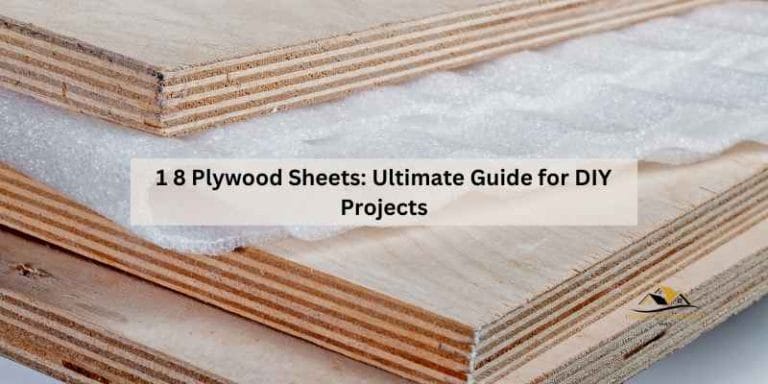
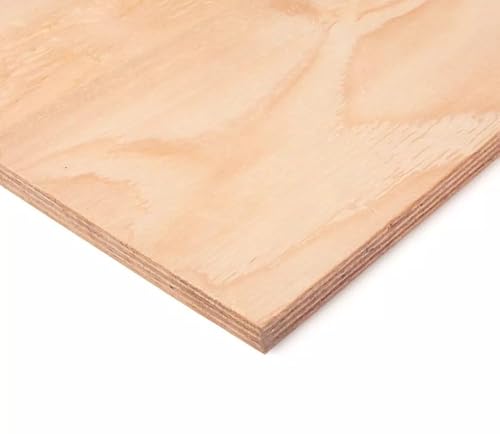
Plywood is an engineered wood product. It is made by gluing together thin sheets of wood veneer. These sheets are layered in a way that their wood grain direction alternates with each layer.
This crisscross layering makes plywood very strong and stable. It is less likely to shrink, swell, or crack compared to solid wood. Plywood is used in many building applications, including subflooring, sheathing, and sometimes for interior walls.
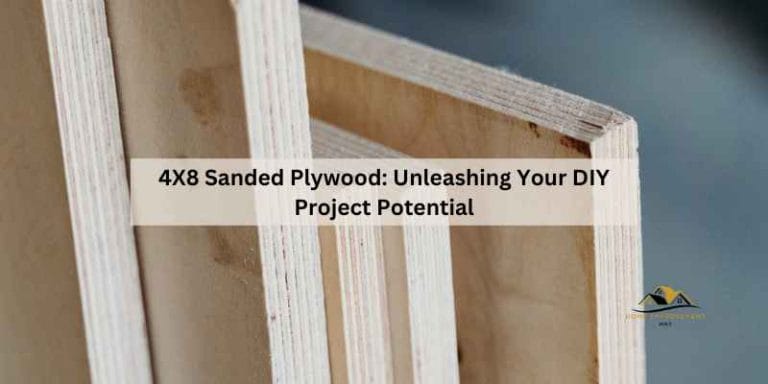
Plywood panels are also typically 4×8 feet. They come in various thicknesses, commonly ranging from 1/4 inch to 3/4 inch. The grade of plywood affects its appearance and strength.
Higher grades have fewer knots and a smoother surface.
While plywood can provide a very durable wall surface, it often has a wood grain appearance that might need to be covered if a smooth finish is desired. It’s also heavier and can be more difficult to cut than drywall.
Key Differences at a Glance
The main differences lie in their composition and typical use. Drywall uses a gypsum core, making it fire-resistant and easy to finish smooth. Plywood uses wood veneers, making it very strong and durable.
Material Composition: Drywall is gypsum plaster between paper. Plywood is layers of wood veneer.
This fundamental difference impacts how they behave. Gypsum is naturally fire-resistant, which is a big safety advantage for drywall. Wood, on the other hand, can burn, though plywood is treated and layered for strength.
The wood grain in plywood can also show through finishes if not prepared properly, while drywall offers a blank canvas.
Installation Ease: Drywall is lighter and easier to cut. Plywood is heavier and requires more effort to cut.
For DIYers or when working in tight spaces, drywall’s lighter weight and ease of cutting with a utility knife make installation much faster. Plywood often needs power saws to cut cleanly, and its weight can make handling large sheets more challenging for a single person. This can affect labor costs and project timelines.
Surface Finish: Drywall provides a smooth, seamless surface. Plywood has a visible wood grain.
Achieving a smooth, paint-ready surface is standard with drywall after taping and mudding. Plywood’s surface typically shows the wood grain, which can be a desirable aesthetic for some, but if a smooth finish is wanted, it requires extra steps like skim coating or using a primer specifically designed for wood.
Durability and Strength: Plywood is generally stronger and more impact-resistant. Drywall can dent or crack more easily.
In areas where walls might get bumped often, like garages or basements, plywood’s inherent strength offers better protection against dents and damage. Drywall can be more susceptible to punctures or cracks from impacts, though specialized types of drywall exist to offer more resilience.
Drywall vs Plywood Best Interior Wall Guide Considerations
When you’re figuring out your Drywall vs Plywood: Best Interior Wall Guide Near You, there are a few important things to think about. These points will help you pick the material that fits your needs best. We’ll cover how they stand up to different conditions and what they cost.
Moisture Resistance
How well a material handles water is a big deal, especially in places like bathrooms or kitchens. Both drywall and plywood have options that deal with moisture, but they are different.
Standard Drywall: Regular drywall is not good with water. If it gets wet, it can get soft, warp, and grow mold. It’s best kept in dry areas.
This is why standard drywall is not suitable for areas prone to splashes or high humidity. Water can easily soak into the gypsum core and the paper facing, leading to structural damage and creating an environment where mold and mildew can thrive. Replacement is often necessary if significant water exposure occurs.
Moisture-Resistant (Green Board) Drywall: This type of drywall has a special paper facing that resists moisture better. It’s often used in bathrooms and laundry rooms.
Green board drywall provides a step up in moisture protection, making it a more suitable choice for areas with moderate humidity or occasional splashes. While it can handle some dampness better than standard drywall, it’s still not waterproof and should not be used in areas with direct water contact, such as shower stalls.
Mold-Resistant Drywall: Some drywall is treated to prevent mold growth. This is great for humid areas.
This is a newer type of drywall designed to inhibit mold and mildew growth, even in damp conditions. It’s an excellent choice for bathrooms, basements, or any area where humidity levels are consistently high, offering an added layer of protection against common indoor air quality issues.
Plywood: Plywood is generally more durable than standard drywall when exposed to moisture. However, it can still warp or delaminate if it gets very wet over time. Exterior-grade plywood is more water-resistant.
The layered wood construction of plywood gives it some natural resistance to moisture compared to standard drywall. However, prolonged exposure to significant amounts of water can still cause damage. For enhanced water resistance, exterior-grade plywood is treated with adhesives and resins that make it much more tolerant of damp conditions, though it’s often more expensive.
Waterproof Options: For very wet areas like shower walls, specialized waterproof panels or cement board are the best choice, not just moisture-resistant drywall or regular plywood.
In situations demanding complete water protection, like inside shower enclosures or around bathtubs, moisture-resistant materials are insufficient. Cement board or specific waterproof panel systems are designed to prevent water from ever reaching the framing, offering superior protection and preventing costly water damage and mold growth.
Fire Resistance
Fire safety is a critical factor in building materials. Drywall offers significant fire resistance, which is a key reason for its widespread use.
Drywall: Gypsum contains water within its molecular structure. When exposed to heat, this water is released as steam, which cools the surface and slows down the spread of fire. Type X drywall is specifically designed for increased fire resistance.
The chemical composition of gypsum is its secret weapon against fire. The hydration process within the gypsum releases a significant amount of energy as heat when water turns to steam. This process acts as a natural fire retardant, buying valuable time for occupants to escape and for firefighters to respond.
Plywood: Plywood is a wood product and is combustible. While it can be treated with fire retardants, it is not inherently fire-resistant like drywall.
Wood burns. Although plywood is made with strong adhesives, the wood itself will catch fire and contribute to the spread of flames. Fire-retardant treatments can improve its performance in a fire, but it will not offer the same level of protection as a fire-rated drywall system.
For most interior residential walls where fire safety is a concern, drywall is the preferred choice due to its inherent fire-resistant properties.
Soundproofing Capabilities
The ability of a wall to block sound is important for privacy and comfort in a home. Different materials and installation methods affect how well walls dampen noise.
Drywall: Standard drywall provides some sound dampening. Thicker drywall (5/8 inch) and using multiple layers of drywall can significantly improve soundproofing. Using specialized sound-dampening drywall or adding insulation can also help.
Drywall works by mass and air sealing. Its density helps to absorb some sound energy. When installed with careful attention to sealing gaps and cracks, it forms a relatively effective barrier against airborne sound.
Adding insulation within the wall cavity further enhances its soundproofing abilities by absorbing sound waves.
Plywood: Plywood can offer decent sound dampening due to its density. However, its effectiveness can vary based on the type and thickness of the plywood.
The solid construction of plywood can create a dense barrier that reflects or absorbs sound waves. However, without proper sealing, sound can still travel through small gaps or vibrations. The natural grain pattern might also contribute to diffusion of sound waves to some extent.
For superior soundproofing, a combination of materials and techniques is often best. This might include resilient channels, sound-damping compounds, and fiberglass insulation within the wall cavity, regardless of whether drywall or plywood is used on the surface.
Cost and Availability
When planning any project, the budget is a key factor. The cost and how easy it is to get materials can influence your decision.
Drywall: Drywall is generally one of the most cost-effective wall materials available. It is widely produced and readily available at most building supply stores.
The mass production of drywall makes it an economical choice for large projects. Standard drywall panels are relatively inexpensive per square foot, and the ease of installation can also lead to lower labor costs, further contributing to its affordability.
Plywood: Plywood prices can vary greatly depending on the grade, thickness, and type of wood used. Higher grades and specialty plywoods can be more expensive than standard drywall.
The cost of plywood is tied to the quality of the wood veneers and the adhesives used. Common utility grades are cheaper, but structural or appearance grades can cost significantly more. Availability is generally good, but specific types might require special orders from lumber yards.
Ease of Installation
How easy is it to put up the material? This affects both professional contractors and DIY enthusiasts.
- Drywall: Drywall is known for being relatively easy to install. It can be cut with a utility knife, and panels are usually manageable in size. Finishing requires taping, mudding, and sanding.
- The process of hanging drywall involves screwing panels to studs. The real skill and effort come in the finishing stages: applying joint compound (mud) over seams and fasteners, then sanding it smooth. This takes practice to get a perfect finish.
- Plywood: Plywood is heavier and harder to cut than drywall, often requiring power saws. It can be nailed or screwed directly to studs. Finishing might require more prep work if a smooth surface is desired.
- Working with plywood involves more physical effort due to its weight and density. Cutting requires precision with saws. While it’s a strong backing, achieving a paint-ready surface can involve filling grain, sanding, and priming, which adds steps to the finishing process compared to basic drywall.
When to Choose Drywall vs Plywood for Your Walls
Now that we’ve looked at the details, let’s bring it all together. Deciding between drywall and plywood for your interior walls depends on what you need your walls to do. Here’s a guide to help you make the best choice for your project, making your Drywall vs Plywood: Best Interior Wall Guide Near You truly helpful.
Ideal Scenarios for Drywall
Drywall is the go-to material for most residential interior walls for good reasons. Its balance of cost, ease of use, and finish quality makes it very popular.
Standard Residential Construction: For most rooms in a home, like living rooms, bedrooms, and hallways, drywall offers a smooth, paintable surface at a good price.
In typical living spaces, the primary need is a flat surface that can be decorated easily. Drywall excels here, providing a clean canvas that accepts paint, wallpaper, or texture finishes beautifully, making the rooms look polished and finished without excessive cost or effort.
Areas Requiring Fire Resistance: Due to its gypsum core, drywall naturally provides good fire protection. Type X drywall offers even greater fire resistance.
The inherent fire-retardant properties of gypsum are a major safety advantage. This makes drywall an essential component in creating fire-rated wall assemblies that help prevent the spread of flames and smoke, protecting occupants and property.
Quick Installation and Finishing: If you need to get walls up and finished relatively quickly, drywall is a good choice, especially with experienced installers.
While the finishing process takes time and skill, the actual hanging of drywall panels is quite fast. This speed, combined with efficient finishing techniques, allows projects to move along efficiently, which is crucial for meeting deadlines.
Budget-Conscious Projects: Drywall is typically less expensive than plywood, making it a budget-friendly option for large areas.
When covering vast wall spaces, the cost savings per square foot with drywall can be substantial. This allows homeowners to allocate their budget to other decorative elements or features of their home.
Ideal Scenarios for Plywood
Plywood shines in situations where strength, durability, or a specific aesthetic is needed. It’s not just for subfloors anymore.
High-Impact Areas: In garages, workshops, or playrooms, where walls might get bumped or dented, plywood offers superior durability and resistance to damage.
Plywood’s solid wood construction makes it much tougher against impacts than standard drywall. It can withstand scuffs, scrapes, and minor collisions without easily denting or cracking, maintaining its appearance and structural integrity over time.
Structural Backing and Support: Plywood is often used as a backing for hanging heavy items like cabinets, shelves, or large TVs, especially in areas where studs might be spaced further apart.
When you need to anchor something heavy securely to a wall, plywood provides a solid, stable surface. This ensures that the fasteners have a strong material to grip, preventing the item from pulling away from the wall and causing damage or accidents.
Areas Requiring Enhanced Moisture Resistance (with appropriate grade): While not waterproof, certain grades of plywood offer better performance in damp environments than standard drywall, especially exterior grades.
For projects in basements or utility areas where some moisture is a concern, selecting a water-resistant plywood can be a practical choice. It’s important to match the grade and type of plywood to the specific level of moisture exposure expected.
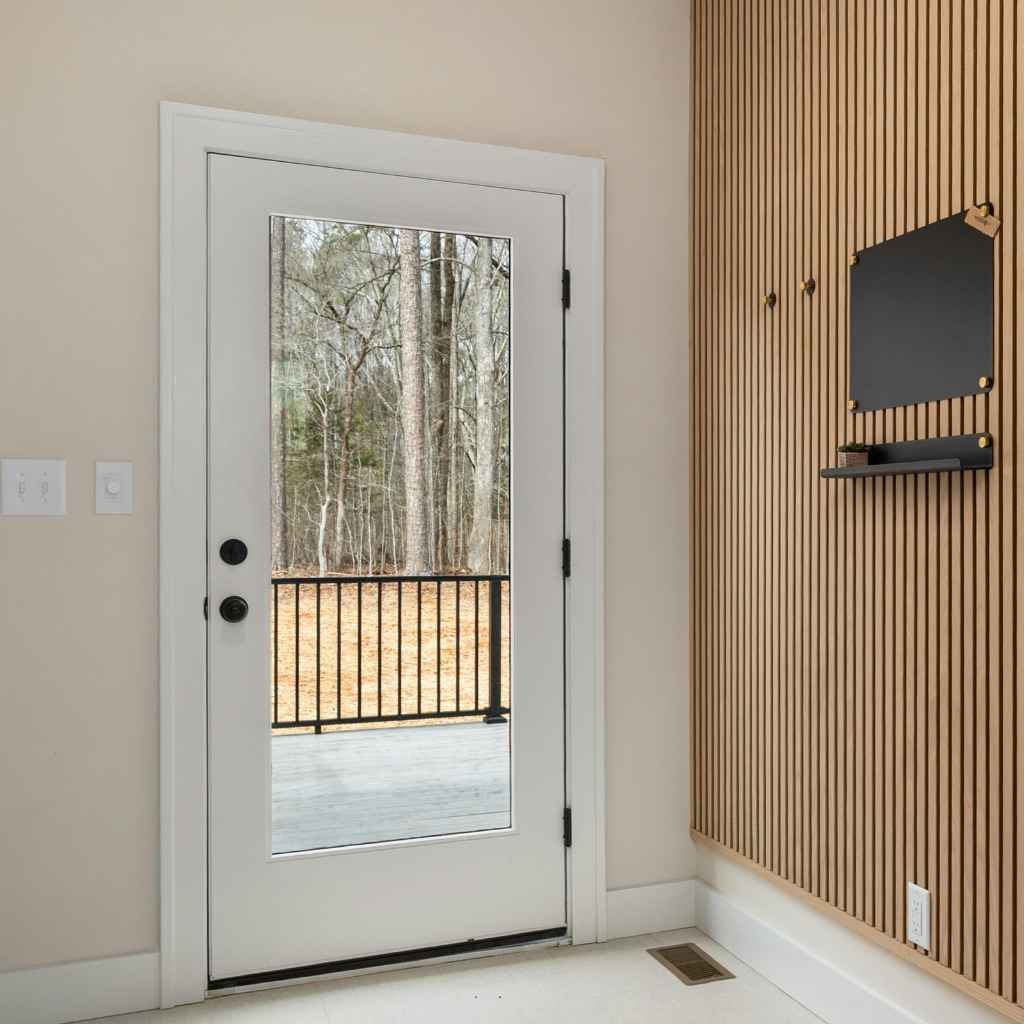
Unique Aesthetic Finishes: The natural grain of plywood can be a desired look for certain rustic or modern interior designs, often finished with clear coats or stains.
Instead of covering it up, some designers embrace the visual texture of plywood. When finished with care, the wood grain can add warmth and character to a space, offering an alternative to the smooth, uniform look of drywall.
Sound Dampening Needs: While not always the primary reason, the density of plywood can contribute to sound dampening in some applications, especially when combined with insulation.
A solid, dense material like plywood can help block sound transmission. This can be an added benefit in rooms where a quieter environment is desired, complementing other soundproofing measures.
Installation Techniques and Finishing Tips
Once you’ve chosen your material, how you install and finish it makes all the difference. Proper techniques ensure durability and a great look.
Hanging Drywall
Drywall panels are attached to wall studs using drywall screws. The seams between panels and screw holes need to be covered.
Cutting Drywall: Score the paper on the front side with a utility knife, snap the gypsum, and cut the back paper. For inside corners, you can fold the gypsum.
This scoring and snapping method is quick and efficient, allowing for precise cuts. For more complex shapes or curves, drywall can be cut with various saws.
Fastening: Use drywall screws that are specifically designed for the job. Drive them slightly below the paper surface without tearing it.
The screws need to be set properly to avoid damaging the paper, which is crucial for the mudding process. Using a drywall screw gun or a dimpler bit on a drill helps achieve the correct depth.
Taping and Mudding: Apply joint compound over the seams, embedding drywall tape. Apply multiple thin coats, feathering each coat out to blend with the wall.
This is the most skilled part of drywall installation. Each coat of mud needs to dry completely before the next is applied. Sanding between coats creates a smooth surface.
Sanding: Lightly sand the dried joint compound until smooth and flush with the wall.
Dust control is key during sanding. Using a vacuum attachment on the sander or wet sanding can help reduce airborne dust.
Hanging Plywood
Plywood can be attached directly to studs, offering a strong and stable wall surface.
Cutting Plywood: Use a circular saw or jigsaw for straight cuts. Measure carefully to ensure a tight fit.
Power saws provide cleaner cuts and are more efficient for plywood than hand saws. Using a fine-tooth blade helps minimize splintering.
Fastening: Plywood can be nailed or screwed to studs. Use appropriate lengths of fasteners to ensure they penetrate the studs securely.
For structural integrity and to prevent warping, fasteners should be placed at regular intervals along the edges and in the field of the panel.
Finishing for a Smooth Surface: If a smooth finish is desired, you’ll need to fill any gaps or imperfections with wood filler and then sand the entire surface. Applying a primer designed for wood is essential before painting.
A wood grain filler or a skim coat of joint compound can be used to create a smooth surface. Multiple layers of primer might be needed to hide the wood grain and create a uniform base for paint.
Finishing for a Natural Look: Plywood can be left with its natural grain, often sealed with a clear coat or stained to highlight the wood’s beauty.
Applying a clear polyurethane or varnish protects the wood while preserving its natural look. Stains can alter the color to match your décor.
| Feature | Drywall | Plywood |
|---|---|---|
| Ease of Cutting | Easy (utility knife) | Moderate (power saw needed) |
| Weight | Lighter | Heavier |
| Finishing Effort (Smooth) | Moderate (taping/mudding/sanding) | High (filling/sanding/priming) |
| Durability (Impact) | Moderate | High |
| Fire Resistance | High (inherent) | Low (unless treated) |
Frequently Asked Questions
Question: Which is better for a basement wall drywall or plywood?
Answer: For basement walls, especially if there’s any chance of moisture, moisture-resistant drywall (green board) or even mold-resistant drywall is often preferred over standard drywall. Plywood can be a good option if you need extra durability or are planning to hang heavy items, but ensure it’s a grade suitable for interior use and consider moisture levels.
Question: Can I use plywood instead of drywall in my living room?
Answer: Yes, you can use plywood in your living room. If you like the look of wood grain, you can finish it with stain and a clear coat. If you want a smooth painted finish, it will require more prep work like filling the grain and priming than drywall.
Question: How do I decide between different types of drywall?
Answer: Consider the room’s purpose. Standard drywall is fine for most dry areas. Moisture-resistant drywall (green board) is for bathrooms and laundry rooms.
Mold-resistant drywall is for persistently humid areas. Fire-rated drywall (Type X) is for areas where extra fire protection is needed, like in some multi-family dwellings or garages.
Question: Is plywood more expensive than drywall?
Answer:Generally, standard drywall is less expensive per square foot than most types of plywood. However, specialty drywall products or very high-grade plywood can sometimes have comparable or even higher costs.
Question: Which is easier for a beginner to install drywall or plywood?
Answer: Drywall is often considered easier for beginners to hang because it’s lighter and can be cut with a simple utility knife. However, achieving a smooth, professional finish with mudding and sanding can be challenging for novices. Plywood is heavier and harder to cut, but its finishing might be more straightforward if a natural wood look is desired.
Conclusion
Choosing between drywall and plywood for your interior walls depends on your project’s specific needs. Drywall offers a cost-effective, fire-resistant, and easily finished surface perfect for most living spaces. Plywood provides superior strength and durability, ideal for high-impact areas or when structural support is key.
Consider moisture, fire safety, sound, budget, and ease of installation to make the right choice for your home.
Sponsored / affiliate links. As an Amazon Associate I earn from qualifying purchases. I may earn additional commission from eligible campaigns.