Maple Plywood 1/8: Top Choices for Woodwork Projects
For laser-cut signs, models, and light-duty shop parts, 1/8-inch maple plywood is a good pick when you need a flat sheet with no voids and predictable cuts; choose 3-ply or veneer-core stock and check that the actual thickness stays within a few thousandths of an inch. Cheap, warped sheets burn badly, split on tight curves, and eat time. This guide compares the best formats by project type, plus the buying checks to use before ordering.
Maple plywood at this thickness is also described as 3mm thin plywood. It is a hobby and craft plywood for thin-detail work, not structural work.
What 1/8 inch maple plywood is and where it fits


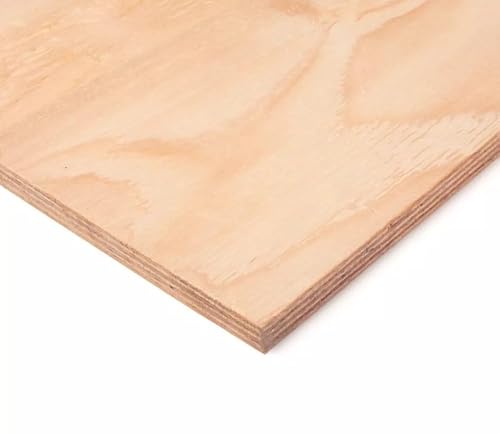
The face is usually a fine-grained, light-colored maple veneer. That pale face matters when the part will stay bare, take light stain, or carry engraved detail that needs contrast.
Use it when the job calls for crisp edges, low weight, and easy handling. Skip it when the part must take screws, hold heavy loads, or stay flat under moisture and stress.
When thin maple plywood makes sense
It makes sense for parts that are cut first and handled gently later. Think thin overlays, decorative panels, jigs, templates, laser-cut names, and small model parts.
It also works when the face grain is part of the look. Maple reads clean and calm under clear finish, while still taking engraving well enough for hobby work.
When it does not make sense
It is a poor choice for frame members, deep screw joints, and anything that needs real fastener pull-out. At this thickness, the material is too thin to forgive bad joinery.
If the project needs cabinets, closets, shelving, or furniture parts, move up to cabinet-grade panels instead of forcing thin hobby stock to do a thicker board’s job.
📊 The listed price for maple cabinet plywood starts at $77.53. Source: Bertastore.
What is 1/8 inch maple plywood used for?
Most 1/8 inch maple plywood goes into laser cutting, model making, and wood burning. It is also useful for small decor, inserts, veneer backing, and trim details where a thin, pale wood face is better than bulk. The best format depends on part size and cutting method.
Laser cutting and engraving
Laser cutters favor thin maple because the sheet is light, easy to fixture, and quick to engrave. A clean maple face gives decent contrast, but scorch control still matters, especially on tight geometry and dense engraving.
Model making and small decor
Model builders like thin stock because it bends less on small assemblies and cuts into tiny parts without much waste. Precut hobby packs are often the easiest format for this work, especially when the pieces are small and repeated.
Veneer backing and cabinet details
Thin maple plywood can back decorative veneer, cover shallow recesses, or form trim details inside larger work. It is best in areas that need appearance and light duty, not mechanical strength.
How does maple plywood compare with birch at 1/8 inch?
At 1/8 inch, maple is usually lighter in color, finer in visible grain, and a bit more refined for pale finishes and engraving contrast. Birch is usually grayer to more honey-toned, shows a more obvious grain pattern, and often costs less for similar hobby-grade sheets.
Color and grain
Maple plywood has a light, creamy-to-tan color with a quieter face grain. Birch tends to look busier and slightly darker. If the part will stay natural or only lightly stained, maple usually gives the cleaner visual field.
Hardness and cut quality
Birch is often chosen for toughness, while maple is valued for its clean face and smooth look. On thin stock, cut quality often matters more than brute strength. Good maple cuts neatly, but a poor core or loose veneer can still chip badly.
Typical cost gap
Birch hobby sheets are often cheaper than maple sheets of the same size and grade. The difference is usually small on one project, but it adds up across repeated laser jobs, school kits, or production runs. Choose maple when the face appearance justifies the extra cost.
Which sheet format should you buy for your project?
Buy by job type, not by habit. Precut hobby packs suit small parts and laser work; larger 4 x 8 cabinet sheets suit bigger builds, furniture details, and shop projects where yield matters more than convenience. Format changes waste, handling, and final cost per usable square foot.
Precut hobby sheet packs
A featured example is an 8-pack of 12×16-inch sheets priced at $38.99. That kind of pack is recommended for laser cutting, scroll saws, and model builds. It is the cleanest choice when the machine bed is small and the parts repeat.
Full cabinet sheets
For larger work, cabinet-grade maple plywood is sold as a 4×8 cabinet-grade panel. The listed price starts at $77.53, and it is shown for shelves, built-ins, closets, cabinets, and furniture. That size is the practical option when you need longer cuts and larger yield.
Project-to-format fit
Small signs, layered ornaments, and model parts usually fit better in hobby packs. Cabinet details, long trim strips, and veneer backer panels are better served by larger sheets, where the cost per square foot can improve and layout waste drops.
Project-fit comparison for 1/8 maple plywood
| Project type | Best sheet format | Likely core / face quality | Best fastening method | Finishing risk | Common failure mode |
|---|---|---|---|---|---|
| Laser cutting and engraving | Precut hobby pack, 12×16-inch sheets | Usually lighter craft-grade core with fine maple face | CA glue for quick assembly, wood glue for slower bonds | Scorch marks on dense engraving and dark glue squeeze-out | Burned edges, warping from heat, and veneer chipping at tight corners |
| Model builds and small parts | Precut hobby pack, 8-pack format | Good face appearance matters more than heavy core strength | Glue-based joining with light clamping or weighted pressure | Visible glue lines if the surface is not sanded first | Part breakage, edge fuzz, and delamination on tiny pieces |
| Signage and decorative overlays | Either hobby pack or larger panel, depending on layout | Flat sheet with clean face veneer and low void count | CA glue, wood glue, or mounting to a backing board | Stain blotching on uneven veneer absorption | Scorching, bowing, and edge lift after finishing |
| Cabinet details and veneer backing | 4×8 cabinet-grade sheet | Tighter core control and better flatness are worth paying for | Glue and temporary pressure during cure | Edge telegraphing if the face is thin or inconsistent | Warp, void exposure, and poor edge match at seams |
| Jigs and templates | Hobby pack for small tools; 4×8 if repeated parts are long | Core quality matters more than pretty face grain | Glue and small fixtures; avoid screw dependence | Minimal if left unfinished, but edges can fray | Dimensional drift, cracking around cutouts, and edge tear-out |
How do you cut 1/8 inch maple plywood without tear-out?
Use the lightest tool that still controls the cut. For straight work, a sharp utility knife can score and snap thin stock cleanly. For shaped cuts, use a fine-tooth scroll saw blade. For laser work, cut from the back face when the design allows it.
Utility knife scoring for straight cuts
Score repeatedly along a straightedge instead of trying to slice through in one pass. Thin plywood parts often fail at the face veneer first, so a patient score-and-snap method can leave a cleaner edge than a rushed saw cut.
Fine-tooth scroll saw cuts
Use a fine-tooth scroll saw blade when the shape has curves, inside corners, or narrow openings. Support the sheet close to the cut line so the top veneer does not chatter and chip at the exit point.
Laser cutter setup and back-face cutting
Laser cutting can work very well on thin maple, but only when the sheet is flat and the power is tuned to the stock. Back-face cutting helps reduce visible chip-out on the show side. Always run a test piece first, because scorch behavior changes with density and veneer quality.
What to watch for during cutting
Veneer chipping usually means the blade is too coarse, the feed is too aggressive, or the sheet is unsupported. Scorch marks usually point to too much heat, slow travel, or repeated passes in one spot. Delamination is a warning sign that the core is weak or the sheet was stored badly.
Can you fasten and finish 1/8 inch maple plywood well?
Glue is the right fastening method here. Screws are a poor choice because they can split or strip straight through the material. Use CA glue or wood glue, then apply light clamping or weighted pressure until the joint sets. Thin stock needs restraint, not force.
Why glue beats screws at this thickness
At 1/8 inch, there is not much material for a screw to bite into. The fastener often tears the face veneer or blows out the back. A glue joint spreads the load better and keeps the sheet flat.
How to clamp thin sheets
Use light clamping pressure or a flat weight stack with cauls. Too much pressure can bow the sheet or squeeze out too much adhesive. Even contact across the joint matters more than brute force.
Finishing thin maple
Sand progressively from 120-grit to 220-grit. Apply stain, then wipe it off before it sets unevenly. Finish with a polyurethane or oil-based sealant topcoat if the part needs protection from handling or moisture.
What should you check before buying thin maple plywood?
Check the actual thickness tolerance, face grade, core type, and flatness before you buy. Thin stock that looks cheap on a listing can arrive bowed, patched, or loose in the middle. Those defects cost more in failed cuts and waste than a slightly better sheet.
Actual thickness and flatness
Do not assume a sheet sold as 1/8 inch will behave the same as another. Look for consistent thickness across the panel and a flat sheet that lies well on the bench. For laser work, flatness is often more important than price.
Core type and face grade
Choose 3-ply or veneer-core stock when possible. A cleaner core usually means fewer voids, better edge behavior, and fewer surprises during cutting. Face grade matters if the part will be visible after sanding or clear finish.
Defects to reject
Avoid sheets with edge voids, visible veneer lift, localized warp, or loose plies around the corners. Delamination near the edge often grows once the sheet is cut. If the panel already looks stressed in the package, it will not get better at the bench.
How much does 1/8 inch maple plywood cost?
Cost depends on format more than on the word “maple.” A precut hobby pack is usually priced around $39, while a 4×8 cabinet-grade sheet starts at $77.53 in the cited example. The real comparison is cost per usable square foot after waste, not sticker price alone.
Hobby pack pricing
The featured 8-pack of 12×16-inch sheets is priced at $38.99, and the buying guide cites about $39 for a precut hobby pack. That format works well when the parts are small and the sheet size matches the machine bed.
Cabinet sheet pricing
Berta Store lists maple cabinet plywood as a 4×8 cabinet-grade panel, with a starting price of $77.53. That format makes sense when the job needs long parts, matched panels, or higher yield from one sheet.
What changes the value
Flatness, face quality, and defect rate change value faster than the headline price. A cheaper sheet that warps or scorches badly can cost more once you account for rework, extra sanding, and failed cut time.
Frequently asked questions
Can you screw into 1/8 inch maple plywood?
Not well. Screws are likely to split or strip straight through the material at this thickness. Glue-based joining is the safer choice, with light clamping or weighted pressure while the bond cures. If a design needs screws, move up to a thicker panel.
Is 1/8 maple plywood good for laser cutting?
Yes, if the sheet is flat and the core is clean. Thin maple is a strong candidate for laser cutters because it is easy to process and good for detailed work. Test cuts still matter, since scorch marks, veneer lift, and warp can ruin a clean file.
What size sheets does 1/8 maple plywood come in?
It commonly comes in precut hobby packs such as 12×16-inch sheets, often sold in an 8-pack, and in larger cabinet formats such as 4×8 sheets. Hobby packs suit small machine beds and repeated parts. Larger sheets suit cabinetry, shelving, and wide panels.
Sponsored / affiliate links. As an Amazon Associate I earn from qualifying purchases. I may earn additional commission from eligible campaigns.