Phillips vs. Pozidriv screws: why the difference matters
Phillips and Pozidriv are not interchangeable: use a PZ bit on PZ screws and a PH bit on Phillips screws. The wrong match slips sooner and strips faster under torque. That can damage hinges, cabinets, and drywall anchors, and it wastes time on a fastener that should have seated cleanly. This guide explains how to tell them apart, which bit to choose, and where each head type fails first.
This guide is part of our Screw repair and tools guide series.
| Decision factor | Phillips | Pozidriv screws | Winner |
|---|---|---|---|
| Visible head features | Simple cross-recessed head | Cross recess with four tick marks or indentations | Pozidriv screws |
| Bit marking and size family | Typically marked ph; common sizes 1, 2, 3 | Typically marked pz; sizes 0 to 5 | Tie |
| Torque transfer and slip behavior | Self-centering engagement with controlled cam-out | Higher torque transfer with less Phillips-style cam-out | Pozidriv screws |
| Risk when the wrong bit is used | Can cam out early in a PZ head and round the recess | Does not fit Phillips heads well and can damage them under force | Tie |
| Best fit for higher-torque hardware | Common, but less forgiving at higher torque | Better for hardware that needs more driving force | Pozidriv screws |
Phillips vs. Pozidriv screws: what changes in practice
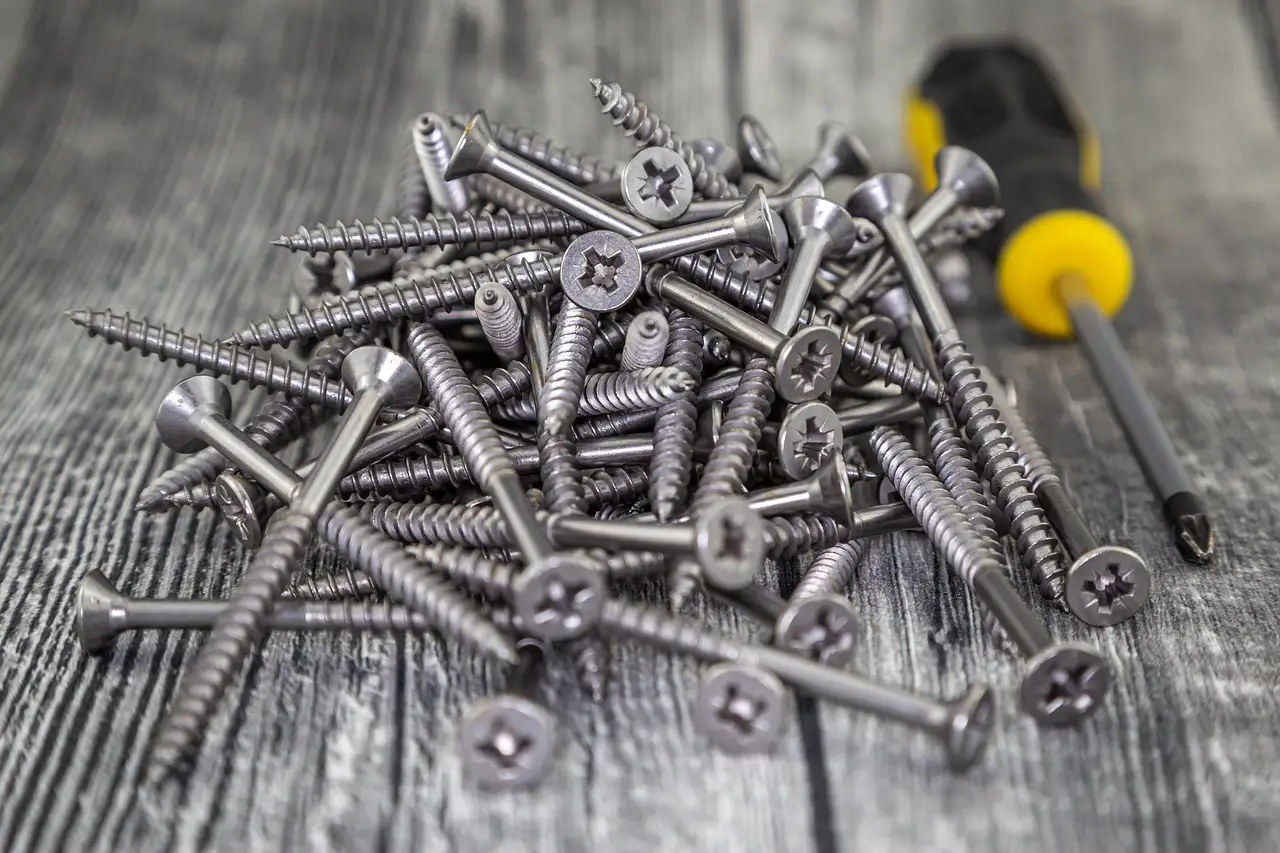


Both drives use a cross shape, but the recess geometry is different enough that the bit choice changes how the screw behaves under load. Phillips is built for self-centering bit engagement and controlled cam-out; Pozidriv adds extra ribs for higher torque transfer and resists that same slip behavior.
The difference matters most when the screw is carrying load, not just starting by hand. Cabinet hardware, cup hinges, and drywall runs each punish a poor bit fit in a different way, and that is where the wrong choice turns a routine job into stripped hardware.
Why similar-looking heads cause different failure modes
A Phillips bit can sit in a Pozidriv recess and still feel close enough to start turning. Under torque, though, it tends to ride up and cam out before the screw is fully tight, which leaves the head damaged and the joint underclamped.
Pozidriv bits do not fit Phillips heads well, so the mismatch usually fails fast. That helps you catch the error early, because a bit that will not seat properly is a warning before the driver does damage.
Where the comparison matters most
Cabinet hinges and cup hinges often need more holding force than light trim screws. Drywall screws are different: they are installed in high volume, so speed and depth control matter, but Phillips remains common and still demands a correctly sized bit.
Once the head starts to wear, the difference gets sharper. A slightly loose PH bit or PZ bit under a power driver can turn a small mismatch into rounded recesses in only a few seconds.
📊 Phillips sizes are commonly 1, 2, and 3. Source: What’s the Difference: Phillips vs. Pozidriv Bits.
How to identify Phillips and Pozidriv fast
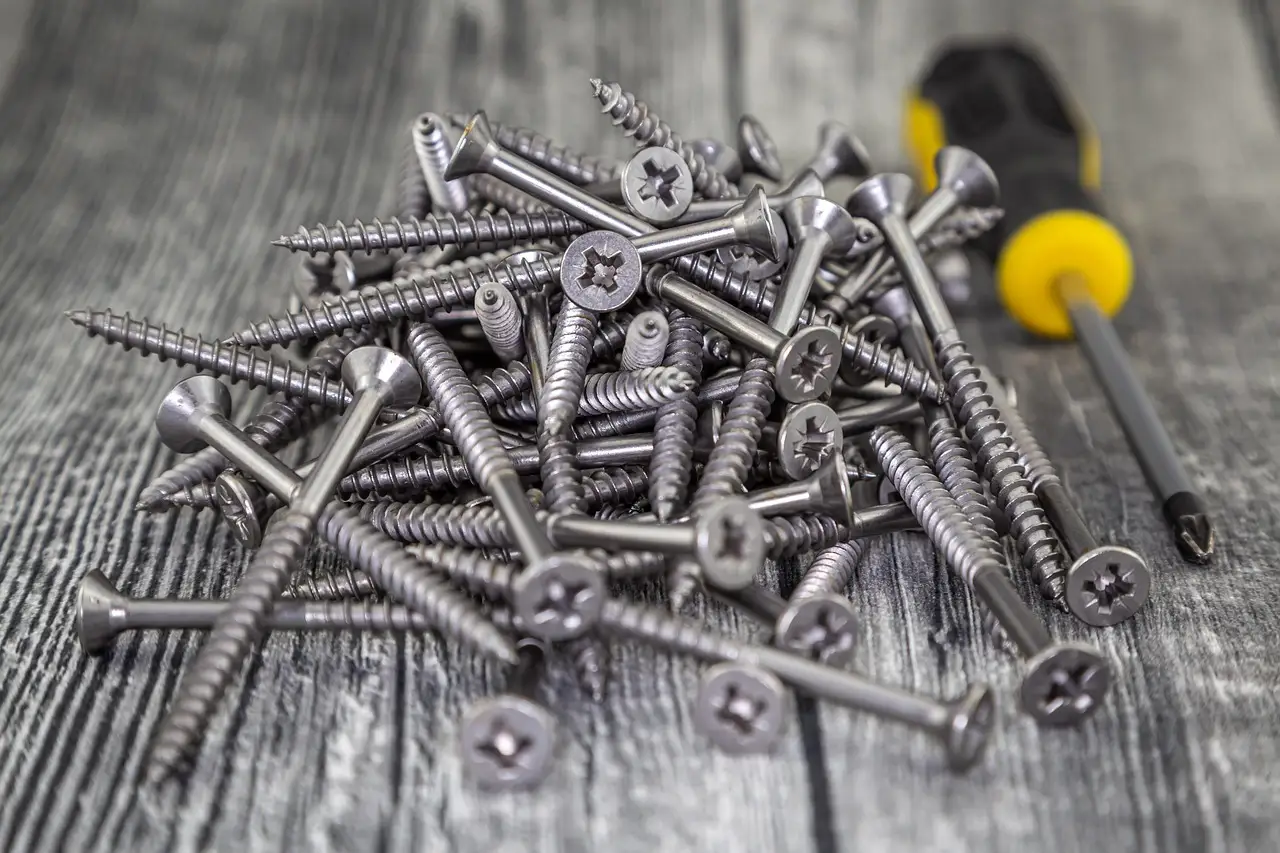
Start with the bit marking: Phillips bits are typically marked ph, and Pozidriv bits are typically marked pz. Then inspect the screw head itself. Phillips has a simpler cross recess, while Pozidriv has extra tick marks or indentations around the cross.
Head markings and packaging clues
Mixed bit sets often print both families on the shank or holder. That helps, but the printed code only matters if you match it to the screw head, not to the driver handle or the drill brand.
Phillips bit sizes are commonly 1, 2, and 3. Pozidriv sizes run from 0 to 5, so the number alone does not identify the drive family; the family mark does.
Visual cues on the screw head
A Phillips head usually shows a cleaner, simpler cross opening. A Pozidriv head has the same cross shape plus extra ribs or tick marks that sit between the main recess arms.
If paint, dust, or corrosion hides the markings, angle the light across the head. The extra Pozidriv ribs often catch the light before the main cross does.
A quick field check when the head is worn or painted over
- Clear the recess with a pick or brush.
- Try the correctly marked bit family first: PH on a simple cross, PZ on a cross with extra ribs.
- Stop if the bit rocks or climbs out under light pressure.
- Inspect the recess for rounding before applying more torque.
- If the screw is already damaged, switch to a tool path that reduces further slip, such as a fresh bit, controlled hand pressure, or extraction steps.

What cam-out does, and why it matters
Cam-out is the intentional slip behavior built into Phillips drives. It helps prevent overtightening, which is useful in assembly work where a screw should stop before the material is crushed or the head is buried too deep.
The same behavior becomes a problem when the wrong bit is used or the driver is pushed past the screw’s grip. Then cam-out is no longer a control feature; it is the start of head damage.
Controlled slip in Phillips drives
Phillips design includes self-centering and controlled cam-out. That means the bit should center itself quickly, then release before excessive torque tears up the recess.
In practice, that release also means less torque margin. A Phillips screw that is still snugging down can kick the bit out earlier than a Pozidriv screw of similar size.
How the wrong bit turns cam-out into stripped heads
Suppose a PH2 bit is driven into a PZ screw on a cabinet hinge. It may turn the screw at first, but as resistance rises the bit can ride up the walls of the recess and leave the corners rounded. Once that happens, every retry gets worse.
A magnetized bit holder can make driving screws easier, especially overhead or in a hinge pocket. It does not fix poor fit. It only helps keep the bit aligned while you use the right family and size.
Feature-by-feature comparison table
| Feature | Phillips | Pozidriv screws | Practical result |
|---|---|---|---|
| Drive profile | Cross-recessed head | Cross-recessed head with extra ribs | Pozidriv screws accept more torque before slip |
| Bit marking | ph | pz | Family mark is the first packaging check |
| Common size range | 1, 2, 3 | 0 to 5 | Size must match the recess, not just the family |
| Slip behavior | Controlled cam-out | Designed for increased torque without Phillips-style cam-out | Phillips is more likely to slip under high torque |
| Likely failure mode with wrong bit | Bit rides out and rounds the recess | Bit will not seat well in a Phillips head | Both can damage the head if forced |
| Safest tool choice | Correct PH size bit | Correct PZ size bit | Exact match is safest in both cases |
Drive profile and visible features
Phillips and Pozidriv look close, but the extra Pozidriv ribs change how the driver loads the head. That extra geometry is why a PZ bit can carry torque more effectively.
For identification, the screw head matters more than the screw package, especially in mixed hardware bins where labels may be missing.
Bit markings and size families
PH and PZ are not interchangeable labels. A PH2 bit is not a PZ2 bit, even though the number can be the same. Match both the family and the size.
That is where many fasteners fail. A bit that is close enough to start can still be wrong enough to strip once the screw meets real resistance.
Torque transfer, slip behavior, and likely failure mode
Phillips is deliberately more willing to cam out. That can help avoid overtightening in light fastening, but it also means the driver can lose purchase earlier.
Pozidriv is intended for higher torque transfer, so it is often the safer pick when a screw must pull hardware tight and stay seated.
Where the wrong bit causes the most damage
The wrong bit is most damaging when the screw must resist torque, the driver is powered, or the recess is already worn. Cabinet hinges, drywall screws, and partially damaged heads each raise the stakes in a different way.
Cabinet hinges and cup hinges
Cup hinges are a common case where a Pozidriv may be the better fit. Those screws often need more torque to pull the hinge plate tight without spinning in the substrate.
A PH bit in a PZ hinge screw may feel acceptable at first, then cam out before the screw fully seats. That leaves the hinge slightly loose, which can show up as sag, misalignment, or repeated retightening.
Drywall screws
Drywall screws are a high-volume Phillips application, especially where depth control matters. The goal is usually to seat the head just below the paper face without tearing it.
Because installation is repetitive, bit wear matters. A worn PH bit loses bite fast, and the screw head can strip even faster if the driver clutch is too aggressive.
Already damaged screw heads
Once a head is rounded, the safest path is usually the one that reduces slip rather than increasing force. A fresh correctly sized bit is the first move; after that, stop if the recess keeps climbing out instead of biting.
A common first-timer mistake is to keep driving after the bit starts slipping. That usually polishes the recess smooth and makes extraction harder.
Choose Phillips if… / Choose Pozidriv if…
Choose Phillips when the screw is clearly marked PH, the recess is the simpler cross pattern, and the job benefits from controlled cam-out, such as many drywall screws and other general fastening tasks. Choose Pozidriv when the screw head shows PZ marking or four extra ribs, especially on cabinet hardware and other higher-torque fittings.
Choose Phillips if…
- The screw or bit is marked ph.
- The head has a plain cross recess without the extra tick marks.
- You are working on standard drywall screws or other common PH hardware.
- You need predictable self-centering with controlled cam-out.
Choose Pozidriv if…
- The screw or bit is marked pz.
- The head shows four tick marks or indentations around the cross.
- You are installing cup hinges or similar cabinet hardware that needs higher torque transfer.
- The screw must stay seated under tighter clamping force with less Phillips-style slip.
What to do when the screw type is unknown or mixed
Start by identifying the recess under good light. If the head is ambiguous, do not guess with power. Test the correctly sized bit family by hand pressure first, then switch only if the bit seats fully and stays centered.
If both families appear possible because the head is worn, choose the tool path that minimizes further damage. Often that means a fresh bit, lower driver speed, and stopping at the first sign of climb-out.
One-page bit-selection checklist for mixed fasteners
| Check | Phillips | Pozidriv screws | Safest tool choice |
|---|---|---|---|
| Head mark | PH or a plain cross | PZ or four tick marks | Match the mark exactly |
| Bit mark | ph | pz | Use the matching family |
| Size family | 1, 2, 3 | 0 to 5 | Choose the size that seats fully |
| Common use | Drywall screws, general hardware | Cup hinges, cabinet hardware | Use the bit family that fits the application |
| Likely failure mode if wrong | Early cam-out and rounded recess | Poor seating and head damage under torque | Stop and change bits before driving hard |
| Best setup | Correct PH bit, firm pressure, moderate clutch | Correct PZ bit, firm pressure, controlled speed | Use a magnetized bit holder if it helps keep alignment |
- Read the head first: plain cross for Phillips, extra tick marks for Pozidriv.
- Check the printed family mark on the bit: ph or pz.
- Match the size so the bit seats fully without wobble.
- Use a magnetized bit holder only as an aid, not as a substitute for fit.
- Lower speed and pressure if the head is painted, worn, or partly stripped.
- Stop if the bit climbs out or leaves fresh metal dust around the recess.
Frequently asked questions
What is the difference between Phillips and Pozidriv screws?
Phillips and Pozidriv are both cross-head drives, but Pozidriv has extra ribs or tick marks and is made for higher torque transfer. Phillips uses self-centering engagement and controlled cam-out. They may look similar, but they are not interchangeable, and the wrong bit can damage the screw head quickly.
Can you use a Phillips bit on a Pozidriv screw?
A Phillips bit can fit a Pozidriv screw, but it may cam out before the screw is fully tightened. That is why the fit often feels acceptable at first and then fails under load. If the job needs full torque, especially on cabinet hardware, use the correct PZ bit instead.
How do I identify a Pozidriv screw head?
Look for four tick marks or small indentations around the cross recess. The bit and packaging are usually marked pz, and the sizes run from 0 to 5. If the head is dirty or painted, clear the recess and inspect under angled light before choosing the driver.
Why do Phillips screws cam out so easily?
That behavior is part of the Phillips design. Phillips includes self-centering and controlled cam-out so the bit slips before overtightening crushes the joint. The problem is that the same feature becomes a weakness when the bit is the wrong size, worn, or used under too much torque.
What bits fit Phillips screws best?
Use a correctly sized Phillips bit marked ph, usually from the common 1, 2, or 3 range. The best fit is the one that seats fully in the cross recess without rocking. A magnetized bit holder can help with alignment, but it does not replace the right family or size.
Which screw head is better for cabinet hinges?
Pozidriv is often the better choice for cabinet hinges, especially cup hinges, because those fasteners usually need better torque transfer and a more secure seat. A Phillips bit can fit a PZ screw, but it may cam out early and leave the hinge under-tightened or misaligned.
Why do my screw heads keep stripping when I use the wrong bit?
The wrong bit does not load the recess evenly, so it starts climbing out as torque rises. That rounds the edges of the head and makes every later attempt worse. Once stripping starts, switch to the correct family and size, reduce driver speed, and stop forcing the screw deeper.
Sponsored / affiliate links. As an Amazon Associate I earn from qualifying purchases. I may earn additional commission from eligible campaigns.