How to Choose the Right Screwdriver Bit for Each Screw Head
Match the screw head first, then choose the bit that fits that drive profile and size with the least side play; if the bit rocks or cams out, move to the next size or a different profile. A poor match strips screw heads, wastes time, and can damage the fastener or tool. This guide shows how to identify common screw heads and choose the right bit for each one.


What screw head are you looking at?
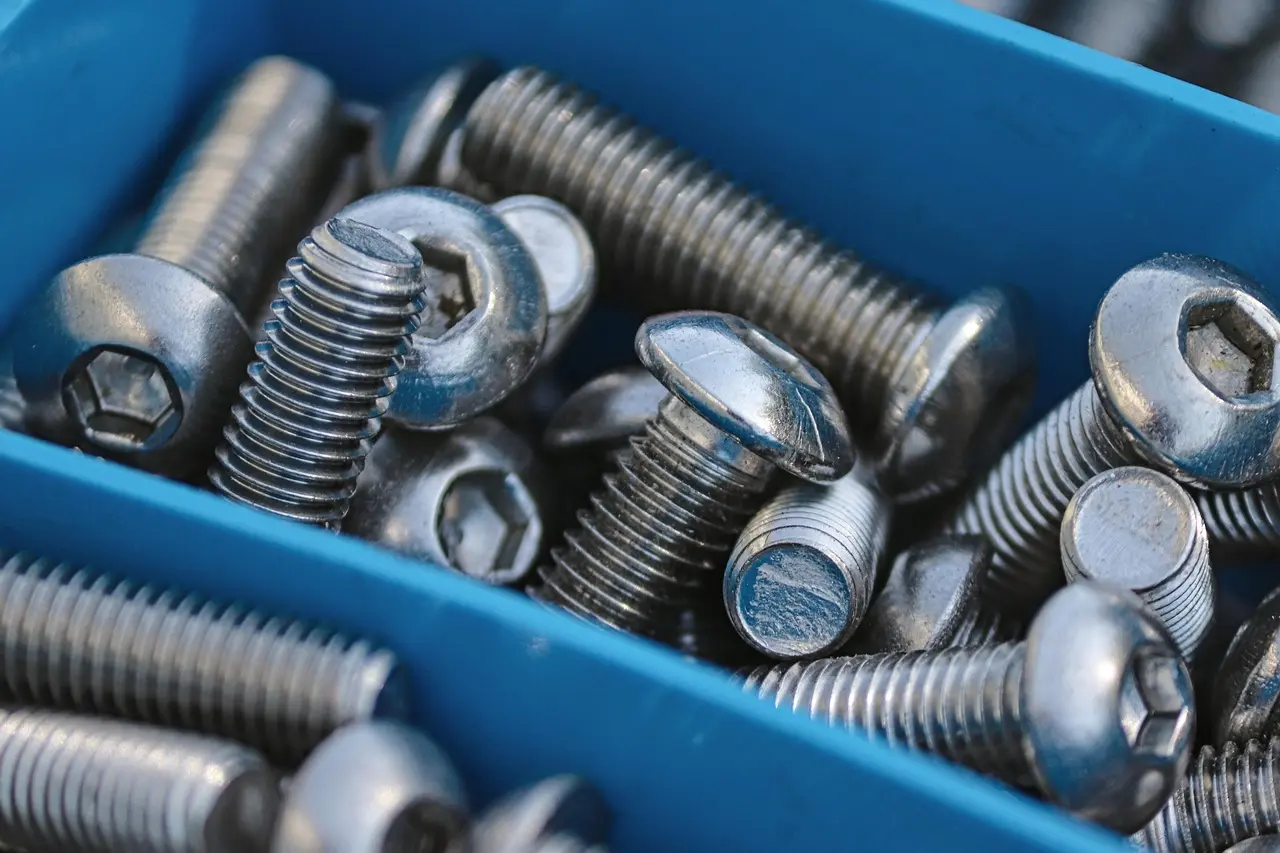
Start with the recess, not the tool. Phillips, Pozidriv, Torx, square, hex, and slotted heads can look close at a glance, but each one takes a different bit profile and usually a different size. If you guess from the screw shank or the job, you can round the recess before the screw moves.
Read the recess shape first
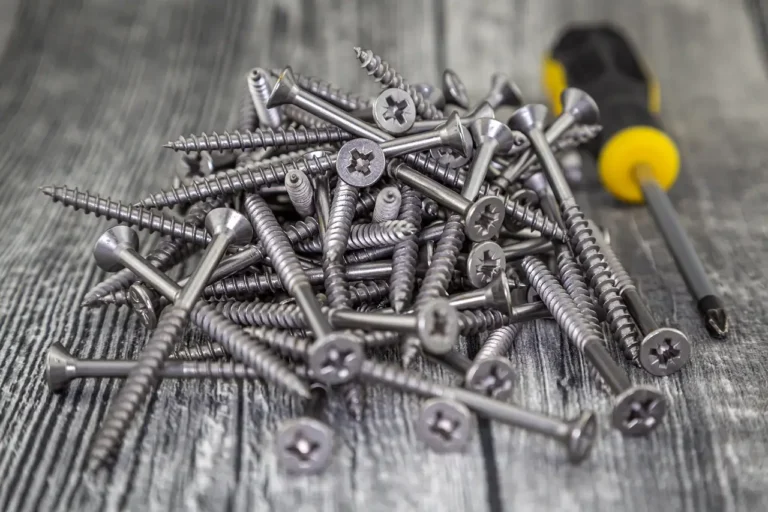
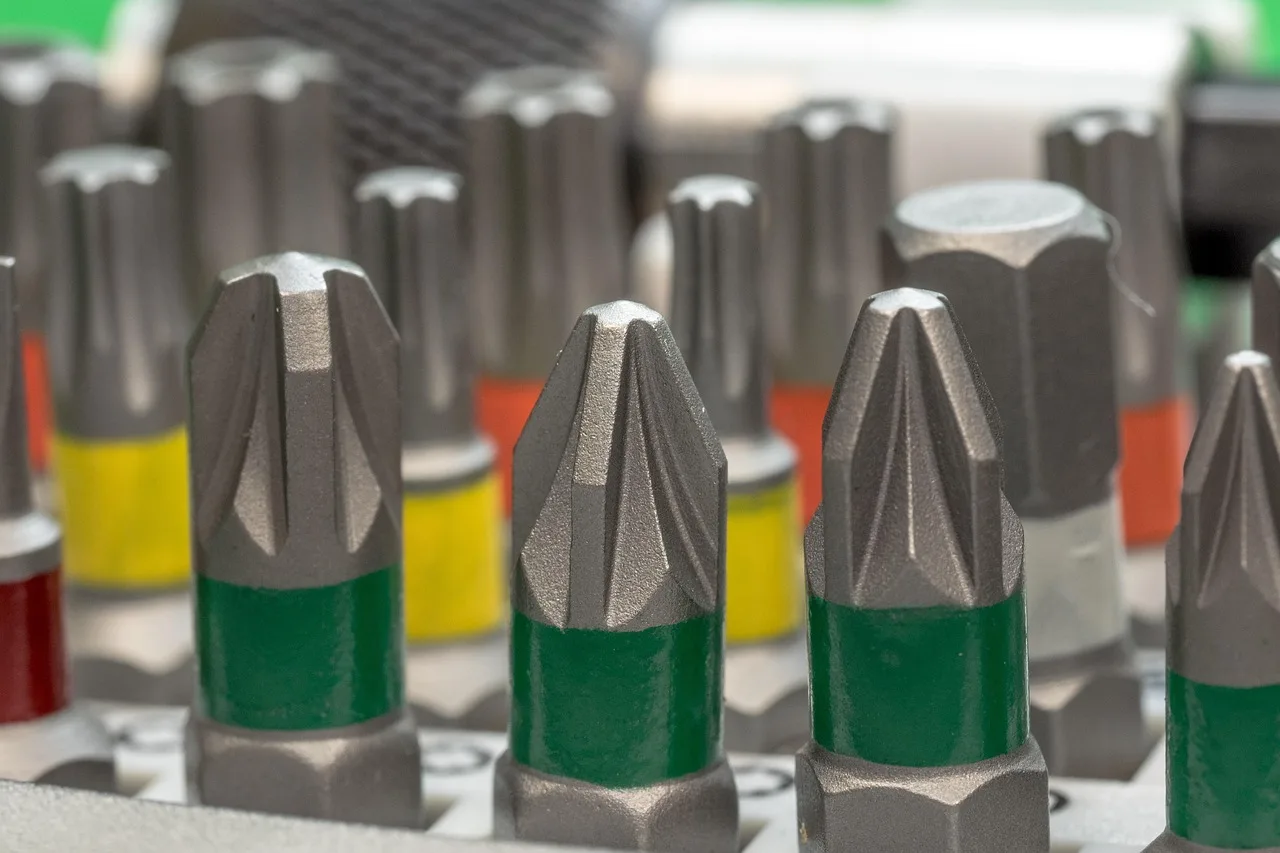
Look straight at the screw head under good light. A Phillips recess looks like a cross with tapered walls. Pozidriv also looks cross-shaped, but it has extra ribs between the main cross slots. Torx is a six-lobe star. Square is a clean square recess. Hex is a six-sided socket. Slotted heads have one straight slot only.
- Phillips: simple cross, tapered walls, common on general-purpose fasteners.
- Pozidriv: cross plus extra ribs, common in European hardware and cabinetry.
- Torx: six rounded lobes, sized as T10, T15, T20, T25, T30.
- Square: square recess, often marked SQ1, SQ2, SQ3.
- Hex: internal six-sided socket, often metric.
- Slotted: one straight slot, matched by blade width and thickness.
A common first-timer mistake is to reach for a Phillips bit any time the screw looks cross-shaped. That works only when the recess is actually Phillips. On a Pozidriv screw, a Phillips bit can feel close at first and still slip under load. Manufacturer and standards references distinguish Phillips and Pozidriv by their geometry, not by appearance alone.
Spot the lookalikes
Phillips and Pozidriv are the most common lookalike pair. The difference matters because Pozidriv needs a more exact match and has those extra ribs that a Phillips bit does not fill. Torx and hex are easier to tell apart, but both are often used on furniture and machinery, so the setting can mislead you. Ignore the setting and read the recess.
For the Phillips/Pozidriv pair, the most useful cue is the extra set of ribs and the sharper, more parallel-sided Pozidriv geometry. If the head shows a second, faint cross at 45 degrees, that is a strong Pozidriv clue. If the recess is a plain cross with tapered walls, Phillips is more likely. Exact fit matters because the profiles are not interchangeable.
How do you choose the right size?
The right bit fills the recess width and reaches the recess depth without forcing. Too small and the bit rocks, cams out, or rounds the edges. Too large and it will not seat fully or it will chew the screw head on entry. Test-fit before you drive the screw.
Match width and depth
Insert the bit by hand first. It should sit squarely in the recess with little side-to-side play. If it leans, rattles, or rides high, the size is off. For slotted screws, the blade width and thickness must match the slot closely. For Torx, square, and hex, the fit should feel positive, with the flats or lobes fully engaged.
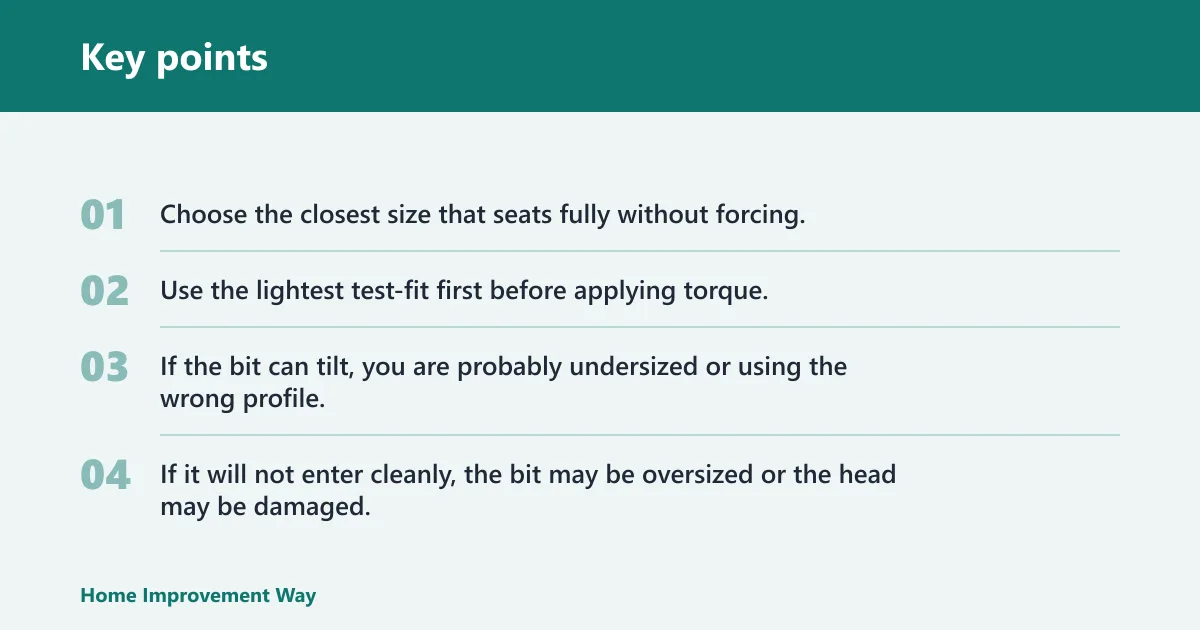
- Choose the closest size that seats fully without forcing.
- Use the lightest test-fit first before applying torque.
- If the bit can tilt, you are probably undersized or using the wrong profile.
- If it will not enter cleanly, the bit may be oversized or the head may be damaged.
Hold the tool straight and keep pressure on the screw as you turn. That keeps the bit centered and cuts the chance of wobble. If the screw starts to climb out of the recess, stop and reassess the size or the drive type. Forcing the wrong fit usually makes the damage worse.
Watch for cam-out and wobble
Cam-out is when the bit pushes itself out of the head under torque. Wobble is the smaller warning sign before that happens. Both usually mean the bit is undersized, the screw is damaged, or the drive type is wrong. A better match should reduce both problems immediately.
That is why size matching should come after drive identification. A bit can be the right family and still be the wrong size. When you are unsure, start with the nearest full-contact fit, then confirm that the bit bottoms evenly before adding torque.
Match the bit to the drive type
Drive type comes first because the profile is what actually transfers torque. Phillips, Pozidriv, Torx, square, hex, and slotted bits are not interchangeable. A close-looking bit can still fail if its angles, ribs, or blade thickness do not match the screw head.
Phillips versus Pozidriv
Phillips bits fit common cross recesses and are sold in common sizes #0 to #4, with #1 and #2 seen most often in household work. Phillips was designed to self-center, but it can cam out if the bit is mismatched or the screw is driven hard. Pozidriv bits look similar, yet they have extra ribs and need exact matching to avoid stripping.
If the screw head has a second, faint cross at 45 degrees between the main slots, that is a strong Pozidriv clue. If you see only a simple cross with tapered walls, Phillips is more likely. When in doubt, try the smallest correct-looking bit first by hand, then test for full engagement before applying torque.
Torx, square, hex, and slotted
Torx uses a six-lobe star drive and is common in automotive, electronics, and general hardware. Typical sizes include T10, T15, T20, T25, and T30. It is valued for high-torque fastening and low cam-out. Square, often called Robertson, has a square recess and is common in woodworking and cabinetry because the bit seats firmly with low slip. Hex screws use a six-sided recess and are common in furniture and machinery, often measured in metric sizes from 2 mm to 10 mm.
Slotted flathead screws are the simplest and the most forgiving only in appearance. They need the exact blade width and thickness. A blade that is too wide will bind. A blade that is too thin or too narrow will ride out of the slot and gouge the edges.
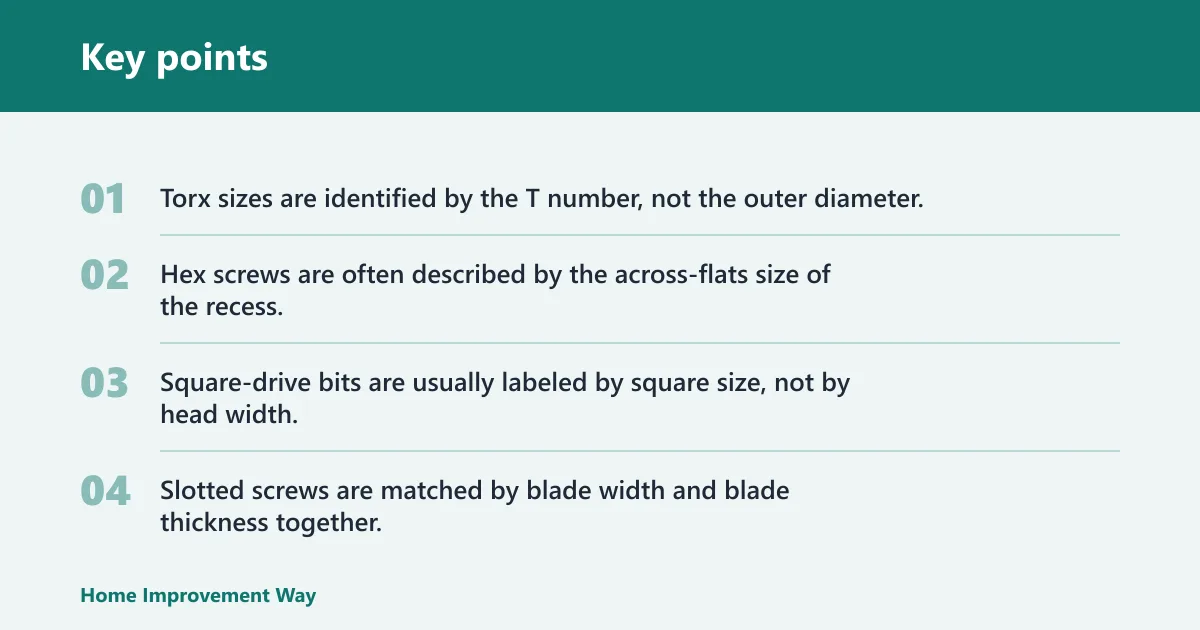
- Torx sizes are identified by the T number, not the outer diameter.
- Hex screws are often described by the across-flats size of the recess.
- Square-drive bits are usually labeled by square size, not by head width.
- Slotted screws are matched by blade width and blade thickness together.
For hex screws, the practical rule is to match the flats of the recess, not the point-to-point span. That makes the bit seat securely and reduces rounding. If a hex bit spins easily, step up or down one size and recheck the fit by hand before using power.
Why lookalike drives fail when mismatched
Mismatched bits fail in predictable ways. Phillips in Pozidriv often climbs out. Oversized flat blades bind. Undersized flat blades twist out. Wrong Torx or hex sizes can feel close for a moment, then round the lobes or corners once torque rises. The screw usually fails before the bit does.
Use the failure pattern as a clue. If the bit repeatedly pops out, the profile is usually wrong or the recess is worn. If the bit stays in but the screw will not move, the size may be close but not fully seated. In either case, stop before the head is damaged beyond easy removal.
| Drive type | Visual ID clues | Common sizes | Best tool type | Likely failure if wrong bit is used |
|---|---|---|---|---|
| Phillips | Cross-shaped recess with tapered walls | #0, #1, #2, #3, #4 | Hand screwdriver, drill/driver | Cam-out, stripped cross, wobble under load |
| Pozidriv | Cross recess with extra ribs between the main slots | PZ0, PZ1, PZ2, PZ3 | Hand screwdriver, drill/driver | Fast stripping, poor bite, rounded recess |
| Torx | Six-lobe star with rounded points | T10, T15, T20, T25, T30 | Hand tool, drill/driver, impact driver | Rounded lobes, bit slip, damaged star points |
| Square / Robertson | Square recess with straight sides | Commonly #0 to #3 | Hand screwdriver, drill/driver | Bit lift-out, corner rounding, wobble |
| Hex | Six-sided internal socket | 2 mm to 10 mm common | Hand tool, drill/driver, impact driver | Rounded corners, poor engagement, slip |
| Slotted flathead | Single straight slot | Blade width and thickness vary by screw | Hand screwdriver | Blade walkout, slot gouging, edge burrs |
| Phillips vs. Pozidriv lookalike | Both look cross-shaped; Pozidriv has extra ribs | PH1 to PH3 often confused with PZ1 to PZ3 | Exact match only | Misread head, immediate cam-out, stripped recess |
| Problem screw | Painted over, rusty, or partially stripped head | Size is harder to read; test by fit | Hand tool first, then drill/driver or impact driver if needed | Slippage, recess rounding, bit jumping out |
How do you put in a screwdriver bit?
Insert the bit into the holder until it locks fully, then tug lightly to confirm it is seated. Many interchangeable bits use a 1/4-inch hex shank, which is a common fit for many screwdrivers, drills, and bit holders. A magnetic holder can improve retention, but it should not replace a secure mechanical lock.
Hand screwdriver, drill/driver, or impact driver
- Check the shank size. Most interchangeable bits use a 1/4-inch hex shank.
- Lock the bit fully into the screwdriver, drill chuck, or hex holder.
- Confirm that the bit does not wobble or pull free.
- Set the bit squarely in the screw head before turning.
- Apply steady pressure and stop if the bit starts to ride out.
With a hand screwdriver, retention comes from the handle or bit holder. With a drill/driver, the chuck must clamp the shank securely. With an impact driver, use a 1/4-inch hex shank bit designed for impact pulses. Standard bits can break sooner under repeated impact-like torque, while impact-rated bits are heat-treated to better handle that load.
- A 1/4-inch hex shank is the common interface for many interchangeable bits.
- Impact-rated bits are recommended when the tool adds repeated hammering force.
- Standard bits are fine for light hand use, but they are less tolerant of shock loading.
Why bits slip out
Bits slip out for three common reasons: the wrong profile, the wrong size, or poor retention in the tool. A loose chuck, worn holder, or shallow bit seat can make a correct bit act wrong. If the tool side is stable but the bit still slips, the screw head is usually mismatched or damaged.
Mistakes to avoid
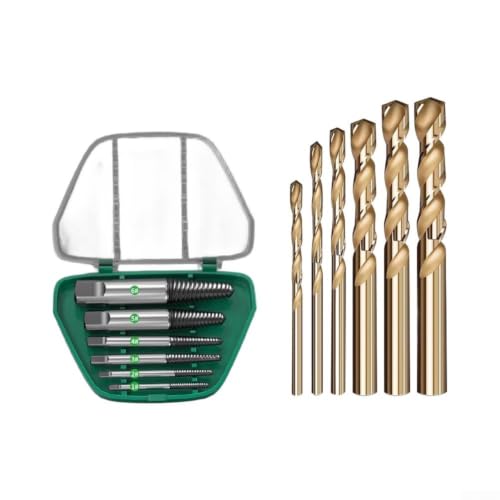
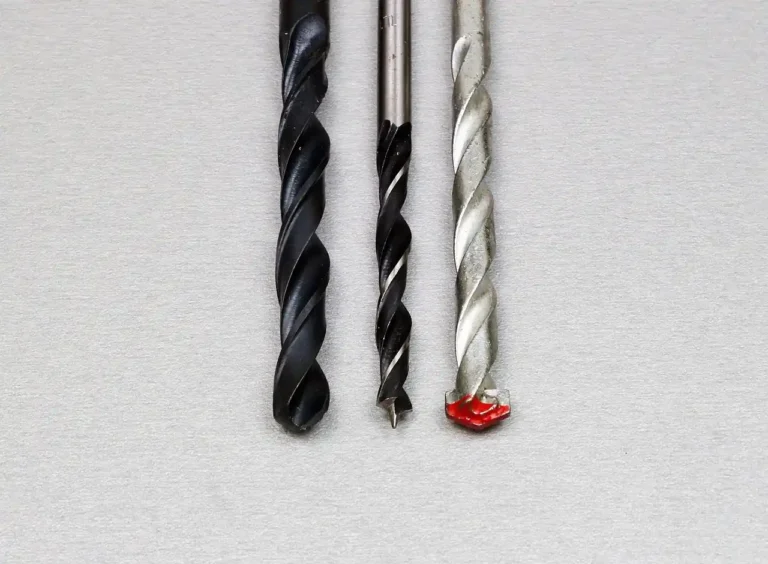
Do not use a drill bit in a screw head. Drill bits are made to cut material, not fit a recess, so they wobble, slip, and damage the fastener. Do not force an oversized or undersized bit. Do not ignore the tool side of the setup. A loose shank or weak holder can cause slip even when the bit shape is correct.
Do not assume a bit set removes the need to match the head. It only gives you options. The correct bit still has to fit the screw. Do not skip impact-rated bits for high-torque work. Standard bits are more likely to break or round off when an impact driver keeps hammering a stubborn screw.
Picture a cabinet screw with a square recess that sits slightly below the surface. If the SQ2 bit seats fully by hand and the screw turns cleanly, the fit is right. If the bit rocks, the screw may be a different square size or the head may already be worn. Stop before the recess rounds.
Say your exterior trim screw is painted over and rusty. The paint can hide the drive shape, and the rust can make the recess feel smaller than it is. Start with the likely drive type, clean the top of the head if needed, then test-fit by hand before using more torque.
Frequently asked questions
How do I know which screwdriver bit fits a screw head?
Identify the drive shape first, then test the closest matching bit by hand. The bit should seat fully with little side play. Phillips, Pozidriv, Torx, square, hex, and slotted heads each need their own profile. If the bit lifts out under light pressure, the size or type is wrong.
What screwdriver bit do I use for a flat head screw?
Use a slotted flathead bit with a blade width and thickness that match the slot as closely as possible. The blade should fill the slot without scraping the sides. A blade that is too wide binds. A blade that is too small slips and chews the edges of the head.
What screwdriver bit do I use for a square head screw?
Use a square, or Robertson, bit that matches the recess size, often called SQ1, SQ2, or SQ3 in common work. Square drive is common in woodworking and cabinetry because the bit engages well and slips less than many other drives. A loose fit usually means the wrong square size.
Can I use a drill bit for a screw head?
No. A drill bit is not shaped to fit a screw recess, so it will not grip the drive properly. It can slip, round the head, and damage the surrounding material. Use the correct screwdriver bit for the drive type instead, and check the fit before applying power.
Why do screwdriver bits keep slipping out?
Slipping usually means the bit is the wrong size, the wrong drive type, or not held securely in the tool. Worn or painted-over screw heads make the problem worse. Check for cam-out, look for wobble, and confirm the shank is locked firmly in the screwdriver, drill, or impact driver.
What is the difference between Phillips and Pozidriv bits?
Phillips bits fit a simple cross recess and are made to self-center, though they can cam out when mismatched. Pozidriv bits look similar but have extra ribs and need a more exact match. They are not interchangeable, and using the wrong one often strips the screw quickly.
What bit should I use for Torx screws?
Use a Torx bit that matches the star size, such as T10, T15, T20, T25, or T30. Torx is a six-lobe drive with good torque transfer and low cam-out when the size is right. If the bit feels loose or rides up, step back and recheck the size.
How do I choose a bit for stripped or painted screws?
Start with the correct drive type, then test-fit by hand and clean off paint or rust if needed. If the head is partially stripped, a standard bit may not hold, so choose the closest full-contact fit and use steady pressure. For stubborn screws, an impact-rated bit and a secure holder help.
Sponsored / affiliate links. As an Amazon Associate I earn from qualifying purchases. I may earn additional commission from eligible campaigns.