Drywall Screws vs. Wood Screws: When to Use Each One
Use a drywall screw only for light, temporary fastening into soft wood or in a non-structural repair; choose a wood screw for any joint that must hold load, resist movement, or stay in place. Wrong screw choice can strip threads, snap heads, loosen joints, and leave repairs failing later. This guide explains the differences, when a drywall screw is acceptable, and when it is a failure risk in wood.
| Decision factor | Drywall screws | Wood screws | Winner |
|---|---|---|---|
| Primary use | Drywall-to-stud fastening | Wood-to-wood fastening | Wood screws |
| Finish quality | Bugle head sinks below the surface for compound fill | Head style is made for holding, not hiding in drywall paper | Drywall screws |
| Wood repair strength | Harder and more brittle; can snap or strip in dense wood | Softer and usually partially threaded for better clamping | Wood screws |
| Drywall installation | Designed for this job; coarse or fine thread matches framing type | Not made for drywall paper or flush finishing | Drywall screws |
| Damp or exterior exposure | Black phosphate is for corrosion resistance, not wet-area service | Available in galvanized, zinc-plated, stainless, or brass finishes | Wood screws |
Drywall screws vs. wood screws at a glance
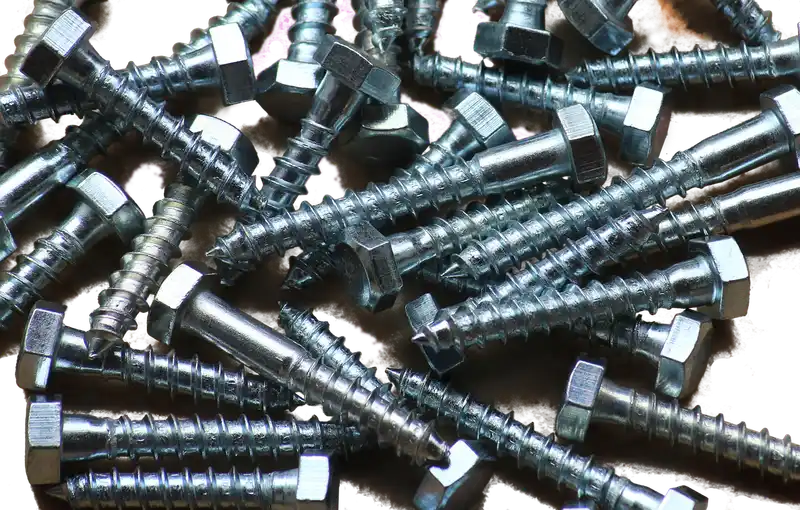
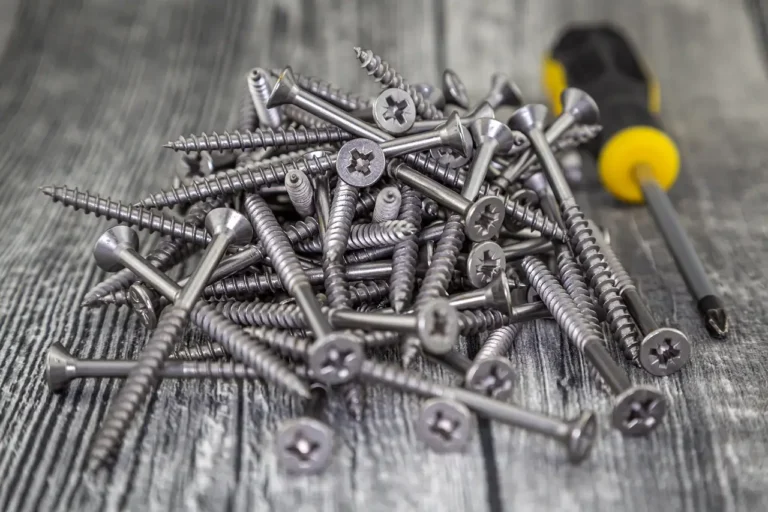
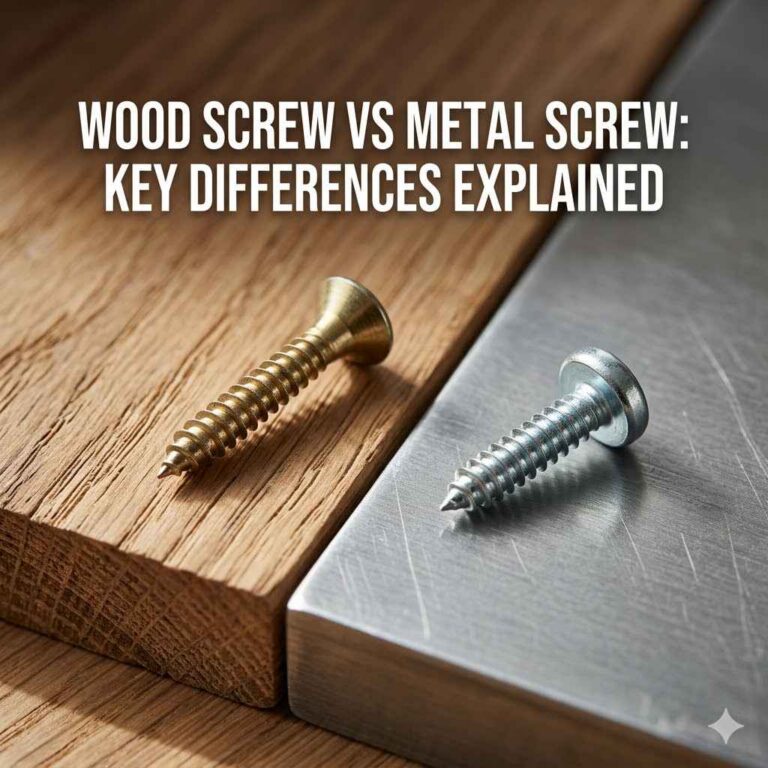
Drywall screws are made for attaching drywall to wood or metal framing. Wood screws are made for wood-to-wood joints, where holding power and clamp force matter more than a flush drywall finish. The difference shows up in the thread, head, shank, and coating. (Familyhandyman)
Thread pattern and shank shape
Drywall screws commonly have a sharp point, narrow shank, and a fully threaded or near-fully threaded body. Wood screws are often partially threaded, with a smooth shank below the head. That smooth section helps the top board pull tight against the lower piece instead of locking both pieces together too soon.
Drywall screws come in coarse-thread and fine-thread versions. W-type drywall screws are intended for wood framing and have coarse threads. S-type drywall screws have finer threads and grip metal framing better.
Head style and finish quality
Drywall screw heads are bugle-shaped, with a flat top and cone-shaped neck. That shape helps the head sink below the paper without tearing it, leaving a shallow depression that can be filled with compound. Most drywall screws are driven with a #2 Phillips driver.
Wood screws are more likely to use Torx or square heads today than drywall screws. Their head shape is chosen for torque transfer and clamping, not for hiding under a skim coat.
Typical coatings and where they fail
Drywall screws often use black phosphor coating, and some have a thin vinyl coating. That helps with corrosion resistance during normal interior work, but it is not a wet-area or exterior solution. Pressure-treated lumber raises the corrosion bar again, so fastener material and coating matter even more there.
Wood screws are commonly sold in finishes such as galvanized, zinc-plated, stainless, or brass. That wider finish range makes them easier to match to damp rooms, outdoor trim, or treated lumber, depending on the exact job.
📊 Drywall screws have two gauge sizes: #6 and #8. Source: Familyhandyman.
When can you use a drywall screw in wood?
A drywall screw can be used for a light, temporary interior repair in soft wood, especially where the joint is not structural and does not need to carry sustained weight. It is a stopgap, not a substitute for a proper wood screw in a load-bearing or high-movement joint.
Light-duty interior repairs only
Use a drywall screw only when the repair is low load, dry, and easy to inspect later. Think of a loose trim retainer, a temporary cleat, or a non-structural block where failure would be annoying rather than dangerous. If the screw must resist pullout, vibration, or repeated movement, pick a wood screw instead.
A common first-timer mistake is using a drywall screw to hold a loose shelf support in pine because the screw “went in fine.” A week later, the shelf shifts, the fibers crush, and the head starts to wobble. The problem is not just bite; it is how the screw behaves after the joint starts moving.
When coarse-thread drywall screws fit wood studs
Coarse-thread drywall screws are the correct drywall fastener for wood studs. They bite wood fiber better than fine-thread drywall screws, and they are common in residential drywall work. That does not make them a general-purpose wood screw, but it does explain why they work well for drywall-to-wood framing.
If the goal is to fasten drywall to 2x wood framing, use the drywall screw style meant for that substrate. The screw is doing a drywall job, not a furniture or cabinet job.
When the screw becomes a breakage or pullout risk
Drywall screws are generally harder than wood screws, and that hardness can make them more brittle in hard wood. In dense stock, or where the screw is near an edge, the head can snap or the threads can strip before the joint develops a reliable hold. Thin material makes the problem worse because there is less fiber around the threads.
Say your repair is a 3/4-in. oak cleat under a cabinet. A drywall screw may bite on the first turn, then bind, split the edge, or shear under clamp load. A wood screw with the right head and a pilot hole is the safer choice.
When should you use a wood screw instead?
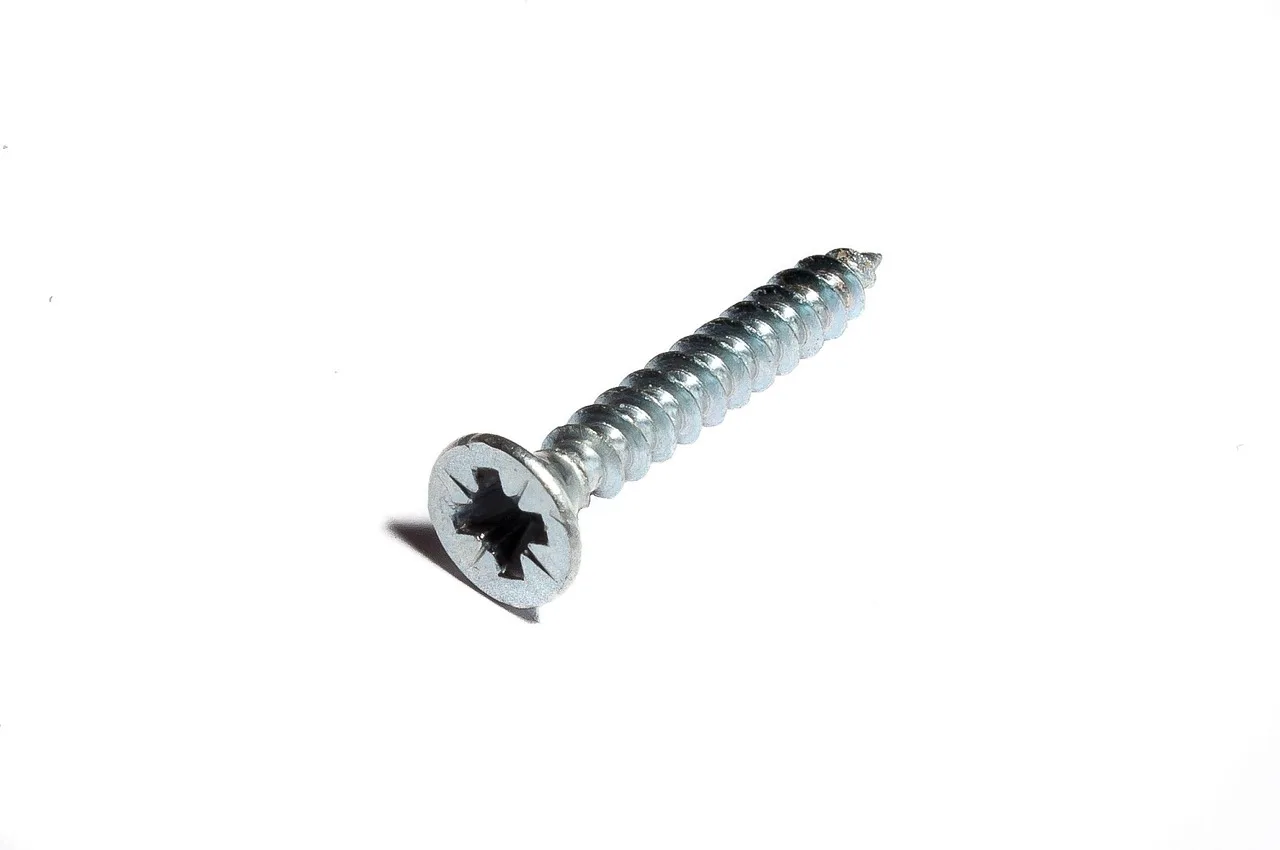
Choose a wood screw when the joint must hold wood securely over time, stay tight under movement, or support any meaningful load. Wood screws are the better choice for repairs that need clamp force, cleaner pull-up, and less risk of splitting or brittle failure.
Wood-to-wood joints and furniture repairs
Wood screws are built for joining one piece of wood to another. They are often softer than drywall screws, which can help them resist snapping in hard wood and may reduce the chance of sudden head failure during installation. That makes them a better choice for face frames, cleats, trim repairs, and many furniture fixes.
Wood screws also come in #4 to #10 gauge sizes, so you can match the fastener more closely to the material thickness and the load. That matters when the joint needs to survive normal racking and use, not just get something reattached for the afternoon.
Pilot holes, splitting, and counterbores
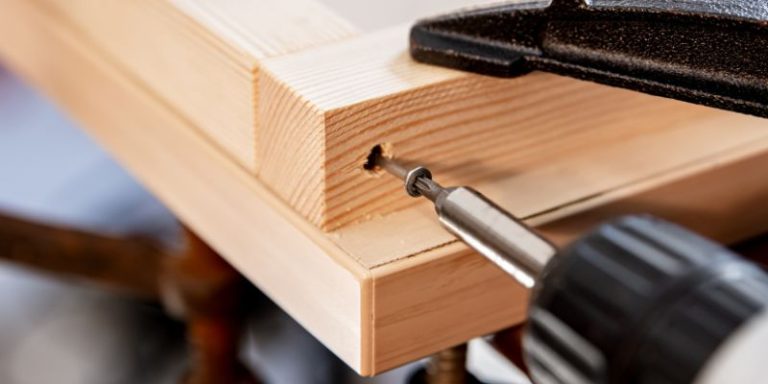
Many wood screws need pilot holes, especially in hardwood or near board ends. A pilot hole reduces splitting and gives the threads a cleaner path. Some installs also need a counterbore so the head sits below the surface without crushing the top layer or telegraphing through a finish.
That extra prep is part of why wood screws are better for visible, durable work. The screw is doing more than grabbing; it is controlling how the joint closes.
Why partial threads matter for clamping
Partially threaded wood screws leave a smooth shank under the head. That smooth section lets the upper board slide down and clamp tightly to the lower board before the threads lock the pieces together. The result is better draw-down in many wood joints.
If the whole shank is threaded, the screw can bind both pieces early and stop the joint from pulling tight. That is one reason drywall screws, which are usually fully threaded or near-fully threaded, are a poor substitute for many wood repairs.
Which screws should you use for wood studs versus metal studs?
Use coarse-thread drywall screws for wood studs and fine-thread drywall screws for light-gauge metal studs. Do not swap those choices casually. The thread form needs to match the framing material, or you get poor bite, stripped threads, or a screw that never really seats.
Coarse-thread drywall screws for wood studs
W-type drywall screws have coarse threads and are intended for wood framing. They are the common residential choice because coarse threads grip wood fiber well and install quickly. For drywall on wood studs, that is the standard match.
Do not confuse that with a general-purpose wood screw. The job is still drywall fastening, which is why the bugle head and drywall-friendly point matter.
Fine-thread drywall screws for light-gauge steel
S-type drywall screws have finer threads and grip metal framing better. Many are used with light-gauge steel studs, where the point and thread form help start the fastener in the metal. Depending on the product, the point may be self-piercing or thread-forming rather than a wood-style cutting point.
Do not use coarse-thread drywall screws in metal studs. They are meant for wood fiber, not thin steel, and the result is weak engagement or a stripped hole.
What not to mix up during installation
- Match coarse-thread drywall screws to wood studs.
- Match fine-thread drywall screws to light-gauge steel studs.
- Keep wood screws for wood-to-wood joints, not drywall sheets.
- Check the stud material before you load the screw gun.
That last check prevents the most common failure mode in mixed-material jobs: a screw that feels tight during installation but never had enough thread engagement to hold.
Screw decision matrix
Use this table as a quick filter. Load, substrate, and moisture exposure matter more than price or what happens to be in the box.
| Substrate | Load level | Exposure/moisture | Recommended screw type |
|---|---|---|---|
| Drywall to wood stud | Low, finish-facing | Interior, dry | Drywall screws; coarse-thread W-type for wood framing |
| Drywall to light-gauge steel stud | Low, finish-facing | Interior, dry | Drywall screws; fine-thread S-type for metal framing |
| Softwood trim repair | Light, non-structural | Interior, dry | Wood screws if the joint should stay tight; drywall screws only as a temporary stopgap |
| Cabinet cleat or furniture joint | Moderate | Interior, dry | Wood screws with pilot hole as needed |
| Pressure-treated lumber | Low to moderate | Damp or exterior | Wood screws with appropriate corrosion-resistant finish |
| Exterior trim or wet-area wood repair | Light to moderate | Exterior or wet | Wood screws with exterior-rated corrosion protection |
| Hardwood edge repair | Light to moderate | Interior, dry | Wood screws with pilot hole and, if needed, counterbore |
Do not use: hardwood — Drywall screws are harder and more brittle, so they are more likely to snap or split out in dense wood.
Do not use: metal studs — Coarse-thread drywall screws are meant for wood; fine-thread drywall screws are the match for light-gauge steel.
Do not use: exterior use, Black phosphate drywall screws are not a wet-area or exterior solution, while wood screws come in more suitable finishes.
Do not use: load-bearing wood joints, Drywall screws should not be used where the joint must bear weight, resist movement, or stay secure long term.
Choose drywall screws if… / Choose wood screws if…
Choose drywall screws if the fastener is for drywall on the correct framing type, or for a very light interior stopgap where failure would not create a safety issue. Use coarse-thread drywall screws on wood studs and fine-thread drywall screws on light-gauge metal studs. Keep them away from wet areas, pressure-treated lumber, and any load-bearing wood joint.
Choose wood screws if the joint must hold wood securely over time, especially in hardwood, furniture, trim, cleats, or repairs that see movement. Use a pilot hole when the wood is dense or split-prone, and use a corrosion-resistant finish in damp areas or with pressure-treated lumber.

Do drywall screws need pilot holes?
Not usually in drywall or in soft wood, because drywall screws are designed to bite quickly. In harder wood, near edges, or in dense stock, a pilot hole can reduce splitting and make the screw easier to start. For wood screws, pilot holes are more often part of the job than they are for drywall screws.
If the screw head must sit below the surface cleanly, a counterbore may also be needed with some wood screw installs. That is especially true when the final surface will be painted, filled, or left visible.
Frequently asked questions
Can you use drywall screws in wood?
Yes, but only for light, temporary, non-structural work in soft wood. They are a poor choice for hard wood, load-bearing joints, or repairs that must stay tight. Drywall screws can strip, snap, or lose holding power once the joint starts moving.
Can you use wood screws in drywall?
Wood screws are not the right choice for standard drywall fastening. They are made for wood-to-wood joints, and their head geometry is not meant to sink and finish like a bugle head drywall screw. For drywall, use the drywall screw type that matches the framing material.
What is the difference between drywall screws and wood screws?
Drywall screws are made for attaching drywall to wood or metal framing, usually with a bugle head, sharp point, and coarse- or fine-thread variants. Wood screws are made for wood-to-wood fastening, often with partially threaded shanks, stronger clamping behavior, and finishes better suited to damp conditions.
What screw coating should I use in damp areas?
Skip black phosphate drywall screws in damp or exterior areas. Wood screws are available in galvanized, zinc-plated, stainless, or brass finishes, which makes them the better starting point for moisture exposure. With pressure-treated lumber, choose a fastener material and coating that are rated for the environment.
Sponsored / affiliate links. As an Amazon Associate I earn from qualifying purchases. I may earn additional commission from eligible campaigns.