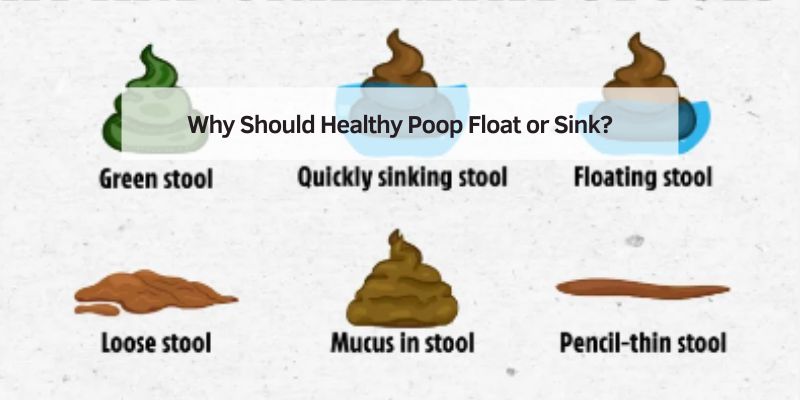
Why Should Healthy Poop Float or Sink?
I’ll never forget the first time I noticed my poop floating in the toilet. I was a kid, and it felt like a science experiment gone wrong! Should healthy poop float or sink? It’s a question that pops up more than you’d think. Your poop can tell you a lot about your health, like a secret message from your body. This article will explain why poop floats or sinks, what’s normal, and when to worry. I’ll share easy tips, fun examples, and simple steps to keep your gut happy. Let’s dive in—no pun intended!
What Does It Mean If Poop Floats or Sinks?
Poop’s behavior in the toilet depends on its density. Healthy poop usually sinks, but floating isn’t always bad. It’s like a boat: if it’s full of air, it floats; if it’s dense, it sinks. The main reasons poop floats are gas or fat content. Gas comes from foods like beans or broccoli, while fat might point to digestion issues. Sinking poop is often a sign of a balanced diet and good health.
Why Poop Floats
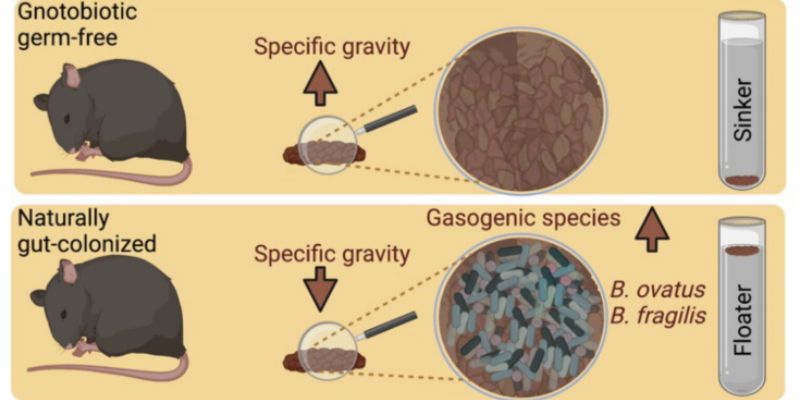
Floating poop often has extra gas or fat. Gas comes from gut bacteria breaking down high-fiber foods. For example, eating a big bowl of lentils might make your poop airy. Fat in poop, called steatorrhea, can happen if your body doesn’t absorb fat well. This could be due to conditions like celiac disease or pancreatitis.
Why Poop Sinks
Sinking poop is usually denser, with less gas or fat. It’s often brown, soft, and sausage-shaped—signs of a healthy digestive system. A balanced diet with fiber, water, and exercise helps poop sink naturally. My daily oatmeal and apple routine keeps mine sinking like a champ
What Makes Healthy Poop?
Healthy poop is more than just sinking or floating. It’s about color, shape, and smell, too. Let’s break it down with a simple checklist.
- Color: Brown is best, thanks to bile from your liver. Green is okay if you eat leafy greens. Yellow or pale poop might mean trouble.
- Shape: Soft, sausage-like logs are ideal. Hard lumps or watery poop could signal constipation or diarrhea.
- Smell: It’s never pleasant, but super foul smells might mean an issue.
- Frequency: One to three times a day or every few days is normal.
The Bristol Stool Chart
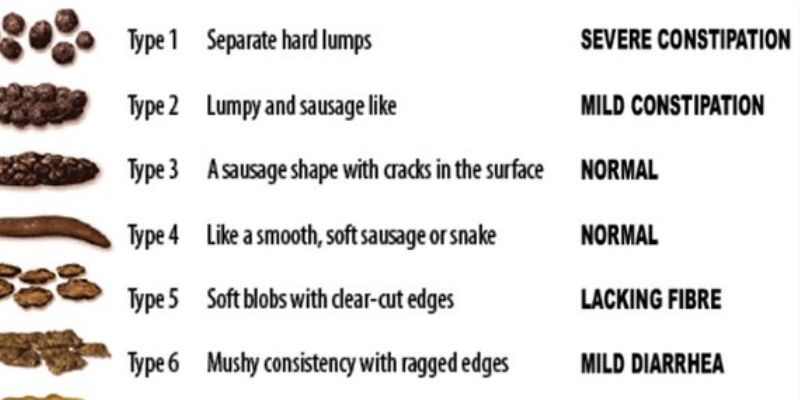
The Bristol Stool Chart is a handy tool doctors use to check poop health. Type 4 (smooth, soft, sausage-shaped) is the gold standard. Types 1-2 (hard, lumpy) mean constipation, while Types 6-7 (mushy or liquid) suggest diarrhea. I keep a mental note of my poop’s “type” to stay on track.
Table 1: Bristol Stool Chart Simplified
| Type | Description | What It Means |
|---|---|---|
| Type 1 | Hard lumps | Severe constipation |
| Type 4 | Soft, sausage-shaped | Healthy poop |
| Type 7 | Watery, no shape | Diarrhea |
Caption: This table shows common poop types and their health signals. Aim for Type 4 for a happy gut!
Why Does Poop Float? Common Causes
Floating poop can be normal or a sign of something else. Here are the top reasons, explained simply.
High-Fiber Diet
Fiber-rich foods like beans, broccoli, or apples feed gut bacteria, which make gas. This gas gets trapped in poop, making it float. When I went vegan for a month, my poop floated like a life raft! Cutting back on fiber helped it sink again.
Malabsorption Issues
If your body doesn’t absorb fat well, it ends up in your poop. This is called steatorrhea, and it makes poop greasy, smelly, and floaty. Conditions like celiac disease or pancreatitis can cause this. If your poop floats a lot and looks oily, see a doctor.
Gut Infections
Infections like giardiasis can make poop floaty and smelly. These bugs mess with your digestion, causing gas or fat buildup. I once had a stomach bug, and my poop floated for days. It went back to normal after I recovered.
How to Keep Your Poop Healthy
Want poop that sinks and stays healthy? Try these easy steps. They’re like a recipe for a happy gut!
- Eat Balanced Meals: Mix fiber (fruits, veggies) with protein and healthy fats. My go-to is a smoothie with spinach, banana, and almond butter.
- Drink Water: Water keeps poop soft and easy to pass. Aim for 8 cups a day.
- Move Your Body: Walking or yoga helps digestion. I walk my dog daily, and it keeps things moving!
- Check Your Poop: Peek before you flush. It’s like checking your car’s oil—it tells you what’s going on.
Table 2: Foods for Healthy Poop
| Food Type | Examples | Why It Helps |
|---|---|---|
| Fiber | Apples, oats, carrots | Softens poop, adds bulk |
| Hydration | Water, herbal tea | Prevents hard poop |
| Probiotics | Yogurt, kefir | Boosts gut bacteria |
Caption: These foods support healthy digestion and sinking poop. Add them to your diet!
When Should You Worry?
Floating poop now and then is no big deal. But if it’s constant, greasy, or comes with other symptoms, talk to a doctor. Here are red flags to watch for.
- Greasy, Foul-Smelling Poop: Could mean malabsorption or pancreatitis.
- Weight Loss or Pain: Might point to serious issues like celiac disease or pancreatic cancer.
- Blood in Poop: Red or black poop could signal bleeding. Get help fast.
I once ignored floaty, smelly poop, thinking it was just my new diet. A doctor’s visit showed I was lactose intolerant! A quick diet tweak fixed it.
Personal Tips for a Happy Gut
Over the years, I’ve learned a few tricks to keep my digestion on point. Here’s what works for me.
- Start Small with Fiber: Don’t go from zero to a kale salad overnight. Add fiber slowly to avoid gas.
- Keep a Food Diary: Write down what you eat and how your poop looks. It helped me spot that dairy was my enemy.
- Don’t Stress: Stress can mess with your gut. A quick meditation app session calms me down and keeps things regular.
Visual Ideas:
- A diagram of the digestive system showing where gas or fat affects poop.
- A chart comparing healthy vs. unhealthy poop traits (color, shape, float/sink).
- A food pyramid highlighting gut-friendly foods.
Common Mistakes to Avoid
It’s easy to mess up when tracking your poop health. Here are mistakes I’ve made and how to dodge them.
- Ignoring Changes: If your poop suddenly floats a lot, don’t shrug it off. Check your diet or see a doctor.
- Overdoing Fiber: Too much fiber too fast can make you gassy. I learned this after a bean binge!
- Skipping Water: Dehydration makes poop hard and lumpy. Keep a water bottle handy.
Table 3: Poop Problems and Fixes
| Problem | Cause | Quick Fix |
|---|---|---|
| Floating Poop | Too much gas | Cut back on beans, soda |
| Hard Poop | Low fiber, water | Eat fruits, drink more |
| Greasy Poop | Malabsorption | See a doctor |
Caption: This table shows common poop issues and simple solutions to try at home.
Benefits and Drawbacks of Floating vs. Sinking Poop
Floating poop isn’t always bad, but sinking is usually better. Here’s a quick comparison.
- Floating Poop Benefits: Often tied to a high-fiber diet, which is great for your gut. It’s usually temporary.
- Floating Poop Drawbacks: Could mean malabsorption or infection if it’s greasy or persistent.
- Sinking Poop Benefits: Shows your body is digesting food well. It’s the norm for healthy bowels.
- Sinking Poop Drawbacks: None, unless it’s hard or lumpy, which means constipation.
Frequently Asked Questions
Should Healthy Poop Float or Sink?
Healthy poop usually sinks, but floating is okay sometimes. It’s often caused by gas from high-fiber foods like beans. Persistent floating, especially if greasy, might mean malabsorption. Check your diet and talk to a doctor if it lasts.
Why Does My Poop Float All the Time?
Constant floating poop could be from too much fiber or fat malabsorption. Conditions like celiac disease or pancreatitis might cause greasy, floaty poop. Keep a food diary and see a doctor if it’s ongoing.
Is Floating Poop a Sign of Poor Health?
Not always! Floating poop is often from gas in high-fiber diets. But if it’s greasy, smelly, or paired with weight loss, it could signal health issues like infections or malabsorption. Check with a doctor.
Can Diet Make Poop Float?
Yes, high-fiber foods like broccoli or beans can make poop float by adding gas. Sugary drinks or dairy can also cause it, especially if you’re lactose intolerant. Try cutting back to see if it helps.
When Should I See a Doctor for Floating Poop?
See a doctor if floating poop is greasy, smelly, or lasts weeks, especially with weight loss, pain, or blood. These could point to serious issues like pancreatitis or infections needing treatment.
Does Floating Poop Mean I’m Eating Too Much Fat?
Sometimes. Greasy, floating poop can mean your body isn’t absorbing fat well. Eating too many fatty foods or conditions like Crohn’s disease might cause it. A doctor can help figure it out.
How Can I Make My Poop Sink Again?
Eat a balanced diet with moderate fiber, drink water, and exercise. Avoid too many gas-causing foods like beans or soda. If floating persists, a food diary can help pinpoint the cause.
Conclusion
Your poop is like a health report card. Healthy poop usually sinks, but floating isn’t always bad—it’s often just gas from a high-fiber diet. Check its color, shape, and frequency to stay on top of your gut health. Try my tips, like eating balanced meals and drinking water, to keep things running smoothly. Peek before you flush—it’s no sweat! Share your gut health tricks in the comments or try a food diary for a week. Your body will thank you! For more info, check trusted sources like Mayo Clinic, WebMD, or Cleveland Clinic.