Water Heater Leaking From the Side: Find the First Wet Point
Water running down the side of a water heater tank is different from a top fitting leak or bottom drain leak, and pinpointing exactly where the water first appears tells you whether it is a simple fix or a sign the tank itself has failed. This guide covers the specific causes behind a side leak, in the order you should rule them out.
The T&P relief valve discharge pipe
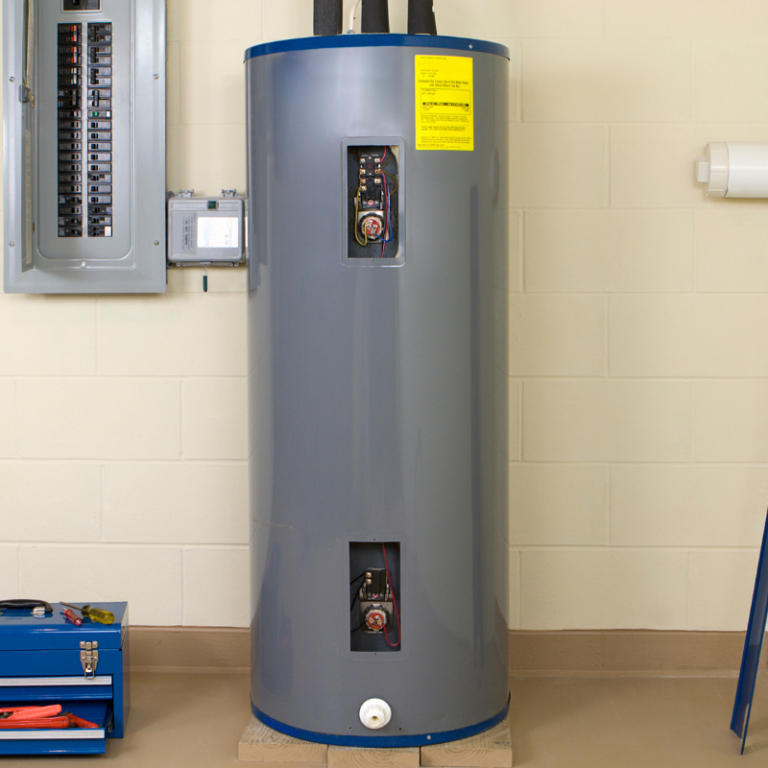
Nearly every tank water heater has a temperature and pressure relief valve partway up the side of the tank, with a discharge pipe running down toward the floor. This valve is designed to open and release water if the tank’s internal pressure or temperature climbs past a safe threshold, and a valve that drips constantly, even when nothing seems wrong, is often stuck slightly open by mineral debris or is failing and needs replacing. Persistent dripping can also mean the thermostat is set too high or a backflow-preventing check valve on the home’s supply line is causing thermal expansion pressure to build with nowhere to go, in which case an expansion tank on the cold supply line is the actual fix, not just a new relief valve.
A leaking anode rod access port
Many tanks have a hex-head anode rod access point near the top, sometimes disguised under the outer jacket, and if that rod was ever removed for inspection or replacement and the seal was not reinstalled properly, it can weep slowly down the side of the tank exactly like a shell failure would. This is worth checking specifically if the water heater has had any anode rod service done, since it is an easily fixed seal issue rather than a failed tank.
Condensation mistaken for a leak
When cold water fills a tank in a humid basement or garage, condensation can form on the tank’s exterior the same way it does on a cold drink glass, and this is especially common right after the tank refills following heavy use. Feel the tank’s outer surface. If it is noticeably cooler than the surrounding room and the moisture reappears quickly after wiping dry on a humid day, condensation rather than an actual leak is the likely explanation, and improving ventilation or reducing humidity in the space solves it.
Corrosion through the tank shell itself
Every tank has a glass-like lining meant to protect the steel shell from the water inside, and a sacrificial anode rod meant to corrode instead of the tank. Once the anode rod is fully consumed, usually after several years, or the internal lining develops a crack, the bare steel begins to rust from the inside out. This eventually perforates the shell, and water weeping steadily from a pinhole anywhere on the tank’s body, not from a valve or fitting, means the tank has reached end of life. There is no reliable patch or repair for a leaking tank shell. Sediment buildup from hard water accelerates this failure by trapping heat against the tank bottom and promoting corrosion.
When to shut off the water heater immediately
If you confirm the leak is coming from the tank shell itself rather than a valve or fitting, shut off both the water supply to the tank and its power source (breaker for electric, gas valve for gas units) right away, since a failing tank can worsen quickly and a gas unit sitting in standing water is a safety hazard. Similar overall diagnosis applies whether the unit is not heating water properly or leaking, in that finding the specific failed part first prevents replacing parts that were never the problem.
Frequently Asked Questions
Can I tighten fittings myself to stop a side leak?
If the leak is clearly at a threaded fitting or the relief valve connection, a careful quarter turn with the correct wrench can sometimes stop it, but overtightening can crack a fitting or damage the valve. If it does not stop with light tightening, it likely needs the part replaced rather than more force.
How long do tank water heaters usually last before this kind of leak happens?
Most tank water heaters last 8 to 12 years, and shell corrosion leaks become far more common once a unit passes that range, especially if the anode rod was never inspected or replaced during that time.
Is it safe to keep using a water heater that is leaking a little from the side?
Not for long. Even a slow leak from the tank shell will worsen over time and risks water damage to the surrounding area and, on gas units, a safety hazard if water reaches the burner assembly or gas controls. Treat any shell leak as a signal to plan replacement soon rather than waiting for it to fail completely.
Sponsored / affiliate links. As an Amazon Associate I earn from qualifying purchases. I may earn additional commission from eligible campaigns.